
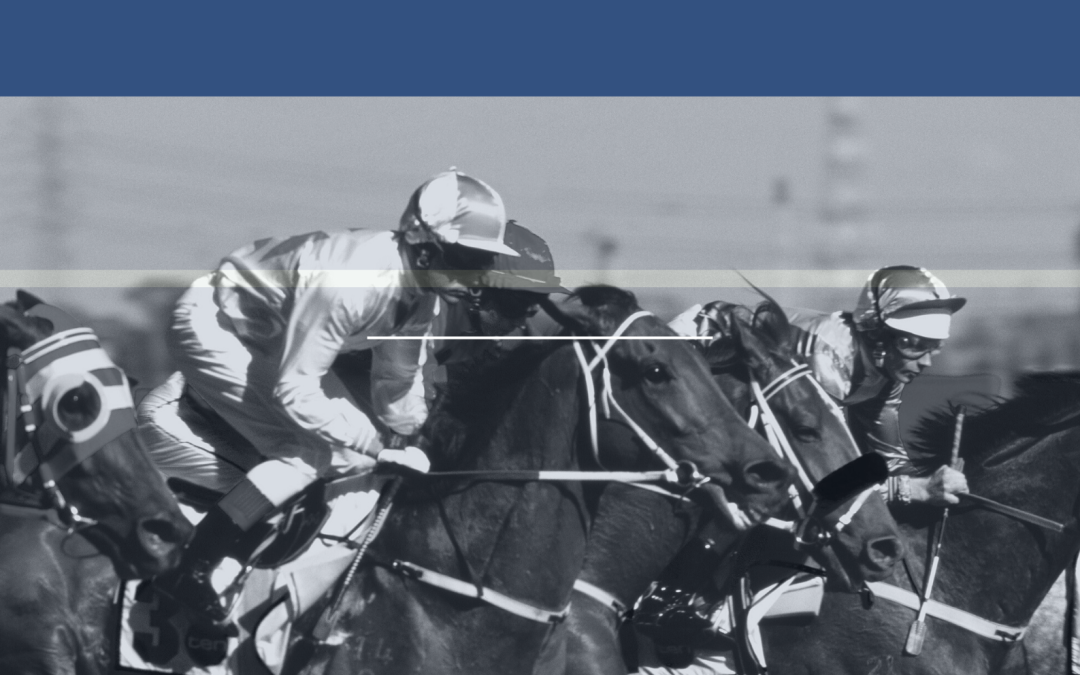
Now, let’s turn our attention to Palio di Siena, Italy’s historic horse race. This thrilling event takes place twice a year in the heart of Siena, a city rich in medieval charm and timeless traditions. Witness the fervor and excitement as rival neighborhoods compete for glory, riding bareback around the historic Piazza del Campo. The Palio di Siena is more than just a race; it is a celebration of Sienese culture and heritage, where centuries-old rivalries and passions collide. Join me as we delve into the high stakes, the adrenaline-fueled atmosphere, and the gripping stories behind one of Italy’s most iconic and exhilarating traditions.
History of the Palio di Siena
Origin and Early Years
The Palio di Siena, known simply as “Il Palio” by locals, is a historic horse race that takes place twice a year in the picturesque city of Siena, Italy. The origins of this renowned event can be traced back to the medieval period, making it one of the oldest horse races in the world. The first recorded Palio took place in 1656, although historians believe the race was held even earlier, possibly as far back as the 14th century.
The Development of the Race
Originally, the Palio was organized as a competition between the three ruling districts, known as Terziere, of Siena: Castelvecchio, San Martino, and Camollia. The race was held in honor of the city’s patron saint, the Virgin Mary, on July 2nd. Over time, the number of participating districts, known as Contrade, expanded, and the race began to be held twice a year, with an additional Palio taking place on August 16th to commemorate the Assumption of Mary.
Traditions and Rules
The Palio di Siena is not just a horse race; it is a deeply ingrained tradition and a symbol of civic pride for the people of Siena. The race is run bareback, with jockeys representing the competing Contrade. The Contrade themselves play a central role in the Palio, each having its own distinct identity, colors, and symbols. The race takes place in the heart of the city, in the historic Piazza del Campo, which is transformed into a track for the event.
The City of Siena
A Brief Introduction to Siena
Located in the central region of Tuscany, Siena is a city that seems frozen in time. Its well-preserved medieval architecture and narrow, winding streets transport visitors back to the days of knights and noble families. The historic center of Siena, a UNESCO World Heritage Site, is a treasure trove of art, culture, and history.
The Importance of the Palio to the City
The Palio di Siena is not just a race; it is an integral part of Sienese culture and identity. The race brings the city to life, attracting thousands of spectators from around the world. The Contrade become the focus of civic pride, and the streets of Siena are adorned with flags, decorations, and banners representing each Contrada. The Palio also has a significant economic impact on the city, as it draws tourists and generates revenue for businesses.
Exploring Siena’s Historic Center
A visit to Siena is incomplete without exploring its historic center. Start with the magnificent Siena Cathedral, also known as the Duomo, an architectural masterpiece that showcases the talent and craftsmanship of the city’s medieval artists. Climb the Torre del Mangia, a towering bell tower, to enjoy panoramic views of the city. Don’t forget to wander through the narrow streets, where hidden gems such as the Palazzo Pubblico and the Fonte Gaia await discovery.
The Contrade
What are Contrade?
The Contrade of Siena are the heart and soul of the Palio. These are neighborhoods or districts within the city that have their own rich history, traditions, and identity. There are currently 17 Contrade, each with its own emblematic animal, colors, and rivalries. Some of the oldest Contrade date back to the 13th century and carry centuries of pride and competition.
The Rivalry and Identity of Contrade
The Contrade of Siena are fiercely competitive and take immense pride in their unique identities. Generations of families within each Contrada are dedicated to preserving their traditions and ensuring the success of their Contrada in the Palio. The rivalries between Contrade can be intense, often fueled by historical events, previous victories, or personal connections. The passion and loyalty displayed by Contrada members are both admirable and awe-inspiring.
Becoming a Member of a Contrada
Membership in a Contrada is typically based on birthright, as individuals are born into a specific Contrada based on their family lineage. However, it is also possible to become a member through marriage or other special circumstances. Being a member of a Contrada is a lifelong commitment, and it involves active participation in all aspects of Contrada life, including preparing for and participating in the Palio.
Preparations and Festivities
The Months Leading Up to the Palio
The Palio is not just a one-day event; it is the culmination of months of preparations, rituals, and festivities. Each Contrada meticulously prepares its horse and jockey, ensuring they are in peak condition for the race. The horses undergo rigorous training, and experienced jockeys are chosen to represent each Contrada. The Contrade also organize various events and ceremonies to strengthen their bond and celebrate their heritage in the lead-up to the Palio.
Traditional Events and Celebrations
The months leading up to the Palio are filled with traditional events and celebrations that showcase the unique traditions and cultural heritage of each Contrada. These events include flag-waving competitions, historical processions, and religious ceremonies. The streets of Siena come alive with music, dancing, and performances, creating a festive atmosphere that builds anticipation for the main event.
Palio Trials and Test-Races
To ensure fair competition, each Contrada participates in a series of trials and test-races in the weeks leading up to the actual Palio. These races give the jockeys and horses an opportunity to familiarize themselves with the track and the dynamics of the race. It is also a chance for Contrade to assess their competitors and formulate strategies to increase their chances of victory.
The Palio Track
Piazza del Campo: A Horse Racing Arena
Piazza del Campo, the main square of Siena, serves as the racetrack for the Palio. The square is transformed into a dirt track, known as the “Campo,” that encircles the central area, where spectators gather to witness the race. The unique shape of the Piazza, which resembles a shell, adds to the challenge and excitement of the race. The track is surrounded by grandstands, balconies, and windows, offering spectators a variety of perspectives to experience the race.
Historical Significance of the Track
The Piazza del Campo has been the stage for the Palio for centuries and holds great historical and cultural significance. The square itself is a work of art, with its distinctive scallop shape and the grand Palazzo Pubblico overlooking it. The bricks that pave the Campo have witnessed countless races, celebrations, and triumphs, making the track a living testament to the city’s history.
Challenges and Strategies for Jockeys
The Palio poses unique challenges for the jockeys and their horses. The track is incredibly short, lasting just three laps around the Campo, which leaves little room for error. The curves are sharp, and the track surface is uneven, increasing the difficulty of maneuvering and maintaining control. Jockeys must employ strategic tactics to secure a favorable position and navigate the packed field of riders. The race is known for its intensity, as riders jostle for position and make split-second decisions to outwit their opponents.
The Palio Race Day
Morning Preparations and Communal Meals
On the day of the Palio, the city of Siena wakes up with excitement and nervous anticipation. The Contrada members gather to prepare for the race, donning their traditional costumes and colors. Communal meals are shared within each Contrada, where members come together to eat, sing, and offer prayers for victory. These meals serve as a final bonding moment before the race, fostering a sense of unity and camaraderie among Contrada members.
The Parade of Contrade
Leading up to the race, the Contrade parade through the streets of Siena, showcasing their splendor and pride. This colorful procession includes flag bearers, drummers, and members dressed in traditional costumes. The parade is a powerful display of the Contrade’s history, symbols, and values. The atmosphere is electric as crowds gather to cheer on their favorite Contrada and catch a glimpse of the spectacle.
The Intense Horse Race
The moment of truth arrives as the horses and jockeys line up at the starting line. The air is charged with excitement, and spectators hold their breath in anticipation. As the race begins, the thundering hooves of the horses reverberate through the Piazza del Campo. Jockeys display immense skill and bravery as they navigate the treacherous track, attempting to outmaneuver their rivals. The race is over in a matter of minutes, but the memories and emotions it evokes last a lifetime.
The Winning Contrada
Celebrations and Pomp of the Victor
When a Contrada wins the Palio, the city of Siena erupts into celebrations. The winning Contrada members flood the streets, singing, dancing, and rejoicing in their victory. Flags and banners are proudly displayed throughout the city, while fireworks illuminate the night sky. The joy and pride felt by the winning Contrada resonate throughout Siena and serve as a reminder of the fierce competition and sense of community the Palio fosters.
Prizes and Honors for the Winning Contrada
The winning Contrada is awarded the highly coveted Palio, a hand-painted silk banner that represents victory. The Contrada is also bestowed with bragging rights and an elevated status within the city for the following year. The Palio is paraded through the streets of the Contrada, allowing members to revel in their triumph and share their joy with the community. The winning Contrada’s horse and jockey are celebrated as heroes, their names forever etched in the annals of Palio history.
The Lupa: Symbol of Victory
In addition to the Palio, the winning Contrada is presented with another symbol of victory: the Lupa (she-wolf). The Lupa represents the victorious Contrada’s dominance and acts as a physical embodiment of their accomplishment. The Lupa is traditionally kept in the Contrada’s museum or church, serving as a revered relic and a testament to the Contrada’s success in the Palio.
Controversies and Criticisms
Animal Welfare Concerns
The Palio di Siena has faced criticism from animal rights activists who argue that the race puts undue stress on the horses and poses risks to their well-being. The race involves tight turns, crowded conditions, and physical exertion, which some consider cruel or inhumane. Efforts have been made to address these concerns, including the introduction of veterinary checks and regulations to ensure the welfare of the horses.
Accidents and Injuries
The high stakes and intense nature of the race have occasionally led to accidents and injuries. Horses can collide, lose their riders, or sustain injuries during the race. While every effort is made to minimize these risks, the fast-paced and competitive nature of the Palio increases the likelihood of accidents. These incidents have spurred discussions and initiatives aimed at increasing safety measures and reducing the number of injuries.
Modern-Day Adaptations and Improvements
In response to the criticisms and challenges faced by the Palio di Siena, organizers have made efforts to adapt and improve the race while preserving its traditions. Various reforms have been introduced, ranging from enhanced safety measures and stricter regulations to improved veterinary care for the horses. These changes aim to strike a balance between maintaining the authenticity and spirit of the Palio and addressing concerns regarding animal welfare and participant safety.
Global Popularity and Impact
The Palio as a Tourist Attraction
Over the years, the Palio di Siena has gained international recognition and become a major tourist attraction. Visitors from all corners of the globe flock to Siena to witness this iconic event, captivated by its historical significance and cultural significance. The Palio provides a unique opportunity to experience Italian traditions and immerse oneself in the vibrant atmosphere of the race. Its popularity has further boosted Siena’s tourism industry, contributing to the local economy.
Economic and Cultural Influence
The Palio has a significant economic impact on the city of Siena. The influx of tourists during the Palio season results in increased revenue for local businesses, including hotels, restaurants, and shops. The race also provides employment opportunities, with many individuals involved in various aspects of its organization and execution. Moreover, the Palio reinforces and preserves the cultural traditions of Siena, ensuring that they continue to thrive and be passed on to future generations.
Palio-inspired Events Worldwide
The influence of the Palio extends beyond the borders of Siena, inspiring similar events and celebrations around the world. From horse races incorporating elements of the Palio to cultural festivals celebrating the heritage of different cities and regions, the impact of the Palio can be felt globally. These events serve as a testament to the enduring allure of the Palio and its ability to capture the imagination and evoke a sense of pride in communities beyond Siena.
Preserving the Tradition
Challenges in Maintaining Authenticity
As the Palio di Siena continues to evolve and adapt to a changing world, there are challenges in maintaining its authenticity. Balancing the preservation of centuries-old traditions with the need for modernization and safety measures is a delicate task. Efforts must be made to ensure that the essence and spirit of the Palio are not lost in the midst of these changes, while also addressing concerns and criticisms that have arisen in recent years.
Efforts to Safeguard the Palio
Various initiatives have been undertaken to safeguard the Palio di Siena and the traditions it represents. The city of Siena, along with the Contrade, collaborates to preserve the integrity of the race and ensure its continuation for future generations. This includes implementing regulations to protect the welfare of the horses, raising awareness and education about the history and significance of the Palio, and encouraging community participation and support.
Future of the Palio di Siena
The Palio di Siena faces both challenges and opportunities as it moves into the future. Striking a balance between tradition and adaptation is crucial for the race to thrive while addressing concerns related to animal welfare and participant safety. As the Palio continues to capture the hearts and imaginations of people around the world, it is essential to keep the spirit of the race alive while embracing progressive changes that will allow it to endure for centuries to come.
 English