
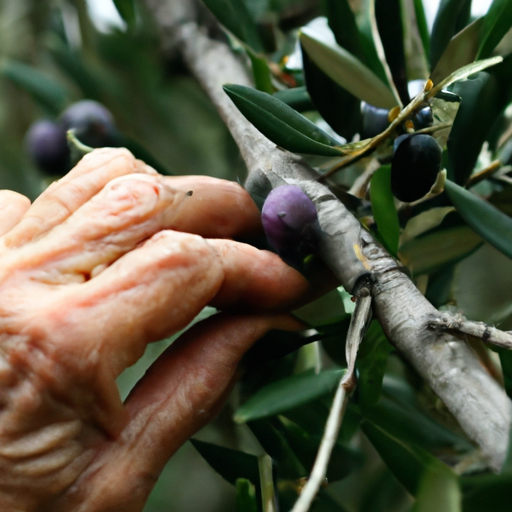
In the picturesque region of Umbria, nestled in the heart of Italy, lies a cherished tradition that has endured through generations: traditional olive harvesting. As the cool autumn air fills the rolling hills, local farmers embark on a labor of love, carefully plucking ripe olives from ancient trees that have stood the test of time. From the meticulous hand-picking process to the pressing of the olives into fragrant oil, every step in this age-old practice is carried out with reverence to the land and a deep respect for the flavors that will soon grace the tables of Italy and beyond. Join us as we take a glimpse into the world of traditional olive harvesting in Umbria, where the past seamlessly merges with the present, and the vitality of the Italian countryside comes alive in every drop of liquid gold.
Overview of Olive Harvesting in Umbria
Introduction to Olive Harvesting
In the picturesque region of Umbria, located in the heart of Italy, olive harvesting is an integral part of the local culture and economy. For centuries, the rolling hills and fertile soil of Umbria have provided the perfect conditions for growing olives and producing high-quality olive oil. The annual olive harvest, which typically takes place from October to December, is a time of celebration and hard work for farmers and local communities. In this article, we will explore the importance of olive harvesting in Umbrian culture, the historical background of this ancient tradition, the different olive varieties grown in the region, the impact of climate and soil on olive production, the traditional and modern techniques used in olive harvesting, the processing and pressing of olives to create olive oil, the quality control and certification processes, the celebration of the harvest through traditional festivals and events, and the health benefits of Umbrian olive oil. Join us on this journey through the wonderful world of olive harvesting in Umbria!
Importance of Olive Harvesting in Umbrian Culture
Olive harvesting is deeply rooted in the culture and traditions of Umbria. The region’s rich agricultural heritage has been shaped by the cultivation of olives and the production of olive oil for centuries. The olive tree holds a special place in the hearts of Umbrians, as it symbolizes resilience, prosperity, and a connection to the land. The olive harvest not only provides an important source of income for farmers but also serves as a time for families and communities to come together and work towards a common goal. It is a time of bonding, storytelling, and passing down ancient knowledge from one generation to the next. The olive harvest is not just a means to an end, but a cherished tradition that showcases the harmony between humans and nature.
Historical Background of Olive Harvesting in Umbria
The tradition of olive harvesting in Umbria can be traced back to the Etruscan civilization, which flourished in the region from the 8th century BC to the 3rd century BC. The Etruscans were skilled farmers who recognized the potential of the Umbrian soil for cultivating olives and producing olive oil. They introduced advanced techniques for olive cultivation, irrigation, and harvesting, which laid the foundation for the region’s thriving olive industry. Over the centuries, the art of olive harvesting has been passed down through generations, with each era leaving its mark on the techniques and methods used. From the Roman Empire to the Middle Ages and the Renaissance, olive harvesting has played a significant role in shaping the landscape and culture of Umbria. Today, Umbria stands as a testament to the rich historical legacy of olive harvesting in Italy.
Olive Varieties in Umbria
Overview of Olive Varieties in Umbria
Umbria is home to a wide variety of olive trees, each with its own distinct characteristics and flavors. The most common olive varieties grown in the region include Leccino, Frantoio, Moraiolo, and Pendolino. These varieties are known for their high oil content, rich flavor profiles, and ability to withstand the climatic conditions of Umbria. Many olive farms in the region also cultivate lesser-known varieties such as Dolce Agogia, San Felice, and Carboncella, which add diversity and complexity to the local olive oil production.
Characteristics of Umbrian Olive Varieties
The Leccino olive, with its small to medium-sized fruits, is prized for its mild, fruity flavor and low acidity. It produces a golden-green olive oil that is smooth and well-balanced in taste. The Frantoio olive, on the other hand, is known for its strong, peppery flavor and high polyphenol content, which gives the resulting olive oil its robust and pungent character. The Moraiolo olive, with its larger fruits, produces olive oil that is intensely fruity and bitter, making it ideal for blending with other olive varieties. The Pendolino olive, with its pendulous branches, yields a delicate and slightly fruity olive oil, perfect for drizzling over salads and grilled vegetables.
Traditional Olive Varieties Grown in Umbria
In addition to the commercially popular olive varieties, Umbria is also known for its cultivation of traditional and heirloom olive varieties. These varieties have been handed down through generations, often preserved within families or small communities. They are an intrinsic part of the cultural and agricultural heritage of Umbria. Varieties such as Dolce Agogia, San Felice, and Carboncella may have unique flavor profiles and growth characteristics that differ from the more widely grown varieties. Growing and preserving these traditional olive varieties not only ensures their survival but also adds a touch of authenticity and uniqueness to the olive oil produced in Umbria.
Climatic Conditions and Soil
Influence of Climate on Olive Harvesting
The climatic conditions of Umbria play a crucial role in determining the success of the olive harvest. The region experiences a Mediterranean climate, characterized by hot, dry summers and mild winters. These conditions are ideal for olive trees, as they require a certain amount of heat and sunlight to thrive. During the summer months, the heat helps the olives to ripen, while the mild winters provide a necessary period of dormancy for the trees. The dry climate also helps to prevent the spread of diseases and pests, ensuring the health and productivity of the olive groves. The timing of the olive harvest is carefully planned to coincide with the peak ripeness of the olives, taking into account the climatic conditions and the desired flavor profile of the resulting olive oil.
The Role of Soil in Olive Production in Umbria
The soil composition of Umbria is another important factor that contributes to the quality of olive oil produced in the region. The region’s volcanic origins have blessed it with fertile, well-drained soils that are rich in minerals and organic matter. This volcanic soil, known as terra rossa, provides the perfect growing conditions for olive trees. It retains moisture while allowing excess water to drain away, preventing waterlogging and root rot. The nutrient-rich soil nourishes the olive trees, promoting healthy growth and enhancing the flavors of the olives. The combination of the region’s favorable climate and soil conditions creates the perfect environment for cultivating high-quality olives and producing exceptional olive oil.
Specific Climate and Soil Conditions in Umbria
Within Umbria, different areas may have slight variations in climate and soil conditions, resulting in unique flavor profiles and characteristics in the olive oil produced. For example, the hills of Assisi and Spoleto, with their limestone and clay soils, tend to produce olive oil with a fruity and slightly spicy taste. The Valnerina valley, with its rocky and calcareous soils, yields olive oil that is rich and full-bodied. The vineyards of Montefalco, located at higher altitudes, have cooler temperatures and produce olive oil with a greener color and a more intense aroma. These subtle differences in climate and soil composition contribute to the diversity and complexity of Umbrian olive oil.
Preparing for the Harvest
Timing of the Harvest
The timing of the olive harvest is crucial to ensure the optimal ripeness of the olives and the highest quality olive oil. In Umbria, the harvest typically takes place from October to December, although the exact timing may vary depending on factors such as the olive variety, microclimate, and desired flavor profile. It is essential to monitor the ripeness of the olives closely, as harvesting too early can result in underripe fruits with low oil content, while harvesting too late can lead to overripe olives that produce oil with a less fresh and vibrant taste. Experienced farmers rely on a combination of visual cues, such as the color and texture of the olives, as well as practical tests, such as the iodine test, to determine the optimal time for harvest.
Pruning and Maintenance Before Harvesting
Before the olive harvest begins, farmers engage in important pruning and maintenance practices to ensure the health and productivity of the olive trees. Pruning involves removing dead or diseased branches, shaping the tree for better sunlight exposure, and controlling the height and density of the tree canopy. Pruning not only improves air circulation and reduces the risk of diseases but also helps to focus the tree’s energy on producing high-quality fruit. Other maintenance tasks before the harvest may include weed control, irrigation management, and the application of organic fertilizers to provide the necessary nutrients for the olive trees. By properly caring for the olive trees before the harvest, farmers can optimize the yield and quality of the olives.
Use of Fertilizers and Pesticides
In Umbria, many olive farmers adopt sustainable and organic farming practices, minimizing the use of synthetic fertilizers and pesticides. Organic fertilizers, such as compost or animal manure, are commonly used to nourish the soil and provide the necessary nutrients for the olive trees. Organic pest control methods, such as the use of beneficial insects or natural repellents, are employed to manage pests and diseases without harmful chemical interventions. These practices not only reduce the environmental impact but also contribute to the production of healthier olives and olive oil. However, it is important to note that some farmers may choose to use conventional fertilizers and pesticides in certain situations to protect the trees and ensure a successful harvest. The choice of farming practices ultimately depends on factors such as the specific needs of the olive grove, the pest and disease pressure, and the farmer’s personal philosophy.
Traditional Harvesting Methods
Hand Harvesting
In Umbria, the traditional method of olive harvesting is by hand. This labor-intensive process involves carefully picking the olives from the trees by hand, using small rakes or combs. Hand harvesting allows skilled workers to selectively pick only the ripe olives while leaving the unripe ones for future harvests. This manual selection ensures that only the highest quality olives are included in the olive oil production, resulting in a superior product. Hand harvesting also minimizes damage to the olives and the trees, as the delicate fruit is handled with care. While it may be a time-consuming and physically demanding process, hand harvesting is highly valued for its ability to preserve the integrity and flavors of the olives.
Traditional Tools and Equipment
In addition to handpicking, traditional tools and equipment are used in the olive harvest to facilitate the process. Long-handled rakes, known as “rastrelli,” are commonly used to gently comb through the branches, allowing the olives to fall into collection nets or tarps placed beneath the tree. Nets or tarps are spread out on the ground to catch the falling olives, preventing them from coming into contact with the soil and minimizing the risk of contamination. Pruning shears or small knives may also be used to remove stubborn olives from the branches. These simple and time-tested tools have been used for generations in Umbrian olive groves, embodying the essence of traditional farming practices.
Benefits of Hand Harvesting in Umbria
Hand harvesting offers numerous benefits for both the farmers and the quality of the olive oil produced. First and foremost, it ensures the selection of only the ripest and highest quality olives, resulting in an oil with superior flavor and aroma. Hand harvesting allows for greater precision and control, minimizing damage to the olives during the picking process. It is also an opportunity for skilled workers to inspect the olives closely, identifying any defects or signs of disease that may affect the quality of the oil. Additionally, hand harvesting preserves the ancient traditions and cultural heritage of Umbrian olive farming, providing a connection to the past and a sense of pride for the local communities. While it may require more time and labor compared to mechanized methods, hand harvesting remains the preferred technique for many farmers in Umbria.
Modern Techniques in Olive Harvesting
Introduction to Modern Harvesting Methods
In recent years, modern technology and machinery have been introduced to assist in the olive harvest, offering efficiency and scale to olive farmers. Mechanized harvesting methods involve the use of specialized equipment that shakes the olive trees, causing the ripe olives to fall onto collection nets or conveyor belts. These machines can be tractor-mounted or self-propelled, and they use various shaking mechanisms such as rods, paddles, or vibrating brushes to dislodge the olives from the branches. Mechanized harvesting can significantly reduce labor costs and increase the speed of the harvest, making it a practical solution for large-scale olive production. However, it is important to consider the potential impact on the quality of the olives and the resulting olive oil when using mechanized methods.
Mechanical Harvesting
Mechanical harvesting offers several advantages in terms of efficiency and cost-effectiveness. It allows for large areas of olive groves to be harvested in a short period, reducing the dependence on manual labor. With mechanized methods, olives can be harvested at the peak of ripeness, ensuring optimal oil quality. Mechanized harvesters are equipped with systems to separate leaves and twigs from the olives, minimizing the risk of impurities in the final product. However, one of the challenges of mechanical harvesting is the potential for damage to the olives and the trees. The shaking and vibration of the machines can cause the olives to collide with each other or with branches, leading to bruising or other physical defects. Additionally, the use of heavy machinery in the orchard may compact the soil and damage the root system of the olive trees. Careful consideration and proper training are required to minimize these risks and ensure the best possible outcome.
Comparison of Traditional and Modern Techniques
When considering the use of traditional and modern harvesting techniques, it is important to weigh the benefits and drawbacks of each approach. Traditional hand harvesting offers a more careful and selective process, ensuring the highest quality olives for olive oil production. It preserves the quality and integrity of the fruit, resulting in an oil with superior flavor and aroma. Hand harvesting is also an opportunity for communities to come together, fostering a sense of tradition and cultural identity. On the other hand, mechanized harvesting offers efficiency and scale, making it feasible for larger olive orchards and commercial operations. It reduces labor costs and increases the speed of the harvest, allowing for a more streamlined production process. However, mechanized methods may result in a higher risk of damage to the olives and the trees if not properly managed. Ultimately, the choice of harvesting technique depends on factors such as the size of the olive orchard, the desired quality of the olive oil, and the available resources.
Processing and Pressing
Transporting the Harvested Olives
Once the olives have been harvested, they are transported to the olive mill for processing. It is crucial for the olives to be transported in a timely manner to ensure the freshness and quality of the fruit. In Umbria, many olive growers have their own small-scale mills located on their properties, allowing for immediate processing of the harvested olives. This ensures that the olives are processed at their peak freshness, enhancing the flavor and health benefits of the resulting olive oil. For larger-scale operations, olives may be transported to cooperative mills or commercial processing facilities. Regardless of the scale, care is taken to handle the olives gently and protect them from excessive exposure to heat or light, which can degrade the quality of the oil.
Traditional Olive Presses in Umbria
In Umbria, the extraction of olive oil from the harvested olives typically takes place in traditional olive presses, which have been used for centuries. These presses consist of large stone or metal grinding wheels, known as millstones or granite wheels, which crush the olives into a paste. The paste is then spread onto circular fiber discs, which are stacked on top of each other in a press. Hydraulic pressure is applied to the stack, squeezing the oil out of the crushed olives and separating it from the solid matter. This method, known as cold pressing, ensures that the oil is extracted without the use of heat or chemicals, preserving the natural flavors and health benefits of the olives. The resulting olive oil is then decanted and filtered to remove any remaining impurities before being bottled or stored.
Cold Pressing and Extraction of Olive Oil
Cold pressing is a traditional method of olive oil extraction that is highly regarded for its ability to retain the flavors and nutritional properties of the olives. The term “cold pressing” refers to the process of extracting oil from the olives at temperatures below 30°C (86°F), in order to preserve the delicate flavors and aromas. This gentle extraction method helps to maintain the natural antioxidants, polyphenols, and vitamins present in the olives, which contribute to the health benefits of the olive oil. Cold-pressed olive oil is rich in flavor, with a well-rounded taste and a balanced acidity level. This method is widely used in Umbria and is considered a hallmark of high-quality olive oil production. It reflects the commitment to traditional techniques and the desire to create a product that is true to its origins.
Quality Control and Certification
Quality Standards for Umbrian Olive Oil
Ensuring the quality and authenticity of Umbrian olive oil is of utmost importance to both producers and consumers. To maintain high standards, various quality indicators and certifications are in place. Umbrian olive oil is classified according to its acidity level, which is a measure of the free fatty acid content in the oil. Extra virgin olive oil, the highest grade, must have an acidity level of less than 0.8%. Virgin olive oil, the next grade, has an acidity level of less than 2%. Olive oil with higher acidity levels is considered lower in quality and is typically used for cooking or industrial purposes. In addition to acidity levels, sensory evaluation is also conducted to assess the flavor, aroma, and overall quality of the olive oil. Tasting panels or trained sensory experts evaluate the oils based on specific criteria, such as fruitiness, bitterness, and pungency.
Regulations and Certifications in Olive Oil Production
In Italy, olive oil production is regulated by the Consorzio di Tutela dell’Olio Extravergine d’Oliva Umbria, a consortium that oversees the production, quality control, and promotion of Umbrian olive oil. The consortium works closely with olive growers, mills, and industry experts to ensure compliance with national and international standards. Olive oil producers in Umbria must adhere to specific guidelines and regulations, such as proper harvesting techniques, storage conditions, and labeling requirements. This ensures that the olive oil produced in Umbria meets the highest quality standards and is authentic and traceable. In addition to the consortium’s regulations, olive oil producers can also seek certifications such as the Protected Designation of Origin (PDO) or the Organic certification, further attesting to the quality and authenticity of their products.
The Role of Consorzi in Regulating Olive Harvesting
Consorzi, or consortiums, play a crucial role in regulating olive harvesting and oil production in Umbria. These organizations bring together olive growers, mill operators, and other stakeholders to collectively promote and protect the interests of the local olive oil industry. Consorzi establish production guidelines, monitor compliance with quality standards, carry out inspections and audits, and provide educational resources and support to farmers. They also oversee the certification process and the enforcement of labeling requirements to ensure that consumers can make informed choices when purchasing olive oil. Consorzi play a vital role in preserving the cultural heritage and traditions of olive harvesting in Umbria, while also driving innovation and sustainability in the industry.
Celebrating the Harvest
Traditional Festivals and Events
The olive harvest in Umbria is a cause for celebration and is marked by various festivals and events throughout the region. These traditional gatherings bring together farmers, locals, and visitors to honor the hard work of the olive harvest and to appreciate the bountiful yields. One of the most prominent festivals is the “Sagra delle Olive” held in the town of Trevi, known as the “olive oil capital” of Umbria. This annual event features parades, cultural performances, music, and dance, along with the opportunity to taste freshly pressed olive oil and traditional dishes made with olive oil. Other towns and villages in Umbria also organize similar festivals, showcasing the local heritage, gastronomy, and the unique flavors of Umbrian olive oil.
Cultural Significance of Olive Harvesting Celebrations
The olive harvest celebrations hold deep cultural significance for the people of Umbria. The traditions and rituals associated with the harvest are a way to honor the land, the olive trees, and the hard work of the farmers. These celebrations serve as a reminder of the deep connection between humans and nature, and the importance of sustainable agriculture. Olive harvest festivals are also an opportunity for communities to come together, strengthening social bonds and fostering a sense of belonging. Through music, dance, and shared meals, locals and visitors can experience the unique cultural heritage of Umbria and gain a deeper appreciation for the labor and love that goes into every bottle of olive oil.
Traditional Cuisine and Dishes During the Harvest
The olive harvest is not just about the fruits of the trees; it also inspires a culinary celebration of the flavors of Umbria. Traditional dishes featuring olive oil take center stage during this time, showcasing the versatility and richness of this prized ingredient. From classic bruschetta drizzled with freshly pressed olive oil to hearty ribollita soup made with seasonal vegetables and cannellini beans, the cuisine of Umbria highlights the local ingredients and traditions. Other dishes such as pasta with olive oil and garlic, roasted meats marinated in olive oil and herbs, and olive oil gelato offer a diverse range of flavors that pay homage to the bounty of the olive harvest. These culinary traditions are passed down through generations, connecting the present with the past and creating a sense of continuity in Umbrian culture.
Health Benefits of Umbrian Olive Oil
Nutritional Value of Olive Oil
Umbrian olive oil is not only a culinary delight but also a source of numerous health benefits. Olive oil is rich in monounsaturated fats, the healthy fats that promote heart health and reduce the risk of cardiovascular diseases. It is low in saturated fats and cholesterol, making it a healthier alternative to other cooking oils. Olive oil also contains antioxidants, such as polyphenols and vitamin E, which help to protect the body against oxidative stress and inflammation. These antioxidants contribute to the anti-aging properties of olive oil and may reduce the risk of chronic diseases such as cancer and neurodegenerative disorders. Additionally, olive oil is a good source of vitamin K and has anti-inflammatory properties that may benefit conditions such as arthritis and asthma.
Mediterranean Diet and Olive Oil
Umbrian olive oil is a key component of the Mediterranean diet, a dietary pattern that is associated with numerous health benefits and longevity. The Mediterranean diet emphasizes the consumption of fruits, vegetables, whole grains, legumes, fish, and olive oil, while limiting the intake of red meat, processed foods, and sugary beverages. It has been shown to reduce the risk of heart disease, stroke, type 2 diabetes, and certain types of cancer. The high consumption of olive oil in the Mediterranean diet is believed to be one of the major factors contributing to its health benefits. Olive oil provides satiety, helps to absorb fat-soluble vitamins from other foods, and enhances the flavors of the Mediterranean cuisine, making it a versatile and essential ingredient in a balanced and healthy diet.
Specific Health Benefits of Umbrian Olive Oil
In addition to the general health benefits of olive oil, Umbrian olive oil may offer some unique advantages due to the distinct characteristics of the region’s olives and production methods. The high polyphenol content in Umbrian olive oil, particularly in varieties such as Frantoio and Moraiolo, provides potent antioxidant and anti-inflammatory properties. These polyphenols may help to reduce blood pressure, improve blood glucose control, and protect against oxidative damage to cells and tissues. Umbrian olive oil is also known for its distinctive flavor and aromas, which can enhance the enjoyment of meals and promote mindful eating. The combination of its health benefits, culinary versatility, and cultural significance makes Umbrian olive oil a truly remarkable and cherished product.
In conclusion, olive harvesting in Umbria is not just a seasonal activity, but a centuries-old tradition that binds communities, sustains livelihoods, and shapes the cultural heritage of the region. The combination of favorable climatic conditions, nutrient-rich soils, traditional farming practices, and modern techniques come together to produce exquisite Umbrian olive oil. From hand harvesting to cold pressing, every step in the process is handled with care and respect for the land and its resources. The celebration of the harvest through festivals and traditional cuisine adds an extra layer of joy and appreciation for this timeless craft. So, the next time you savor a spoonful of Umbrian olive oil, remember the hard work, passion, and dedication that went into producing this liquid gold. Salute!
 English