
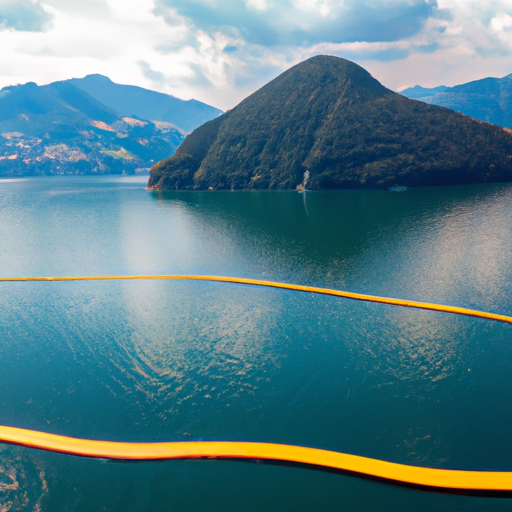
Imagine walking on water, surrounded by a stunning landscape of mountains and sky. This is the experience that the floating piers on Lake Iseo in Italy offer. Created by renowned artist Christo, these vibrant yellow walkways provide a unique opportunity to traverse the lake, connecting the towns of Sulzano and Monte Isola. As you step onto the luminous surface, the gentle bobbing of the waves beneath your feet adds a touch of exhilaration to your journey. With every step you take, you become a part of the art, immersed in the beauty and serenity of Lake Iseo. It’s an experience that is sure to be both breathtaking and unforgettable.
Overview
The concept of the floating piers
The concept of the floating piers is a unique and innovative art installation that allows visitors to literally walk on water. The piers are created by placing bright, yellow fabric over a system of floating cubes that are anchored to the lakebed. This ethereal concept creates a temporary connection between land and water, inviting visitors to experience a completely different perspective.
The location – Lake Iseo
Lake Iseo, located in the Lombardy region of Northern Italy, serves as the stunning backdrop for the floating piers. With its crystal-clear waters and picturesque surroundings, Lake Iseo provides the perfect setting for the immersive art installation. The lake’s tranquil beauty and serene atmosphere further enhance the visitor experience.
The artist behind the project
The creative genius behind the floating piers is the renowned Bulgarian-born artist, Christo Vladimirov Javacheff, commonly known as Christo. Together with his late wife and collaborator, Jeanne-Claude, Christo has created iconic works of art around the world. Their artistic vision revolves around transforming familiar landscapes and structures into breathtaking installations that challenge traditional perceptions.
Construction of the Floating Piers
Design and materials
The design of the floating piers consists of modular floating cubes made of high-density polyethylene, which are assembled to form a stable base for the piers. The cubes are then covered with over 100,000 square meters of a shimmering saffron-colored fabric. This fabric, made specifically for the installation, is impermeable, weather-resistant, and creates a stunning visual contrast against the azure blue of Lake Iseo.
Installation process
The installation of the floating piers is a meticulous and labor-intensive process. It involves the careful placement of multiple anchors to secure the floating cubes to the lakebed. Once the cubes are in position, the fabric is unwrapped, stretched, and firmly fastened to the edges of the piers. The installation team works tirelessly to ensure that every detail is perfected, creating a seamless and breathtaking visual spectacle.
Challenges faced
The construction of the floating piers is not without its challenges. One of the major hurdles faced during the installation process is the unpredictable weather conditions. Wind, rain, and waves on Lake Iseo can pose a threat to the stability of the piers. Therefore, the installation team must carefully monitor the weather forecast and make necessary adjustments to ensure the safety and integrity of the installation.
Features of the Floating Piers
Size and dimensions
The floating piers are a massive undertaking, covering approximately 3 kilometers in length. The width of the piers varies, with the widest parts measuring up to 16 meters. This vast expanse of floating walkway allows visitors to experience a sense of freedom and exploration as they traverse the piers, immersing themselves in the artwork.
Color and appearance
The vibrant saffron color of the fabric used for the floating piers adds a striking visual element to Lake Iseo. The intense hue against the backdrop of the lake’s natural beauty creates an otherworldly and magical ambiance. From a distance, the piers seem to merge seamlessly with the water, giving the illusion of a solid path floating on the lake’s surface.
Accessibility for visitors
The floating piers are designed to be accessible to all visitors, regardless of their mobility. The piers are completely flat, without any steps or obstacles, allowing wheelchair users and individuals with mobility challenges to experience the installation with ease. Accessibility ramps are strategically placed at various entry points, ensuring that everyone has the opportunity to engage with the artwork.
Visitor Experience
Walking on water
The main highlight of the floating piers is the opportunity for visitors to walk on water. The sensation of walking on a floating path is exhilarating and awe-inspiring. As you step onto the fabric-covered surface, you are immediately immersed in a unique environment that blurs the boundaries between land and water. Each step brings a sense of wonder as you traverse this surreal landscape.
Interacting with the artwork
The floating piers provide a multi-sensory experience, allowing visitors to interact with the artwork in various ways. The gentle swaying motion of the piers and the sound of the water lapping against the sides create a calming and meditative atmosphere. Visitors can choose to stroll leisurely, sit and contemplate the surroundings, or even lie down to fully embrace the experience.
Capturing the experience
The floating piers present endless opportunities for capturing stunning photographs and videos. The contrasting colors of the saffron fabric against the dazzling blue of Lake Iseo make for breathtaking visuals. Visitors can capture their own unique perspectives, whether it’s a shot from above, capturing the entire expanse of the piers, or an up-close detail of the fabric and water. The installation begs to be shared and immortalized through the lens of a camera.
Impact on the Local Community
Boost in tourism
The floating piers have had a significant impact on tourism in the area surrounding Lake Iseo. The unique and ephemeral nature of the installation attracts visitors from all around the world, drawn by the opportunity to witness this extraordinary artwork firsthand. The influx of tourists boosts local businesses, such as hotels, restaurants, and shops, contributing to the economic growth of the region.
Economic benefits
The economic benefits of the floating piers extend beyond the immediate boost in tourism. The construction and installation of the piers require the employment of local workers, stimulating job creation and providing opportunities for the local community. Additionally, the increased footfall in the area generates revenue for the maintenance and enhancement of the lake’s infrastructure, creating a positive long-term impact on the local economy.
Community engagement
The installation of the floating piers fosters a sense of community engagement and pride among the local residents. The artwork becomes a point of conversation and celebration, inspiring a shared sense of ownership over the unique cultural heritage of Lake Iseo. The community takes an active role in welcoming and accommodating visitors, creating a warm and inviting atmosphere that is reflective of the Italian hospitality.
Maintenance and Safety Measures
Regular maintenance
To ensure the longevity of the floating piers, regular maintenance is conducted throughout the duration of the installation. The fabric covering the piers is regularly inspected for any signs of wear or damage, and necessary repairs are promptly made. Additionally, the anchors and floating cubes are periodically inspected to maintain their stability and structural integrity.
Safety precautions
The safety of visitors is of utmost importance during their experience on the floating piers. Safety precautions, such as railings and barriers, are in place to prevent accidents and ensure the well-being of everyone. Trained staff members are also stationed along the piers to provide assistance and guidance to visitors, creating a safe and enjoyable experience for all.
Environmental sustainability
Efforts are made to ensure that the floating piers have minimal impact on the environment. The materials used in the construction are chosen for their environmentally-friendly properties, and measures are taken to minimize waste and pollution. Once the installation is complete, the fabric and floating cubes are carefully removed, leaving no trace behind, and both are recycled or repurposed for future projects.
Legacy of the Floating Piers
Artistic significance
The floating piers hold immense artistic significance, epitomizing Christo’s vision of transforming landscapes and challenging traditional perceptions. The installation prompts contemplation and introspection, encouraging visitors to question their relationship with the natural world. It serves as a reminder of the power of art to evoke emotion, provoke thought, and inspire change.
Impact on future installations
The success of the floating piers has set a precedent for future temporary art installations. It has demonstrated that art can serve as a catalyst for economic growth, community engagement, and tourism. The innovative design and engineering techniques used in the construction of the piers have paved the way for future large-scale artistic endeavors, inspiring other artists and architects to push the boundaries of what is possible.
Memories and impressions
The floating piers leave a lasting impression on visitors, creating memories that endure long after the installation has ended. The unique experience of walking on water, the vibrant colors, and the ethereal atmosphere become embedded in the collective memory of those who have witnessed the artwork. These memories serve as a testament to the transformative power of art and the indelible impact it can have on individuals and communities.
Critics and Controversies
Environmental concerns
The installation of the floating piers has faced some criticism regarding its potential environmental impact. Some argue that the use of floating cubes and fabric may disrupt the natural ecosystem of the lake and harm aquatic life. However, extensive research and environmental impact assessments are conducted prior to the installation to ensure that any potential harm is mitigated, and suitable measures are taken to minimize disruption.
Logistical issues
The sheer scale of the floating piers presents logistical challenges, particularly in managing the influx of visitors and ensuring their safety. Crowds and long queues may detract from the overall visitor experience, as individuals may feel rushed or unable to fully immerse themselves in the artwork. However, measures such as timed entry tickets and visitor capacity limits are implemented to minimize these logistical issues and ensure a smooth and enjoyable visit for all.
Public reception
As with any large-scale art installation, the floating piers have elicited a range of reactions from the public. While many admire and appreciate the artwork for its unique and immersive qualities, others have critiqued it as a temporary and fleeting spectacle that does not warrant the resources and attention it receives. However, it is important to recognize that art, by its nature, is subjective, and it is through these differing perspectives that meaningful conversations and dialogues can emerge.
Collaborations and Partnerships
Involvement of local authorities
The success of the floating piers is largely attributed to the collaborative efforts between the artist, local authorities, and institutions. The project requires the cooperation and support of local government bodies, including the municipality and environmental organizations, to ensure the necessary permits are obtained and the installation adheres to all regulations. This partnership serves as an example of how the intersection of art and governance can create impactful and transformative experiences.
Support from the art community
The floating piers have garnered support and recognition from the art community worldwide. Artists, curators, and art enthusiasts have praised the installation for its innovation, aesthetic appeal, and ability to transcend traditional artistic boundaries. This recognition has not only increased the visibility and reputation of the artist but has also sparked conversations around the role of art in public spaces and its potential to engage and inspire diverse audiences.
Corporate sponsorships
Corporate sponsorships play a crucial role in funding the construction and installation of large-scale art projects like the floating piers. Companies from various industries, such as construction, tourism, and hospitality, often partner with artists and organizations to provide financial support and resources. These collaborations not only contribute to the realization of ambitious artistic visions but also create opportunities for cross-sector collaboration and the exchange of expertise.
Conclusion
The enduring allure of the floating piers
The floating piers on Lake Iseo continue to captivate audiences with their enchanting beauty and unique experience. The ephemeral nature of the installation adds to its allure, as visitors are drawn to witness and engage with this extraordinary artwork while it is still in existence. The piers serve as a reminder of the transient and fleeting nature of art and life itself, making every visit a truly special and memorable experience.
The impact on Lake Iseo
The floating piers have had a profound impact on Lake Iseo and its surrounding communities. The installation has thrust the lake into the international spotlight as a destination for art and cultural tourism. The economic benefits, community engagement, and legacy left behind by the floating piers have revitalized the region, ensuring that Lake Iseo remains a cherished and celebrated location for creativity and artistic expression.
The legacy of the artwork
The legacy of the floating piers extends far beyond its physical presence. The artwork has inspired other artists, architects, and creators to push the boundaries of their respective fields and explore new realms of possibility. It has ignited conversations around the role of art in public spaces, its impact on communities, and the complex relationship between nature and human intervention. The floating piers serve as a reminder that art has the power to transcend boundaries, transform landscapes, and touch the hearts and minds of all who encounter it.
 English