
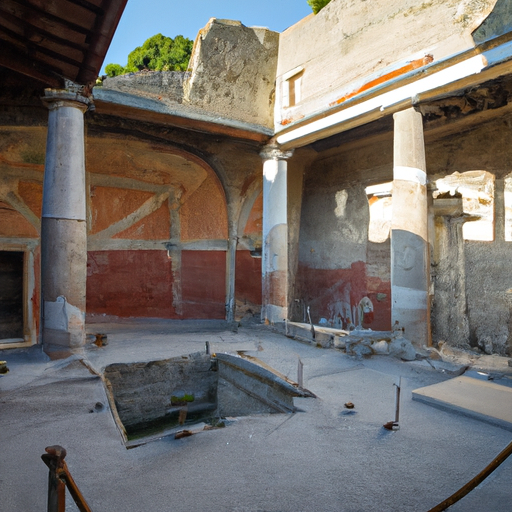
Now, let’s take a detour from the well-known cities of Italy and venture into the lesser-known archeological treasure of Herculaneum. Nestled near the infamous Mount Vesuvius, this ancient Roman town was buried under a thick layer of volcanic ash in 79 AD, preserving its remarkable architecture and artifacts for centuries. While Pompeii often steals the spotlight, Herculaneum offers a more intimate view of Roman life, with its stunning villas, impressive mosaics, and even preserved wooden furniture. So, put on your explorer’s hat and get ready to uncover the hidden secrets of Herculaneum.
Introduction to Herculaneum
Overview of Herculaneum
Welcome to the ancient city of Herculaneum, a jewel of history and archeological wonder. Located near Naples, Italy, Herculaneum is an ancient Roman city that was preserved in remarkable condition following the eruption of Mount Vesuvius in 79 AD. This well-preserved site offers visitors a unique opportunity to step back in time and witness the daily life of the Roman Empire.
History of Herculaneum
Herculaneum was founded by the ancient Greeks in the 6th century BC and later became a thriving Roman city. With a population of around 4,000 to 5,000 people, it was a smaller and wealthier city compared to its neighbor, Pompeii. Herculaneum was a popular vacation destination for the elite of Roman society, who built luxurious villas overlooking the Bay of Naples.
Location and Accessibility
Situated on the slopes of Mount Vesuvius, Herculaneum offers breathtaking views of the Mediterranean Sea. It is conveniently located just a short distance from Naples, making it easily accessible for visitors. Whether you choose to explore Herculaneum as a day trip from Naples or as part of a larger itinerary in Italy, the city’s proximity to major transportation hubs makes it a convenient destination for history enthusiasts and archeology lovers alike.
Discovering Herculaneum
Excavation and Rediscovery
Herculaneum lay buried and forgotten for centuries after the eruption of Mount Vesuvius. It wasn’t until the 18th century that the city was rediscovered during the construction of a well by a local farmer. Excavation efforts began in 1738, revealing a remarkably preserved cityscape that had been frozen in time. Since then, archeologists have carefully unearthed and studied the remains of Herculaneum, shedding light on the daily life, architecture, and culture of the ancient Roman world.
Archaeological Significance
The archeological site of Herculaneum is of immense significance in the study of ancient Roman civilization. Unlike Pompeii, which was buried under several meters of volcanic ash and debris, Herculaneum was preserved under a thick layer of volcanic mud, which acted as a protective seal. This allowed for the remarkable preservation of organic materials such as wood, textiles, and even food. As a result, Herculaneum provides a more complete picture of Roman life and offers invaluable insights into the social, cultural, and economic aspects of the time.
Comparison to Pompeii
Herculaneum is often compared to its more famous counterpart, Pompeii. While both cities were devastated by the eruption of Mount Vesuvius, they offer different glimpses into ancient Roman life. Unlike Pompeii, which was a bustling commercial and administrative center, Herculaneum was primarily a residential town for the Roman elite. This distinction is reflected in the preserved architecture, artwork, and artifacts, making a visit to Herculaneum a unique and complementary experience to exploring Pompeii.
Layout and Architecture of Herculaneum
Street Layout and Urban Planning
Herculaneum was meticulously designed with a well-organized street layout and urban planning. The city’s main thoroughfare, the Decumanus Maximus, ran east to west, intersected by smaller perpendicular streets known as cardines. The streets were lined with shops and houses, creating a vibrant and interconnected cityscape. The careful planning and architectural design of Herculaneum reflect the Roman commitment to efficiency, aesthetics, and harmony in their urban spaces.
Domestic Architecture
The houses of Herculaneum provide a fascinating glimpse into the lives of the city’s wealthy residents. Lavishly decorated with frescoes, mosaics, and intricate design elements, these houses were opulent residences that showcased the wealth and status of their owners. The architecture of Herculaneum’s houses is characterized by atriums, peristyles, and beautifully landscaped gardens, creating a serene and luxurious living environment for the Roman elite.
Public Buildings and Structures
In addition to its residential areas, Herculaneum was home to several impressive public buildings and structures. These included a theater, bathhouses, temples, and even a gymnasium. The Theater of Herculaneum, in particular, was a grand structure that could seat around 3,000 spectators. These public spaces played a central role in the social and cultural life of the city, offering opportunities for entertainment, relaxation, and worship.
Preservation of Herculaneum
Effects of the Eruption
The eruption of Mount Vesuvius in 79 AD had a catastrophic impact on the city of Herculaneum. A volcanic cloud of ash, pumice, and toxic gases engulfed the city, instantly burying it under several meters of volcanic debris. The solidification of the volcanic mud preserved Herculaneum, ensuring its survival for over 2,000 years. However, the eruption also caused significant structural damage to the buildings, with collapsing roofs and crumbling walls. It was this combination of destruction and preservation that created the unique state of Herculaneum visible today.
Burial and Conservation
Following the eruption, Herculaneum remained buried and largely forgotten until its rediscovery in the 18th century. Buried under layers of earth, the city was protected from the destructive forces of erosion and human intervention. Once uncovered, archeologists faced the monumental task of excavating and conserving the fragile structures and artifacts. Careful preservation efforts, including the use of modern technologies and techniques, have ensured that the remains of Herculaneum are protected and accessible for future generations to explore and appreciate.
Modern Preservation Efforts
Preserving an archeological site as extensive and delicate as Herculaneum is an ongoing challenge. The site is constantly monitored for signs of deterioration, and measures are taken to protect it from natural and man-made hazards. Climate control, drainage systems, and sheltered areas have been implemented to safeguard the structures and artifacts from the elements. Additionally, ongoing research and collaborations with experts in various fields ensure that the preservation efforts at Herculaneum continue to evolve and improve.
Art and Artifacts of Herculaneum
Frescoes and Mosaics
Herculaneum boasts an impressive collection of frescoes and mosaics, showcasing the artistic prowess of the ancient Romans. The houses of Herculaneum were adorned with vibrant frescoes depicting scenes from mythology, nature, and everyday life. These intricate and detailed works of art provide valuable insights into the aesthetics, symbolism, and storytelling techniques of the time. The mosaics of Herculaneum are equally breathtaking, with meticulously crafted designs that adorned the floors and walls of the city’s buildings.
Sculptures and Statues
Numerous sculptures and statues have also been unearthed at Herculaneum, further enriching our understanding of ancient Roman art and culture. From grand marble statues to delicate bronze figurines, these artifacts offer a glimpse into the different artistic styles and techniques prevalent during the Roman Empire. The skill and craftsmanship displayed in these sculptures are a testament to the artistic mastery and creativity of the ancient Romans.
Household Objects and Daily Life
Beyond the grand works of art, Herculaneum provides a wealth of everyday objects that reveal the daily life of its inhabitants. From kitchen utensils and cooking pots to jewelry and cosmetics, these artifacts offer a tangible connection to the people who lived in the city over two millennia ago. The preservation of organic materials, such as wooden furniture and textiles, provides a rare and invaluable insight into the material culture and lifestyle of ancient Rome.
Insights into Roman Life
Social Structure and Class
The remains of Herculaneum offer valuable insights into the social structure and hierarchy of the Roman Empire. The city was predominantly inhabited by the wealthy elite, who enjoyed a luxurious and privileged lifestyle. The opulent houses and lavish decorations found in Herculaneum are a testament to the socio-economic disparities of the time. Beyond the elite, the city was also home to a diverse range of individuals, including merchants, artisans, and slaves, who played crucial roles in the functioning of the city.
Cultural and Religious Practices
Herculaneum provides valuable insights into the cultural and religious practices of ancient Rome. The presence of temples and shrines suggests a strong religious belief system, with various deities worshipped and rituals performed. The city’s artwork and artifacts also shed light on the cultural practices and values that were important to its residents. From the display of wealth and status in the opulent houses to the depiction of mythological scenes in frescoes and mosaics, Herculaneum offers a glimpse into the cultural tapestry of the time.
Trade and Economy
As a coastal city, Herculaneum was a hub of trade and economic activity. The discovery of merchant stalls and storage areas within the city’s buildings suggests a thriving commercial center. The city’s proximity to Naples and its strategic location along the coast made it an important port for trade with other regions of the Roman Empire. The artifacts found at Herculaneum, including imported goods such as ceramics and glassware, provide evidence of the wide-ranging trade networks that existed during this time.
Highlights of Herculaneum
House of the Neptune Mosaic
The House of the Neptune Mosaic is one of the most famous and well-preserved villas in Herculaneum. Named after the stunning mosaic depicting the god Neptune and his sea creatures, this house offers a glimpse into the luxurious lifestyle of the Roman elite. The villa features beautifully decorated rooms, a central courtyard with a fountain, and a private bathhouse. Exploring the House of the Neptune Mosaic is a must for any visitor to Herculaneum.
Villa of the Papyri
The Villa of the Papyri is another notable highlight of Herculaneum. Named after the extensive collection of papyrus scrolls found within its library, this villa is an architectural marvel. It was home to a wealthy Roman statesman and was renowned for its extensive gardens, stunning frescoes, and intricate mosaics. The Villa of the Papyri offers a unique opportunity to experience the grandeur and opulence of an ancient Roman residence.
House of the Stags
The House of the Stags is a fascinating example of domestic architecture in Herculaneum. Named after the mosaic depicting two stags that grace its entrance, this house provides insight into the daily life of its inhabitants. The intricate frescoes, elegant peristyle garden, and well-preserved rooms make the House of the Stags a captivating site to explore.
Current Challenges and Future Prospects
Preservation and Conservation Issues
Preserving and conserving the delicate structures and artifacts of Herculaneum is a constant challenge. Exposure to the elements, including rain, sun, and fluctuating temperatures, can lead to deterioration and damage. Additionally, natural disasters, such as earthquakes, pose a threat to the stability of the ancient city. Balancing accessibility for visitors with the need to protect the site requires ongoing collaboration between conservationists, scientists, and archeologists to ensure the long-term preservation of Herculaneum.
Tourism Impact and Management
The popularity of Herculaneum as a tourist destination brings both opportunities and challenges. The influx of visitors contributes to the local economy and the preservation efforts of the site. However, the sheer volume of tourists can place significant strain on the fragile structures and infrastructure of Herculaneum. Careful management of visitor numbers and the implementation of sustainable tourism practices are essential to ensure the long-term sustainability and preservation of this remarkable archeological site.
Ongoing Research and Excavations
Archeologists and researchers continue to uncover new insights into the history and culture of Herculaneum through ongoing excavations and research projects. New technologies and techniques are being employed to better understand the site and its significance within the broader context of ancient Rome. Ongoing research and excavations offer the prospect of new discoveries and a deeper understanding of the ancient Roman world.
Visiting Herculaneum
Opening Hours and Tickets
Herculaneum is open to visitors year-round, with opening hours varying depending on the season. It is advisable to check the official website for the most up-to-date information regarding opening hours and ticket prices.
Guided Tours and Audio Guides
To fully appreciate the history and significance of Herculaneum, guided tours and audio guides are available to visitors. These guided experiences offer valuable insights and context to enhance your understanding of the site. Knowledgeable guides can help bring the ancient city to life by providing fascinating anecdotes and historical information.
Tips for Exploring
When visiting Herculaneum, it is advisable to wear comfortable shoes and clothing, as there is a significant amount of walking involved. Sunscreen, a hat, and plenty of water are also recommended, as the site can be exposed to the elements. It is important to respect the site and its artifacts by refraining from touching or climbing on any structures. Photography is permitted, but the use of flash and tripods may be restricted in certain areas. Remember to be mindful of other visitors and follow any instructions or guidelines provided by staff.
Conclusion
Herculaneum is a captivating destination that offers a unique glimpse into the ancient Roman world. As you wander through its well-preserved streets and explore the remains of grand villas and public buildings, you can’t help but be transported back in time. From the opulent houses adorned with frescoes and mosaics to the intimate artifacts of daily life, Herculaneum provides a comprehensive and immersive experience of Roman life. Whether you’re a history enthusiast, archeology lover, or simply curious about the past, a visit to Herculaneum is sure to leave an indelible impression and a deeper appreciation for the wonders of the ancient world.
 English