
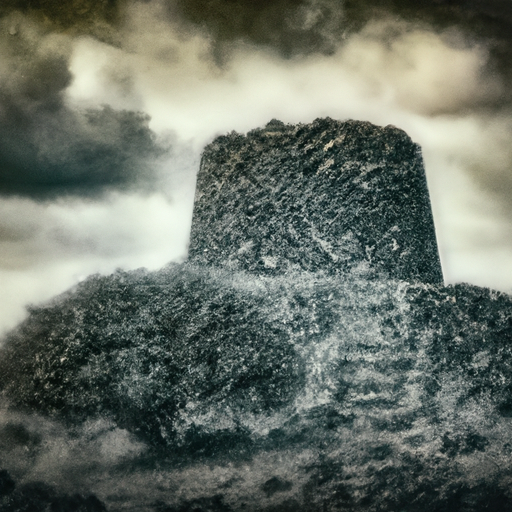
As you immerse yourself in the wonders of Italy and Sicily, don’t overlook the enigmatic Nuraghe towers of Sardinia. These ancient stone structures, scattered across the island, hold the key to a long-lost civilization. Step into the footsteps of the Nuragic people and explore the eerie beauty of these towers, as they silently whisper stories of a bygone era. From their mysterious origins to their intricate architectural design, these towers will captivate your imagination and offer a glimpse into an ancient world that still holds many secrets. So, if you’re ready to unravel the mystery, venture to Sardinia and discover the hidden treasures of the Nuraghe towers.
The History of the Nuraghe Towers
Nuragic Civilization
The Nuraghe towers are ancient megalithic structures that can be found on the island of Sardinia, located in the Mediterranean Sea. These unique towers are remnants of the Nuragic civilization that inhabited Sardinia from around 1800 BCE to 238 BCE. The Nuragic civilization is considered one of the oldest and most advanced civilizations in the Western Mediterranean region.
Construction Techniques
The construction techniques used to build the Nuraghe towers are still a subject of speculation and debate among archaeologists. The towers were built using large stones, without the use of mortar. The stones were carefully placed on top of each other to create circular or tholos-shaped structures. Some towers reached heights of up to 60 feet and consisted of multiple levels connected by internal staircases.
Function and Purpose
The exact function and purpose of the Nuraghe towers have puzzled researchers for many years. Some theories suggest that they were used as defensive structures to protect the Nuragic communities from external threats. Others propose that they served as symbols of power and authority for the ruling elite. Additionally, some scholars believe that the towers had religious or ritualistic significance, possibly as places of worship.
Archaeological Discoveries
Archaeological excavations on Sardinia have uncovered a significant number of Nuraghe towers, with estimates ranging from 7,000 to 8,000 towers scattered across the island. These towers have provided valuable insights into the cultural and technological achievements of the Nuragic civilization. Artifacts found within the towers, such as pottery, tools, and weapons, have helped researchers understand the daily lives of the Nuragic people.
The Architecture of the Nuraghe Towers
Design and Structure
The design and structure of the Nuraghe towers are truly remarkable. The towers feature a central chamber or room, surrounded by thick stone walls. The walls are often conical or cylindrical in shape, tapering towards the top. Some towers have a corbelled vault, where each successive layer of stone juts out slightly until they meet at the top. This construction technique creates a dome-like structure.
Materials Used
The most common material used in the construction of Nuraghe towers is basalt, a volcanic rock abundant on the island. However, depending on the location and availability of resources, other materials such as limestone or granite were also used. The large stones were quarried locally and transported to the construction site to build the towers.
Defensive Features
Many Nuraghe towers were built on hilltops or elevated areas, strategically positioned to provide a vantage point for surveillance and defense. Some towers were fortified with additional walls, creating a complex defensive system. The absence of windows on the lower levels and the narrow entranceways further indicate their defensive purpose. The architecture of the Nuraghe towers demonstrates the advanced construction and engineering skills of the Nuragic people.
The Mystery Surrounding the Nuraghe Towers
Purpose and Use
The exact purpose and use of the Nuraghe towers remain shrouded in mystery. While some theories point to their defensive function, others propose religious, ceremonial, or symbolic purposes. It is possible that the towers served multiple functions throughout the history of the Nuragic civilization, adapting to changing socio-political and cultural contexts.
Symbolism and Rituals
Some scholars believe that the Nuraghe towers were symbolic structures, representing the power and authority of the ruling elite. The complex architecture and imposing presence of the towers could have been used to intimidate and impress both local populations and potential invaders. Additionally, it is speculated that the towers were used for religious or ritualistic practices, possibly connected to celestial observations or agricultural cycles.
Cultural Significance
The Nuraghe towers hold immense cultural significance for the people of Sardinia. They are considered a symbol of the island’s ancient history and serve as a link to the past. The Nuragic civilization and its unique architectural legacy have become an integral part of Sardinian cultural identity and are celebrated through various festivals, exhibitions, and educational programs.
Visiting the Nuraghe Towers
Popular Sites
Several Nuraghe towers have been restored and are open to the public, allowing visitors to explore these ancient structures firsthand. Some of the most popular sites include Su Nuraxi di Barumini, Nuraghe Santu Antine, and Nuraghe Losa. These sites offer a fascinating glimpse into the mysterious world of the Nuragic civilization.
Guided Tours and Information
To enhance the visitor experience and provide in-depth knowledge about the Nuraghe towers, guided tours and informational materials are available at most sites. Knowledgeable guides can provide insights into the history, architecture, and cultural significance of the towers. These tours offer a unique opportunity to learn about the Nuragic civilization from experts in the field.
Preservation Efforts
Preserving the Nuraghe towers is crucial to ensure their longevity and continued access for future generations. Various organizations and institutions are involved in conservation and restoration projects to safeguard these archaeological treasures. Collaboration between archaeologists, historians, and local communities plays a vital role in protecting and promoting the Nuraghe towers as important cultural heritage sites.
The Nuraghe Towers in Popular Culture
Literature and Art
The Nuraghe towers have captivated the imagination of artists and writers throughout history. Italian literature often references these ancient structures as symbols of mystery and heritage. The towers have been depicted in paintings, sculptures, and other artistic mediums, further solidifying their place in popular culture.
Film and Television
The enigmatic nature of the Nuraghe towers has also made them popular in the realm of film and television. Documentaries and fictional works have explored the historical and archaeological aspects of the towers, generating interest and intrigue among audiences worldwide.
Fascination Among Travelers
The Nuraghe towers have become a magnet for travelers seeking unique and off-the-beaten-path experiences. Their historical significance and architectural splendor make them a must-visit destination for those interested in ancient civilizations. The allure of the Nuraghe towers lies not only in their physical presence but also in the mysteries they hold, leaving visitors with a sense of wonder and curiosity.
 English