
Amidst the captivating landscapes and vibrant culture of Italy, lies the sun-kissed island of Sicily, where ancient Greek temples stand tall and diverse influences have left their mark. Sicily, with its bustling markets, picturesque villages, and formidable Mount Etna, is a melting pot of cultures, where Byzantine influences have woven themselves into the fabric of the island’s heritage. From the intricate mosaics of the Palatine Chapel in Palermo to the stunning Byzantine churches scattered across the island, the Byzantine legacy in Sicily is a captivating testament to the intertwining of history and art. Join me as we explore these hidden gems, and delve deeper into the rich tapestry of Sicilian history.
Introduction to Byzantine Influences in Sicily
Sicily, an island located at the southern tip of Italy, holds a rich and diverse history influenced by several civilizations. One of the most significant influences on Sicilian culture, art, and architecture was the Byzantine Empire, which ruled over the island for a considerable period from 535 to 965 AD. Byzantine influences can be seen in various aspects of Sicily, including religion, architecture, language and literature, trade and economy, cuisine, and cultural legacies. In this article, we will explore the profound impact of the Byzantine Empire on Sicily and how it contributed to the island’s unique character.
Overview of Byzantine Empire
The Byzantine Empire, also known as the Eastern Roman Empire, rose to prominence after the fall of the Western Roman Empire. It was centered around the city of Constantinople (modern-day Istanbul) and lasted for over a thousand years, from the 4th century AD to the 15th century AD. The empire’s greatest achievements came during the reign of Emperor Justinian I, who reconquered much of the Western Roman Empire, including Italy and Sicily.
Geographical Context
Sicily, the largest island in the Mediterranean Sea, sits at a strategically important location, linking Europe to Africa. Its position made it a desirable territory throughout history, resulting in multiple invasions and influences from various civilizations. The island’s proximity to North Africa and the Italian mainland played a crucial role in its interactions with the Byzantine Empire.
Historical Background of Sicily
Before the arrival of the Byzantines, Sicily had already experienced the rule of several civilizations. The ancient Greeks established thriving colonies on the island, followed by the Carthaginians, Romans, Vandals, Ostrogoths, and, briefly, the Visigoths. By the 6th century AD, the Ostrogothic Kingdom ruled over Sicily until it was conquered by the Byzantine Empire.
Byzantine Rule in Sicily (535-965 AD)
Theodoric’s Ostrogothic Kingdom
The Ostrogothic Kingdom, led by King Theodoric the Great, controlled much of Italy, including Sicily, during the late 5th and early 6th centuries AD. Theodoric’s regime brought stability and prosperity to Sicily, which continued even after the Byzantine conquest.
Belisarius and the Byzantine Conquest
In 535 AD, the Byzantine general Belisarius launched a successful campaign to reconquer Italy and Sicily from the Ostrogoths. Under Byzantine rule, Sicily became a province of the Eastern Roman Empire, and its capital was established in Syracuse. The Byzantines introduced their administrative and governmental systems, consolidating their control over the island.
Administration and Governance
During Byzantine rule, Sicily was organized into several administrative regions, each overseen by a appointed governor. The Byzantines implemented their administrative practices, including tax collection, public works, and legal systems. They also encouraged Greek language and culture, leaving lasting influences on Sicily’s society.
Impact on Sicilian Society and Culture
Byzantine rule had a profound impact on Sicilian society and culture. The Byzantines encouraged the conversion of the populace to Christianity and undertook the construction of numerous churches, monasteries, and religious institutions throughout the island. This religious influence shaped Sicilian society, promoting Christian values and cultural practices.
Religious Influence
Christianity and the Conversion of Sicily
The Byzantines played a significant role in the spread of Christianity in Sicily. They encouraged the conversion of the local population from various pagan beliefs to Christianity. This religious conversion led to the establishment of new religious institutions and the transformation of existing ones.
Construction of Byzantine Churches
One of the most enduring legacies of Byzantine influence in Sicily is the construction of churches in the Byzantine architectural style. These churches, characterized by their domes, mosaics, and intricate designs, can still be found in various parts of the island. Examples include the Cathedral of Cefalù and the Martorana Church in Palermo.
Liturgical Traditions and Iconography
The Byzantine influence on Sicilian Christianity is also evident in liturgical traditions and iconography. Byzantine liturgical practices and ceremonies were adopted and integrated into the religious practices of Sicilian Christians. Iconography, the use of religious images and symbols, became an important aspect of religious expression in Sicily during this period.
Monasticism and Monastery Establishments
The Byzantine influence on Sicily extended to monasticism and the establishment of monasteries. Monasticism, a way of life characterized by devotion to prayer and ascetic practices, flourished under Byzantine rule. Many monasteries were founded, serving as centers of religious learning, cultural preservation, and community development.
Architectural and Artistic Impact
Byzantine Architectural Features in Sicily
Byzantine architecture left an indelible mark on Sicily’s architectural landscape. The Byzantines brought with them architectural elements such as domes, arches, and intricate ornamentation. These features can be seen in numerous structures across the island, including churches, palaces, and fortifications.
Mosaics and Frescoes
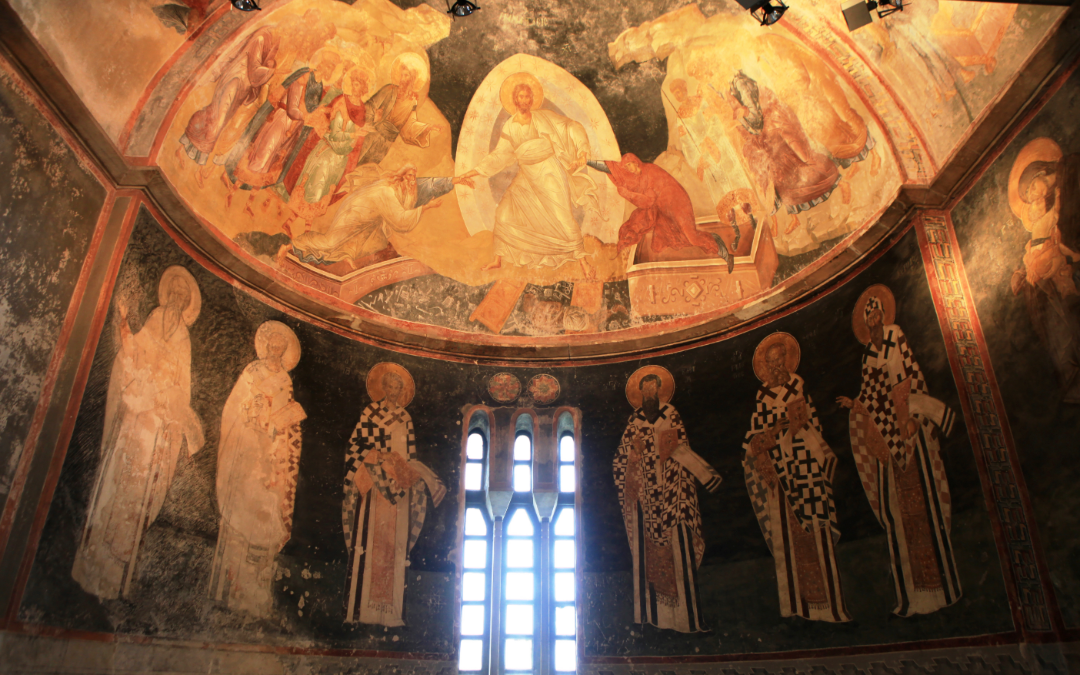
Mosaics and frescoes were prominent artistic forms during Byzantine rule in Sicily. Byzantine mosaics, crafted using small pieces of colored glass or stone, adorned the walls and ceilings of churches and other important buildings. Frescoes, which are paintings done on wet plaster, depicted religious scenes and figures, adding to the artistic grandeur of Byzantine-influenced structures.
Influence on Islamic and Norman Architecture
The Byzantine architectural style in Sicily also influenced subsequent Islamic and Norman architecture. When the Arabs and Normans later ruled over Sicily, they incorporated Byzantine architectural elements into their own distinctive styles. This fusion of Byzantine, Islamic, and Norman styles resulted in the unique architectural heritage of Sicily that exists to this day.
Language and Literature
Greek Language and Its Influence
The Byzantine Empire was predominantly Greek-speaking, and this linguistic influence extended to Sicily during its rule. Greek became an important language for administrative, cultural, and intellectual purposes. It influenced the development of the Sicilian Greek dialect, which continued to be spoken in certain areas of Sicily until modern times.
Translation and Preservation of Ancient Greek Texts
The Byzantines were known for their dedication to preserving ancient texts, particularly those written in Greek. During their rule in Sicily, Byzantine scholars translated and preserved numerous ancient Greek texts related to philosophy, science, and literature. This intellectual endeavor contributed to the preservation and dissemination of Greek knowledge throughout Sicily.
Byzantine Influence on Sicilian Poetry and Literature
Byzantine influence on Sicilian literature can be seen in the development of poetic traditions. Poetry played an important role in Byzantine culture, and Sicilian poets adopted Byzantine poetic styles and themes. The Byzantine influence added depth and complexity to Sicilian poetry, creating a unique blend of Greek, Arab, and Norman literary traditions.
Trade and Economic Influence
Byzantine Trade Routes and Sicily
As a part of the Byzantine Empire, Sicily benefited from its well-established trade routes. The Byzantines maintained a robust network of trade routes connecting Europe, the Mediterranean, and the Near East. Sicily served as a vital link in this network, facilitating the flow of goods, ideas, and cultural influences between regions.
Impact on Sicilian Economy
Byzantine rule in Sicily had a significant impact on the island’s economy. The Byzantines introduced new agricultural practices, such as terraced farming and crop rotation, which improved agricultural productivity. They also encouraged the production of high-quality goods, including textiles, ceramics, and metalwork. This economic development contributed to the prosperity of Sicily and its integration into the broader Byzantine economic system.
Introduction of Byzantine Agricultural Practices
Byzantine agricultural practices, such as the cultivation of citrus fruits, olives, and grapes, were introduced to Sicily during this period. These practices not only enhanced agricultural productivity but also influenced Sicilian cuisine and the island’s culinary traditions. The cultivation of citrus fruits, in particular, became a defining feature of Sicilian agriculture and cuisine.
Byzantine Influence on Sicilian Cuisine
Introduction of New Ingredients and Cooking Techniques
Byzantine influence on Sicilian cuisine was significant and enduring. Byzantine traders and settlers brought new ingredients, spices, and cooking techniques to the island. They introduced ingredients such as almonds, raisins, spices, and honey, which became staples of Sicilian cuisine. Byzantine cooking techniques, such as preserving food through drying and fermenting, also influenced Sicilian culinary practices.
Byzantine Influence on Sicilian Sweets and Pastries
One of the most noticeable legacies of Byzantine influence on Sicilian cuisine is the wide variety of sweets and pastries. Byzantine culinary traditions, particularly in the use of honey, nuts, and spices, shaped the development of Sicilian sweets. Iconic Sicilian desserts such as cannoli, cassata, and almond pastries are direct descendants of Byzantine culinary heritage.
Legacy of Byzantine Culinary Traditions
The Byzantine culinary traditions continued to evolve and merge with other influences in Sicilian cuisine throughout history. The Arab and Norman conquests added further layers of flavors and techniques to the culinary repertoire. Today, Sicilian cuisine stands as a testament to the rich and diverse culinary heritage shaped by Byzantine influences.
Language and Cultural Legacies
Survival and Evolution of Greek Language in Sicily
The Byzantine influence on language left a lasting impact on Sicily, particularly in the survival and evolution of the Greek language on the island. While Greek was never universally spoken in Sicily, Sicilian Greek dialects developed in certain regions and communities. The influence of Byzantine Greek can still be heard in the linguistic nuances of certain Sicilian dialects today.
Byzantine Influence on Sicilian Folklore and Traditions
Byzantine influences permeated Sicilian folklore and traditional practices. Religious festivals, folkloric dances, and traditional costumes in Sicily reflect a blend of Byzantine, Norman, and Arab cultural legacies. The Byzantines contributed to the preservation and adaptation of ancient mythologies and tales, which became integral parts of Sicilian folklore.
Legacy of Byzantine Art and Architecture in Sicilian Culture
Byzantine art and architecture continue to shape the cultural fabric of Sicily. The exquisite mosaics, frescoes, and architectural features introduced by the Byzantines left a profound impact on Sicilian artistic expressions. Their influence is evident in the masterpieces found in historical sites, churches, and museums throughout the island.
End of Byzantine Influence in Sicily
Norman Conquest and Byzantine Decline
The Byzantine Empire’s influence in Sicily began to decline with the Norman conquest in the 11th century. The Normans, led by Roger I, gradually gained control over Sicily, eventually establishing the Kingdom of Sicily. The Norman conquest marked the end of Byzantine political and cultural dominance on the island.
Transition to Arab Rule
Following the Norman conquest, Sicily experienced a period of Arab rule. The Arabs brought their own cultural and architectural influences, further shaping Sicily’s identity. However, traces of Byzantine influence still persisted, blending with Arab and Norman elements to create a unique fusion of cultural expressions.
Byzantine Legacy in Norman-Sicilian Kingdom
Although the Byzantine Empire’s direct influence waned, its legacy continued to thrive during the Norman-Sicilian Kingdom. The Normans adopted and adapted Byzantine administrative practices, artistic styles, and cultural traditions. The Byzantine heritage became interwoven with the emerging Norman culture, contributing to the kingdom’s rich and diverse character.
Modern Day Recognition of Byzantine Influences
Archaeological Sites and Byzantine Heritage in Sicily
Sicily’s rich Byzantine heritage is recognized through its numerous archaeological sites and historical landmarks. Sites such as the Monreale Cathedral, Cefalù Cathedral, and the mosaics of Villa Romana del Casale showcase the enduring legacy of Byzantine art and architecture in Sicily. These sites attract tourists and scholars alike, offering glimpses into the island’s Byzantine past.
Byzantine Artifacts and Museums
Museums in Sicily, including the Regional Archaeological Museum of Palermo, house a wealth of Byzantine artifacts. These relics, including mosaics, ceramics, coins, and jewelry, provide insights into the daily life, artistry, and material culture of Byzantine-era Sicily. They are treasured cultural assets, preserving the memory of Byzantine influences for future generations.
Byzantine Festivals and Cultural Events
Byzantine influences are celebrated through various festivals and cultural events in Sicily. Festivals honoring Byzantine traditions and musical performances, inspired by Byzantine melodies, showcase the enduring spirit of Byzantine culture. These events provide platforms for artists, musicians, and researchers to share and promote the legacy of Byzantine influences in Sicily.
In conclusion, the Byzantine influences in Sicily have left an indelible mark on the island’s art, architecture, religion, language, literature, cuisine, and cultural traditions. The Byzantine Empire’s rule in Sicily shaped the island’s identity, creating a unique fusion of cultural influences that can still be experienced and appreciated today. From the architectural grandeur of Byzantine churches to the delectable flavors of Sicilian pastries, Byzantine contributions are interwoven into the tapestry of Sicilian history and culture. Exploring the Byzantine influences in Sicily is akin to stepping into a time machine, experiencing the rich heritage that has shaped this captivating island.
 English