
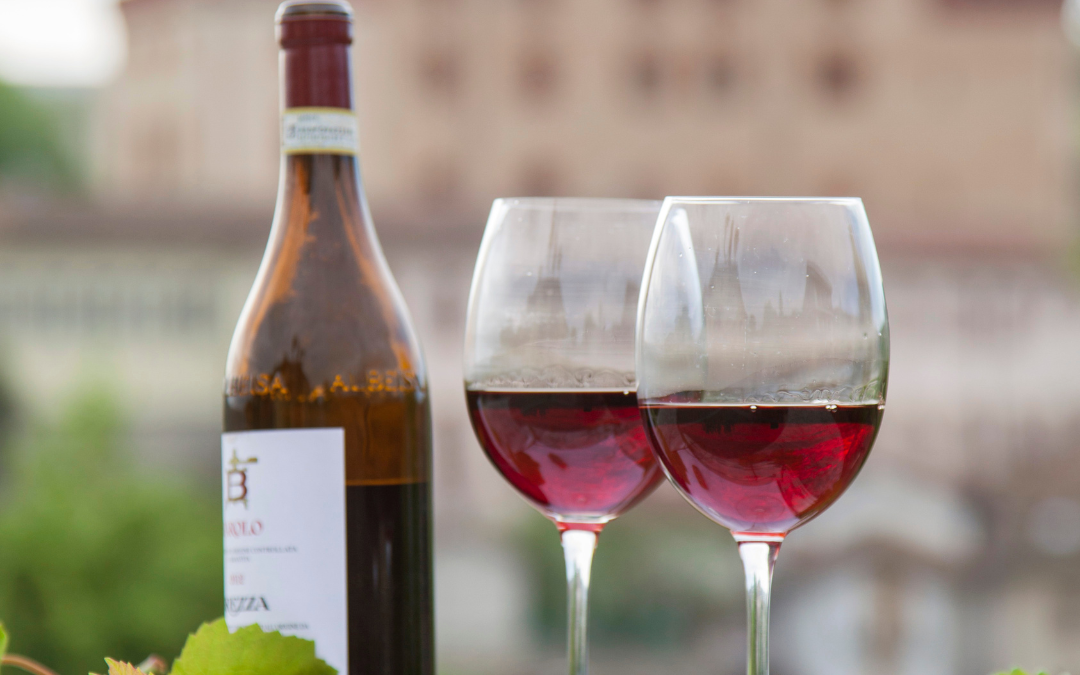
Now, let me take you on a journey through the rolling hills of Piedmont, where the vineyards of Barolo stretch as far as the eye can see. This esteemed red wine, often referred to as the “king of wines,” has a rich history and a powerful character that captivates wine enthusiasts across the globe. With its deep ruby color, intense aromas of cherries and truffles, and velvety tannins, Barolo embodies the essence of Italian winemaking excellence. Whether you’re a seasoned oenophile or simply curious about the world of fine wines, a glass of Barolo is sure to transport you to the heart and soul of Italy.
Introduction
Welcome to the world of Barolo, Italy’s “king of wines.” In this article, we will take you on a comprehensive journey through the history, production process, characteristics, and more of this prestigious wine. From its origin and early winemaking traditions to its recognition as one of the finest wines in the world, Barolo has a story that is as captivating as the land it comes from. So sit back, relax, and join us as we explore the fascinating world of Barolo.
History
Origin of Barolo
Barolo has its roots in the stunning region of Piedmont, located in the northwest of Italy. It is believed that Barolo as we know it today originated in the early 19th century, thanks to the innovative winemaking techniques of a man named Marchese Carlo Tancredi Falletti. Falletti had a vision of creating a wine that would rival the great red wines of France, and thus, Barolo was born.
Early winemaking traditions
Before Falletti’s revolutionary winemaking practices, the Nebbiolo grape, which is the cornerstone of Barolo, had long been cultivated in the region. However, it was primarily used to produce lighter wines. Falletti, inspired by the wines of Bordeaux, decided to age the Nebbiolo wine in large wooden casks, resulting in a wine with greater depth, structure, and aging potential. This marked the beginning of a new era for Barolo.
Recognition as a prestigious wine
Barolo’s rise to prominence as a prestigious wine came in the late 19th century, when it won several prestigious awards and garnered international recognition. The wines from the small village of Barolo caught the attention of the French, who compared it to the renowned wines of Burgundy. This recognition further solidified Barolo’s status as a wine of exceptional quality and set the stage for its continued success in the years to come.
Production Process
Grape varieties used
The primary grape variety used in the production of Barolo is Nebbiolo. This noble grape is known for its thick skin, high acidity, and bold tannins. The Nebbiolo grape thrives in the specific climate and terroir of Barolo, which contributes to the distinct characteristics of the wine. While Nebbiolo is the star of the show, small proportions of other local grape varieties, such as Barbera and Dolcetto, may also be blended in certain instances to add complexity and balance.
Climate and terroir
The climate and terroir of the Barolo region play a crucial role in shaping the character of the wine. The area experiences a continental climate with hot summers and cold winters, creating a stark diurnal temperature variation that allows the grapes to ripen slowly while retaining freshness and acidity. The soils in Barolo are rich in clay and limestone, providing excellent drainage and imparting minerality to the wine. These unique environmental factors contribute to the elegance, structure, and longevity of Barolo.
Vinification techniques
The vinification process for Barolo begins with the harvest of the Nebbiolo grapes, usually in late September or early October. The grapes are carefully hand-picked and sorted to ensure only the highest quality fruit makes its way into the fermentation tanks. Traditional winemaking techniques are typically employed, including a long maceration period to extract color, tannins, and flavors from the grape skins. Fermentation takes place in large wooden or stainless steel tanks, where the wine undergoes a transformation.
Aging process
One of the distinguishing features of Barolo is its extensive aging process. After the fermentation is complete, the wine is transferred to large oak casks, typically made of Slovenian or French oak, for aging. The wine must be aged for a minimum of three years, of which at least two years must be in the wood. Barolo Riserva, a premium category of Barolo, requires a minimum of five years of aging. This extended aging allows the wine to develop complexity, soften its tannins, and reveal its full potential.
Characteristics
Appearance
Barolo is a wine that commands attention right from the moment it pours into the glass. It displays a deep garnet color with a slight orange hue, which is often referred to as “brick” or “onion skin.” The intense color of Barolo is a result of its extended maceration period and aging process. It is worth noting that the appearance of Barolo can evolve over time, with younger wines exhibiting a more vibrant ruby color, while older vintages tend to display more amber tones.
Aroma
The aroma of Barolo is a complex symphony of scents that can transport you to the vineyards of Piedmont. On the nose, you can expect to find a captivating array of red fruits, such as cherries and raspberries, along with floral notes of roses and violets. As the wine ages, these primary aromas transform into more tertiary aromas of dried fruit, leather, truffles, and tobacco. The aromatic profile of Barolo is as intriguing as its history, inviting you to take a deeper dive into its layers of fragrance.
Flavor profile
When it comes to the flavor profile of Barolo, prepare your palate for a harmonious blend of fruit, earth, and spice. The Nebbiolo grape delivers a core of red fruit flavors, including cherries and plums, accompanied by hints of licorice and herbs. The wine’s aging process imparts secondary flavors of tobacco, tar, and balsamic notes, contributing to its complexity. Barolo’s fine tannins and high acidity provide structure and balance, creating a wine that is simultaneously powerful and elegant.
Structure and aging potential
Barolo is renowned for its robust structure and exceptional aging potential. The wine’s firm tannins give it a solid backbone, allowing it to develop and evolve over time. In its youth, Barolo can be quite a powerhouse, with its tannins and acidity lending it a certain austerity. However, with patience and proper aging, Barolo transforms into a wine of unparalleled finesse, with its tannins mellowing and its flavors harmonizing. Some of the greatest Barolos can age gracefully for decades, rewarding those who cellar them with an extraordinary tasting experience.
Barolo Zones
Barolo DOCG regulations
The production of Barolo is governed by strict regulations, known as Denominazione di Origine Controllata e Garantita (DOCG) guidelines. These regulations outline specific requirements regarding grape varieties, vineyard sites, winemaking practices, aging, and labeling. The Barolo DOCG regulations ensure that the wine meets the highest quality standards and maintains its distinct regional identity.
Different communes and their distinct characteristics
The Barolo region is divided into different communes, each with its unique characteristics and wine styles. The five main communes are Barolo, La Morra, Castiglione Falletto, Monforte d’Alba, and Serralunga d’Alba. Barolo, the namesake commune, is known for its expressive and elegant wines. La Morra produces wines that are often described as ethereal and fragrant. Castiglione Falletto is celebrated for its powerful and concentrated wines. Monforte d’Alba offers wines that combine structure with finesse, while Serralunga d’Alba produces robust and age-worthy Barolos.
Notable vineyards and producers
Within these communes, there are specific vineyards that have achieved legendary status for their exceptional quality and expression. Vineyards such as Cannubi, Brunate, and Rocche di Castiglione are highly sought-after for their unique terroir and ability to produce outstanding Barolo. Likewise, there are numerous acclaimed producers that have consistently showcased the best of Barolo, including Giacomo Conterno, Bartolo Mascarello, and Bruno Giacosa. Exploring the various vineyards and producers in the Barolo region is a fascinating journey in itself.
Pairing and Serving
Traditional food pairings
Barolo is a wine that demands equally bold and flavorful food pairings. In its youth, the wine’s firm tannins and acidity make it an excellent companion for rich, hearty dishes such as braised beef, game meats, and aged cheeses. As Barolo ages and its tannins soften, it becomes a wonderful accompaniment to more delicate dishes like truffle risotto, roasted poultry, and mushroom-based dishes. Traditional Piedmontese cuisine, with its emphasis on rich sauces, truffles, and savory flavors, provides an ideal match for the regal Barolo.
Decanting and serving temperatures
To fully appreciate the nuances and complexities of Barolo, it is often recommended to decant the wine before serving. Decanting allows the wine to breathe, releasing its aromas and softening any harsh edges. Younger Barolos may benefit from a few hours of decanting, while older vintages may require less time. As for serving temperatures, Barolo is best enjoyed slightly below room temperature, around 60-65°F (15-18°C). This allows the wine’s flavors and aromas to be fully expressed, while still maintaining a refreshing coolness.
Glassware recommendations
The right glassware can enhance the experience of tasting Barolo. Opt for large, tulip-shaped wine glasses with a wide bowl and narrow rim. This shape helps to concentrate the aromas of the wine, allowing them to reach your nose as you sip. The large surface area of the bowl also enables the wine to come into contact with more oxygen, aiding in the release of its aromas and flavors. Investing in quality glassware designed specifically for red wines like Barolo can elevate your tasting experience to new heights.
Barolo Riserva
Definition and aging requirements
Barolo Riserva is a designation given to the highest quality and most age-worthy Barolos. To be labeled as Riserva, Barolo must be aged for a minimum of five years, with at least three years in wood. This extended aging period allows the wine to develop even greater complexity, depth, and finesse. Barolo Riserva is the pinnacle of Barolo production, representing the epitome of craftsmanship and the ultimate expression of the Nebbiolo grape.
Differences from regular Barolo
While regular Barolo already possesses exceptional quality and aging potential, Barolo Riserva takes it to the next level. The extended aging requirements for Barolo Riserva result in a wine that is even more refined and elegant. The tannins are further softened, the flavors become more integrated, and the aromatic profile evolves into a mesmerizing blend of tertiary aromas. Barolo Riserva is a wine for those seeking the utmost sophistication and complexity in their glass.
Notable Barolo Riserva producers
Several renowned producers excel in crafting exceptional Barolo Riserva wines. These producers, with their commitment to quality and tradition, have set the benchmark for Barolo Riserva. Names like Giuseppe Mascarello, Paolo Scavino, and Roberto Conterno are synonymous with excellence, producing Barolo Riserva wines that are highly sought after by collectors and connoisseurs alike. Exploring the offerings of these notable producers is sure to be a journey of discovery and appreciation.
Current Trends and Challenges
Exploration of new winemaking techniques
While tradition plays a vital role in the production of Barolo, there is also a growing interest in exploring new winemaking techniques. Some producers are experimenting with shorter maceration periods, different barrel types, and alternative fermentation methods to create wines that are more approachable and accessible in their youth. This trend allows for a broader range of styles and expressions of Barolo, catering to evolving consumer preferences.
Climate change and its impact on Barolo
Climate change is a pressing concern for winemakers around the world, and Barolo is no exception. Rising temperatures and changing weather patterns pose challenges for vineyard management and grape ripening. Winemakers are adapting by implementing sustainable practices, adjusting harvest dates, and exploring new vineyard sites that may be better suited to the changing climate. The goal is to preserve the unique character of Barolo while ensuring its continued production in the face of these environmental challenges.
Demand and market trends
Barolo’s reputation as a world-class wine has led to increased demand in the global market. As more wine enthusiasts discover the allure of Barolo, there is a growing interest in both new releases and aged vintages. This increased demand has affected the pricing and availability of Barolo, making it more challenging to access certain wines. As the market continues to evolve, it will be interesting to see how producers and enthusiasts navigate the delicate balance between preserving tradition and meeting consumer demand.
Visiting Barolo
Wine tourism in Barolo
For those who wish to immerse themselves in the world of Barolo, a visit to the region is a must. Wine tourism in Barolo offers an unforgettable experience, allowing visitors to explore the vineyards, taste the wines, and learn about the history and production process firsthand. Numerous wineries in the region welcome visitors for tours and tastings, providing a unique opportunity to witness the passion and craftsmanship that goes into every bottle of Barolo.
Top wineries and tasting experiences
Barolo is home to countless exceptional wineries, each with its distinct charm and winemaking philosophy. Some notable wineries that are highly recommended for a tasting experience include Marchesi di Barolo, Poderi Aldo Conterno, and Giuseppe Rinaldi. These wineries offer a range of tasting options, from introductory flights to in-depth vertical tastings, allowing visitors to explore the nuances and evolution of Barolo. A visit to these wineries promises an enriching and memorable encounter with the “king of wines.”
The Barolo Wine Museum
For those seeking a deeper understanding of Barolo’s history, culture, and winemaking traditions, a visit to the Barolo Wine Museum is a must. Located in the heart of the Barolo region, the museum takes visitors on a journey through the centuries, showcasing the evolution of Barolo and its significance in Italian wine history. From interactive exhibits to educational workshops, the Barolo Wine Museum offers a comprehensive and immersive experience that is sure to captivate wine enthusiasts of all levels.
Conclusion
As we conclude our comprehensive exploration of Barolo, it’s clear that this wine embodies the rich heritage and indomitable spirit of the Piedmont region. From its humble origins to its well-deserved status as one of the world’s greatest wines, Barolo has an enduring allure that captivates wine lovers and collectors alike. Whether you’re savoring a glass at a prestigious tasting or experiencing the magic of the Barolo region firsthand, this “king of wines” promises a journey of discovery and appreciation that will leave a lasting impression. So raise your glass to Barolo, a wine that truly reigns supreme. Cheers!
 English