
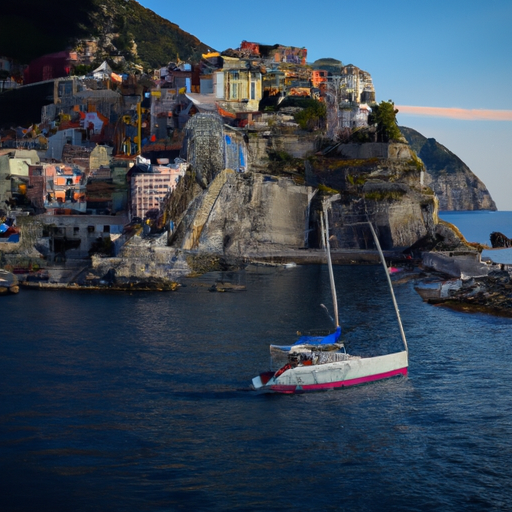
Imagine the wind in your hair, the smell of sea salt in the air, and the gentle sway of the boat beneath your feet. Sailing around the Italian Riviera is a dreamy adventure that combines the stunning beauty of the coastline with the rich cultural heritage of this captivating region. From the colorful villages of the Cinque Terre to the glamorous resorts of Portofino and the picturesque harbors of Santa Margherita Ligure, every stop along the way offers a unique blend of history, charm, and Mediterranean flair. So hop on board and let the magic of the Italian Riviera transport you to a world where time seems to stand still, and the beauty of the surroundings takes your breath away.
Overview of the Italian Riviera
Introduction to the Italian Riviera
The Italian Riviera, also known as the Ligurian Riviera, is a picturesque stretch of coastline along the northwest coast of Italy. It encompasses the region of Liguria and is famous for its stunning beaches, colorful cliffside villages, and vibrant culture. The Italian Riviera is a popular destination for sailing enthusiasts, as it offers breathtaking views, charming coastal towns, and a wide range of activities and attractions.
Geographical location and highlights
The Italian Riviera extends from the French border to Tuscany, covering an area of approximately 330 kilometers. It is divided into two main sections: the Riviera di Ponente (the coast of the setting sun) and the Riviera di Levante (the coast of the rising sun). The Riviera di Ponente is known for its sandy beaches, while the Riviera di Levante is characterized by its rugged cliffs and crystal-clear waters.
One of the most iconic geographical highlights of the Italian Riviera is the Cinque Terre, a collection of five charming fishing villages set amidst steep terraced hills. Other highlights include the exclusive resort towns of Portofino and Santa Margherita Ligure, the historic city of Genoa, and the stunning Gulf of La Spezia.
Popular cities and ports along the Italian Riviera
The Italian Riviera is dotted with a variety of cities and ports that offer unique experiences to visitors. Here are some of the most popular ones:
Genoa: As the largest city in Liguria, Genoa is a metropolis brimming with history and culture. It is home to several museums, including the Genoa Maritime Museum and the Galata Sea Museum, where you can learn about the city’s maritime heritage. The Old Town, a UNESCO World Heritage site, is a labyrinth of narrow alleys, charming squares, and medieval architecture.
Cinque Terre: Comprised of five colorful villages – Monterosso al Mare, Vernazza, Corniglia, Manarola, and Riomaggiore – the Cinque Terre is a must-visit destination for any traveler to the Italian Riviera. The villages are connected by hiking trails that offer stunning panoramic views of the coastline.
Portofino: Known for its luxury yachts and upscale boutiques, Portofino is a glamorous destination frequented by the rich and famous. The charming harbor, lined with pastel-colored buildings, is a sight to behold.
Santa Margherita Ligure: Located just a short distance from Portofino, Santa Margherita Ligure is a quieter and more relaxed town. It is known for its beautiful Belle Epoque villas, picturesque harbor, and fantastic seafood restaurants.
Planning Your Sailing Trip
Best time to sail the Italian Riviera
The best time to sail the Italian Riviera is during the summer months, from June to September. During this time, the weather is warm and sunny, ideal for exploring the coastline and enjoying water activities. The water temperature is also suitable for swimming, snorkeling, and diving. However, it’s worth noting that the summer months can be crowded, so it’s advisable to book your accommodation and marina berths in advance.
Choosing the right boat and crew
When planning a sailing trip along the Italian Riviera, it’s important to choose the right boat and crew. Depending on your experience and preferences, you can opt for a bareboat charter, where you sail the boat yourself, or a crewed charter, where you have a professional crew to take care of the navigation.
There are various types of boats available for charter, including sailboats, catamarans, and motor yachts. Consider factors such as the number of people in your group, your budget, and the type of sailing experience you’re looking for. It’s also essential to ensure that the boat is in good condition and well-equipped for your needs.
Required documents and permits
Before setting sail in the Italian Riviera, it’s important to have the necessary documents and permits. As a non-Italian citizen, you will need a valid passport and may require a visa, depending on your nationality. It’s advisable to check the visa requirements before traveling to Italy.
Additionally, if you’re operating the boat yourself, you will need a skipper’s license or sailing certification, depending on the size and type of vessel. It’s also important to familiarize yourself with the local regulations and rules of navigation to ensure a safe and enjoyable experience.
Navigating the Ligurian Sea
Understanding the winds and currents
The Ligurian Sea, part of the Mediterranean Sea, is influenced by various wind patterns and currents. The prevailing winds in the area are the Mistral, a northwesterly wind, and the Sirocco, a southeasterly wind. The Mistral is characterized by its strength and can create challenging sailing conditions, while the Sirocco brings warmer temperatures and humid conditions.
It’s important to understand the wind patterns and plan your sailing routes accordingly. The Mistral wind is more prevalent in the western part of the Italian Riviera, while the Sirocco is more common in the eastern part. It’s advisable to consult weather forecasts and local experts for up-to-date information on wind conditions before setting sail.
Safe navigation tips
When navigating the Ligurian Sea, it’s essential to prioritize safety and follow maritime regulations. Here are some tips for safe navigation along the Italian Riviera:
- Plan your routes and have a clear understanding of the coastal geography and navigation markers.
- Keep a lookout for other vessels, especially in busy areas and near ports.
- Monitor weather conditions and heed any warnings or advisories.
- Maintain a safe distance from the shoreline and be aware of any shallow areas or underwater obstacles.
- Ensure that you have the necessary safety equipment on board, including life jackets, flares, and a first aid kit.
- Familiarize yourself with emergency procedures and contact information for local port authorities in case of any emergencies.
Must-visit islands and coastal attractions
While sailing along the Italian Riviera, there are several islands and coastal attractions that are worth exploring. Here are some highlights:
Palmaria Island: Located in the Gulf of La Spezia, Palmaria Island offers pristine beaches, secluded coves, and scenic hiking trails. It is part of the Palmaria Archipelago and is a popular destination for nature lovers and outdoor enthusiasts.
Elba Island: Known for its natural beauty and historical significance, Elba Island is a gem in the Tuscan Archipelago. It offers a variety of anchorages and beaches, ideal for swimming and sunbathing. The island is also famous for being the place of exile for Napoleon Bonaparte, and you can visit his former residences and museums.
Giglio Island: Located off the coast of Tuscany, Giglio Island is known for its crystal-clear waters and picturesque landscapes. It offers excellent snorkeling and diving opportunities, with an abundance of marine life and submerged shipwrecks to explore.
Exploring the Cinque Terre
Introduction to the Cinque Terre
The Cinque Terre, meaning “Five Lands,” is a scenic coastal region in the Italian Riviera. It consists of five colorful and charming towns: Monterosso al Mare, Vernazza, Corniglia, Manarola, and Riomaggiore. The Cinque Terre is a UNESCO World Heritage site and is renowned for its stunning cliffs, vineyards, and hiking trails.
Each town in the Cinque Terre offers its own unique atmosphere and attractions. Monterosso al Mare is known for its beautiful sandy beaches, while Vernazza boasts a picturesque harbor surrounded by colorful houses. Corniglia is perched on top of a cliff, providing panoramic views of the sea, while Manarola and Riomaggiore are famous for their vibrant and colorful buildings.
Hiking and walking trails between the five towns
One of the best ways to explore the Cinque Terre is by hiking or walking along the scenic trails that connect the five towns. The most famous trail is the Sentiero Azzurro, or the Blue Path, which stretches for approximately 12 kilometers and offers breathtaking views of the coastline.
Other popular trails include the Sentiero Rosso, which takes you through the terraced vineyards and olive groves of Corniglia, and the Via dell’Amore, a romantic path between Riomaggiore and Manarola. It’s essential to wear comfortable shoes and carry plenty of water and sunscreen when hiking in the Cinque Terre.
Local cuisine and specialties to try
No visit to the Cinque Terre is complete without indulging in the delicious local cuisine. The region is known for its seafood dishes, fresh pesto, and local wines. Some popular dishes to try include:
Trofie al Pesto: Trofie is a type of small, twisted pasta, typically served with a creamy, basil-based pesto sauce. It’s a signature dish of the region and is a must-try for pesto lovers.
Focaccia: Ligurian focaccia is a fluffy and savory bread, topped with olive oil, sea salt, and various toppings such as olives or onions. It’s a popular snack or appetizer in the Cinque Terre.
Anchovies: The Ligurian coast is famous for its anchovies, which are often served marinated in vinegar or olive oil. They can be enjoyed as an antipasto or as a topping on pizza or pasta dishes.
Sciacchetrà: This sweet dessert wine is produced in the Cinque Terre region and pairs perfectly with local desserts such as biscotti or almond cakes. It’s a great way to end a meal on a sweet note.
Discovering Portofino and Santa Margherita Ligure
Overview of Portofino and Santa Margherita Ligure
Portofino and Santa Margherita Ligure are two idyllic towns located in the Ligurian region of the Italian Riviera. Both towns are renowned for their natural beauty, exclusive resorts, and picturesque harbors. They offer a perfect blend of luxury, relaxation, and Mediterranean charm.
Portofino is a small fishing village that has become a popular destination for the jet-set crowd. Its pastel-colored buildings, luxury yachts, and upscale boutiques attract visitors from around the world. Santa Margherita Ligure, on the other hand, is a more laid-back town with a relaxed atmosphere and a beautiful palm-lined waterfront.
Yacht clubs and marinas in the area
Portofino and Santa Margherita Ligure are both well-equipped with marinas and yacht clubs to cater to the sailing community. Here are some notable ones:
Portofino Marina: Located in the heart of Portofino, the marina offers berths for yachts of various sizes. It provides easy access to the town’s shops, restaurants, and attractions.
Santa Margherita Ligure Marina: Situated in the charming bay of Santa Margherita Ligure, the marina offers berthing facilities and services for sailors. It provides a convenient base for exploring the town and the surrounding areas.
Yacht Club Italiano: Founded in 1879, the Yacht Club Italiano is one of the oldest yacht clubs in the Mediterranean. It is located in Genoa and offers a wide range of services, including berthing facilities, sailing courses, and social events.
Top attractions and activities in each town
Portofino and Santa Margherita Ligure offer a variety of attractions and activities for visitors to enjoy. Here are some highlights:
In Portofino:
- Visit Castello Brown, a historic fortress that offers panoramic views of the town and the coastline.
- Explore the beautiful underwater world by snorkeling or diving in the Marine Protected Area of Portofino.
- Take a leisurely stroll along the Promontory of Portofino, enjoying the scenic views and the fragrance of flowers.
In Santa Margherita Ligure:
- Relax on the beautiful sandy beaches, such as Paraggi Beach or Santa Margherita Beach.
- Visit the stunning Villa Durazzo, a Baroque-style palace surrounded by lush gardens.
- Take a boat excursion to the nearby Abbey of San Fruttuoso, an ancient monastery nestled in a secluded bay.
The Charm of Genoa
Genoa’s historical significance and attractions
Genoa, the capital of Liguria, is a city with a rich historical significance and a plethora of attractions. It is known as the birthplace of Christopher Columbus and was once a powerful maritime republic. The city is steeped in history and offers a fascinating glimpse into its illustrious past.
Some of the must-visit attractions in Genoa include the Palazzo Reale, a grand royal palace that showcases opulent interiors and art collections. The Genoa Cathedral, dedicated to St. Lawrence, is another architectural marvel worth exploring. The St. George’s Palace and the Genoa Aquarium are also popular among visitors.
Exploring the Old Town
The Old Town of Genoa, also known as the “La Superba” or the “Superb One,” is a UNESCO World Heritage site. It is a maze of narrow alleyways, historic buildings, and bustling squares. The unique charm of the Old Town lies in its medieval architecture, hidden courtyards, and vibrant street life.
Explore the caruggi, the narrow streets of the Old Town, which are lined with boutiques, cafes, and trattorias. Visit the Piazza de Ferrari, the main square, dominated by the grand Fountain of Neptune. The Via Garibaldi, a street lined with magnificent palaces, is another highlight of the Old Town.
Gastronomic delights in Genoa
Genoa is a food lover’s paradise, offering a wide array of traditional Ligurian dishes and culinary delights. Here are some gastronomic treasures to try in Genoa:
Pesto alla Genovese: Genoa is the birthplace of pesto, a fragrant sauce made of basil, pine nuts, garlic, olive oil, and Parmesan cheese. Try it tossed with fresh pasta or spread on bread for a delicious snack.
Focaccia Genovese: Genoa’s version of focaccia, called focaccia Genovese, is soft and fluffy, topped with olive oil and sea salt. It is often enjoyed as a snack or as a side dish.
Farinata: Farinata is a savory pancake made with chickpea flour, olive oil, and salt. It is a popular street food in Genoa and is served hot and crispy.
Trofie al Pesto: Trofie, a type of pasta, is often served with pesto Genovese, creating a classic and delicious combination.
Don’t forget to pair your meals with a glass of local Ligurian wine, such as Vermentino or Pigato, for a complete dining experience.
Sailing to the Gulf of La Spezia
Overview of the Gulf of La Spezia
The Gulf of La Spezia, also known as the Poet’s Gulf, is a breathtakingly beautiful stretch of coastline located in the eastern part of the Italian Riviera. It is characterized by its rugged cliffs, crystal-clear waters, and charming coastal towns. The Gulf is often referred to as the “Gulf of Poets” due to its association with famous poets such as Lord Byron and Percy Shelley.
Visiting the picturesque towns of Lerici and Portovenere
Lerici and Portovenere are two picturesque towns located in the Gulf of La Spezia, each offering its own unique charm.
Lerici is a colorful coastal town known for its sandy beaches, medieval castle, and charming historic center. Take a stroll along the promenade lined with palm trees, enjoy some gelato, and soak in the relaxed atmosphere. You can also visit the Castle of Lerici, a fortress perched on a hilltop, offering panoramic views of the town and the surrounding sea.
Portovenere, a UNESCO World Heritage site, is a gem of the Italian Riviera. Its pastel-colored houses, narrow streets, and scenic harbor make it a postcard-perfect destination. Explore the historic center, visit the Church of St. Peter, and take a boat excursion to the nearby Palmaria Island, renowned for its natural beauty and hiking trails.
Exploring the nearby Palmaria Island
Palmaria Island, located in the Gulf of La Spezia, is a hidden gem that is well worth exploring. It is the largest island in the Palmaria Archipelago and is known for its pristine beaches, crystal-clear waters, and untouched natural beauty.
The island offers several hiking trails that take you through lush Mediterranean vegetation and offer stunning panoramic views of the coastline. You can also relax on one of the secluded beaches or take a dip in the turquoise waters. Don’t miss the chance to visit the Blue Grotto, a sea cave known for its mesmerizing blue hues.
The Enchanting Island of Elba
Introduction to the island of Elba
Elba Island, located off the coast of Tuscany, is the largest island in the Tuscan Archipelago. It is famous for its natural beauty, crystal-clear waters, and historical significance. Elba Island offers a unique blend of beaches, mountains, and picturesque towns, making it a paradise for nature lovers and history enthusiasts alike.
Best anchorages and beaches
Elba Island is blessed with numerous anchorages and beautiful beaches, allowing visitors to enjoy the sun, sea, and sand. Here are some notable anchorages and beaches to explore:
Marina di Campo: Located on the southern coast of Elba, Marina di Campo offers a well-equipped marina and a beautiful sandy beach. It’s a popular destination for water sports such as sailing, windsurfing, and kayaking.
Fetovaia: Considered one of the most beautiful beaches on Elba Island, Fetovaia boasts fine white sand, crystal-clear waters, and stunning surrounding cliffs. It is an ideal spot for swimming, snorkeling, and sunbathing.
Portoferraio: The capital of Elba Island, Portoferraio, offers several anchorages, including the Darsena Medicea and the Cala dei Frati. The town itself is steeped in history and offers a variety of attractions, including the Villa dei Mulini, Napoleon’s former residence.
Sant’Andrea: Situated on the western coast of Elba, Sant’Andrea is a small fishing village known for its scenic beach and crystal-clear waters. It’s a great spot for snorkeling and diving, as the area is rich in marine life and underwater caves.
Historical sites and Napoleon’s presence on the island
Elba Island is famous for being the place of exile for Napoleon Bonaparte in 1814-1815. During his time on the island, Napoleon left a lasting mark, which can still be seen today. Some key historical sites associated with Napoleon on Elba Island include:
Villa dei Mulini: Located in Portoferraio, Villa dei Mulini was Napoleon’s main residence during his stay on Elba. It offers a fascinating insight into his life on the island and houses a museum dedicated to his exile.
Napoleon’s Bath: Situated in the Enfola Natural Park, Napoleon’s Bath is a natural rock pool where Napoleon is said to have bathed. It is a scenic spot surrounded by beautiful coastal landscapes.
San Martino: Located in the scenic hills above Portoferraio, the San Martino complex consists of a church and a museum. The museum showcases Napoleon’s personal effects and offers panoramic views of the island.
Exploring these historical sites allows visitors to delve into the fascinating history surrounding Napoleon’s exile on Elba Island.
Sailing to the Tuscan Archipelago
Overview of the Tuscan Archipelago
The Tuscan Archipelago is a group of seven islands located off the coast of Tuscany. It encompasses some of the most beautiful and unspoiled islands in the Mediterranean, offering a paradise for sailors and nature lovers. The archipelago is characterized by its crystal-clear waters, diverse marine life, and rugged natural landscapes.
Visiting the islands of Giglio and Giannutri
Giglio and Giannutri are two stunning islands in the Tuscan Archipelago, each offering its own unique charm.
Giglio Island is known for its picturesque landscapes, azure waters, and charming medieval town. Explore the narrow streets of Giglio Castello, the island’s historic center, and visit the imposing Giglio Castle. Don’t miss the chance to relax on the island’s beautiful beaches or explore the underwater world through snorkeling or diving.
Giannutri Island, on the other hand, is a small and peaceful island that is famous for its pristine beaches, clear waters, and rich marine life. It is a protected marine reserve, making it a perfect destination for snorkeling and diving enthusiasts. The island also offers scenic hiking trails that lead to viewpoints with panoramic views of the Mediterranean Sea.
Snorkeling and diving spots in the area
The Tuscan Archipelago is renowned for its excellent snorkeling and diving spots, thanks to its crystal-clear waters and diverse marine life. Here are some top spots to explore:
Cala dello Smeraldo (Emerald Cove): Located on Giannutri Island, the Cala dello Smeraldo is a hidden gem with clear turquoise waters and vibrant marine life. It’s an ideal spot for snorkeling and diving, as you’ll be able to spot an array of colorful fish, sea turtles, and beautiful coral formations.
Cala Maestra: Situated on Giglio Island, Cala Maestra is a secluded cove that offers excellent snorkeling and diving opportunities. Its crystal-clear waters reveal a vibrant underwater world teeming with marine life.
Secca del Papa: Located between Giglio and Giannutri Islands, the Secca del Papa is a submerged reef known for its rich biodiversity. It’s a popular spot for divers due to the presence of underwater caves, walls, and a variety of fish species.
Snorkeling and diving in the Tuscan Archipelago is an unforgettable experience, allowing you to discover the beauty of the underwater world and its fascinating inhabitants.
Final Thoughts and Recommendations
Tips for a memorable sailing experience along the Italian Riviera
Here are some tips to ensure a memorable sailing experience along the Italian Riviera:
- Plan your itinerary in advance, taking into account the distances between destinations and the prevailing wind and weather conditions.
- Familiarize yourself with local regulations and customs, respecting designated anchorage areas and fishing restrictions.
- Embrace the local culture and cuisine by trying traditional dishes and exploring the coastal towns and villages.
- Take time to relax and enjoy the stunning natural beauty of the Italian Riviera, including the crystal-clear waters and breathtaking sunsets.
- Be mindful of the environment and follow sustainable practices, reducing waste and avoiding damage to marine life and coastal ecosystems.
Recommended itineraries and routes
When planning your sailing trip along the Italian Riviera, here are some recommended itineraries and routes to consider:
Genoa – Cinque Terre – Porto Venere – Portofino – Genoa: This itinerary allows you to explore the highlights of the western part of the Italian Riviera, from the vibrant city of Genoa to the charming coastal towns of the Cinque Terre and the exclusive resort of Portofino.
La Spezia – Elba Island – Giglio Island – Giannutri Island – La Spezia: This route takes you to the stunning islands of the Tuscan Archipelago, allowing you to experience the unspoiled natural beauty and rich marine life of the region.
Santa Margherita Ligure – Portofino – Lerici – Portovenere – Santa Margherita Ligure: This itinerary combines the elegance and luxury of Santa Margherita Ligure and Portofino with the medieval charm of Lerici and the UNESCO World Heritage site of Portovenere.
Capturing the essence of the Italian Riviera through photography
The Italian Riviera offers numerous opportunities for capturing stunning photographs. Here are some tips for capturing the essence of the region through photography:
Take advantage of the golden hour: The soft, warm light during sunrise and sunset can add a special touch to your photographs, enhancing the colors and creating a magical atmosphere.
Experiment with different angles and perspectives: Don’t be afraid to get creative and try different angles and perspectives to capture unique shots. Look for interesting compositions, leading lines, and reflections in the water.
Capture the vibrancy of the coastal towns: The colorful facades, picturesque harbors, and charming streets of the coastal towns provide excellent subjects for vibrant and lively photographs. Capture the bustling street life, local shops, and the atmospheric cafes.
Showcase the natural beauty: The rugged cliffs, turquoise waters, and lush vegetation are integral parts of the Italian Riviera’s charm. Incorporate these natural elements into your photographs to showcase the region’s unique landscapes.
Document the local culture and traditions: Don’t forget to document the local culture and traditions through your photographs. Capture the vibrant markets, traditional festivals, and the friendly locals to add depth and authenticity to your visual storytelling.
With these tips in mind, immerse yourself in the beauty of the Italian Riviera and capture its essence through the lens of your camera.
In conclusion, sailing around the Italian Riviera offers a captivating and memorable experience. From the charming coastal towns to the breathtaking natural landscapes, the region is a paradise for sailors and adventure-seekers. Whether you choose to explore the colorful villages of the Cinque Terre, relax in the exclusive resorts of Portofino and Santa Margherita Ligure, or discover the historical significance of Genoa and the Gulf of La Spezia, the Italian Riviera will leave a lasting impression. The combination of stunning scenery, rich culture, and culinary delights makes the Italian Riviera a destination that truly captivates the heart and soul. So set sail, embrace the beauty of the Ligurian Sea, and create memories that will last a lifetime. Buon viaggio!
 English