
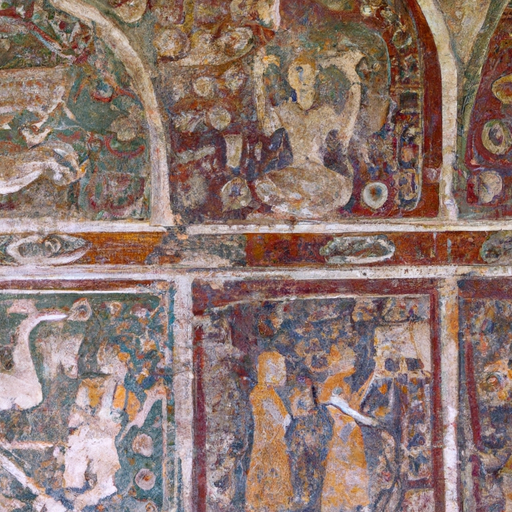
Nestled in the countryside of Lazio, Italy, lies the ancient town of Tarquinia. With its roots tracing back to the Etruscan civilization, this enchanting destination holds a treasure trove of history and culture. Venture beyond the bustling cities and picturesque landscapes, and you will discover an incredible underground city – an intricate network of Etruscan tombs. Step into this subterranean world and immerse yourself in the mysterious tales of Tarquinia’s past. From exquisitely painted frescoes to elaborate burial rituals, the Etruscan tombs of Tarquinia offer a captivating glimpse into a civilization that thrived thousands of years ago. Embark on a journey of exploration through these hauntingly beautiful tombs and unlock the secrets of Tarquinia’s ancient past.
Introduction to Tarquinia
Welcome to Tarquinia, a charming town located in the Lazio region of Italy. Known for its rich history and stunning archaeological sites, Tarquinia offers an incredible opportunity to explore the ancient Etruscan civilization. Just an hour’s drive from Rome, this hidden gem is a must-visit for history enthusiasts and those seeking a deeper understanding of Italy’s past.
The History of the Etruscan Civilization
Before we dive into the treasures of Tarquinia, it’s important to understand the significance of the Etruscan civilization. Flourishing from the 8th to the 3rd century BC, the Etruscans were a sophisticated and influential group of people who greatly influenced the development of ancient Italy. Their advanced culture, majestic cities, and intricate artwork left a lasting impact on the region.
The Etruscans were known for their achievements in engineering, art, and commerce, and they were one of the first people in Italy to develop a system of writing. Their civilization thrived in many Etruscan city-states, with Tarquinia being one of the most important centers. Today, the remnants of their culture can still be observed through the surviving artifacts and incredible tombs found in Tarquinia’s necropolis.
Tarquinia: The Necropolis
When exploring Tarquinia, one cannot miss the awe-inspiring necropolis, a vast underground city of tombs that speaks volumes about the Etruscan burial customs and beliefs. The necropolis, with its well-preserved frescoes and intricate architectural details, provides a unique glimpse into the Etruscan afterlife.
The Tarquinia necropolis is divided into several tomb complexes, each with its own distinct features and artistic style. These tombs were not just places for burial, but were also considered sacred spaces where the deceased could continue their journey into the afterlife. Let’s explore some of the most fascinating tombs that await you in Tarquinia.
The Etruscan Burial Customs
Before we delve into the specific tombs, it is essential to understand the burial customs of the Etruscans. Unlike other ancient civilizations, the Etruscans believed in the continuation of life after death. They viewed death as a natural part of the cycle, and their funerary practices reflected this belief.
The Etruscans placed great importance on the preservation of the body, with elaborate burial rituals designed to honor the deceased. The tombs were constructed to resemble small houses, complete with furniture, paintings, and personal belongings. These items were believed to accompany the deceased in the afterlife, ensuring their comfort and well-being.
Visiting the Tarquinia Necropolis
To explore the wonders of the Tarquinia necropolis, a visit to the Museo Archeologico Nazionale Tarquiniense is highly recommended. This museum houses a remarkable collection of Etruscan artifacts, including funerary urns, statues, and delicate gold jewelry. It provides valuable context and insight into the lives of the Etruscans and enhances the experience of exploring the tombs.
Once you have familiarized yourself with the Etruscan culture at the museum, it’s time to venture into the necropolis itself. Guided tours are available and highly recommended to fully appreciate the historical and artistic significance of these remarkable tombs.
The Tomb of the Augurs
One of the most impressive tombs in Tarquinia is the Tomb of the Augurs, named after the frescoes depicting Etruscan priests known as “augurs”. These frescoes provide a vivid depiction of Etruscan religious practices and rituals, showcasing the connection between the living and the spirits of the deceased.
The Tomb of the Augurs also features intricate architectural details, such as the representation of a false door, which served as a portal for the spirits to enter and exit the tomb. The craftsmanship and attention to detail in this tomb are truly remarkable and offer a glimpse into the artistic talents of the Etruscans.
The Tomb of the Shields and Chairs
Another remarkable tomb in Tarquinia is the Tomb of the Shields and Chairs. As the name suggests, this tomb is adorned with beautiful frescoes depicting shields and chairs, symbolizing the prestige and power of the deceased. The colors and intricate patterns on the walls bring the tomb to life, showcasing the Etruscans’ mastery of painting.
One particularly striking fresco in this tomb is a depiction of a banquet scene, offering a glimpse into Etruscan social and dining customs. The attention to detail in the figures’ clothing and the food displayed on the tables is truly remarkable and provides valuable insight into the daily life of the Etruscans.
The Tomb of the Lionesses
The Tomb of the Lionesses is another must-see attraction in Tarquinia. This tomb gets its name from the striking fresco depicting two majestic lionesses on the walls. The lions were revered in Etruscan culture as symbols of power and protection, and their presence in this tomb reflects the significance of the deceased.
The frescoes in the Tomb of the Lionesses also depict various scenes from daily life, such as musicians playing instruments and women engaged in domestic activities. The vibrant colors and intricate details make this tomb a true masterpiece of Etruscan art.
The Tomb of the Bulls
The Tomb of the Bulls is a fascinating burial site that showcases the Etruscan fascination with nature and animals. The frescoes in this tomb depict bulls, deer, and other animals, highlighting the importance of the natural world in Etruscan culture. The intricate detailing in these frescoes is truly remarkable and demonstrates the Etruscans’ skill in capturing the beauty of the animal kingdom.
The Tomb of the Bulls also features scenes from everyday life, such as agricultural activities and banquets. These frescoes provide a glimpse into the Etruscans’ agricultural practices and social gatherings, offering a holistic view of their civilization.
The Tomb of the Triclinium
The Tomb of the Triclinium is a captivating burial site that showcases the Etruscans’ love for feasting and celebration. The frescoes in this tomb depict elaborate banquets, with figures reclining on tricliniums (dining couches) and enjoying lavish meals. The intricate detailing on the walls brings these festive scenes to life, immersing visitors in the vibrant world of the Etruscans.
In addition to the banquet scenes, the Tomb of the Triclinium also features depictions of musicians, dancers, and acrobats, highlighting the importance of entertainment and performance in Etruscan society. The tomb serves as a testament to the Etruscans’ appreciation for the finer things in life.
The Tomb of the Leopards
The Tomb of the Leopards is another magnificent burial site that showcases the Etruscans’ artistic prowess. This tomb gets its name from the stunning fresco depicting two leopards attacking a deer. The powerful imagery of the leopards captures the Etruscans’ connection to the natural world and their belief in the cycle of life and death.
The frescoes in the Tomb of the Leopards also depict scenes of revelry and celebration. Figures engaged in dance and music convey the joyous spirit of the Etruscans and their love for festivities. The exquisite details and vibrant colors make this tomb a true testament to the artistic legacy of the Etruscans.
The Tomb of the Hunting and Fishing
As the name suggests, the Tomb of the Hunting and Fishing showcases the Etruscans’ reverence for the bounties of nature. The frescoes in this tomb depict scenes of hunting, fishing, and farming, highlighting the importance of these activities in Etruscan society. The attention to detail in these frescoes is exceptional, with figures capturing the movement and vitality of the natural world.
In addition to the hunting and fishing scenes, this tomb also showcases scenes of daily life, such as women engaged in weaving and men playing musical instruments. These frescoes provide valuable insight into the roles and activities of different members of Etruscan society and enhance our understanding of their culture.
The Tomb of the Blue Demons
The Tomb of the Blue Demons is a unique and mysterious burial site that captivates visitors with its haunting frescoes. The tomb gets its name from the depiction of blue-skinned demons on the walls, guarding the entrance to the afterlife. This tomb stands out for its darker and more enigmatic atmosphere, offering a different perspective on the Etruscan belief in the afterlife.
Despite its eerie ambiance, the frescoes in the Tomb of the Blue Demons showcase the Etruscans’ artistic talents. The figures are depicted with a skillful use of perspective, creating a sense of depth and dimension in the artwork. The tomb serves as a reminder that the Etruscans’ beliefs and traditions were as diverse as their art.
Preservation Efforts and Challenges
Preserving the ancient tombs of Tarquinia is no small feat. The delicate nature of the frescoes and the underground environment present unique challenges for conservationists. Efforts have been made to protect and restore these invaluable treasures, often involving a delicate balance between preservation and public access.
In recent years, technological advancements have played a crucial role in the preservation of the Etruscan tombs. Techniques such as non-invasive imaging and 3D modeling have allowed for a more comprehensive understanding of the tombs’ structures and artwork, while minimizing the need for physical intervention. These technologies have also aided in the interpretation and dissemination of the Etruscan legacy to a wider audience.
However, despite the preservation efforts, the tombs continue to face threats such as humidity, temperature fluctuations, and human activity. Striking a balance between tourism and conservation is an ongoing challenge. It is crucial that visitors respect the fragility of these sites and assist in their preservation by following all guidelines and regulations.
Conclusion and Reflections on the Etruscan Legacy
Exploring the Etruscan tombs of Tarquinia is an extraordinary journey into the heart of an ancient civilization. The intricate frescoes, remarkable architecture, and unique burial customs offer a glimpse into the lives and beliefs of the Etruscans. Each tomb tells a story, not only of the deceased but also of the vibrant and sophisticated society that thrived in ancient Italy.
The preservation of these tombs is essential to ensure that future generations can continue to appreciate and learn from the Etruscan legacy. As visitors, it is our responsibility to treat these historical treasures with the utmost respect and contribute to their preservation. Through our collective efforts, we can ensure that the stories of the Etruscans continue to be heard, celebrated, and cherished for years to come.
So, whether you are a history enthusiast, an art lover, or simply someone seeking a deeper connection to the past, Tarquinia’s Etruscan tombs offer an unforgettable experience. Step into the footsteps of ancient civilizations, immerse yourself in the vibrant world of the Etruscans, and let the whispers of the past guide you on an extraordinary journey through time.
 English