
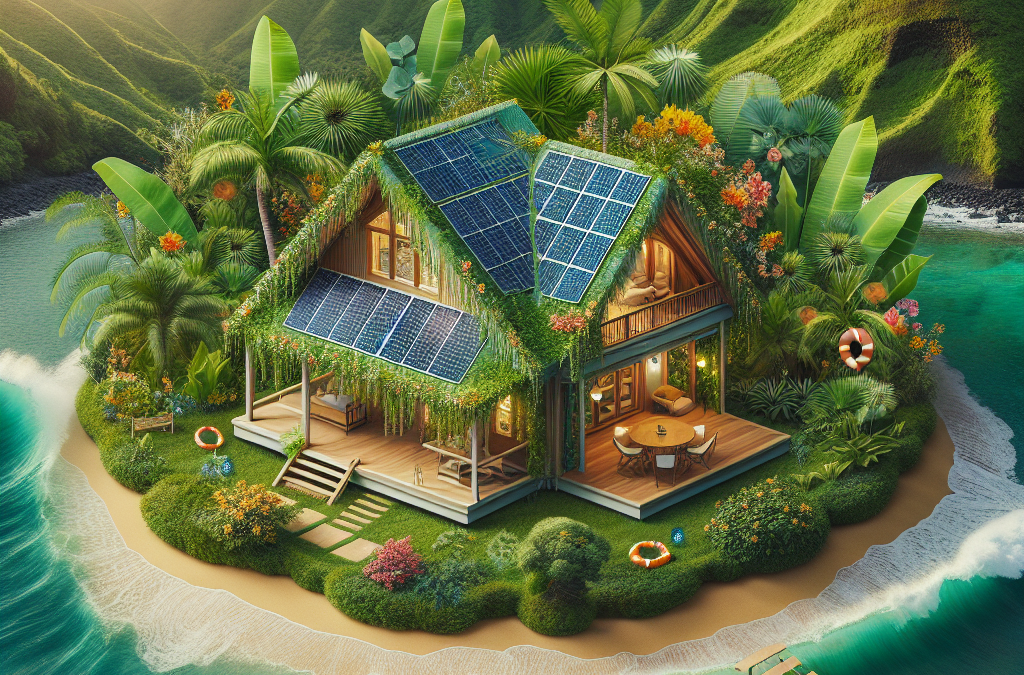
When it comes to booking a beachfront vacation rental in Hawaii, sustainability and eco-friendliness are becoming increasingly important factors to consider. From the stunning beaches of Maui to the lush landscapes of Kauai, there are sustainable accommodations that not only offer breathtaking views but also prioritize the preservation of the natural environment. Whether you choose a solar-powered beach cottage or a bamboo bungalow, these eco-friendly rentals in Hawaii allow you to enjoy paradise while minimizing your carbon footprint. So, if you’re looking to escape to the beautiful beaches of Hawaii without sacrificing your commitment to the environment, sustainable rentals are the perfect choice for an unforgettable and eco-conscious getaway.
Sustainable Beachfront Rentals in Hawaii
Introduction
Hawaii, with its stunning beaches and breathtaking landscapes, has long been a popular vacation destination. However, the increase in tourism has also brought about environmental challenges. To combat this, the concept of sustainable beachfront rentals has emerged. These rentals prioritize eco-friendly practices and aim to reduce the environmental impact of tourism. In this article, we will explore the benefits, features, certifications, examples, and the future of sustainable beachfront rentals in Hawaii.
Benefits of Sustainable Beachfront Rentals
Reduced Environmental Impact
One of the primary benefits of sustainable beachfront rentals is the reduced environmental impact they have compared to traditional accommodations. By implementing eco-friendly practices, such as energy efficiency and waste management, these rentals aim to minimize their carbon footprint. This includes the use of renewable energy sources, composting, and recycling programs.
Preservation of Natural Resources
Sustainable beachfront rentals play a crucial role in preserving the natural resources of Hawaii. By implementing water conservation methods, such as low-flow fixtures and rainwater harvesting systems, these rentals help protect the island’s precious freshwater resources. Additionally, sustainable rentals often focus on preserving the natural habitats surrounding the accommodation, promoting the importance of biodiversity and ecosystem preservation.
Support for Local Communities
Another significant benefit of sustainable beachfront rentals is their support for local communities. Many of these rentals are independently owned and operated by local residents, putting money directly back into the local economy. Additionally, these rentals often prioritize the use of local products and services, creating partnerships with local businesses and artisans.
Promotion of Sustainable Practices
By choosing to stay in a sustainable beachfront rental, you become a part of a broader movement promoting sustainable practices. These rentals often educate and encourage guests to adopt eco-friendly behaviors, such as conserving energy and water, reducing waste, and respecting the local environment. Through these initiatives, sustainable rentals aim to create a more environmentally conscious community.
Features of Sustainable Beachfront Rentals
Energy Efficiency
Sustainable beachfront rentals prioritize energy efficiency as a way to reduce their environmental impact. This includes the use of energy-efficient appliances, LED lighting, and solar panels to generate electricity. By minimizing energy consumption, these rentals help lower their carbon emissions and reliance on fossil fuels.
Water Conservation
Water conservation is a key feature of sustainable beachfront rentals. To minimize water usage, these rentals often incorporate low-flow fixtures, such as toilets and showers, and implement rainwater harvesting systems for irrigation. Additionally, they may provide educational materials and guidelines for guests on how to conserve water during their stay.
Waste Management
An essential aspect of sustainability is the proper management of waste. Sustainable beachfront rentals implement effective waste management practices, such as recycling programs, composting, and the reduction of single-use plastics. They encourage guests to engage in responsible waste disposal and provide clearly labeled bins for recycling and composting.
Use of Renewable Materials
Sustainable beachfront rentals prioritize the use of renewable materials in their construction and furnishings. This includes using sustainably harvested wood, recycled materials, and non-toxic paints and finishes. By choosing renewable materials, these rentals contribute to the conservation of natural resources and reduce their environmental footprint.
Support for Local Ecological Initiatives
Many sustainable beachfront rentals actively support local ecological initiatives and conservation projects. This can include partnerships with local organizations dedicated to preserving marine life, protecting native species, or restoring and maintaining natural habitats. By collaborating with these initiatives, sustainable rentals contribute to the overall well-being of the local ecosystem.
Certifications for Sustainable Beachfront Rentals
LEED Certification
LEED (Leadership in Energy and Environmental Design) certification is a globally recognized standard for sustainable buildings. Many sustainable beachfront rentals strive to achieve LEED certification, demonstrating their commitment to green building practices. To obtain certification, rentals must meet specific criteria related to energy efficiency, water conservation, waste management, and sustainable materials.
Green Globe Certification
Green Globe certification is another widely recognized certification for sustainable tourism. This certification focuses on the implementation of sustainable practices throughout the entire operation of a rental, including environmental, social, and economic aspects. Green Globe-certified rentals have demonstrated their commitment to minimizing their environmental impact and contributing positively to the local community.
EarthCheck Certification
EarthCheck certification is a rigorous program that assesses a rental’s sustainability performance across a wide range of criteria, including energy efficiency, waste management, water usage, and community engagement. This certification ensures that sustainable beachfront rentals are held to high standards and continue to meet sustainability goals.
Examples of Sustainable Beachfront Rentals in Hawaii
Eco-Lodges in Maui
Maui offers a range of eco-lodges, designed to provide a sustainable and immersive experience for guests. These lodges often incorporate renewable materials, utilize renewable energy sources, and implement water-saving measures. They also support local conservation initiatives and offer educational programs to guests.
Off-Grid Cabins on the Big Island
The Big Island boasts off-grid cabins that showcase sustainable living in a remote and pristine environment. These cabins are powered by solar energy and have efficient water systems, allowing guests to experience a more self-sufficient and eco-friendly way of living. They often provide eco-friendly amenities, such as composting toilets and organic toiletries.
Solar-Powered Villas in Kauai
Kauai is home to solar-powered villas that combine luxury with sustainability. These villas are equipped with solar panels that generate clean energy, reducing their carbon footprint. Additionally, they feature energy-efficient appliances, water-saving fixtures, and use sustainable materials in their construction.
Green Resorts in Oahu
Oahu offers a selection of green resorts that prioritize sustainability and environmental stewardship. These resorts implement a range of eco-friendly practices, such as energy and water conservation, waste reduction and recycling programs, and support local community initiatives. They often have partnerships with local farms and suppliers to provide guests with organic and locally sourced food options.
Promoting Responsible Tourism
Educating Guests on Sustainable Practices
Sustainable beachfront rentals play a vital role in educating their guests about sustainable practices. They provide information and guidelines on how guests can minimize their impact during their stay, including tips on energy and water conservation, waste management, and respecting the local environment. This education empowers guests to make informed choices and adopt sustainable behaviors even after their vacation ends.
Encouraging Responsible Behavior
To promote responsible tourism, sustainable beachfront rentals encourage guests to engage in responsible behavior. This can be as simple as asking guests to turn off lights and air-conditioning when not needed, take shorter showers, and participate in recycling and composting programs. By fostering a culture of responsibility, these rentals aim to inspire guests to make more sustainable choices in their everyday lives.
Collaborating with Local Conservation Organizations
Many sustainable beachfront rentals collaborate with local conservation organizations to contribute to the protection and preservation of the surrounding natural environment. This can involve organizing volunteer opportunities for guests to participate in conservation activities, such as beach cleanups or tree planting projects. By engaging guests in these initiatives, rentals help create a sense of stewardship and a deeper connection to the local environment.
The Role of Government and Regulations
Supporting Sustainable Tourism Policies
The government plays a crucial role in promoting sustainable beachfront rentals by implementing policies that support and reward sustainable practices. This can include providing incentives, tax breaks, and grants to rentals that meet certain sustainability criteria. Additionally, regulations and standards can be put in place to ensure that rentals adhere to environmental and social guidelines.
Incentives for Eco-Friendly Rentals
To encourage the adoption of eco-friendly practices, government bodies can provide incentives for sustainable beachfront rentals. These incentives may include financial rewards or tax benefits for implementing renewable energy systems, water conservation methods, or waste management programs. By offering these incentives, the government encourages rentals to embrace sustainability and contributes to the growth of the eco-tourism sector.
Enforcement of Environmental Standards
Government agencies are responsible for enforcing environmental standards and regulations to ensure that sustainable beachfront rentals comply with the required guidelines. This includes monitoring energy and water usage, waste management practices, and adherence to sustainable building codes. Through regular inspections and assessments, regulators can help maintain the integrity of sustainable practices in the industry.
Challenges and Solutions
High Initial Investment
One of the challenges facing sustainable beachfront rentals is the high initial investment required to implement eco-friendly features and practices. However, this investment can be offset in the long run through cost savings from reduced energy and water consumption. Grants, loans, and government incentives can also help alleviate the financial burden and encourage the adoption of sustainable practices.
Lack of Awareness
Another challenge is the lack of awareness among travelers regarding the existence and benefits of sustainable beachfront rentals. Many tourists still opt for traditional accommodations without considering the environmental impact of their choice. To address this, sustainable rentals can focus on marketing their eco-friendly features and certifications, collaborate with tourism agencies and travel websites, and engage in educational campaigns to raise awareness among potential guests.
Overcoming Infrastructure Limitations
Some areas in Hawaii may face infrastructure limitations that pose challenges to the implementation of sustainable practices. For example, remote locations may have limited access to the grid for solar power or face water scarcity issues. In such cases, innovative solutions, such as off-grid technologies and rainwater harvesting systems, can be employed to overcome these limitations and ensure sustainable operations.
Collaboration with Local Suppliers
Sustainable beachfront rentals often face challenges in sourcing eco-friendly products and services from local suppliers. To address this, rentals can collaborate with local businesses and suppliers to promote the use of sustainable materials and products. This collaboration not only supports the local economy but also encourages the growth of sustainable industries in the area.
The Future of Sustainable Beachfront Rentals
Increasing Demand
As environmental consciousness grows, the demand for sustainable beachfront rentals is expected to rise. Travelers are increasingly seeking accommodations that align with their values and prioritize environmental responsibility. This shift in demand provides an opportunity for sustainable rentals to expand and thrive, driving innovation and contributing to the overall sustainability of the tourism industry.
Advancements in Green Technologies
Advancements in green technologies will play a significant role in shaping the future of sustainable beachfront rentals. As technology continues to evolve, more efficient renewable energy solutions, water-saving technologies, and waste management systems will become available. These advancements will make it easier for rentals to implement and maintain sustainable practices, further reducing their environmental impact.
Integration of Sustainable Practices
In the future, sustainable practices will become the norm rather than the exception in the hospitality industry. It is crucial for beachfront rentals to prioritize sustainability and integrate it into every aspect of their operations. From construction and design to daily management and guest experiences, sustainability should be woven into the fabric of these rentals, creating a more sustainable and responsible tourism sector.
Conclusion
Choosing a sustainable beachfront rental in Hawaii allows you to enjoy the beauty of the islands while minimizing your impact on the environment. These rentals offer a range of benefits, including reduced environmental impact, preservation of natural resources, support for local communities, and the promotion of sustainable practices. By implementing features such as energy efficiency, water conservation, waste management, and the use of renewable materials, sustainable rentals lead the way in responsible tourism. Through certifications, collaborations with local conservation organizations, and government support, these rentals contribute to a more sustainable and environmentally conscious future. As the demand for sustainable options grows, the future of beachfront rentals in Hawaii will increasingly prioritize sustainability, creating a positive and memorable experience for both guests and the environment.
 English