
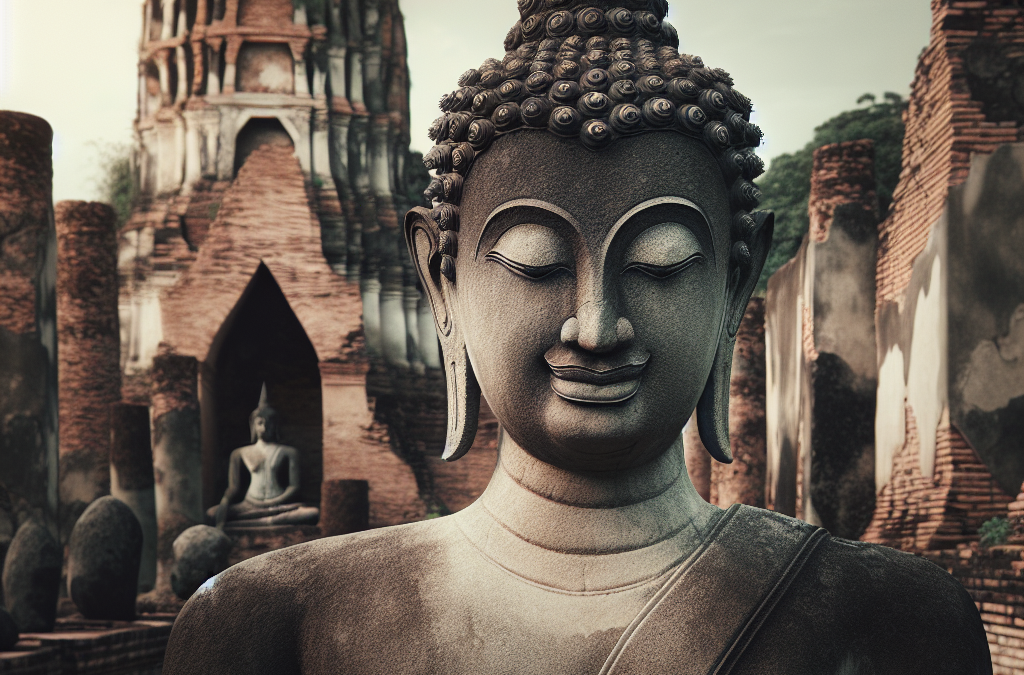
Immerse yourself in the rich history of Ayutthaya as you embark on a fascinating journey through ancient temple ruins. Ayutthaya, a UNESCO World Heritage Site, offers an unparalleled glimpse into the magnificent past of Thailand. Marvel at the intricate architecture and grandeur of the temples, which stand as testimony to the city’s illustrious past. Each corner holds tales of long-lost empires and cultural heritage waiting to be discovered. A visit to Ayutthaya is not only a chance to explore these awe-inspiring ruins but also an opportunity to delve into the captivating history of this enchanting city.
Ayutthaya: The Ancient Capital of Thailand
Welcome to Ayutthaya, the ancient capital of Thailand! Steeped in history and rich in cultural heritage, Ayutthaya is a must-visit destination for history enthusiasts and those eager to explore the wonders of Thailand’s past. In this comprehensive article, we will take you on a journey through the fascinating temples ruins of Ayutthaya, each with its own unique story to tell. So, grab your virtual walking shoes and get ready to immerse yourself in the grandeur of Ayutthaya’s temple ruins!
Introduction to Ayutthaya
Nestled along the Chao Phraya River, Ayutthaya was once a thriving city and the capital of the Kingdom of Siam from 1350 to 1767. Its strategic location at the heart of a rice-growing region made it a prosperous center of trade and cultural exchange. For four centuries, Ayutthaya flourished, with impressive grandeur and architectural marvels that attracted visitors from around the world. Today, Ayutthaya stands as a UNESCO World Heritage Site, a testament to its historical significance and enduring allure.
Brief History of Ayutthaya
To truly appreciate Ayutthaya’s temple ruins, it is essential to understand the city’s rich history. Ayutthaya was founded by King U Thong in 1350, and under subsequent kings, it grew into a powerful kingdom. The city expanded its influence, forging diplomatic relations with neighboring nations and becoming a prominent center of Buddhism. However, Ayutthaya faced numerous challenges, including conflicts with neighboring kingdoms and European colonial powers. In 1767, the city was brutally sacked and burned by Burmese invaders, leading to its downfall and eventual abandonment. This pivotal event in Ayutthaya’s history marked the end of the Ayutthaya Kingdom but not the end of its historical legacy.
Exploring Ayutthaya’s Temple Ruins
Once the proud home to over 400 temples, Ayutthaya today showcases several remarkable temple ruins that provide a glimpse into its glorious past. Let us now embark on a virtual tour of some of the most captivating temple sites in Ayutthaya.
Wat Phra Si Sanphet
At the heart of Ayutthaya’s royal palace, Wat Phra Si Sanphet holds great historical and architectural significance. Originally built as a royal monastery, this temple served as a sacred site for the royal family and played a crucial role in religious ceremonies. Today, it stands as one of the most important locations within Ayutthaya Historical Park.
Wat Chaiwatthanaram
Situated on the western bank of the Chao Phraya River, Wat Chaiwatthanaram offers a breathtaking riverside view of Ayutthaya’s temple ruins. Built in 1630 by King Prasat Thong, the temple was dedicated to his mother. With its distinctive Khmer-style architecture and exquisite craftsmanship, Wat Chaiwatthanaram is a testament to the city’s grandeur during its golden age.
Wat Mahathat
One of the most iconic temples in Ayutthaya, Wat Mahathat is known for its enigmatic Buddha head entwined within the roots of a Bodhi tree. The temple is believed to have been built in the 14th century and served as the center for religious education and practice. Its architectural splendor and spiritual significance make it a must-visit location.
Wat Phra Si Sanphet: The Royal Temple
History and Importance
Wat Phra Si Sanphet holds a special place in the history of Ayutthaya as it served as the royal temple and the holiest temple in the kingdom. Constructed in the 15th century, the temple housed the Emerald Buddha, Thailand’s most sacred relic, until it was moved to its current location in Bangkok. The temple played a pivotal role in royal ceremonies and was a symbol of the kingdom’s power and prosperity.
Architectural Highlights
The architecture of Wat Phra Si Sanphet reflects the grandeur and elegance of Ayutthaya’s golden age. The temple consists of three impressive chedis (stupas) adorned with intricate stucco-designed spires. These chedis once enshrined the ashes of Ayutthaya’s kings and royal family members. The temples’ grand dimensions and elegant craftsmanship showcase the architectural mastery of the time.
Religious Significance
As the royal temple, Wat Phra Si Sanphet held deep religious significance for the people of Ayutthaya. It served as a place of worship and spiritual refuge, with monks residing within the temple grounds. Today, visitors can still witness the remnants of Buddhist statues and intricately carved Buddha images, a testament to the temple’s religious significance.
Wat Chaiwatthanaram: A Majestic Riverside Temple
Background and Origins
Wat Chaiwatthanaram was commissioned by King Prasat Thong in 1630 to honor his mother. The temple was built in the Khmer architectural style, reminiscent of the spectacular temples found in Cambodia. Its construction was a testament to the kingdom’s power and the influence of Khmer culture during Ayutthaya’s golden age.
Distinctive Architecture
The architectural style of Wat Chaiwatthanaram sets it apart from other temple ruins in Ayutthaya. The temple features a central prang (Khmer-style tower) surrounded by eight smaller prangs, representing the mythical Mount Meru. The intricate carvings, delicate stucco work, and extensive murals depict various narratives from Buddhist and Hindu mythology, showcasing the rich artistic heritage of the time.
Significant Features
One of the most impressive features of Wat Chaiwatthanaram is its prime riverside location, offering awe-inspiring views and a peaceful atmosphere. The terraces leading to the river are adorned with unique balustrades featuring mythical figures, adding to the temple’s grandeur. The well-preserved prangs provide an understanding of the temple’s original splendor and make Wat Chaiwatthanaram a must-visit site for history and architecture enthusiasts alike.
Wat Mahathat: The Iconic Buddha Head Enshrined in Roots
Historical Significance
Wat Mahathat, meaning “Temple of the Great Relic,” is one of Ayutthaya’s oldest and most revered temples. It was believed to have been constructed during the reign of King Borommaracha I in the 14th century. The temple served as a center for Buddhist education and practice, attracting scholars and devotees from far and wide to study and seek enlightenment.
Unique Buddha Head Enshrinement
The most famous feature of Wat Mahathat is the striking sight of a Buddha head embraced by the roots of a Bodhi tree. Over time, as the tree’s roots grew, they enveloped the head, creating a captivating image that has become synonymous with Ayutthaya itself. This enigmatic scene has captivated the imaginations of visitors, symbolizing the cycle of life and the intertwining of nature and spirituality.
Other Points of Interest
Beyond the iconic Buddha head, Wat Mahathat boasts a myriad of other intriguing structures and artifacts. Visitors can explore the remains of prangs (towers), viharas (halls), and mondops (miniature pavilions) that once played an integral role in daily monastic life. Intricate stone carvings and decorative motifs provide insight into the artistic flair of the time, while hidden treasures and hidden chambers add an air of mystery and excitement to the temple complex.
Wat Yai Chai Mongkhon: The Great Monastery of Auspicious Victory
History and Background
Wat Yai Chai Mongkhon, also known as the Great Monastery of Auspicious Victory, was founded in 1357 by King U Thong. The temple was built to commemorate the victory over the Ayutthaya Kingdom’s enemy, the Kingdom of Lanka. Over the centuries, the temple has undergone several renovations and expansions, further cementing its significance in Ayutthaya’s history and religious heritage.
Impressive Chedi and Prang
The centerpiece of Wat Yai Chai Mongkhon is its towering chedi (stupa), reaching a height of almost 62 meters. The chedi’s golden spire dominates the skyline, visible from afar. Visitors can climb the stairs to the top platform of the chedi, where they are rewarded with panoramic views of the surrounding area. Additionally, the temple boasts several prangs (towers) and a large reclining Buddha statue, adding to its architectural splendor.
Tales of Victory
Wat Yai Chai Mongkhon is not only a place of worship but also of historical significance. In addition to commemorating the victory over the Kingdom of Lanka, the temple is associated with various legends and stories. One such tale tells of a young warrior monk, Phra Kru Su, who bravely defended the kingdom and became a legendary figure. Visitors can delve into these captivating narratives through murals and paintings that adorn the temple walls, immersing themselves in the stories of Ayutthaya’s past.
Wat Ratchaburana: Treasure and Intrigue
Origin and Construction
Wat Ratchaburana, built in the 15th century, holds a fascinating history intertwined with treasure and tragedy. The temple was constructed by King Borommarachathirat II to honor his two brothers who died in a conflict over the throne. The unique architecture of Wat Ratchaburana is a blend of Khmer and Ayutthaya styles, showcasing the artistic influences of the time.
Architectural Highlights
One of the temple’s most striking features is its central prang, adorned with intricate stucco designs and bas-reliefs depicting mythological characters and scenes from Hindu epics. The prang’s spire provides visitors with a glimpse into the temple’s original grandeur and architectural excellence. With its soaring height and intricate details, Wat Ratchaburana is a testament to the artistic and engineering prowess of the Ayutthaya era.
Legendary Buried Treasure
Legend has it that Wat Ratchaburana was the site of a fabled hidden treasure. According to the tale, a vast amount of gold, jewelry, and precious artifacts were buried within the temple’s crypt. While the treasure was looted in the past, remnants of its storied past still linger. Exploring the temple’s underground chambers and marveling at the exquisite artifacts that have been recovered provides a unique opportunity to unravel the mystery and imagine the temple’s hidden secrets.
Wat Phanan Choeng: A Temple Steeped in Faith
Religious Significance
At Wat Phanan Choeng, faith and devotion take center stage. This ancient temple, believed to have been founded in the 14th century, holds immense religious importance for the local community and Buddhists across Thailand. It serves as a pilgrimage site, attracting devotees who seek blessings and merit-making opportunities.
Gigantic Buddha Image
The temple is home to a massive seated Buddha image named Phra Buddha Tri Lokachet. The statue stands at an impressive height of 19 meters and is widely revered for its spiritual presence and the legend that surrounds it. The expressive features and intricate details of the Buddha image evoke a sense of awe and reverence among visitors.
Spiritual Practices and Festivals
Wat Phanan Choeng is a vibrant hub of spiritual activities and festivities. Devotees often engage in prayer, meditation, and making offerings to the Buddha statue, seeking guidance, blessings, and enlightenment. The temple comes alive during important Buddhist festivals, providing visitors with the opportunity to witness colorful processions, vibrant rituals, and a sense of community spirit that exemplifies the essence of Thai culture.
Wat Lokayasutharam: The Reclining Buddha
Iconic Reclining Buddha Image
At Wat Lokayasutharam, visitors will encounter a colossal reclining Buddha image exuding tranquility and majesty. Measuring 37 meters long and 8 meters high, this image is one of the largest reclining Buddha statues in Thailand. The sheer size and serenity of the statue leave visitors in awe, offering a glimpse into the spiritual teachings and beliefs of Buddhism.
Symbolism and Religious Beliefs
The reclining Buddha image is highly symbolic in Buddhist iconography, representing the historical Buddha’s transcendence into the final stage of enlightenment, known as Parinirvana. The image’s serene expression and resting pose signify inner peace, detachment from worldly desires, and the attainment of ultimate wisdom. Visitors can contemplate these profound Buddhist teachings and reflect on their own spiritual journey while in the presence of this magnificent statue.
Pilgrimage Site
Phra Lokayasutharam, as the reclining Buddha image is locally known, stands as a significant pilgrimage site for Buddhists. Devotees from across Thailand come to pay their respects, offer prayers and make merit. The temple’s tranquil ambience and the serene beauty of the reclining Buddha provide an opportunity for personal reflection and a sense of connection with the spiritual heritage of Ayutthaya.
Conclusion: Immersing in Ayutthaya’s Rich History
Visiting Ayutthaya’s temple ruins offers a chance to step back in time and immerse oneself in the grandeur and cultural significance of this ancient capital. From the magnificent temples showcasing architectural marvels to the captivating legends and stories surrounding each site, Ayutthaya presents a tapestry of history waiting to be explored.
Appreciating the Cultural Significance
Ayutthaya not only invites visitors to marvel at architectural wonders but also to appreciate the cultural significance nestled within its temple ruins. The surviving remnants provide glimpses into the beliefs, artistic expressions, and daily lives of the people who once thrived in this remarkable city.
Preserving the Past for Future Generations
Ayutthaya’s historical and cultural value is undeniable, and it is crucial to preserve these temple ruins for future generations. Efforts are underway to ensure the longevity of these invaluable heritage sites, allowing visitors from around the world to continue to admire, learn, and be inspired by Ayutthaya’s rich history.
As you conclude your virtual tour of Ayutthaya’s temple ruins, we hope you have gained a deeper appreciation for this ancient capital’s historical legacy. Remember to add Ayutthaya to your travel bucket list, as the experience of walking amidst these captivating temple ruins is one that cannot be replicated elsewhere. Whether you are an avid history buff or simply curious about Thailand’s past, Ayutthaya promises an unforgettable journey through time.
 English