
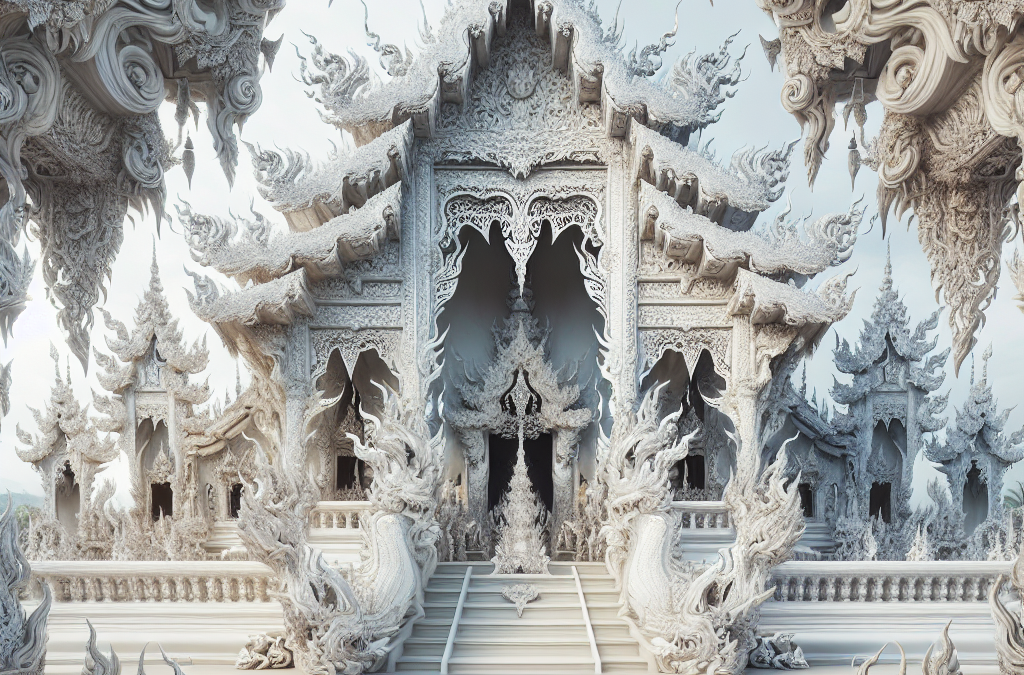
If you’re looking for a one-of-a-kind temple that will leave you in awe, then Chiang Rai’s White Temple, also known as Wat Rong Khun, is a must-visit destination. This architectural marvel is renowned for its distinctive and unconventional design that combines traditional Thai elements with contemporary art. From its gleaming white exterior adorned with intricate carvings and mirror fragments to its surreal interior featuring captivating murals, every detail of the White Temple is a testament to the creativity and vision of its creator, artist Chalermchai Kositpipat. Whether you’re a history enthusiast, an art lover, or simply someone who appreciates beauty, the White Temple is sure to sweep you off your feet with its extraordinary charm.
History of Wat Rong Khun
Origins of Wat Rong Khun
Wat Rong Khun, also known as the White Temple, is a renowned and unique Buddhist temple located in Chiang Rai, Thailand. The temple was designed and conceptualized by the well-respected Thai artist, Chalermchai Kositpipat, who wanted to create a contemporary masterpiece that would serve as a spiritual haven for visitors. Construction of the temple began in 1997 and continues to this day, with ongoing renovations and expansions.
Construction and Renovation
The construction of Wat Rong Khun has been a labor of love for Chalermchai Kositpipat. Initially, he used his own funds to support the project, and later received donations from art enthusiasts and devotees. The temple’s construction has been done in stages, ensuring that every detail is meticulously executed. Over the years, additions and renovations have been made to enhance the temple’s splendor and magnificence, ensuring that it remains a breathtaking sight for all who visit.
Significance and Importance
Wat Rong Khun holds great significance not only as a place of worship, but also as an important cultural landmark in Thailand. It is a symbol of Thai art and architecture, showcasing the country’s rich heritage and traditions. The temple stands as a testament to the artistic talents of Chalermchai Kositpipat and pays homage to Buddhist teachings. It has become a major attraction, drawing tourists and locals alike to experience its beauty and serenity.
Architectural Style and Design Elements
Contemporary Approach
The design of Wat Rong Khun deviates from traditional Buddhist temples, infusing contemporary elements that make it truly one-of-a-kind. Chalermchai Kositpipat sought to create a temple that would reflect the modern world while staying true to Buddhist principles. This innovative approach blends traditional Thai architectural elements with complex artistic features, resulting in a visually stunning masterpiece that appeals to both the traditionalists and the modern art enthusiasts.
Symbolism in Design
Every aspect of the White Temple’s design holds symbolic meaning. The pure white color scheme represents the purity and enlightenment that Buddhism aims to achieve. The intricate detailing and ornate sculptures throughout the temple convey Buddhist teachings, serving as visual reminders of the path to spiritual enlightenment. The numerous symbolic elements incorporated into the temple’s design make it a truly immersive and enlightening experience for visitors.
Artistic Features
Wat Rong Khun is a true testament to the artistic brilliance of Chalermchai Kositpipat. The temple is adorned with stunning murals that depict a variety of subjects, ranging from traditional Buddhist iconography to modern interpretations of good and evil. The level of detail in these murals is awe-inspiring, with each brushstroke telling a story. Additionally, the temple houses a golden bathroom, which may seem unusual, but it serves as a gentle reminder of the transitory nature of material possessions.
Exterior of Wat Rong Khun
Pure White Color Scheme
The pure white color scheme of Wat Rong Khun immediately captures the attention of visitors. The pristine white exterior represents the purity and immaculateness of the Buddha’s teachings. It creates a sense of tranquility and peace, inviting visitors to leave their worldly worries behind and immerse themselves in the spiritual essence of the temple.
Crystal-like Exterior
The exterior of Wat Rong Khun is embellished with reflective glass mosaic tiles, giving the temple its radiant and ethereal appearance. As the sunlight hits the temple’s surface, it creates a shimmering effect that is reminiscent of a crystal palace. This dazzling display adds to the temple’s enchanting aura and makes it a truly captivating sight to behold.
Imposing Main Gate
The main gate of Wat Rong Khun serves as an imposing entrance to the temple’s grounds. Guarded by intricate sculptures and mythical creatures, it sets the stage for the main attraction that awaits visitors. The gate is adorned with elaborate details and symbolic elements, inviting visitors into a realm of spiritual reflection and enlightenment.
Interior of Wat Rong Khun
Magnificent Murals
As visitors step inside Wat Rong Khun, they are greeted with a breathtaking sight – the mesmerizing murals that adorn the walls of the temple’s interior. These murals depict a wide range of subjects, from Buddhist teachings to contemporary scenes that symbolize the never-ending battle between good and evil. The level of detail and skill exhibited in the murals is truly impressive, making every inch of the interior a masterpiece in its own right.
Intricate Details
The interior of Wat Rong Khun is adorned with intricate details that reflect Thai art and culture. From the meticulously carved wooden pillars to the ornate sculptures and embellishments, no corner of the temple is left untouched by the artist’s hand. These intricate details serve as a visual feast, showcasing the dedication and craftsmanship that went into creating this architectural wonder.
Golden Bathroom
One of the most unusual and intriguing features of Wat Rong Khun is the golden bathroom. This unexpected addition reminds visitors of the fleeting nature of material possessions and serves as a contemplative space. The golden interior is both opulent and thought-provoking, creating a stark contrast to the pure white exterior of the temple.
The Ubosot and its Unique Features
Divine Interior Decorations
The Ubosot, the main ordination hall of Wat Rong Khun, houses numerous divine interior decorations that add to the spiritual ambiance. The walls are adorned with intricate patterns and sculptures, reflecting the artist’s devotion to creating a sacred space. The divine interior decorations evoke a sense of calm and reverence, inviting visitors to connect with their spiritual side.
Relics and Statues
Within the Ubosot, visitors will find a collection of sacred relics and statues that hold great significance in Buddhism. These relics and statues serve as physical reminders of the teachings and presence of the Buddha, allowing visitors to deepen their understanding and connection to the faith. The meticulously crafted statues and intricately arranged relics create a sense of awe and reverence, inspiring visitors on their spiritual journey.
Elaborate Main Buddha Image
At the heart of the Ubosot stands the elaborate main Buddha image. This majestic statue is a focal point of worship and embodies the essence of Buddhism. Crafted with meticulous attention to detail, the main Buddha image radiates peace, serenity, and compassion. It serves as a reminder of the ultimate goal of spiritual enlightenment and encourages visitors to strive for inner peace and harmony.
Other Structures and Surroundings
Golden Pagoda
Adjacent to the White Temple is a stunning golden pagoda that adds to the grandeur of the complex. Its golden exterior shines brilliantly under the sunlight, creating a striking contrast against the white temple. The pagoda serves as a place of reverence and reflection, inviting visitors to explore its ornate interior and take in the panoramic views it offers.
Art Gallery
Within the temple complex, visitors can also explore an art gallery that displays various works by Chalermchai Kositpipat and other contemporary artists. The gallery serves as a platform to showcase the diversity and innovation within the Thai art scene. Visitors can marvel at the talent and creativity on display, further enhancing their appreciation for the artistic vision behind Wat Rong Khun.
Meditation Garden
For those seeking a tranquil and peaceful retreat, the meditation garden within the temple grounds provides the perfect setting. Surrounded by lush greenery and serene water features, this serene space invites visitors to find solace and delve deeper into their spiritual practice. The meditation garden is a place of quiet reflection, allowing visitors to connect with their inner selves and find a sense of inner peace.
The Story Behind the White Temple Concept
The Vision of Chalermchai Kositpipat
The concept of the White Temple was born from the visionary mind of Chalermchai Kositpipat. He wanted to create a place that would inspire and educate visitors about Buddhism, while also challenging traditional notions of temple architecture. His vision was to create a contemporary masterpiece that would serve as a beacon of spiritual enlightenment and artistic expression.
The Black House Influence
Chalermchai Kositpipat drew inspiration from the Black House, another prominent contemporary art installation in Chiang Rai. The Black House, with its dark and somber aesthetic, stood in stark contrast to traditional Thai temples. This contrast influenced Kositpipat’s decision to create Wat Rong Khun as a symbol of light and purity, setting it apart from other temples and making it truly unique.
Modern Interpretation of Buddhist Art
Wat Rong Khun’s design represents a modern interpretation of Buddhist art, combining traditional symbolism with contemporary elements. By incorporating modern concepts and artistic techniques, Kositpipat aimed to make Buddhism and its teachings more accessible and relatable to a wider audience. The result is a stunning temple that bridges the gap between ancient traditions and the modern world.
Visiting the White Temple
Opening Hours and Entrance Fee
Wat Rong Khun is open to visitors every day from 8:00 AM to 6:00 PM. However, it is important to note that the temple may be closed for occasional ceremonies or renovations. The entrance fee for foreign visitors is 100 Thai Baht, which goes towards the preservation and maintenance of the temple.
Guided Tour Availability
Guided tours are available for visitors who wish to delve deeper into the history and significance of Wat Rong Khun. Experienced guides provide insightful commentary and explanations, enriching the overall experience and offering a deeper understanding of the temple’s cultural and spiritual significance.
Cultural Etiquette
When visiting Wat Rong Khun, it is important to adhere to cultural etiquette and show respect for the sacredness of the temple. Visitors should dress modestly, covering their shoulders and knees. Shoes must be removed before entering the temple buildings, and it is customary to bow before statues and relics as a sign of reverence. Photography is allowed, but visitors should be mindful and refrain from using flash or making excessive noise.
Festivals and Events at Wat Rong Khun
Songkran Festival
One of the most vibrant and celebrated festivals in Thailand is the Songkran Festival, which marks the Thai New Year. At Wat Rong Khun, this festival is celebrated with great joy and enthusiasm. Buddhists gather at the temple to participate in traditional ceremonies, make merit, and pay respect to their ancestors. The temple comes alive with vibrant decorations and cultural performances, creating a festive and joyous atmosphere for everyone to enjoy.
Loy Krathong Festival
The Loy Krathong Festival, also known as the Festival of Lights, is another important event at Wat Rong Khun. Celebrated on the full moon night of the twelfth lunar month, the festival is a time for people to pay homage to the water goddess and express gratitude for the abundance of rivers and waterways in Thailand. The temple is beautifully illuminated with thousands of floating lanterns and candle-lit krathongs, creating a magical and enchanting ambiance.
Other Special Occasions
Wat Rong Khun also plays host to various other special occasions, such as religious ceremonies and art exhibitions. These events showcase the cultural vibrancy and diversity of Thailand, enriching the visitor experience and providing a deeper insight into the country’s traditions and artistic heritage.
Preservation and Future Plans
Conservation Efforts
Preserving the architectural splendor and artistic integrity of Wat Rong Khun is of utmost importance. The temple’s management team, in collaboration with art conservators and experts, works tirelessly to ensure that the temple remains structurally sound and its artworks are well-preserved. Regular maintenance and restoration projects are carried out to safeguard this cultural gem for future generations to enjoy.
Expansions and Developments
The construction of Wat Rong Khun is an ongoing process, with plans for future expansions and developments. Chalermchai Kositpipat envisions the completion of a gallery hall that would showcase his extensive collection of artworks, further enhancing the visitor experience. These future developments aim to create a more immersive and educational environment for visitors, allowing them to fully appreciate the artistic and spiritual aspects of the temple.
Sustainability Initiatives
In line with global efforts towards sustainability, Wat Rong Khun has implemented various initiatives to minimize its environmental impact. These include the use of energy-efficient lighting systems, waste management practices, and the promotion of eco-friendly transportation options for visitors. By embracing sustainability, the temple aims to preserve the natural beauty of its surroundings and promote responsible tourism practices.
In conclusion, Wat Rong Khun, the White Temple, is a remarkable testament to the artistic vision of Chalermchai Kositpipat. Its unique design, intricate details, and captivating symbolism make it a must-visit destination for anyone traveling to Chiang Rai. The temple’s rich history, cultural importance, and ongoing developments ensure that it will continue to inspire and awe visitors for generations to come.
 English