
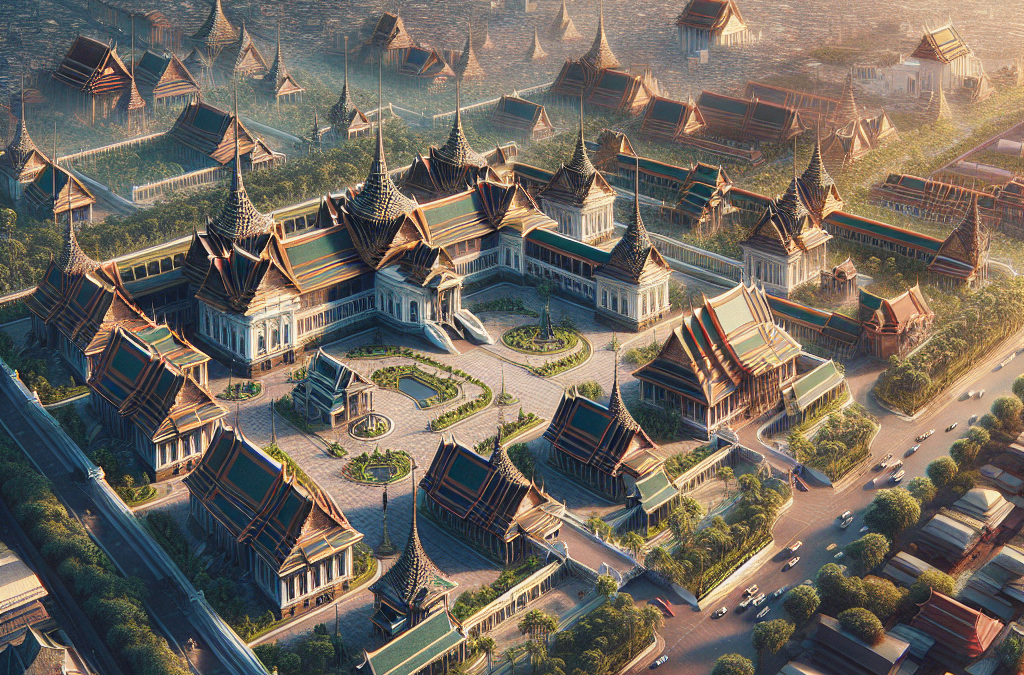
Are you ready for a journey of discovery in the exotic city of Bangkok? Prepare to be captivated by the magnificent Grand Palace and its exquisite architecture. Step into a world of opulence as you explore the intricate details and rich history of this iconic landmark. As you wander through the sprawling complex, you’ll be transported back in time, experiencing the grandeur and beauty of Thailand’s royal past. And if you’re looking to delve even deeper into the country’s fascinating history, make sure to visit the Ancient City (Muang Boran) in Samut Prakan. With its meticulously crafted replicas of Thailand’s most significant historical sites, this expansive open-air museum offers a unique opportunity to immerse yourself in the country’s vibrant heritage. So pack your bags and get ready to embark on an adventure that will leave you awestruck and inspired.
The Grand Palace: A Glorious Landmark
The Grand Palace in Bangkok, Thailand, stands as a glorious landmark, captivating visitors from around the world with its breathtaking beauty and rich history. This iconic site is a must-visit destination for those seeking to immerse themselves in the grandeur and splendor of Thai culture. As you step foot into the Grand Palace, be prepared to be entranced by its intricate details, majestic structures, and spiritual significance.
Overview of the Grand Palace
The Grand Palace is a vast complex that covers an area of over 200,000 square meters. It was built in 1782 and served as the official residence of the Kings of Thailand for over 150 years. Today, it is used for important ceremonial events and is open to the public as a museum and tourist attraction. With its ornate architecture and meticulously manicured gardens, the Grand Palace is a true testament to the craftsmanship and artistic talents of the Thai people.
Historical Background
The construction of the Grand Palace was commissioned by King Rama I, the founder of the Chakri dynasty, who sought to establish a new capital for the Kingdom of Siam. The palace complex was designed as a symbolic representation of the Thai monarchy and its divine authority. Over the years, successive kings added new buildings and structures, each contributing to the grandeur and magnificence of the palace complex. The Grand Palace played a pivotal role in shaping the political, cultural, and religious history of Thailand.
Significance of the Grand Palace
The Grand Palace holds immense significance as a cultural and historical treasure of Thailand. It is not only a testament to the rich artistic heritage of the Thai people but also a symbol of royal power and authority. The complex houses numerous sacred relics and religious artifacts that are highly revered by the Thai people. Furthermore, the Grand Palace serves as a hub for important royal ceremonies and state functions, further highlighting its significance as a national landmark.
Exploring the Grand Palace
As you begin your journey through the Grand Palace, you will be in awe of its meticulously planned layout and architectural brilliance. The complex is divided into several distinct areas, each serving a specific purpose and adding to the overall grandeur of the palace.
Layout and Architecture
The layout of the Grand Palace is meticulously planned, with a combination of open spaces, perfectly manicured gardens, and intricately decorated buildings. The architectural style is a fusion of traditional Thai design and European influences, resulting in a unique blend that is both captivating and awe-inspiring. As you stroll through the palace grounds, you will be greeted by ornate spires, gilded roofs, and intricate carvings that showcase the artistic excellence of the Thai craftsmen.
Main Buildings and Structures
Among the many remarkable buildings within the Grand Palace complex, the Temple of the Emerald Buddha stands out as a true gem. This sacred temple houses the revered Emerald Buddha, a highly revered and venerated statue of the Buddha carved from a single block of jade. Other notable structures include the Phra Mondop, which houses sacred scriptures, and the Phra Si Rattana Chedi, a towering golden stupa that glitters in the sunlight.
The Emerald Buddha: A Spiritual Treasure
The Emerald Buddha, enshrined in the Temple of the Emerald Buddha, is of utmost importance to the Thai people. It is believed to bring prosperity and good fortune to the country and its people. As you marvel at the serene beauty of the emerald statue, you can’t help but feel a sense of reverence and awe. The temple itself is adorned with intricate murals depicting scenes from Buddhist mythology, adding to the spiritual ambiance of the place.
Marveling at the Intricate Details
As you delve deeper into the Grand Palace, you will be captivated by the intricate details and exquisite craftsmanship that adorn every corner of this magnificent complex.
Exquisite Architectural Elements
The Grand Palace is a true feast for the eyes, with its intricate architectural elements that showcase the skills of Thai craftsmen. From delicate floral motifs to intricately carved mythical creatures, every inch of the palace is adorned with stunning details that leave visitors in awe. The use of vibrant colors, meticulously painted frescoes, and shimmering gold accents further enhance the grandeur of the palace.
The Central Court: Splendor Beyond Compare
The Central Court of the Grand Palace is where the most important ceremonies and royal functions take place. This area is adorned with impressive buildings and structures, including the Chakri Maha Prasat, which serves as the royal residence. The Central Court exudes an air of regality and grandeur, with its splendid architecture and meticulous attention to detail.
Hall of Justice: Stunning Craftsmanship
The Hall of Justice, also known as the Sala Sahathai Samakhom, is a remarkable structure within the Grand Palace complex. It is used for important ceremonial events and showcases stunning craftsmanship in its architectural design. The hall features intricate wood carvings, beautiful frescoes, and elaborate decorations that reflect Thai culture and history. As you stand in the Hall of Justice, you can’t help but be inspired by the skill and creativity of the craftsmen who brought this incredible structure to life.
Chakri Maha Prasat: The Royal Residence
Within the Grand Palace complex, the Chakri Maha Prasat stands as a symbol of royal power and authority. This magnificent structure serves as the royal residence and is a striking example of neo-renaissance architecture.
Overview of Chakri Maha Prasat
The Chakri Maha Prasat is an architectural masterpiece that beautifully combines traditional Thai design with European influences. Its distinctive features include a central spire adorned with golden spires, intricate wrought iron balconies, and a stunning red-tiled roof. As you stand before this majestic building, it is hard not to be overwhelmed by its grandeur and elegance.
Neo-Renaissance Style
The Chakri Maha Prasat reflects the neo-renaissance architectural style, which was popular in Europe during the 19th century. The influences of this style can be seen in the symmetrical design, the use of decorative elements such as columns and pilasters, and the incorporation of European materials and techniques. This fusion of styles creates a unique and captivating aesthetic that sets the Chakri Maha Prasat apart from other buildings within the Grand Palace complex.
The Throne Hall: A Symbol of Power
The Chakri Maha Prasat is home to the Throne Hall, where important royal ceremonies and events take place. The interior of the Throne Hall is equally impressive, with its grand staircase, intricately carved wooden panels, and stunning chandeliers. As you step into this regal space, you can almost feel the weight of history and power that has unfolded within these walls.
Dusit Maha Prasat: The Funeral Hall
The Dusit Maha Prasat, located within the grounds of the Grand Palace, is a striking structure that serves as the funeral hall for Thai monarchs. Its architectural brilliance and graceful Thai roof design make it a must-see attraction for visitors.
An Architectural Masterpiece
The Dusit Maha Prasat is a true architectural masterpiece that showcases the skills of Thai craftsmen. The building features a unique blend of Thai and European architectural elements, resulting in a harmonious and elegant design. Its symmetrical layout, delicate ornamentation, and intricate roof details demonstrate the meticulous attention to detail that went into its construction.
Graceful Thai Roof Design
One of the most distinctive features of the Dusit Maha Prasat is its graceful Thai roof design. The roof is adorned with intricate carvings, ceramic tiles, and golden accents, creating a mesmerizing visual spectacle. The roofline of the building is a testament to the talent and craftsmanship of Thai artisans, who skillfully crafted each detail with precision and care.
Exploring the Interior
Inside the Dusit Maha Prasat, visitors will find a tranquil and solemn atmosphere befitting its role as a funeral hall. The interior is adorned with beautiful murals that depict scenes from Buddhist mythology, adding to the spiritual ambiance of the space. As you explore the interior, you can’t help but be moved by the sense of reverence and respect that permeates every corner of this sacred hall.
The Royal Pantheon: Honoring Kings
The Royal Pantheon, located within the grounds of the Grand Palace, is a majestic building dedicated to honoring Thai kings and queens. It serves as a tribute to the royal lineage and a showcase of divine beauty.
Significance of the Royal Pantheon
The Royal Pantheon holds immense cultural and historical significance in Thai society. It is a place where the Thai people pay homage to their past kings and queens, expressing their deep respect and admiration for their leadership. The Royal Pantheon is not only a testament to the power and influence of the Thai monarchy but also a reminder of the enduring legacy of the royal lineage.
A Showcase of Divine Beauty
The architecture of the Royal Pantheon is nothing short of breathtaking. The building is adorned with intricate carvings, gilded decorations, and ornate details that reflect the divine beauty of Thai art and culture. The combination of vibrant colors, shimmering gold, and exquisite craftsmanship creates a visual spectacle that leaves visitors in awe.
Statues and Cultural Significance
Within the Royal Pantheon, visitors will find statues of past kings and queens, each representing a significant figure in Thai history. These statues serve as a physical representation of the monarchy’s role in shaping the country’s culture and identity. The Thai people hold these figures in high esteem and regard them as embodiments of their nation’s heritage and values.
Ananta Samakhom Throne Hall: Opulent Elegance
The Ananta Samakhom Throne Hall, located within the grounds of the Grand Palace, is an opulent and elegant structure that showcases the grandeur of Thai architecture and design.
Introduction to Ananta Samakhom Throne Hall
The Ananta Samakhom Throne Hall is a testament to the artistic and architectural brilliance of the Thai people. The building was commissioned by King Rama V at the beginning of the 20th century and served as a royal reception hall. It is now used for important state functions and houses a museum that exhibits a collection of royal artifacts and artwork.
Italianate Renaissance Architecture
The architectural style of the Ananta Samakhom Throne Hall is inspired by Italianate Renaissance design, characterized by grandeur, symmetry, and ornate details. The building features grand colonnades, intricate carvings, and a magnificent dome that rises above the skyline. The use of white marble further emphasizes the elegance and splendor of the structure.
The Magnificent Interior
As you step into the Ananta Samakhom Throne Hall, you will be greeted by a grand staircase that leads to the upper galleries. The interior is adorned with elaborate murals, depicting historical events and important scenes from Thai mythology. The chandeliers, made of crystal and gold, illuminate the space, casting a warm glow that adds to the regal ambiance. The Ananta Samakhom Throne Hall is a true testament to the grandeur and elegance of Thai architecture.
Phra Mondop: Preserving Sacred Scriptures
The Phra Mondop, located within the Grand Palace complex, is a remarkable structure that serves as a repository for sacred Buddhist scriptures. Its importance lies not only in its role as a sanctuary for religious texts but also in its intricate detailing and preservation of the Thai cultural heritage.
Overview of Phra Mondop
The Phra Mondop is a beautifully decorated structure that houses a collection of sacred Buddhist texts. It is designed to resemble a small library, with shelves lined with ancient manuscripts and religious artifacts. The intricate carvings on the exterior of the building and the meticulously painted frescoes on the interior walls showcase the artistic excellence and devotion to craftsmanship that defines Thai culture.
Importance of Sacred Scriptures
Within the Phra Mondop, visitors will find a collection of ancient Buddhist texts, including palm leaf manuscripts and illuminated manuscripts. These scriptures are of immense religious and cultural significance to the Thai people, as they contain the teachings and principles of Buddhism. The preservation of these sacred texts within the Phra Mondop ensures that the wisdom of the past is passed down to future generations.
Intricate Detailing and Preservation
The Phra Mondop is a remarkable testament to the skill and dedication of Thai craftsmen. The exterior of the building is adorned with intricate carvings of mythical creatures and symbolic motifs, creating a visually stunning display. Inside, the delicate murals and gold leaf decorations are meticulously preserved, offering a glimpse into the rich artistic heritage of Thailand.
Phra Si Rattana Chedi: Glittering Gold
Located within the Grand Palace complex, the Phra Si Rattana Chedi is a magnificent golden stupa that serves as a place of worship and reverence. Its shimmering beauty and religious relics make it an integral part of the Grand Palace experience.
Majestic Phra Si Rattana Chedi
The Phra Si Rattana Chedi is an awe-inspiring structure that dominates the skyline of the Grand Palace. Its golden spires and intricate details make it a sight to behold. The stupa houses important religious relics and is considered a sacred place by the Thai people. As you approach the Phra Si Rattana Chedi, you can’t help but be captivated by its majestic presence.
Golden Spires and Shimmering Beauty
The Phra Si Rattana Chedi is covered in gleaming gold, reflecting the light and casting a radiant glow. The golden spires that rise above the stupa create a visual spectacle that is truly mesmerizing. The intricate details, intricate carvings, and elaborate decorative elements further enhance the shimmering beauty of the Phra Si Rattana Chedi.
Religious Relics and Divine Worship
Within the Phra Si Rattana Chedi, visitors will find important religious relics and artifacts that are highly venerated by the Thai people. These relics hold immense religious and cultural significance and are believed to bring blessings and good fortune to those who pay their respects. The Phra Si Rattana Chedi serves as a place of worship and devotion, allowing visitors to connect with their spiritual selves and engage in acts of reverence.
Borom Phiman Mansion: Royal Residential Retreat
Located within the Grand Palace complex, the Borom Phiman Mansion is a beautiful example of European-inspired architectural style and serves as a royal residential retreat.
Overview of Borom Phiman Mansion
The Borom Phiman Mansion is a picturesque residence that was built as a retreat for the royal family. It was constructed in the early 20th century and features a unique blend of European and Thai architectural elements. The mansion is surrounded by beautifully manicured gardens, creating a tranquil and serene atmosphere.
European-Inspired Architectural Style
The architectural style of the Borom Phiman Mansion is heavily influenced by European design, particularly the neoclassical style. The façade of the building features grand columns, carved reliefs, and decorative elements that are reminiscent of European palaces. The interior of the mansion is equally impressive, with its polished woodwork, ornate chandeliers, and opulent furnishings.
The Picturesque Inner Gardens
One of the highlights of the Borom Phiman Mansion is its inner gardens, which offer a peaceful oasis within the bustling city of Bangkok. The gardens are meticulously landscaped and feature tranquil water features, lush greenery, and colorful flowers. As you stroll through the gardens, you can’t help but feel a sense of serenity and tranquility, providing a much-needed respite from the vibrant energy of the Grand Palace.
In conclusion, a visit to the Grand Palace is a truly awe-inspiring experience. With its majestic structures, intricate details, and rich historical significance, the Grand Palace is a testament to the grandeur and cultural richness of the Thai people. From the Temple of the Emerald Buddha to the Chakri Maha Prasat, each building within the complex showcases the artistic brilliance and craftsmanship that defines Thai architecture. As you explore the Grand Palace, you will be transported into a world of splendor and beauty, where history and spirituality intertwine to create an unforgettable experience.
 English