
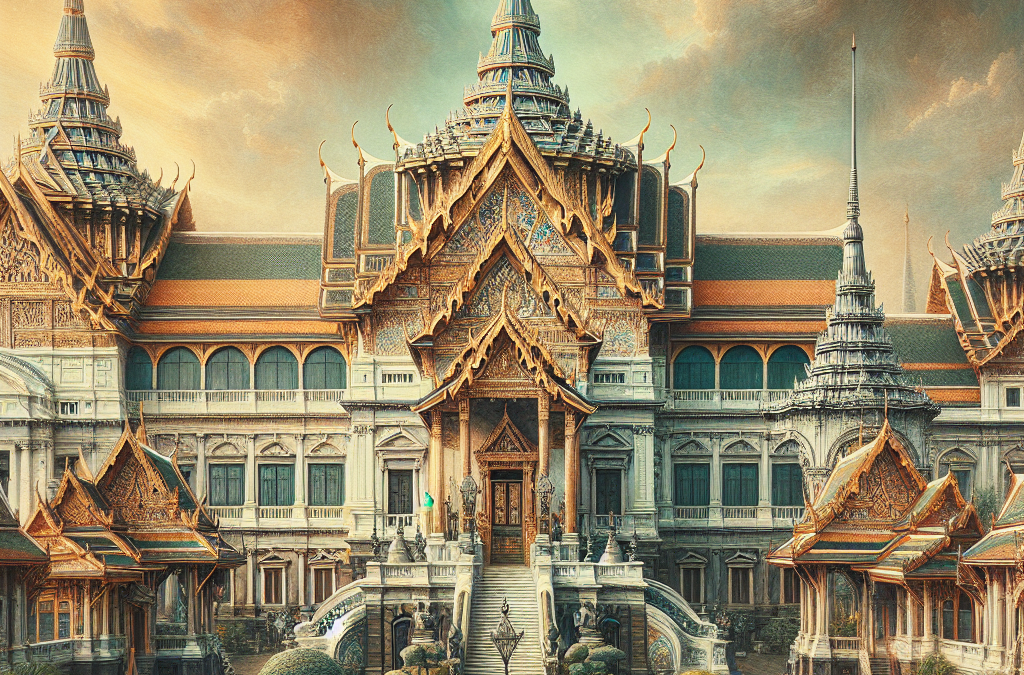
Immerse yourself in the fascinating beauty of Bangkok’s iconic Grand Palace and its breathtaking architecture. Step into a world of meticulous craftsmanship and intricate details as you explore the ornate buildings, dazzling temples, and stunning gardens. From the impressive Wat Phra Kaew to the exquisite Emerald Buddha, every corner of this magnificent palace is sure to leave you in awe. Don’t miss the chance to discover the cultural heritage and historical significance that this architectural masterpiece holds. On the other hand, if you’re seeking relaxation and rejuvenation, head to Ranong and experience the therapeutic hot springs that are renowned for their healing properties. Soak in the warm, mineral-rich waters amidst a tranquil natural environment and let the restorative powers of the springs wash away your worries. Whether you’re seeking cultural exploration or a soothing retreat, these two destinations are bound to offer an unforgettable experience.
The Grand Palace
Overview
Welcome to the majestic Grand Palace in Bangkok! As one of the most iconic landmarks in Thailand, the Grand Palace is a must-visit destination for anyone exploring this vibrant city. This sprawling complex is not just a palace but also a symbol of the Thai monarchy and a showcase of stunning architecture and cultural heritage. Prepare to be amazed as you immerse yourself in the grandeur and beauty of this extraordinary place.
History
The history of the Grand Palace dates back to 1782 when King Rama I decided to move the capital from Thonburi to its present location in Bangkok. The palace complex served as the official residence of the Thai kings for over 150 years. Today, it continues to play an important role in both ceremonial and administrative functions.
Architecture
The architecture of the Grand Palace is a harmonious blend of Thai, European, and Chinese influences. The intricate and lavish designs reflect the opulence and grandeur of the Thai monarchy. The golden roofs, colorful murals, and exquisite details make every structure within the complex a masterpiece. From the soaring spires to the delicate carvings, every corner of the Grand Palace is a visual feast for the eyes.
Exploring The Grand Palace
Ticket Pricing
To explore the Grand Palace, you’ll need to purchase an entrance ticket. The ticket price includes admission to all the major attractions within the complex. The prices vary depending on whether you are a Thai citizen or a foreign visitor. Keep in mind that there may be additional fees for special exhibitions or events.
Dress Code
As the Grand Palace is considered a sacred site, there is a strict dress code in place. Both men and women are required to dress modestly, with knees and shoulders covered. Avoid wearing sleeveless shirts, shorts, or flip-flops. If you’re not appropriately dressed, don’t worry! You can rent clothing at the entrance to ensure compliance with the dress code.
Opening Hours
The Grand Palace is open to visitors from 8:30 am to 3:30 pm. It is recommended to arrive early to beat the crowds and make the most of your visit. The complex can get quite busy, especially during peak tourist seasons, so plan your visit accordingly.
Getting There
Located in the heart of Bangkok, the Grand Palace is easily accessible by public transportation. You can take a taxi, hop on a bus, or use the BTS Skytrain. Be prepared for some walking as the entrance to the palace is a short distance from the nearest public transportation stops. It’s also a good idea to check for any road closures or traffic updates before your visit.
Main Structures of the Grand Palace
Wat Phra Kaew
At the heart of the Grand Palace lies Wat Phra Kaew, also known as the Temple of the Emerald Buddha. This sacred Buddhist shrine houses the famous Emerald Buddha, a highly revered and cherished symbol of Thai culture. The temple complex is lavishly adorned with gold and intricate carvings, creating a serene and awe-inspiring atmosphere.
Chakri Maha Prasat Hall
The Chakri Maha Prasat Hall is the grandest building within the Grand Palace complex. This majestic structure serves as the throne hall of the Thai kings and is used for important ceremonial events. With its distinctive blend of European and Thai architectural styles, the hall symbolizes the harmonious coexistence of tradition and modernity in Thailand.
Dusit Maha Prasat Hall
The Dusit Maha Prasat Hall, also known as the Funeral Hall, is a striking example of Thai craftsmanship and design. This hall is primarily used for royal funerals and houses the remains of past Thai kings. The intricate woodwork and intricate details on the pillars and walls showcase the meticulous attention to detail that went into its construction.
Amarin Vinichai Hall
The Amarin Vinichai Hall is an elegant reception hall used for hosting official ceremonies and welcoming foreign dignitaries. The hall’s architecture combines traditional Thai elements with European influences, creating a unique and captivating ambiance. From the ornate ceiling to the beautiful chandeliers, every detail reflects the regal grandeur of the Thai monarchy.
Phra Maha Monthian Group
The Phra Maha Monthian Group is a collection of eight stunning buildings that served as the residences of high-ranking members of the royal family. Each building has its own distinct architectural style and is surrounded by meticulously maintained gardens. Exploring this group of buildings offers a glimpse into the opulent lifestyle of the Thai nobility.
Rajaratana Bhakti Hall
The Rajaratana Bhakti Hall, also known as the Royal Reception Hall, is a magnificent structure where important state receptions and banquets are held. With its golden spires and intricate detailing, this hall exudes a sense of grandeur and elegance. The hall’s versatile design allows for flexibility in hosting various events and functions.
Borom Phiman Mansion
The Borom Phiman Mansion is a beautiful residence within the Grand Palace complex. This European-style mansion was built during the reign of King Rama VI and served as his personal residence. The mansion’s interior showcases the influence of European architectural styles, with intricate woodwork, decorative ceilings, and elegant furnishings.
Siwalai Gardens
The Siwalai Gardens are a serene and tranquil oasis within the Grand Palace complex. These meticulously landscaped gardens offer a peaceful escape from the hustle and bustle of the city. Take a leisurely stroll among the lush greenery, admire the vibrant flowers, and find a quiet spot to relax and rejuvenate.
The Emerald Buddha
Significance
The Emerald Buddha, enshrined within Wat Phra Kaew, holds immense religious and cultural significance in Thailand. It is considered the protector of the Thai monarchy and is believed to bring prosperity and good fortune to the kingdom. The Emerald Buddha is highly revered by the Thai people, and paying respects to this sacred image is a deeply spiritual experience.
History
The history of the Emerald Buddha can be traced back to the 15th century when it was discovered in Chiang Rai. The Buddha statue has since been relocated several times before finding its permanent home within Wat Phra Kaew in the Grand Palace. The statue is carved from a single block of jade and sits atop a golden pedestal, surrounded by ornate decorations.
Legend and Mythology
According to legend, the Emerald Buddha originated in India and was brought to Laos before finding its way to Thailand. It is believed that the statue possesses magical powers and brings blessings and protection to those who venerate it. The Emerald Buddha’s mythological significance is deeply intertwined with the history and culture of the Thai monarchy.
Museum and Galleries
Queen Sirikit Museum of Textiles
The Queen Sirikit Museum of Textiles showcases a magnificent collection of Thai textiles, highlighting the rich and diverse weaving traditions of the country. The museum explores the history, techniques, and cultural significance of Thai textiles, offering visitors a fascinating insight into this unique art form. From intricate silk patterns to traditional costumes, the exhibits are a feast for the eyes.
Royal Thai Decorations and Coins Pavilion
The Royal Thai Decorations and Coins Pavilion houses an extensive collection of royal decorations, medals, and commemorative coins. This pavilion provides an opportunity to delve into the fascinating world of Thai royal insignia and numismatics. Learn about the symbolism behind these decorations and the historical events they commemorate.
Coin Pavilion
The Coin Pavilion is dedicated to showcasing the evolution of Thai currency throughout history. From ancient coins to modern-day banknotes, the exhibits shed light on the monetary system of Thailand. Gain a deeper understanding of the economic and cultural aspects of Thai society as you explore the wide array of coins on display.
Insight into Thai Art and Craft
The Grand Palace also offers various galleries that provide insights into traditional Thai art and craft. From intricate woodcarvings to delicate ceramics, these galleries showcase the talent and craftsmanship of Thai artisans. Immerse yourself in the beauty of Thai art as you discover the traditional techniques and artistic traditions that have been passed down through generations.
Chapel of the Emerald Buddha
Phra Ubosot
The Phra Ubosot, also known as the Ordination Hall, is the most sacred building within the Wat Phra Kaew complex. This hall is used for important religious ceremonies, including the ordination of Buddhist monks. The exquisite murals and intricate decorations inside the Phra Ubosot depict scenes from Buddhist scriptures and serve as a spiritual reminder for those who visit.
Mondop
The Mondop is a small, square-shaped building that houses important Buddhist scriptures. This structure is surrounded by ornate decorations and offers a serene space for meditation and reflection. The Mondop’s architecture reflects traditional Thai design, showcasing the intricate craftsmanship that is prevalent throughout the Grand Palace complex.
Sala Rai
The Sala Rai, or Pavilion of Refreshing Breezes, is a beautiful open-air pavilion located near the Ubosot. This pavilion provides a peaceful setting where visitors can rest and admire the surrounding beauty of the Wat Phra Kaew complex. Take a moment to enjoy the gentle breeze and soak in the spiritual atmosphere of this tranquil spot.
Royal Funeral and Coronation Halls
Phra Thinang Chakraphat Phiman
The Phra Thinang Chakraphat Phiman, or the Royal Residence, is an impressive structure that served as the residence of King Rama I. This hall showcases a blend of European and Thai architectural styles and offers a glimpse into royal living during the early years of the Grand Palace’s history. With its opulent interiors and majestic exteriors, this hall is a testament to the grandeur of the Thai monarchy.
Phra Thinang Monthian Dharma
The Phra Thinang Monthian Dharma is an elegantly designed hall that traditionally served as the audience chamber for receiving foreign envoys. Throughout history, this hall witnessed the signing of significant treaties and the reception of important guests. The intricate woodwork and beautiful furnishings make this hall a true gem within the Grand Palace complex.
Dusit Maha Prasat Throne Hall
The Dusit Maha Prasat Throne Hall, also known as the Audience Hall, is a majestic structure that showcases the power and grandeur of the Thai monarchy. This hall, with its towering spires and exquisite detailing, was used for important ceremonies, including royal coronations. The striking architecture and elaborate decorations make this hall a sight to behold.
Outer Court and Inner Court
Outer Court
The Outer Court of the Grand Palace is the area where important royal ceremonies and events take place. This spacious and meticulously landscaped courtyard serves as a backdrop for various festivities, including royal processions and state banquets. The Outer Court provides a sense of grandeur and scale, reflecting the significance of the events held within its walls.
Inner Court
The Inner Court, also known as the Central Court, is the private residence of the Thai royal family and is not accessible to the general public. This secluded area comprises a series of interconnected structures that serve as living quarters for the royal family and their attendants. The Inner Court offers a glimpse into the private lives of the Thai monarchs, showcasing the blend of tradition and modernity that defines the Thai monarchy.
Throne Halls and Reception Rooms
Amarin Vinichai Hall
The Amarin Vinichai Hall, also known as the Royal Reception Hall, is a magnificent structure where important state receptions and banquets are held. With its golden spires and intricate detailing, this hall exudes a sense of grandeur and elegance. The hall’s versatile design allows for flexibility in hosting various events and functions.
Chakri Maha Prasat Hall
The Chakri Maha Prasat Hall is the grandest building within the Grand Palace complex. This majestic structure serves as the throne hall of the Thai kings and is used for important ceremonial events. With its distinctive blend of European and Thai architectural styles, the hall symbolizes the harmonious coexistence of tradition and modernity in Thailand.
Dusit Maha Prasat Hall
The Dusit Maha Prasat Hall, also known as the Funeral Hall, is a striking example of Thai craftsmanship and design. This hall is primarily used for royal funerals and houses the remains of past Thai kings. The intricate woodwork and intricate details on the pillars and walls showcase the meticulous attention to detail that went into its construction.
Conclusion
The Grand Palace is a true masterpiece that encapsulates the rich history, culture, and artistry of Thailand. From the awe-inspiring temples and halls to the lush gardens and galleries, every corner of this complex tells a story. As you explore the Grand Palace, you’ll embark on a journey through time, immersing yourself in centuries of Thai heritage. Don’t miss the opportunity to witness the splendor and magnificence of the Grand Palace – an experience that will leave you in awe of Thailand’s royal legacy.
 English