
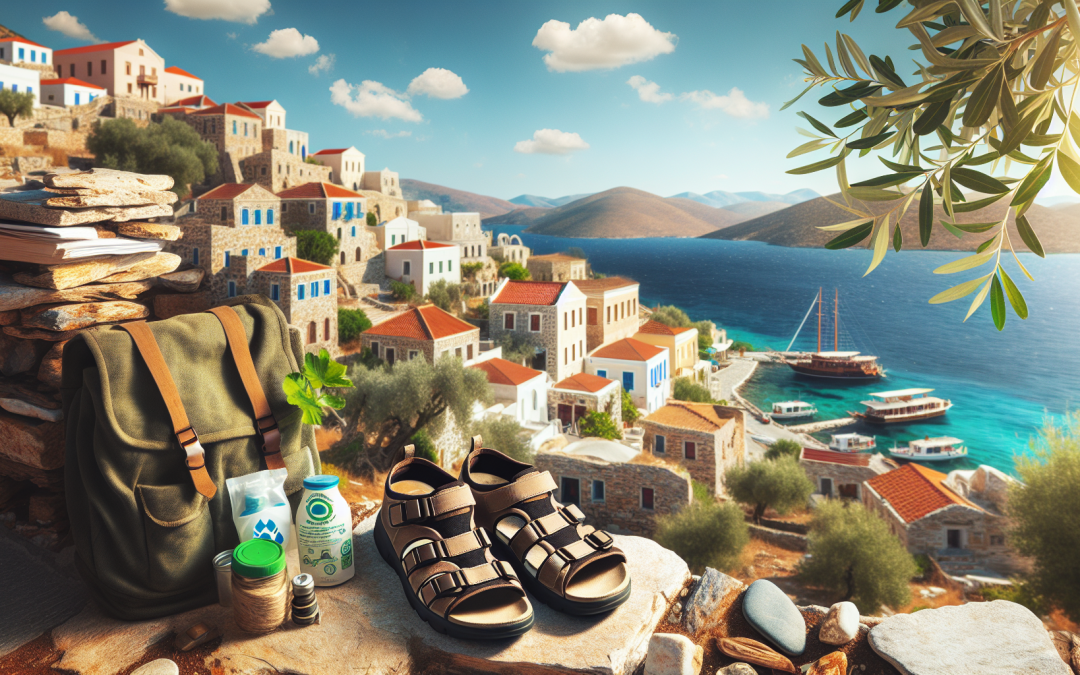
Planning a trip to Greece? Get ready for a truly magical experience as you explore the legendary lands where the sun kisses the sea and history whispers in the breeze. To make the most of your adventure, consider these sustainable travel tips. Start by visiting in the spring or fall to avoid crowds and enjoy the perfect weather. Check if you need a visa before packing your bags and budget accordingly, keeping in mind that some islands can be pricier. Show respect for Greek culture by learning a few phrases and customs, and stay safe while exploring the historical wonders at every corner. Don’t miss the chance to island hop and lounge on the beautiful beaches, indulge in Greek cuisine, and immerse yourself in the vibrant nightlife. Take advantage of Greece’s transport system to discover hidden gems or consider renting a car for an adventurous journey off the beaten path. Choose accommodations that suit your preferences, shop for unique souvenirs, and time your visit with local festivals for a truly immersive experience. For those seeking adventure, explore the hiking trails, museums, and art scene, or indulge in Greek wine and take a guided archaeological tour. Consider a luxurious cruise or partake in water sports and traditional music and dance. Capture the breathtaking moments with your camera, ensuring you have travel insurance for peace of mind and grab a local SIM card for easy connectivity. Pack smart, travel sustainably, and embrace the family-friendly and romantic escapes Greece has to offer. Sustainable travel practices such as using public transportation, supporting local businesses, and minimizing plastic use will ensure you leave a positive impact on this beautiful destination.
First Things First, When to Visit
Greece, with its Mediterranean charm, is stunning all year round. But if you want to dodge the crowds and still catch some sun, think about visiting in the spring or fall. The weather is just perfect, not too hot, not too cold. Imagine strolling through the narrow streets of Athens or enjoying a peaceful day at the beach without the chaos of peak tourist season. Spring and fall offer a more relaxed and authentic experience of Greece.
Consider visiting in the spring or fall
Spring is a magical time in Greece when nature awakens from its winter slumber. The blooming flowers, lush green landscapes, and mild temperatures create a picturesque setting. It’s the perfect time to explore the ancient ruins and historical sites without the scorching summer heat or the crowds of tourists. Fall, on the other hand, brings a milder climate and smaller crowds, making it an ideal time to visit the islands and enjoy the beautiful beaches. Plus, you’ll have the opportunity to witness the harvest season and taste the freshest local produce.
Weather is perfect in these seasons
During spring and fall, the weather in Greece is pleasant and ideal for outdoor activities. The temperature ranges from the comfortable low 60s to high 70s Fahrenheit (mid-teens to mid-20s Celsius), allowing you to comfortably explore the cities, hike the trails, and soak up the sun on the beaches. Whether you’re a history buff, nature lover, or beach enthusiast, the mild and enjoyable weather during these seasons will enhance your overall Greek experience.
Visa Stuff
Now, before you pack your bags, check if you need a visa. It’s a straightforward process for many, but it’s always good to be sure. Planning ahead and taking care of the necessary paperwork will ensure a smooth journey to Greece.
Check if you need a visa before you pack your bags
Visa requirements for Greece vary depending on your citizenship. Citizens of the European Union (EU) countries and the Schengen Area can enter Greece with just a valid passport or national identity card. Travelers from certain countries, such as the United States, Canada, Australia, and Japan, can visit Greece visa-free for up to 90 days within a 180-day period. However, it’s essential to check the specific visa requirements for your country of residence before traveling. You can find detailed information on the official website of the Greek embassy or consulate in your home country.
Do the necessary paperwork
If your country requires a visa for travel to Greece, make sure to gather all the necessary documents and complete the application process in advance. This typically includes a passport with a validity of at least six months beyond your intended stay, a completed visa application form, proof of travel insurance, and proof of accommodation or travel itinerary. It’s recommended to apply for the visa well in advance of your planned trip to avoid any last-minute complications. Be sure to check the processing times for visa applications and factor that into your travel planning.
Budgeting for the Trip
Ah, the big question – how much will it cost? Well, Greece can cater to luxury seekers and backpackers alike. Just remember, the islands can be pricier, especially in peak season. Understanding the cost of living in Greece and budgeting accordingly will ensure you have a fantastic experience without breaking the bank.
Greece caters to luxury seekers and backpackers
Greece offers a wide range of accommodation options to suit different budgets. From luxurious resorts and boutique hotels to budget-friendly hostels and guesthouses, there is something for everyone. In major cities like Athens and Thessaloniki, you’ll find a variety of dining options, from high-end restaurants to budget-friendly tavernas and street food stalls. Exploring the local markets and grocery stores can be an affordable way to experience authentic Greek cuisine without overspending. Transportation, including public buses, trams, and the metro, is reasonably priced and convenient for getting around the cities.
Islands can be pricier, especially in peak season
While Greece offers affordable options for travelers, it’s important to note that the popular islands can be more expensive, especially during the peak tourist season. Accommodation prices tend to rise, along with the cost of dining and activities. If you’re on a tighter budget, consider visiting the islands in the shoulder season or exploring lesser-known islands that offer a similar experience at a lower cost. Researching and comparing prices in advance will help you plan your budget accordingly and make the most of your trip to Greece.
Respecting the Culture
Greeks are famously hospitable, but it’s nice to show respect. A little nod to their customs, a polite ‘kalimera’ (good morning) can go a long way. Immersing yourself in the local culture and customs is not only respectful but also enriching. Here are a few tips to ensure you have a positive cultural experience in Greece.
Show respect to Greek customs
Greece has a rich cultural heritage with deep-rooted traditions. Being respectful of these customs will help you connect with the locals and enhance your overall experience. When visiting churches or monasteries, dress modestly and avoid wearing revealing clothing. It’s also customary to remove your shoes before entering someone’s home. When dining at a restaurant, it’s polite to wait for the host to initiate the toast before taking a sip of your drink.
Polite greetings can go a long way
Greeks value courtesy and politeness, so it’s always a good idea to greet the locals in their language. Learning a few basic Greek phrases like “kalimera” (good morning), “efharisto” (thank you), and “parakalo” (please) will show that you’ve made an effort to connect with their culture. Saying hello and goodbye with a smile goes a long way in fostering positive interactions with the locals. Remember that the Greek people are known for their warm hospitality, and embracing their customs and language will make your trip even more rewarding.
Language Basics
Speaking of which, why not learn a few Greek phrases? It’s not just polite, it’s fun! Imagine ordering your ‘gyros’ like a local! Learning a few basic Greek phrases will not only impress the locals but also make your interactions more enjoyable and meaningful. Here are some essential phrases to get you started:
- “Kalimera” (ka-lee-MEH-rah) – Good morning
- “Efharisto” (ef-ha-REES-toh) – Thank you
- “Parakalo” (pa-ra-KA-loh) – Please
- “Ne” (neh) – Yes
- “Ochi” (OH-hee) – No
- “Signomi” (see-GNO-me) – Excuse me, sorry
- “Poso kanei?” (POH-soh KAH-nei) – How much does it cost?
- “Pou einai i paralia?” (poo EE-neh ee pah-rah-LYAH) – Where is the beach?
Using these phrases will not only help you navigate through everyday situations like ordering food or asking for directions but also show respect for the local culture. Don’t be afraid to make mistakes; the locals will appreciate your effort and may even help you improve your Greek language skills.
Staying Safe
Greece is pretty safe, but like anywhere in the world, keep your wits about you, especially in touristy spots. As with any travel destination, it’s essential to prioritize your safety and take necessary precautions when visiting Greece. By following common safety guidelines, you can ensure a worry-free and memorable trip.
Keep your wits about you, especially in touristy spots
While Greece is generally a safe country for travelers, it’s always wise to exercise caution, particularly in popular tourist areas. Keep an eye on your belongings and be aware of your surroundings to avoid becoming a target for pickpockets. Avoid displaying valuable items or large sums of cash in public, and use hotel safes to store your valuables. Be cautious when approached by strangers offering unsolicited services or assistance, as they may have ulterior motives. By staying vigilant and using common sense, you can minimize the risk of encountering any safety concerns during your trip.
Follow common safety precautions
It’s important to follow basic safety precautions during your time in Greece. Make sure to have copies of important documents, such as your passport and travel insurance, stored digitally or in a separate location from the originals. Familiarize yourself with emergency contact numbers and the location of the nearest embassy or consulate. Be mindful of local laws and customs, including adhering to traffic rules if you plan to drive in Greece. Additionally, it’s advisable to have travel insurance that covers medical emergencies and trip cancellations. By taking these simple precautions, you can ensure a safe and enjoyable journey in Greece.
History at Every Corner
Now, let’s talk about history. From the majestic Acropolis to the mysterious ruins of Delphi, Greece is a living museum. Each site tells a story of ancient gods, heroes, and a civilization that shaped our world. Immerse yourself in the rich history of Greece and be transported back in time.
Explore the Acropolis and other ancient ruins
No trip to Greece is complete without visiting the Acropolis, one of the most iconic historical sites in the world. Marvel at the Parthenon, an ancient temple dedicated to the goddess Athena, and take in the breathtaking views of Athens from the hilltop. Delve deeper into the history of Greece by exploring other ancient ruins such as the Temple of Zeus, the Ancient Agora, and the Theatre of Dionysus. Each site offers a glimpse into the lives of the ancient Greeks and their architectural achievements.
Learn about ancient Greek civilization
Greece is the birthplace of Western civilization and has a rich cultural heritage that spans thousands of years. Immerse yourself in the fascinating world of ancient Greece by visiting museums like the National Archaeological Museum in Athens and the Heraklion Archaeological Museum in Crete. These museums house a vast collection of artifacts, including sculptures, pottery, and jewelry, which offer insights into the art, politics, and daily life of ancient Greek civilization. Preparing for your visit by reading books or watching documentaries about ancient Greek history will further enhance your appreciation for the sites you’ll explore.
Island Hopping Adventure
And the islands! Each one has its own personality. Mykonos is buzzing with energy, Santorini boasts breathtaking views, while Crete is a tapestry of history, beaches, and mountains. Embark on an island hopping adventure and discover the diversity and charm of the Greek islands.
Each Greek island has its own unique personality
Greece is home to thousands of islands, each with its own distinct character and allure. Whether you’re seeking a lively party scene, stunning beaches, or a tranquil mountain escape, there’s an island in Greece that will cater to your preferences. For those looking for vibrant nightlife and a cosmopolitan atmosphere, Mykonos is the place to be. Santorini, with its iconic white buildings and breathtaking sunsets, offers a romantic and picturesque setting. If you’re a history lover, Crete is a treasure trove of ancient ruins and archaeological sites, combined with stunning landscapes and picturesque coastal towns. Exploring multiple islands allows you to experience the diversity and charm that Greece has to offer.
Discover popular islands like Mykonos and Santorini
While Greece has countless islands to explore, certain destinations have gained international acclaim for their beauty and unique experiences. Mykonos, known as the “Island of the Winds,” entices visitors with its vibrant nightlife, picturesque windmills, and beautiful sandy beaches. The island’s lively atmosphere and cosmopolitan vibe make it a favorite among partygoers and luxury seekers. Santorini, famous for its breathtaking sunsets and volcanic landscapes, offers a romantic and truly unforgettable experience. The island’s distinctive white and blue buildings perched on cliffs overlooking the caldera create a postcard-worthy scene that has captivated travelers from around the world. Exploring these popular islands will give you a taste of the Greek island experience and leave you longing for more.
Beach Time
Experience the beauty of Greek beaches and relax on Navagio Beach. Greece is renowned for its stunning coastline and crystal-clear waters, making it a paradise for beach lovers. Whether you prefer secluded coves, lively beach clubs, or family-friendly shores, there is a beach in Greece that will fulfill your desires.
Experience the beauty of Greek beaches
Greece boasts some of the most beautiful beaches in the world, each with its own unique charm. From the famous pink sand beaches of Elafonisi in Crete to the golden shores of Porto Katsiki in Lefkada, the variety of beaches in Greece is astounding. Explore the hidden gems tucked away on lesser-known islands, such as Balos Beach in Crete or Navagio Beach in Zakynthos, which is famous for its shipwreck washed ashore. Whether you’re seeking relaxation, water sports, or stunning natural beauty, Greece has a beach that will leave you in awe.
Relax on Navagio Beach
One beach that stands out among the many stunning options in Greece is Navagio Beach, also known as Shipwreck Beach or Smugglers Cove. Located on the island of Zakynthos, Navagio Beach is nestled between towering cliffs and features turquoise waters and powdery white sand. The beach is named after a shipwreck that rests on its shore, adding to the allure and making it a must-visit spot for photographers and beach enthusiasts. Accessible only by boat, Navagio Beach offers a secluded and picturesque escape, surrounded by breathtaking natural beauty. Spend a leisurely day sunbathing, swimming, and taking in the awe-inspiring landscape.
Eco-Friendly Travel in Greece
Be a responsible traveler. Adopt sustainable travel practices like using public transportation, supporting local businesses, and minimizing plastic use. Greece’s natural beauty and delicate ecosystems deserve to be preserved for future generations to enjoy. By practicing eco-friendly travel, you can minimize your impact on the environment and contribute to the sustainability of the destinations you visit.
Adopt sustainable travel practices in Greece
There are several ways you can embrace sustainable travel practices during your time in Greece. Opt for public transportation, such as buses or trams, whenever possible to reduce carbon emissions and ease the strain on local infrastructure. Support locally-owned businesses, including accommodations, restaurants, and shops, to contribute to the local economy. Choose eco-friendly accommodation options that prioritize environmental sustainability, such as hotels with energy-efficient practices or eco-lodges that promote responsible tourism. Minimize your use of single-use plastics by bringing a reusable water bottle and reusable shopping bags. Additionally, be mindful of your waste and dispose of it properly by utilizing recycling facilities and following local regulations.
Use public transportation and minimize plastic use
Taking advantage of Greece’s well-connected public transportation system is not only eco-friendly but also a convenient way to explore the country. Buses and trains are widely available, and many popular tourist destinations can be reached by public transport. This reduces the need for individual car rentals and the associated carbon emissions.
Additionally, Greece’s natural landscapes and coastal areas are particularly susceptible to plastic pollution. Help combat this issue by minimizing your plastic use during your stay. Carry a reusable water bottle to refill at designated water stations or at your accommodation. Say no to plastic straws and bring your own reusable straw if needed. Be conscious of your plastic waste and ensure proper disposal in designated recycling bins or facilities.
By adopting these sustainable travel practices, you can make a positive impact on the environment and contribute to the long-term preservation of Greece’s natural beauty.
Conclusion
Greece offers a magical journey through history, stunning landscapes, and warm hospitality. From exploring ancient ruins to island hopping adventures, you’ll be captivated by the rich culture and diverse experiences that Greece has to offer. By considering the best time to visit, taking care of visa requirements, budgeting wisely, respecting the local culture, and embracing sustainable travel practices, you can ensure a memorable and fulfilling trip to this legendary destination. So pack your bags, immerse yourself in the wonders of Greece, and create lifelong memories. Kaló taxídi! (Have a good trip!)
 English