
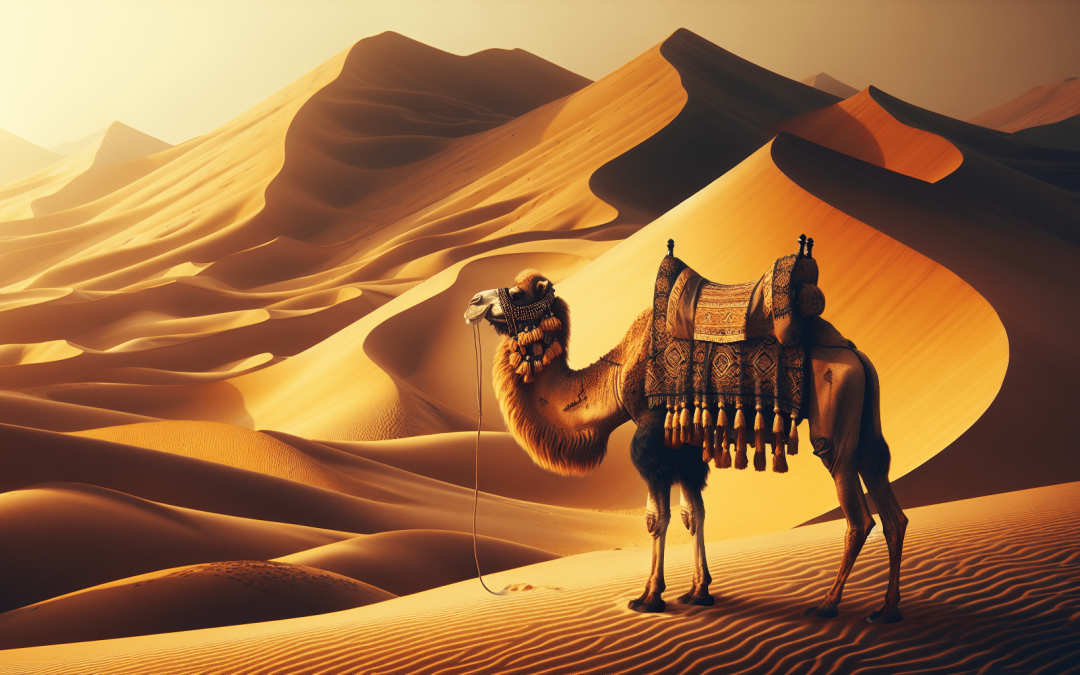
Imagine yourself in a vast desert, the golden sand stretching as far as the eye can see. The adrenaline rushes through your veins as you conquer the towering sand dunes in a thrilling dune bashing adventure. Then, you hop on the back of a majestic camel, traversing the endless desert landscape and immersing yourself in the true essence of Arabia. As night falls, you find yourself captivated by the enchanting traditional Arabian nights, with mesmerizing performances and delicious cuisine. This is what awaits you on a Desert Safari, an experience filled with exhilaration, wonder, and a glimpse into the rich culture of the Arabian Peninsula.
Dune Bashing
What is Dune Bashing?
Dune bashing is an exhilarating activity that involves driving over the sand dunes in a 4×4 vehicle. It is a popular adventure sport in desert regions, particularly in the Arabian Desert. The activity provides an adrenaline rush as drivers navigate through the sandy terrain, gliding up and down the dunes, and performing thrilling maneuvers.
How to Prepare for Dune Bashing
Before embarking on a dune bashing adventure, it is important to make some preparations. Firstly, dress appropriately for the desert climate by wearing light, breathable clothing and comfortable shoes. Apply sunscreen to protect your skin from the sun’s rays and bring a hat and sunglasses to shield your face.
It is also essential to stay hydrated, so remember to bring plenty of water for the duration of the activity. Inform your driver or tour guide if you have any medical conditions that might require special attention.
Safety Measures during Dune Bashing
While dune bashing can be an exhilarating and enjoyable experience, it is important to prioritize safety. Always ensure that you buckle up and fasten your seatbelt before the ride begins. Listen carefully to your driver or tour guide’s instructions and follow their guidance throughout the activity.
It is also crucial to remain seated and avoid any sudden movements that might destabilize the vehicle. Additionally, it is advisable to keep your arms and legs inside the vehicle to prevent any injuries. Lastly, be mindful of the environment and avoid any reckless driving that might damage the delicate ecosystem of the desert.
Popular Dune Bashing Locations
The Arabian Desert is renowned for its stunning sand dunes, making it a prime destination for dune bashing. Some popular locations for this thrilling activity include Dubai, Abu Dhabi, and Sharjah in the United Arab Emirates, as well as the deserts of Oman. These regions offer a diverse range of dune sizes and terrains, providing an unforgettable experience for adventure enthusiasts.
Best Time for Dune Bashing
The best time for dune bashing is typically during cooler months, when the temperatures are more manageable. From October to April, the weather is milder and more pleasant, allowing visitors to fully enjoy their dune bashing experiences. It is important to avoid the scorching summer months when temperatures can soar to extreme levels, making the activity uncomfortable and potentially dangerous.
Camel Riding
Overview of Camel Riding
Camel riding is a unique and culturally significant activity that allows you to experience the traditional mode of transportation in the Arabian Desert. For centuries, camels have been an integral part of Arab culture, serving as a means of transportation, a source of food and milk, and a companion to desert nomads.
Traditional Arabian Camel Riding
Traditional Arabian camel riding provides a deeper understanding of the region’s history and heritage. In this type of camel riding, you have the opportunity to ride on a camel’s back while being guided by an experienced Bedouin or local guide. These guides often share interesting anecdotes and knowledge about the camels, the desert, and the Bedouin way of life.
Tourist-Friendly Camel Riding
For those seeking a more leisurely and tourist-friendly camel riding experience, many desert regions offer camel rides tailored to visitors. These rides are shorter in duration, usually lasting around 20 to 30 minutes, and are guided by trained professionals. They provide an opportunity to enjoy the scenic beauty of the desert, capture memorable photographs, and learn about the camels and their significance in Arabic culture.
Camel Riding Tips for Beginners
If you are new to camel riding, it can be helpful to keep a few tips in mind. Firstly, listen carefully to your guide and follow their instructions regarding mounting and dismounting the camel. Maintaining a firm grip on the handlebars is important to ensure a stable and comfortable ride. It is also advisable to wear comfortable clothing and closed-toe shoes to protect your feet from rubbing against the saddle.
Additionally, be prepared for the unique motion of a camel’s gait. It may take some time to adjust to the swaying movement, so it is important to relax and enjoy the experience. Finally, don’t forget to express gratitude to your camel after the ride, as these gentle creatures deserve appreciation for their role in Arabian culture.
Camel Riding Etiquette
When participating in camel riding, it is important to be respectful and mindful of the camels and their handlers. Always approach the camels calmly and refrain from sudden movements or loud noises that may startle them. Treat the camels with kindness and gratitude, as they are an important part of the culture and history of the Arabian Desert.
Traditional Arabian Nights
History and Significance of Arabian Nights
Arabian Nights, also known as One Thousand and One Nights, is a collection of Middle Eastern folk tales and stories that have captivated audiences for centuries. These tales originated from various countries in the Arab world, including Egypt, Syria, Iraq, and Saudi Arabia, and were spread through oral storytelling traditions.
Arabian Nights holds great cultural and historical significance. The stories not only entertain but also provide insights into the rich heritage, values, and beliefs of Arabian society. They often feature themes of love, adventure, morality, and the power of storytelling itself.
Cultural Shows and Entertainment
Experiencing a traditional Arabian Nights performance is a must for anyone visiting the Middle East. These shows often take place in grand tents adorned with colorful fabrics and traditional decorations, creating an authentic ambiance. Performers showcase various art forms, including music, dance, puppetry, and theatrical storytelling.
The performances often include belly dancing, a mesmerizing form of dance characterized by graceful movements and intricate hip articulations. The rhythmic beats of traditional Arabic music create an enchanting atmosphere that transports you to the mystical world of Arabian Nights.
Traditional Arabian Cuisine
No Arabian Nights experience is complete without indulging in the delicious and aromatic traditional Arabian cuisine. Arabian cuisine is a reflection of the region’s diverse history and cultural influences, combining flavors from the Middle East, North Africa, and Persia.
From fragrant rice dishes like biryani and mandi to succulent kebabs and shawarma, Arabian cuisine offers a tantalizing array of flavors and spices. Freshly baked bread, such as pita and khubz, is a staple in traditional Arabian meals, often served with an assortment of mezze, which include hummus, tabbouleh, and baba ganoush.
Henna Tattooing and Traditional Attire
Henna tattooing is an integral part of Arabian Nights experiences, allowing visitors to adorn intricate temporary designs on their hands and feet. Henna, extracted from the henna plant, is used to create stunning patterns and motifs, symbolizing joy, luck, and beauty. It is a traditional art form that has been practiced in the Arab world for centuries.
Visitors to Arabian Nights events often have the opportunity to dress in traditional Arabian attire, such as flowing kaftans and thobes. These garments are not only stylish but also highly practical in the desert climate, providing comfort and protection against the sun and sand.
Experience the Bedouin Lifestyle
Arabian Nights experiences often offer glimpses into the traditional Bedouin lifestyle, allowing visitors to immerse themselves in the customs and traditions of the nomadic desert dwellers. Bedouins are known for their hospitality, generosity, and deep connection with the land.
Guests can participate in Bedouin-inspired activities such as falconry displays, camel rides, or enjoying a cup of traditional Arabic coffee (gahwa) in a Bedouin tent. These activities provide a unique opportunity to connect with the desert environment and gain a deeper appreciation for the Bedouin way of life.
Quad Biking
Introduction to Quad Biking
Quad biking, also known as ATV (All-Terrain Vehicle) riding, is a thrilling off-road adventure that allows you to explore the desert landscapes in a powerful four-wheeled vehicle. With their sturdy construction and wide tires, ATVs are designed to conquer rugged terrains and provide an adrenaline-pumping ride.
Quad biking offers an exciting alternative to other desert activities, such as dune bashing and camel riding. It provides a sense of freedom and control as you navigate through the sand dunes, conquer rocky terrains, and speed across the open desert.
Safety Measures for Quad Biking
As with any adventure sport, ensuring your safety while quad biking is of utmost importance. Before embarking on a quad biking adventure, always listen to the instructions provided by your guide or instructor. They will explain the basic controls of the ATV and familiarize you with its operation.
It is crucial to wear appropriate safety gear, including a helmet, goggles, and protective clothing. These items will safeguard you against any potential injuries or flying debris. Additionally, ensure that your quad bike is in good working condition before setting off on your excursion. Regular maintenance and inspections are essential to minimize any mechanical failures during your ride.
Quad Biking in the Desert
The desert provides an ideal playground for quad biking enthusiasts. The vast expanse of sandy dunes, rocky landscapes, and open plains offers a variety of terrains to explore. From gentle slopes to steep hills, the desert offers challenges for all skill levels, making it suitable for both beginners and experienced riders.
As you navigate the desert on your quad bike, you will experience the thrill of gliding over the sand and conquering the ever-changing terrain. The adrenaline rush, coupled with the breathtaking scenery, creates a truly unforgettable adventure.
Adventurous Quad Biking Trails
Many desert regions offer specially designed quad biking trails that cater to different riding abilities. These trails often wind through scenic desert landscapes, offering a mix of challenging and enjoyable sections.
Beginners can opt for shorter and less technical trails that provide a taste of the quad biking experience without overwhelming them. These trails tend to be more flat and manageable, allowing riders to gain confidence and learn the basics of quad biking.
For more experienced riders seeking an adrenaline rush, advanced trails with steep dune climbs, sharp turns, and rough terrains present a thrilling challenge. These trails require a higher level of skill and provide an opportunity to test your limits while enjoying the excitement of quad biking.
Thrills of Off-Roading on a Quad Bike
Quad biking provides a unique off-roading experience that allows you to explore areas unreachable by conventional vehicles. The agility and maneuverability of quad bikes enable you to navigate through narrow paths, conquer obstacles, and access remote desert locations.
The sensation of speed and the freedom to explore vast expanses of untouched desert is what makes quad biking so exhilarating. It offers an adrenaline-fueled adventure that is perfect for those seeking a thrilling and memorable desert experience.
Sandboarding
Introduction to Sandboarding
Sandboarding is a thrilling adventure sport that allows you to ride down sandy slopes, similar to snowboarding on snow-covered mountains. It is a popular activity in desert regions, offering a unique combination of adrenaline and stunning desert scenery.
Sandboards are similar to snowboards, but they are specifically designed for riding on sand. They are typically made of durable materials to withstand the abrasive nature of the sand and feature waxed bottoms for smooth gliding.
Mastering Sandboarding Techniques
While sandboarding shares similarities with snowboarding, there are a few techniques and adjustments to consider when riding on sand. Firstly, it is important to maintain a centered and balanced stance on the board, with your weight evenly distributed. This helps provide stability and control as you slide down the sandy slopes.
Unlike snowboarding, which relies on the edges of the board for turning, sandboarding involves using body movements and shifting your weight to change direction. Leaning forward or backward can help you steer and control your speed.
Riding the Sand Dunes
Sandboarding offers a thrilling experience as you slide down the magnificent sand dunes. The sensation of gliding effortlessly on the soft sand and the picturesque views of the desert make for an unforgettable adventure.
The dunes present varying levels of difficulty, from gentle slopes suitable for beginners to more challenging steep descents for experienced riders. Regardless of your skill level, the feeling of sliding down the dunes is guaranteed to create a sense of exhilaration and joy.
Popular Sandboarding Destinations
Sandboarding can be enjoyed in various desert regions around the world. Some of the most popular destinations include the deserts of Dubai, Abu Dhabi, and Oman in the Arabian Peninsula. These locations offer a diverse range of sand dunes, ranging from small hills to towering dunes that can reach heights of over 200 meters.
Australia is another notable destination for sandboarding, with the vast dune systems of Port Stephens and Stockton offering thrilling sandboarding experiences. Peru’s Huacachina desert, nestled in the dunes of South America, is also renowned for its sandboarding opportunities.
Equipment and Safety Tips
When participating in sandboarding, it is essential to use the proper equipment and follow safety guidelines to ensure a safe and enjoyable experience. Wearing appropriate protective gear, such as a helmet and knee pads, can help mitigate the risk of injuries.
Choosing the right sandboard is also crucial. Opt for a board that suits your skill level and riding style, and ensure that it is in good condition before use. Applying wax to the bottom of the board can enhance its performance by reducing friction and increasing speed.
Additionally, it is important to be mindful of the weather conditions and avoid sandboarding during extreme heat or strong winds. Sandboarding in the early morning or late afternoon, when the temperatures are more moderate, is often recommended for a more comfortable experience.
Arabian Wildlife
Unique Flora and Fauna of the Arabian Desert
The Arabian Desert is home to a unique and diverse range of flora and fauna, each adapted to survive in the harsh desert environment. The vegetation in the desert consists of hardy plants, such as the acacia tree and the ghaf tree, which have developed efficient mechanisms for conserving water.
The wildlife in the Arabian Desert includes a variety of desert-adapted animals. Arabian gazelles, sand gazelles, and oryx are commonly found, showcasing their ability to withstand extreme temperatures and scarcity of water. Other desert inhabitants include Arabian hares, desert foxes, and numerous reptiles and insects, each playing a crucial role in the desert ecosystem.
Endangered Species in the Desert
The Arabian Desert is home to several endangered and critically endangered species that require urgent conservation efforts. One such species is the Arabian Leopard, which is on the verge of extinction due to habitat loss and poaching. Efforts are underway to protect and restore their habitats, including establishing conservation reserves and breeding programs.
The Arabian Oryx, a symbol of the Arabian Peninsula, has seen successful conservation initiatives that have led to its population recovery. Once considered extinct in the wild, the Arabian Oryx is now thriving due to captive breeding programs and reintroduction efforts.
Birdwatching in the Desert
Despite the harsh conditions, the Arabian Desert attracts a wide variety of bird species, making it a paradise for birdwatchers. The desert provides important stopover points for migratory birds traveling between Africa, Europe, and Asia.
Birds such as the Egyptian vulture, houbara bustard, and spotted sandgrouse can be observed during their seasonal migrations. Additionally, the desert offers opportunities to spot resident bird species, including the hoopoe lark, desert wheatear, and Arabian warbler, all uniquely adapted to survive in the arid environment.
Nighttime Wildlife Spotting
The Arabian Desert comes alive at night with a different array of wildlife that emerges after the scorching sun sets. Nocturnal animals, including the desert fox, Arabian sand gazelle, and various species of owls, exhibit their remarkable adaptations to thrive in the darkness of the desert.
Nighttime wildlife spotting allows visitors to witness the captivating behaviors of these creatures, shining a spotlight on the hidden wonders of the desert ecosystem. Guided night tours provide a unique opportunity to learn about the nocturnal animals and their survival strategies, making for a truly memorable experience.
Conservation Efforts
Conserving the unique flora and fauna of the Arabian Desert is of utmost importance to protect the delicate desert ecosystem. Numerous organizations and governmental bodies are actively engaged in initiatives aimed at preserving the biodiversity of the desert.
These efforts include habitat restoration, wildlife conservation, and raising awareness about the importance of preserving the desert environment. Sustainable tourism practices, such as responsible dune bashing and wildlife viewing, are encouraged to minimize the impact on the fragile ecosystem while allowing visitors to appreciate the beauty of the desert and its inhabitants.
Arabian Desert Camping
Overview of Desert Camping
Arabian Desert camping offers a one-of-a-kind experience, allowing visitors to immerse themselves in the tranquility and mystique of the desert. Camping in the Arabian Desert gives you a chance to disconnect from the hustle and bustle of city life and connect with nature in its purest form.
Desert camps provide a range of accommodation options, from traditional Bedouin-style tents to luxurious desert resorts. These camps offer basic amenities such as comfortable sleeping arrangements, restroom facilities, and dining areas, ensuring a comfortable and enjoyable camping experience.
Types of Desert Camps
There are various types of desert camps to suit different preferences and budgets. Traditional desert camps provide a more rustic experience, with traditional Bedouin-style tents and minimal modern amenities. These camps often offer cultural activities, such as camel rides, henna tattooing, and traditional Arabian music and dance performances.
For those seeking a more luxurious camping experience, there are desert resorts that provide premium accommodation options. These resorts offer spacious tents or luxurious cabins with air conditioning, private bathrooms, and other modern conveniences. Additionally, they often feature swimming pools, spa facilities, and gourmet dining options for a truly indulgent experience.
Activities in Desert Camps
Desert camps provide a range of activities to keep visitors engaged and entertained throughout their stay. From exploring the surrounding sand dunes on camelback to trying your hand at archery, there is something for everyone.
Many desert camps offer cultural shows and entertainment, providing an authentic Arabian Nights experience. You can enjoy traditional music and dance performances, participate in interactive folklore sessions, or simply relax around a bonfire under the starry desert sky.
Traditional Bedouin Hospitality
One of the highlights of desert camping is experiencing the warm hospitality of the Bedouin people. Bedouins are known for their generosity and welcoming nature, ensuring that guests feel comfortable and valued during their stay in the desert.
Traditional Bedouin hospitality involves serving guests with Arabic coffee (gahwa) and dates, a customary greeting gesture. Bedouins often offer insights into their culture and lifestyle, allowing visitors to learn about their customs, beliefs, and storytelling traditions.
Tips for a Memorable Desert Camping Experience
To make the most of your desert camping experience, here are some tips to keep in mind. Firstly, pack appropriate clothing for desert camping, including lightweight and breathable fabrics to stay comfortable in the desert heat. Don’t forget to bring sunscreen, a hat, and sunglasses to protect yourself from the sun’s rays.
It is also advisable to carry a flashlight or headlamp, as desert nights can be dark, and a portable charger to keep your devices powered. Be mindful of the desert environment by disposing of waste properly and leaving the campsite in the same condition as you found it.
Lastly, embrace the simplicity and serenity of the desert. Disconnect from technology, take in the breathtaking sunsets and starry night skies, and allow yourself to fully immerse in the beauty of nature.
Arabian Cuisine
Introduction to Arabian Cuisine
Arabian cuisine is rich in flavors, aromas, and spices, reflecting the region’s diverse cultural influences. Combining elements of Middle Eastern, North African, and Persian culinary traditions, Arabian cuisine offers a feast for the senses.
Arabian cuisine is characterized by the use of fresh and locally sourced ingredients, with an emphasis on bold flavors and aromatic spices. It often includes staple ingredients such as rice, lamb, chicken, fish, vegetables, legumes, and an array of herbs and spices to create a harmonious blend of tastes.
Traditional Arabian Dishes
Traditional Arabian cuisine features a variety of mouthwatering dishes that have been enjoyed for generations. One of the most emblematic dishes is Mansaf, a flavorful rice and lamb dish cooked with fermented yogurt sauce and topped with toasted nuts. Mansaf holds great cultural significance and is often served during special occasions and celebrations.
Another popular dish is Kabsa, a fragrant rice dish flavored with a blend of spices, including cardamom, cinnamon, cloves, and saffron. Kabsa is often prepared with chicken or lamb and is a staple in Arabian households.
Hummus, a creamy and tangy chickpea dip, is a beloved Middle Eastern dish that has gained international popularity. It is made by blending chickpeas, tahini, olive oil, garlic, and lemon juice to create a smooth and delicious spread, often enjoyed with warm pita bread.
Spices and Flavors of Arabian Cooking
Spices play a pivotal role in Arabian cooking, adding depth and complexity to dishes. Commonly used spices include cumin, coriander, turmeric, cinnamon, sumac, and za’atar, a tangy and herbaceous spice blend. These spices not only enhance the flavors of the dishes but also offer various health benefits.
Arabian cuisine also utilizes a variety of herbs, such as parsley, mint, cilantro, and dill, to impart freshness and vibrant flavors. Lemon juice and olive oil are often used as a dressing or marinade, providing a balance of acidity and richness.
Popular Desserts and Drinks
Arabian cuisine is renowned for its indulgent and decadent desserts, satisfying the sweet tooth of locals and visitors alike. Baklava, a delicate pastry filled with layers of nuts and honey syrup, is a delicacy enjoyed throughout the Arabian Peninsula.
Another beloved dessert is Umm Ali, a warm and comforting bread pudding made with milk, nuts, raisins, and a hint of rosewater. It is often served during festive occasions and reflects the region’s rich culinary heritage.
To complement the flavors of the cuisine, Arabian beverages are equally delightful. Traditional Arabic coffee, known as gahwa, is a fragrant and lightly spiced concoction brewed from roasted coffee beans and flavored with cardamom. Served in small cups, gahwa is a symbol of hospitality and is often enjoyed alongside dates.
Mint tea, known as “shai nana,” is another popular beverage. It is made by steeping fresh mint leaves in hot water and sweetening with sugar to create a refreshing and aromatic tea.
Cooking Workshops and Traditional Recipes
Exploring Arabian cuisine can be a culinary adventure in itself. Many desert camps and cooking schools offer cooking workshops and demonstrations, allowing visitors to learn traditional recipes and techniques.
Attending a cooking workshop offers a hands-on experience, where you can learn to prepare classic Arabian dishes from expert chefs. From kneading dough for fresh Arabic bread to creating intricate spice blends, these workshops provide an immersive and educational journey into Arabian cuisine.
Furthermore, cooking workshops often offer recipe cards, allowing you to recreate the delicious flavors of Arabian cuisine in your own kitchen and share the culinary delights with family and friends.
Sunset and Sunrise Experiences
Watching the Majestic Desert Sunset
The Arabian Desert’s vast and uninterrupted expanse provides the perfect backdrop for witnessing awe-inspiring sunsets. As the sun begins to set over the horizon, the desert landscape is bathed in a warm golden glow, creating a breathtaking spectacle.
Find a vantage point in the desert, and witness the dramatic colors of the sky as they evolve from fiery oranges and reds to soft pastel hues. The captivating sight of the sun descending below the dunes, casting long shadows, and painting the sky in vibrant colors is a truly mesmerizing experience.
Experiencing the Serenity of Sunrise
As the dawn breaks, the Arabian Desert comes alive with the serenity and tranquility of a new day. Experiencing a desert sunrise is an opportunity to witness the desert awakening, with the soft golden light illuminating the dunes and casting a magical glow over the landscape.
Watching the sunrise in the desert offers a sense of peace and solitude, as you become one with nature and embrace the quiet stillness of the early morning. It is a time to reflect, marvel at the beauty of the desert, and appreciate the simplicity of the moment.
Activities During Sunset and Sunrise
Sunset and sunrise experiences in the Arabian Desert offer more than just breathtaking views. They create the perfect ambiance for engaging in various activities and capturing unforgettable moments.
During sunset, you can participate in traditional Bedouin activities, such as falconry displays, henna tattooing, and camel rides. These activities allow you to immerse yourself in the desert culture while admiring the changing colors of the sky.
Sunrise offers the opportunity for activities like yoga or meditation, allowing you to start your day in a serene and peaceful environment. The gentle rays of the rising sun and the tranquil surroundings create a calm and rejuvenating atmosphere.
Photography Tips for Capturing Stunning Moments
Capturing the beauty of a desert sunset or sunrise is a rewarding experience for photography enthusiasts. To capture stunning moments, consider the following tips:
Arrive early: Set up your equipment and find the best vantage point to ensure you don’t miss the magical moments leading up to the sunset or sunrise.
Experiment with angles and perspectives: Play with different angles and perspectives to add depth and creativity to your photographs. Capture silhouettes of people or objects against the colorful sky for a dramatic effect.
Utilize natural lighting: Allow the natural lighting of the sun to enhance your photographs. Experiment with exposure settings to capture the vibrant colors and the delicate details of the landscape.
Incorporate foreground elements: Include interesting foreground elements, such as desert vegetation, sand dunes, or camels, to add depth and interest to your photographs.
Embrace the golden hour: The period shortly before sunset or after sunrise, known as the golden hour, offers soft, warm lighting that can transform your photographs into works of art.
Best Locations for Sunset and Sunrise Views
The Arabian Desert is blessed with numerous locations ideal for witnessing breathtaking sunsets and sunrises. Some popular destinations include the deserts of Dubai, Abu Dhabi, and Oman.
In Dubai, the iconic Dubai Desert Conservation Reserve provides a serene setting for sunset and sunrise experiences. The reserve’s protected dunes offer unobstructed views, creating a picturesque backdrop for capturing stunning moments.
Abu Dhabi’s Liwa Oasis is renowned for its ethereal beauty, particularly during sunset and sunrise. Surrounded by towering sand dunes, the oasis offers a surreal and enchanting ambiance, providing a memorable experience for visitors.
In Oman, the Wahiba Sands, also known as Sharqiya Sands, offer a majestic setting for sunset and sunrise views. The undulating golden dunes provide a mesmerizing backdrop, creating a truly magical experience.
Exploring different regions of the Arabian Desert allows visitors to witness unique desert landscapes and discover new locations for capturing the beauty of sunsets and sunrises.
Arabian Souks and Shopping
Exploring Traditional Arabian Souks
No visit to the Arabian Peninsula is complete without a trip to the bustling and vibrant traditional Arabian souks, or markets. These markets are a reflection of the region’s rich heritage, offering a glimpse into the vibrant local culture and providing a treasure trove of unique goods and experiences.
Arabian souks are characterized by winding alleyways, vibrant colors, and the intoxicating aroma of exotic spices and perfumes. They are home to a plethora of shops selling a variety of goods, including traditional handicrafts, textiles, jewelry, spices, perfumes, and much more.
Must-Buy Souvenirs
Arabian souks offer a wide array of unique and authentic souvenirs that allow you to take a piece of Arabian culture back home. Some must-buy souvenirs include:
Arabic perfumes: Arabian perfumes, known as attar or ittar, are renowned for their enchanting scents crafted from a blend of natural ingredients. Perfume shops in the souks offer a vast selection of aromatic oils and perfumes, allowing you to find the perfect fragrance to evoke memories of your Arabian adventure.
Handwoven textiles: Traditional Arabian textiles, such as intricate carpets, rugs, and tapestries, are highly sought after for their exquisite craftsmanship and vibrant designs. Handwoven textiles make for unique and eye-catching souvenirs that showcase the region’s rich textile traditions.
Arabian spices: Arabian cuisine is renowned for its use of aromatic spices, and shopping for these spices in the souks allows you to recreate the flavors of Arabia in your own kitchen. From sumac and saffron to cardamom and turmeric, the souks offer a fragrant and colorful array of spices to take back home.
Traditional Arabic coffee sets: Arabic coffee sets, consisting of beautifully designed coffee pots (dallah) and coffee cups (finjan), make for distinctive and elegant souvenirs. These sets are not only functional but also serve as decorative mementos that evoke memories of Arabian hospitality.
Traditional Handicrafts and Artwork
Arabian souks are a treasure trove of traditional handicrafts and artwork, showcasing the region’s rich artistic heritage. Skilled artisans and craftsmen offer a diverse range of handmade products, each reflecting the unique cultural traditions of the Arabian Peninsula.
Handcrafted pottery, intricately woven baskets, and delicate glassware are some of the traditional crafts found in the souks. These items make for beautiful and authentic souvenirs that add a touch of Arabian charm to any home.
Additionally, the Arabian Peninsula has a rich tradition of calligraphy and Islamic art. Art galleries in the souks display stunning examples of calligraphy, paintings, and sculptures that celebrate the region’s cultural and religious traditions.
Bargaining Techniques
Bargaining is an integral part of the shopping experience in Arabian souks. It is customary and expected to negotiate prices with vendors in order to secure the best deal. Here are some bargaining techniques to keep in mind:
Start with a smile and friendly demeanor: Establishing a positive rapport with the vendor can go a long way in creating a friendly and productive bargaining process.
Start with a lower offer: Begin by offering a price significantly lower than the vendor’s initial asking price. This sets the foundation for negotiations and allows room for gradual price adjustments.
Be prepared to walk away: If the vendor is unwilling to meet your desired price, be ready to walk away. This can sometimes encourage the vendor to reconsider and offer a lower price to secure the sale.
Show interest in multiple items: Demonstrating interest in multiple items from different vendors can create a sense of competition, potentially leading to better prices and deals.
Be respectful and patient: Bargaining can be an art of negotiation, so maintaining a respectful and patient attitude is essential. Remember that both parties should feel satisfied with the final agreed-upon price.
Luxury Shopping Experiences
In addition to traditional souks, the Arabian Peninsula is home to numerous luxury shopping destinations that cater to discerning shoppers. Cities like Dubai, Abu Dhabi, and Doha boast luxurious malls and boutiques that showcase international designer brands and high-end fashion.
The shopping malls in these cities offer a unique blend of architecture, entertainment, and upscale retail experiences. From designer fashion to fine dining and entertainment options, luxury shopping in the Arabian Peninsula provides a world-class experience for those seeking indulgence and exclusivity.
Whether you choose to explore the vibrant traditional souks or indulge in luxury shopping, the Arabian Peninsula offers a diverse range of shopping experiences to suit all tastes and preferences.
 English