
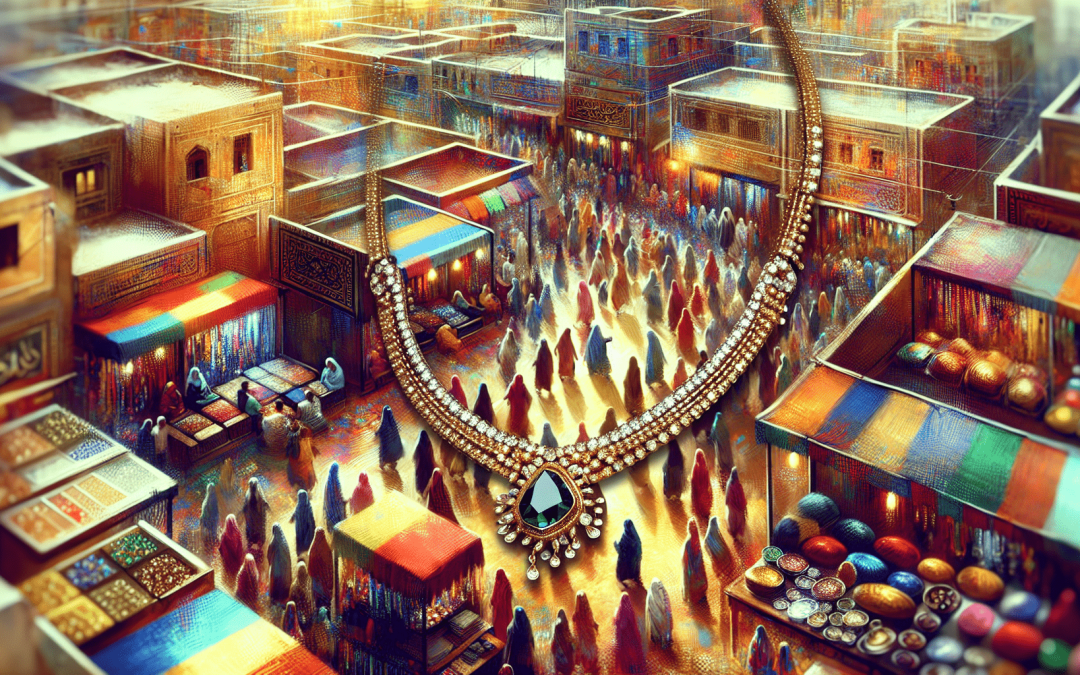
Imagine stepping into a world filled with shimmering gold, intricately designed jewelry, and a bustling atmosphere of buyers and sellers. This is the essence of the Gold Souk, a traditional marketplace where the art of jewelry making and the intricacies of gold trading come together. In this article, we will take you on a journey through the Gold Souk, exploring its rich history, the cultural significance of gold, and the fascinating world of gold trading. So, fasten your seatbelts and get ready to immerse yourself in the enchanting world of the Gold Souk.
What is a Gold Souk?
Definition of a Gold Souk
A Gold Souk is a traditional market or bazaar that specializes in selling gold jewelry, ornaments, and other gold-related products. The term “souk” is derived from the Arabic word meaning market or marketplace. These vibrant marketplaces are found in various countries across the world, particularly in the Middle East and North Africa, where gold holds significant cultural and economic value.
Origin of Gold Souks
Gold Souks have a long and rich history that dates back centuries. The origins of these marketplaces can be traced to the ancient trading routes that connected different regions, bringing merchants and traders from around the world. As these routes flourished, so did the demand for gold, leading to the establishment of dedicated marketplaces where gold trading became the primary focus.
Importance of Gold Souks in Culture
Gold has always been revered in many cultures for its beauty, symbolism, and historical significance. Gold Souks play a vital role in preserving and showcasing the cultural heritage of the regions where they are located. They serve as a reflection of the traditions, craftsmanship, and artistic expressions of the local communities, making gold souks iconic symbols of cultural identity and pride.
Characteristics of a Gold Souk
Gold Souks are known for their vibrant atmosphere, bustling crowds, and stunning displays of gold jewelry. These marketplaces are characterized by their distinct architecture, which often includes intricately designed facades, domes, and arches. Inside, visitors will find an array of shops, each specializing in different types of gold jewelry, ranging from traditional and cultural pieces to contemporary and modern designs.
Exploring a Gold Souk
Architecture and Layout
A Gold Souk’s architecture and layout are often a sight to behold. These marketplaces are usually designed with intricate details that reflect the region’s cultural and architectural influences. From the ornate facades adorned with elaborate designs to the labyrinths of narrow alleyways, exploring a Gold Souk can be a truly enchanting experience.
Various Sections and Stores
Within a Gold Souk, different sections cater to specific types of gold jewelry. There may be sections dedicated to traditional and cultural jewelry, offering designs that showcase the region’s heritage. Other sections may feature contemporary and modern designs, appealing to those with more contemporary tastes. Additionally, there are often sections that specialize in precious gemstone jewelry, where visitors can find stunning pieces adorned with diamonds, rubies, emeralds, and more.
Famous Gold Souks Around the World
Gold Souks are not limited to a single location; they can be found in various countries around the world. Some of the most famous Gold Souks include the Deira Gold Souk in Dubai, the Grand Bazaar in Istanbul, and the Gold Souk in Riyadh. These renowned marketplaces not only attract local residents but also draw visitors from all corners of the globe who are fascinated by the craftsmanship and beauty of gold jewelry.
Popular Tourist Destinations
Gold Souks have become popular tourist destinations in their own right, attracting visitors with their unique charm and cultural significance. Many visitors are drawn to these marketplaces as they offer the opportunity to witness traditional craftsmanship, purchase exquisite and authentic gold jewelry, and immerse themselves in the rich cultural experience that Gold Souks offer.
History of Gold Trading
Ancient Origins of Gold Trading
The trading of gold dates back thousands of years to ancient civilizations such as Mesopotamia, Egypt, and India. These early traders recognized the value and allure of gold, leading to its widespread use for both decorative and economic purposes. As gold became more desirable, dedicated trading routes emerged, connecting different regions and facilitating the exchange of this precious metal.
Gold as a Currency
Throughout history, gold has also served as a form of currency. Its inherent value and durability made it a reliable medium of exchange. In many cultures, gold coins were minted, and gold was used as a means to store wealth and facilitate trade. This historical usage of gold as a currency laid the foundation for the modern gold market and trading practices.
Global Gold Trade Routes
As trade routes expanded, so did the global gold trade. The Silk Road, the Trans-Saharan trade route, and the Spice Route were among the major routes that facilitated the exchange of goods, including gold, between civilizations. These trade routes allowed cultures to interact and influence each other, leading to the development of unique styles and techniques in gold jewelry-making.
Evolution of Gold Trading
Over time, gold trading methods and practices evolved to meet the changing needs of societies. The establishment of formalized gold markets and exchanges introduced greater transparency and standardized pricing mechanisms. With advancements in transportation and communication, the gold trade became more efficient and accessible to a wider range of participants.
Understanding Gold Markets
Gold as an Investment
Gold has long been considered a safe-haven investment and a hedge against inflation and economic uncertainty. Gold markets provide individuals and investors with the opportunity to invest in physical gold or gold-related financial instruments, such as gold exchange-traded funds (ETFs) and futures contracts. The value of gold often moves inversely to other assets, making it an attractive option for diversifying investment portfolios.
Factors Affecting Gold Prices
Gold prices are influenced by various factors, including supply and demand dynamics, market sentiment, economic indicators, geopolitical events, and central bank policies. Changes in these factors can lead to fluctuations in gold prices, attracting both short-term traders and long-term investors. Understanding these factors is crucial for participants in the gold market.
Types of Gold Markets
There are different types of gold markets, catering to various participants and investment preferences. Physical gold markets involve the buying and selling of gold bars, coins, and jewelry. Over-the-counter (OTC) markets provide a platform for institutional investors and banks to trade large volumes of gold. Exchange-traded markets enable investors to trade gold through regulated exchanges, offering liquidity and price transparency.
Gold Trading Techniques and Strategies
Gold trading involves a range of techniques and strategies employed by traders and investors. Technical analysis, fundamental analysis, and macroeconomic analysis are commonly used to analyze market trends, identify entry and exit points, and make informed trading decisions. Each trader may adopt a unique approach based on their risk tolerance, trading style, and investment goals.
Types of Jewelry in Gold Souks
Traditional and Cultural Jewelry
Gold Souks are renowned for their offerings of traditional and cultural jewelry. These pieces often reflect the unique customs and traditions of the region they come from. They may feature intricate designs, motifs, and gemstone embellishments that are symbolic and meaningful within the local culture. Traditional jewelry serves as a testament to the rich history and cultural identity of the community.
Contemporary and Modern Designs
In addition to traditional jewelry, Gold Souks also feature contemporary and modern designs that appeal to those seeking more modern and cutting-edge pieces. These designs often incorporate innovative techniques and materials, resulting in jewelry that blends tradition with contemporary aesthetics. With their unique styles, these modern designs cater to a diverse range of tastes and preferences.
Precious Gemstone Jewelry
Gold Souks are not just limited to gold; they also offer a wide variety of precious gemstone jewelry. From stunning diamond necklaces to ruby-encrusted earrings, these marketplaces provide a treasure trove of exquisite and rare gems. Whether it’s sapphires, emeralds, or pearls, visitors can find a dazzling array of gemstone jewelry in Gold Souks.
Custom-made and Personalized Pieces
Many Gold Souks offer the option of creating custom-made and personalized jewelry. Customers can work closely with skilled artisans and craftsmen to bring their unique designs to life. This personalized touch allows individuals to create one-of-a-kind pieces that hold sentimental value and reflect their personal style and preferences.
Artisans and Craftsmanship
Role of Artisans in Jewelry Making
Artisans play a crucial role in the creation of intricate and exquisite gold jewelry found in Gold Souks. These skilled craftsmen and women harness their creativity, knowledge, and expertise to transform raw materials into wearable works of art. Their attention to detail and dedication to preserving traditional techniques contribute to the unique quality and craftsmanship that is synonymous with Gold Souks.
Traditional Techniques and Skills
The art of jewelry-making has been passed down through generations, with artisans honing their skills and mastering traditional techniques. These techniques often involve intricate metalwork, filigree, engraving, enameling, and stone setting. By upholding these traditional skills, artisans ensure the continuity of cultural heritage and maintain the authenticity of gold jewelry found in Gold Souks.
Preservation of Traditional Crafts
Gold Souks serve as important platforms for preserving traditional crafts and techniques. These marketplaces provide artisans with the opportunity to showcase their craftsmanship and keep traditional methods alive. By supporting and promoting these artisans, Gold Souks actively contribute to the sustainable preservation of traditional craft and artistic traditions.
Recognition and Awards for Craftsmanship
The exceptional talent and skill of artisans in Gold Souks have been recognized and celebrated worldwide. Numerous awards and accolades have been bestowed upon these craftsmen and women, honoring their creativity, precision, and contribution to the world of jewelry-making. Such recognition further validates the importance of the artisan community in maintaining the cultural significance of Gold Souks.
Gold Souks as Cultural Hubs
Role in Preserving Cultural Heritage
Gold Souks serve as custodians of cultural heritage, preserving traditions, and art forms that are deeply rooted in history. These marketplaces not only display traditional and cultural jewelry but also provide a glimpse into the customs, stories, and symbolism associated with gold jewelry. By acting as a hub for cultural exchange, Gold Souks play a key role in ensuring the longevity and appreciation of cultural heritage.
Events and Festivals
Gold Souks often host various events and festivals that celebrate the artistry and cultural heritage associated with gold. These events showcase the talents of artisans, promote local culture, and offer visitors a unique experience. Festivals may include live demonstrations of jewelry-making, competitions, exhibitions, and cultural performances, contributing to the vibrant and festive atmosphere of Gold Souks.
Supporting Local Art and Culture
Gold Souks play a crucial role in supporting local art and culture. By providing a platform for artisans, they create opportunities for these individuals to showcase their work and generate income. The patronage of gold jewelry from Gold Souks also encourages the continuation of traditional craftsmanship, helping to preserve cultural identity and promote the artistic endeavors of the local community.
Promoting Tourism
Gold Souks have become significant tourist attractions in many countries. The allure of these marketplaces draws visitors from all around the world, eager to immerse themselves in the mesmerizing world of gold and experience the rich cultural traditions associated with it. The influx of tourists contributes to the local economy, allowing for the sustained growth and development of the Gold Souk as a cultural and economic hub.
Gold Souks and Economy
Contribution to Local Economy
Gold Souks have a considerable impact on the local economy of the regions where they are located. These marketplaces generate substantial revenue through the buying and selling of gold jewelry, attracting not only local residents but also domestic and international tourists. The economic activity surrounding Gold Souks supports various businesses, including jewelry shops, workshops, restaurants, and hotels, thus creating employment opportunities and promoting economic growth.
Job Creation
The thriving gold industry in Gold Souks creates employment opportunities for a diverse range of individuals. From skilled artisans and craftsmen to salespeople and support staff, numerous jobs revolve around the gold market. The demand for talent and expertise in jewelry-making ensures the continuation of specialized skills and provides livelihoods for many individuals and their families.
Export and Import of Gold
Gold Souks are key players in the global gold trade, both as importers and exporters of gold. These marketplaces attract international buyers who seek high-quality gold jewelry and ornaments unique to the region. Conversely, they also source gold from different parts of the world to meet local demand and ensure a diverse selection of products. The import and export of gold contribute to international trade and economic interconnectedness.
Regulation and Licensing
Given the economic significance of Gold Souks, it is crucial for governments and regulatory bodies to implement proper licensing and regulations. This helps maintain fair business practices, protect consumers, and uphold the integrity of the gold market. Licensing ensures that vendors meet certain standards and adhere to quality control measures, thus ensuring customer satisfaction and long-term sustainability of the gold trade.
Ethical Considerations in Gold Trading
Responsible Sourcing of Gold
Responsible sourcing of gold is a crucial consideration in the gold market. The extraction and mining of gold can have environmental and social impacts, including deforestation, pollution, displacement of communities, and human rights abuses. Responsible sourcing practices aim to mitigate these negative impacts by ensuring that gold is extracted and produced in an ethical and sustainable manner.
Fair Trade Practices
The concept of fair trade in the gold industry promotes transparency and fairness throughout the supply chain, ensuring that miners and workers receive fair compensation for their labor. Fair trade initiatives aim to eliminate exploitation, improve working conditions, and provide communities with better economic opportunities. Supporting businesses that adhere to fair trade practices can help create a more equitable and ethical gold market.
Anti-Child Labor Initiatives
Child labor is a grave concern in some gold-producing regions. Initiatives focused on combating child labor in the gold industry aim to raise awareness, improve enforcement of child labor laws, and provide support to affected communities. By promoting responsible business practices and supporting organizations working towards eradicating child labor, the gold market can contribute to creating a more ethical and sustainable future.
Environmental Impact
Gold mining and extraction processes can have a significant environmental impact, including deforestation, water pollution, and carbon emissions. Adopting sustainable practices, such as using eco-friendly mining methods, minimizing waste, and reducing energy consumption, can help mitigate these environmental consequences. An increased focus on environmental responsibility is crucial for the long-term sustainability of the gold market.
Future Trends in Gold Souks
Innovation in Jewelry Design
As the world of fashion and design evolves, Gold Souks are embracing innovation to cater to changing consumer preferences. Jewelry designers are exploring new techniques, materials, and styles to create contemporary and avant-garde pieces that capture the essence of tradition while appealing to modern tastes. The integration of technology, such as 3D printing and CAD software, is also revolutionizing the jewelry-making process.
Impact of Technology
Advancements in technology have influenced various aspects of the gold market. From online platforms that allow individuals to buy and sell gold digitally, to the use of blockchain technology for supply chain transparency, technology is reshaping the way gold is traded and accessed by consumers. Virtual reality experiences and augmented reality applications provide customers with immersive experiences when exploring and purchasing gold jewelry.
Changing Consumer Preferences
Consumer preferences in the gold market are constantly evolving. This includes a shift in demand for different styles, designs, and materials. Younger generations, in particular, are seeking out unique, statement pieces that reflect their individuality. As consumer preferences continue to change, Gold Souks must adapt and offer a diverse range of options that cater to a wide variety of tastes and preferences.
Sustainable Practices
In response to growing concerns about the environmental and social impacts of the gold industry, there is an increasing emphasis on sustainable practices within Gold Souks. This includes responsible sourcing of gold, promoting fair trade initiatives, reducing carbon footprints, and embracing environmentally friendly production methods. The adoption of sustainable practices will not only ensure the long-term viability of Gold Souks but also contribute to a more ethical and environmentally conscious gold market.
In conclusion, Gold Souks hold immense cultural importance, serving as hubs of traditional craftsmanship, cultural heritage, and economic activity. They provide a platform for artisans to showcase their skills, preserve cultural traditions, and contribute to the local economy. Understanding the history, dynamics, and ethical considerations of the gold market is essential in appreciating the value and significance of Gold Souks in today’s world. With their unique blend of tradition and innovation, Gold Souks are set to evolve and thrive, continuing to captivate individuals and preserving the legacy of gold for generations to come.
 English