
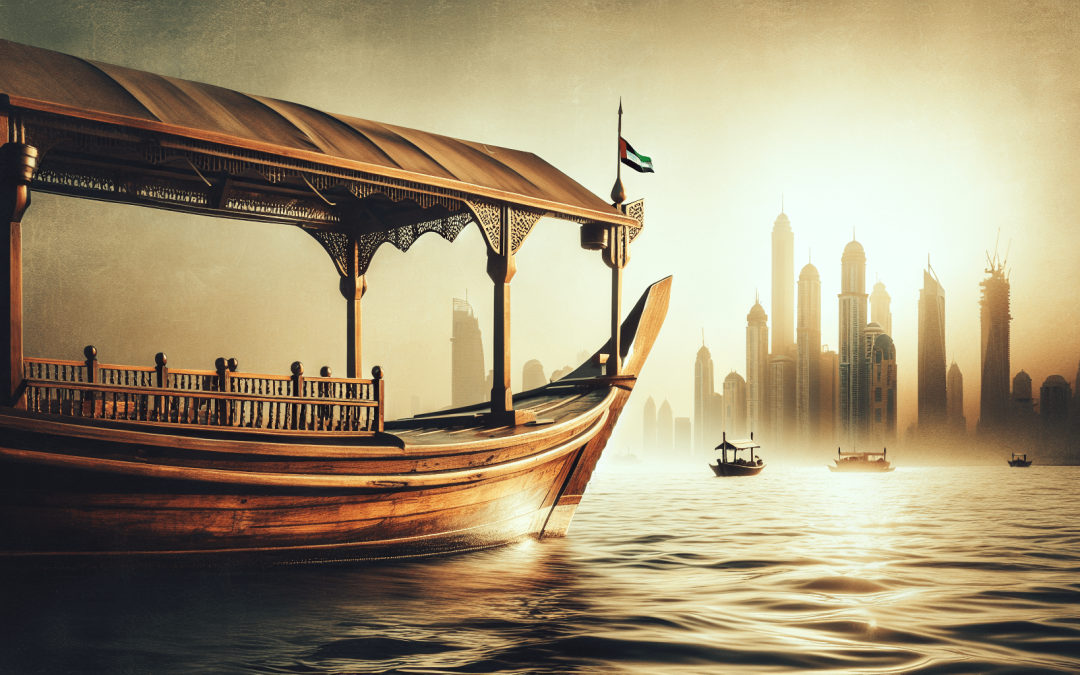
When you think of Dubai, towering skyscrapers and luxurious shopping malls may come to mind. But beneath the glitz and glamour lies a rich historical heritage that should not be overlooked. Dubai Creek, a natural saltwater inlet, holds immense historical significance as the heart and soul of the city. Here, you can immerse yourself in the traditions of old Dubai, hop aboard a traditional Abra boat for a scenic ride along the creek, and explore the cultural districts of Al Fahidi and Al Seef, where history comes alive through their well-preserved architecture and vibrant arts scene. Join us as we embark on a journey to discover the hidden gems of Dubai Creek and indulge in a truly immersive cultural experience.
Dubai Creek
Dubai Creek, located in the heart of Dubai, is a bustling body of water that has played a significant role in the city’s history, economy, and cultural identity. This natural inlet divides the city into two parts, Deira to the north and Bur Dubai to the south, and offers a glimpse into the rich heritage and vibrant atmosphere of Dubai.
Location and Geography
Situated along the Arabian Gulf, Dubai Creek stretches for approximately 14 kilometers, creating a natural harbor that has attracted traders and fishermen for centuries. The creek meanders through the city, with its mouth opening into the Gulf near the historic area of Al Shindagha. Its strategic location has made it a hub for trade and commerce, shaping the development of the city over time.
Historical Significance
Dubai Creek holds immense historical significance as it was the lifeline of Dubai before the modern era. It served as the main port for trade and was a vital link between the Arabian Gulf and the Indian Ocean. The creek was instrumental in establishing Dubai as a center for pearling, fishing, and trading, bringing prosperity to the region. The creek witnessed the growth of Dubai from a small fishing village to a bustling trading hub.
Economic Importance
Dubai Creek has been the backbone of Dubai’s economy, contributing to its status as a major trading center. Even today, the creek remains an essential part of Dubai’s economy, with its ports serving as vital gateways for imports and exports. Industries such as fishing, manufacturing, and logistics thrive along its shores, creating employment opportunities and driving economic growth. The creek’s economic importance has made it a symbol of Dubai’s resilience and entrepreneurial spirit.
Traditional Abra Rides
Introduction to Abras
One of the best ways to experience the charm of Dubai Creek is by taking a traditional abra ride. Abras are small wooden boats that have been used for centuries as a means of transportation across the creek. These charming vessels are a nostalgic nod to Dubai’s past and provide a unique way to explore the waterway.
Experience the Creek from an Abra
Boarding an abra allows you to witness the bustling activity along the creek firsthand. The boat ride offers stunning views of the city’s iconic skyline, with the towering skyscrapers of Downtown Dubai juxtaposed against the traditional architecture of the surrounding neighborhoods. As you glide along the creek, you can soak in the vibrant atmosphere, observe the bustling dhow trade, and admire the historic buildings that line its shores.
Popular Routes and Landmarks
There are various popular routes you can take on an abra ride, each offering a different perspective of Dubai Creek. A common route is the short trip from Deira Old Souk Abra Station to Bur Dubai Abra Station, a journey that lets you experience the hustle and bustle of the traditional souks and the historic Al Fahidi Cultural District. Another popular route is the longer ride from Dubai Festival City to the Dubai Creek Golf & Yacht Club, providing a glimpse of the modern developments along the creek.
Al Fahidi Cultural District
Overview of Al Fahidi
Al Fahidi, also known as Bastakiya, is a historic neighborhood located in Bur Dubai along the Dubai Creek. It is one of the oldest neighborhoods in the city and is famous for its well-preserved traditional Emirati architecture. Al Fahidi Cultural District offers visitors a chance to step back in time and explore the rich heritage of Dubai.
Historical Buildings and Architecture
Walking through the narrow alleyways of Al Fahidi, you will encounter beautifully restored buildings that showcase the traditional architecture of the region. The traditional wind towers, known as “barjeels,” dot the district, providing natural ventilation in the hot desert climate. The buildings themselves feature intricate details, with latticed windows and ornate doorways that reflect the craftsmanship of the era.
Museums and Art Galleries
Al Fahidi Cultural District is home to several museums and art galleries that offer insight into Dubai’s history and culture. The Dubai Museum, located within the historic Al Fahidi Fort, provides a glimpse into the city’s transformation from a fishing village to a global metropolis. The district is also host to various art galleries that exhibit both contemporary and traditional Emirati art, showcasing the vibrant artistic scene in Dubai.
Traditional Markets and Souks
In Al Fahidi, you can experience the authentic charm of traditional markets and souks. The Al Fahidi Souk is a bustling marketplace where you can find local handicrafts, textiles, spices, and souvenirs. The market provides a unique shopping experience, allowing you to immerse yourself in the vibrant colors, enticing scents, and bustling ambiance of traditional Emirati marketplaces.
Al Seef Cultural District
Introduction to Al Seef
Al Seef is a modern cultural district located along the banks of Dubai Creek. It combines the old-world charm of Dubai with contemporary amenities, offering visitors a unique fusion of tradition and modernity. Al Seef celebrates Dubai’s heritage while embracing innovation, making it a must-visit destination for locals and tourists alike.
Modern Interpretation of Traditional Architecture
Al Seef has been meticulously designed to reflect the traditional architecture and style of old Dubai. The district’s buildings feature traditional elements, such as wind towers, courtyard houses, and narrow alleyways, but with a modern twist. These structures create a captivating ambiance that transports visitors back in time while providing the convenience and comfort of modern amenities.
Waterfront Dining and Shopping
Al Seef offers an array of waterfront dining options that allow visitors to savor delicious Emirati cuisine while enjoying panoramic views of Dubai Creek. From traditional seafood dishes to contemporary fusion cuisine, the district’s restaurants offer a diverse culinary experience. The district is also home to boutique shops and souvenir stalls, where you can browse for unique treasures, handmade crafts, and local artwork.
Cultural Events and Festivals
Al Seef is a vibrant hub for cultural events and festivals that celebrate the traditions and heritage of Dubai. Throughout the year, the district hosts a variety of performances, exhibitions, and workshops that showcase Emirati arts, crafts, and traditions. Whether it’s a traditional music concert, a folklore dance performance, or a cultural exhibition, Al Seef offers a platform to experience the richness and diversity of Emirati culture.
Heritage and History
Preservation Efforts
Dubai has made significant efforts to preserve and restore its heritage and historical sites, including the Dubai Creek area. Restoration projects have been undertaken to revive and maintain the traditional buildings along the creek, ensuring their architectural authenticity and preserving the cultural heritage for future generations.
Promoting Cultural Identity
Dubai Creek symbolizes the rich cultural identity of the city, and preserving its heritage is integral to maintaining that identity. By promoting traditional activities, such as abra rides and visits to cultural districts like Al Fahidi and Al Seef, Dubai fosters a sense of pride and connection to its roots. These initiatives not only attract tourists but also encourage locals to appreciate and engage with their heritage.
Importance of Heritage Tourism
Heritage tourism plays a crucial role in Dubai’s tourism industry, attracting visitors from around the world who seek an authentic cultural experience. Dubai Creek, with its historical significance, traditional architecture, and cultural districts, serves as a major draw for heritage tourists. Such tourism not only boosts the economy but also raises awareness about the importance of preserving cultural heritage and fosters cross-cultural exchange.
Cultural Exchange and Diversity
Blend of Old and New
Dubai Creek represents the harmonious blend of old-world traditions and modern developments that define the city. The juxtaposition of historic sites, such as Al Fahidi, with the modern skyscrapers along the creek’s shores showcases Dubai’s ability to seamlessly integrate its rich heritage with rapid urbanization. This cultural exchange between the past and the present is a testament to Dubai’s cosmopolitan nature.
Multicultural Community
Dubai Creek is a melting pot of diverse cultures and nationalities, with residents from all over the world calling this vibrant area home. The streets around the creek buzz with different languages, smells, and flavors, creating a multicultural atmosphere that celebrates diversity. The interactions between various communities foster understanding, tolerance, and an appreciation for different cultures.
Artistic and Creative Scene
Dubai Creek has become a hub for artistic expression and creativity. The district attracts artists and creatives who are drawn to the unique blend of traditional and modern influences. Art galleries, studios, and public art installations have blossomed along the creek, showcasing the talent and creativity of both local and international artists. This artistic scene adds a dynamic element to the cultural fabric of Dubai.
Culinary Delights
Local Emirati Cuisine
Dubai Creek offers a gastronomic journey through Emirati cuisine, delighting food enthusiasts with its unique flavors and traditional dishes. From freshly caught seafood to delectable rice and meat dishes, local restaurants along the creek serve authentic Emirati delicacies prepared with fresh, locally sourced ingredients. The distinct blend of spices and flavors will leave you craving for more.
International Food Offerings
In addition to Emirati cuisine, Dubai Creek also offers a wide range of international food options. The creek’s proximity to different cultures and nationalities has resulted in a vibrant culinary scene, where you can find cuisines from around the world. Whether you crave Middle Eastern specialties, Asian delicacies, or European flavors, the restaurants along the creek provide a diverse culinary experience.
Unique Dining Experiences
Dubai Creek provides unique dining experiences that combine exceptional food with breathtaking views. Waterfront restaurants offer picturesque settings, allowing diners to enjoy their meals while overlooking the tranquil waters of the creek. From elegant fine-dining establishments to casual cafes and street food stalls, there is something to suit every palate and budget along the creek.
Exploring the Creek
Walking and Cycling Tours
Dubai Creek offers opportunities for leisurely strolls and cycling tours, allowing visitors to explore the area at their own pace. The well-maintained promenades along the creek provide scenic pathways for walking and cycling, with plenty of rest areas and viewpoints along the way. These tours allow you to immerse yourself in the vibrant surroundings while enjoying the fresh air and stunning views.
Dhow Cruises and Water Tours
For a more immersive experience, dhow cruises and water tours are a popular choice to explore Dubai Creek. Dhows, traditional wooden boats, offer a unique way to navigate the waterway while enjoying onboard entertainment and dining options. These cruises take you on a journey through the creek, passing by iconic landmarks and offering panoramic views of the city’s skyline.
Bird Watching and Wildlife
Dubai Creek is not just a bustling urban waterway; it is also a haven for birdwatchers and wildlife enthusiasts. The creek’s natural habitat attracts a wide variety of migratory birds, especially during the winter months. Birdwatching enthusiasts can spot flamingos, herons, and ducks, among other species, as they explore the creek’s shores. Additionally, the creek is also home to marine life, including various fish species and occasional sightings of dolphins.
Cultural Activities and Workshops
Traditional Crafts and Workshops
Dubai Creek offers a range of cultural activities and workshops that showcase traditional crafts and skills. Visitors can engage in workshops where they can learn traditional Emirati crafts such as pottery, calligraphy, weaving, and jewelry making. These activities provide a hands-on experience, allowing participants to connect with the region’s heritage and learn from skilled artisans.
Art Exhibitions and Performances
Art exhibitions and performances are an integral part of the cultural scene along Dubai Creek. The district hosts regular events that showcase the works of local and international artists, captivating audiences with their creativity and innovation. From contemporary art exhibitions to live music performances and theatrical productions, there is always something exciting happening along the creek.
Learning Emirati Traditions
Dubai Creek provides a platform for visitors to learn about Emirati traditions and customs. Cultural centers and heritage sites offer interactive experiences, where you can participate in traditional activities such as henna painting, falconry, and camel rides. These immersive experiences allow visitors to gain a deeper understanding of Emirati culture and appreciate the significance of these traditions.
Future Developments
Dubai Creek Harbour Project
Dubai Creek continues to evolve and grow with the Dubai Creek Harbour project, a mega-development that aims to transform the area into a modern, sustainable community. The project includes the construction of the iconic Dubai Creek Tower, which upon completion will become the tallest structure in the world. The development also features residential, commercial, and recreational spaces, all built with a focus on sustainability and environmental conservation.
Vision for Cultural Expansion
As Dubai progresses, there is a strong emphasis on expanding and enhancing the city’s cultural offerings. The vision for Dubai Creek includes the development of additional cultural districts, preservation of heritage sites, and the establishment of more museums, galleries, and performance venues. This focus on cultural expansion aims to continue promoting Dubai as a global center for art, culture, and innovation.
Sustainable Development
Sustainability is a key aspect of Dubai’s future plans for the creek. The city is committed to pursuing sustainable development practices, ensuring that the creek and its surroundings are preserved for future generations. Initiatives such as green spaces, renewable energy projects, and eco-friendly transportation options are being implemented to ensure the long-term sustainability of the area.
Dubai Creek has played a pivotal role in shaping the identity and growth of Dubai. From its historical significance to its economic importance, the creek represents the heart and soul of the city. With its traditional abra rides, cultural districts, culinary delights, and abundance of cultural activities, Dubai Creek offers a unique experience that showcases the blending of old and new, heritage and innovation. As Dubai continues to develop and preserve its cultural heritage, the creek will remain a beacon of tradition, diversity, and vibrant energy.
 English