
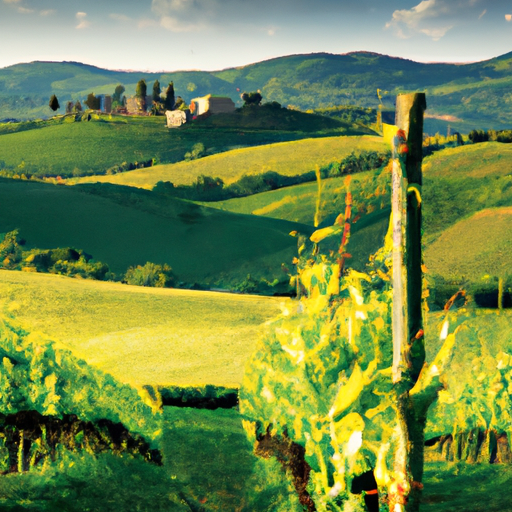
Imagine strolling through the picturesque Tuscan countryside, surrounded by lush green hills dotted with vineyards as far as the eye can see. The warm sun kisses your skin, and the gentle breeze carries the fragrant scent of olive trees. You sip on a glass of Chianti, savoring the rich flavors and the history it holds. Tuscany, with its idyllic landscapes and world-renowned wine, is a place where time seems to stand still, and the beauty of nature takes center stage. It’s a destination that beckons you to slow down, indulge in life’s simple pleasures, and immerse yourself in the heart and soul of Italy.
Tuscany: A Land of Beauty and History
Ah, Tuscany! Just the name brings to mind rolling hills, picturesque vineyards, and charming medieval villages. This region in central Italy is renowned for its beauty and rich history, making it a must-visit destination for travelers from around the world. In this article, we will delve into the enchanting charm of the Tuscan countryside, explore its fascinating history, and discover the treasures that lie within its vineyards.
The Charm of the Tuscan Countryside
Imagine driving along narrow country roads, flanked by rows upon rows of perfectly manicured vineyards. The air is filled with the scent of blooming flowers and the gentle rustling of olive trees in the breeze. This is the Tuscan countryside, a place where time seems to stand still and nature takes center stage.
One of the highlights of the Tuscan countryside is its picturesque landscapes. The rolling hills, dotted with cypress trees and ancient farmhouses, create a postcard-perfect scene that seems straight out of a Renaissance painting. The colors of the countryside change with the seasons, from the vibrant greens of spring and summer to the warm yellows and reds of autumn. No matter when you visit, the Tuscan countryside is sure to leave you in awe of its natural beauty.
In addition to its stunning landscapes, the Tuscan countryside also offers a glimpse into the region’s agricultural heritage. This is where some of Italy’s finest wines, olive oils, and cheeses are produced. As you drive through the countryside, you will come across numerous vineyards, olive groves, and dairy farms, all producing the ingredients that make Tuscan cuisine so delicious.
Discovering the Rich History of Tuscany
Tuscany has a storied past that stretches back thousands of years. From the ancient Etruscan civilization to the height of the Renaissance, this region has been at the forefront of art, culture, and innovation.
One of the most influential periods in Tuscany’s history was the Renaissance. This cultural and intellectual movement, which began in Florence in the 14th century, transformed the region into a center of artistic and architectural excellence. Florence, the capital of Tuscany, is home to some of the world’s most iconic Renaissance masterpieces, including Michelangelo’s David and Botticelli’s The Birth of Venus. A visit to the Uffizi Gallery in Florence is like stepping back in time and witnessing the birth of modern art.
In addition to Florence, Tuscany is also home to several other cities and towns that played a significant role in Italy’s history. Siena, with its well-preserved medieval architecture, offers a glimpse into what life was like during the Middle Ages. The city’s main attraction, the Piazza del Campo, is a magnificent square that hosts the thrilling horse race known as the Palio di Siena.
Another historical gem in Tuscany is the city of Pisa, famous for its iconic leaning tower. This architectural marvel, along with the other buildings in the Piazza dei Miracoli, stands as a testament to Pisa’s glory days as a maritime republic. Exploring the narrow streets and grand palaces of Pisa is like stepping back in time and discovering the rich history of this once-thriving city.
Exploring Tuscan Vineyards
Now that we’ve discussed the charm of the Tuscan countryside and the rich history of the region, let’s delve into one of its most famous features: the vineyards. Tuscany is a wine lover’s paradise, offering a wide variety of wines that are renowned for their quality and distinct flavors.
The Terroir of Tuscany: A Wine Lover’s Paradise
When it comes to wine, Tuscany is known for its terroir, or the unique combination of climate, soil, and geography that gives a wine its character. The region’s hilly landscapes, with their well-drained soils and optimal exposure to sunlight, create the perfect conditions for growing grapes. The hot summers and mild winters of Tuscany also play a crucial role in the ripening process, allowing the grapes to develop their flavors and aromas.
It is this combination of factors that has made Tuscany one of the world’s most renowned wine regions. From robust reds to crisp whites, there is a wine in Tuscany to suit every palate. And while there are several grape varietals cultivated in the region, one stands out above the rest: Sangiovese.
Famous Wine Regions in Tuscany
Tuscany is home to several famous wine regions, each with its own unique characteristics and wine styles. Let’s take a closer look at some of these regions and the wines they produce.
Chianti
Perhaps the most well-known wine region in Tuscany, Chianti has been producing wine for centuries. This region, which is located between Florence and Siena, is known for its red wines made primarily from the Sangiovese grape. Chianti wines are characterized by their medium to full body, bright acidity, and flavors of ripe cherry, plum, and herbs. They are versatile wines that pair well with a variety of dishes, making them a favorite among both locals and visitors.
Brunello di Montalcino
Located in the southern part of Tuscany, Montalcino is renowned for its production of Brunello di Montalcino, one of Italy’s most prestigious wines. Made exclusively from Sangiovese grapes, Brunello di Montalcino is a robust and full-bodied red wine that ages beautifully. It is known for its complex flavors of dark cherry, blackberry, leather, and tobacco, as well as its firm tannins and long finish. A bottle of Brunello di Montalcino is a true gem that will only improve with age.
Vernaccia di San Gimignano
While Tuscany is primarily known for its red wines, it is also home to a few notable white wines, including Vernaccia di San Gimignano. This wine, made from the Vernaccia grape, is produced in the hilltop town of San Gimignano and is characterized by its crisp acidity, delicate floral aromas, and flavors of citrus and pear. Vernaccia di San Gimignano is an excellent choice for those looking to explore Tuscany’s white wines and pairs well with seafood, salads, and light pasta dishes.
These are just a few examples of the many wines produced in Tuscany. Whether you prefer red or white, bold or delicate, there is a Tuscan wine out there that is sure to delight your taste buds.
Tuscan Wine Varietals
While Sangiovese is undoubtedly the star of Tuscan wines, there are several other varietals that are also worth exploring. Each of these varietals brings its own unique characteristics and flavors to the glass, allowing wine drinkers to experience the diversity and complexity of Tuscan wines.
Sangiovese: The King of Tuscan Wines
Sangiovese is the most widely cultivated grape varietal in Tuscany and is the primary grape used in the production of many of the region’s most famous wines, including Chianti and Brunello di Montalcino. This grape is known for its high acidity, medium body, and flavors of red cherry, plum, and earth. It is a versatile grape that can be vinified in a variety of styles, ranging from light and fruity to bold and structured.
Other Notable Tuscan Wine Varietals
In addition to Sangiovese, Tuscany is also home to several other grape varietals that produce excellent wines. Some of these varietals include:
Cabernet Sauvignon: This international grape has found a second home in Tuscany and is often blended with Sangiovese to add structure and complexity to the wine.
Merlot: Another international grape that thrives in Tuscany, Merlot is known for its soft tannins, ripe fruit flavors, and smooth finish. It is often blended with Sangiovese to create balanced and approachable wines.
Syrah: While not as widely cultivated as Sangiovese, Syrah is gaining popularity in Tuscany. Wines made from this grape are characterized by their bold flavors of blackberry, black pepper, and spice.
These are just a few examples of the many varietals that are grown in Tuscany. Each grape brings its own unique qualities to the wine, making for an exciting and diverse wine-drinking experience.
Visiting Tuscan Vineyards
No trip to Tuscany is complete without a visit to its vineyards. Thankfully, there are numerous opportunities for wine lovers to explore the region’s wineries, learn about the winemaking process, and, of course, taste some of the world’s finest wines.
Wine Tours and Tastings
One of the best ways to experience Tuscan vineyards is by going on a wine tour. These tours usually involve visits to several wineries, where you can learn about the winemaking process from the experts themselves. From grape to bottle, you’ll get a behind-the-scenes look at how Tuscany’s famous wines are produced. And, of course, no wine tour is complete without tastings of the wines. As you sip on each glass, you’ll have the opportunity to savor the unique flavors and characteristics that make Tuscan wines so special.
Many wine tours also include visits to vineyard estates, where you can stroll through the vineyards, take in the breathtaking views, and learn about the history and traditions of the estate. Some vineyard estates even offer accommodation, allowing you to immerse yourself fully in the Tuscan wine experience.
Stunning Vineyard Estates to Visit
Tuscany is dotted with stunning vineyard estates that are worth a visit. Here are a few that should be on every wine lover’s itinerary:
Castello di Verrazzano
Located in the heart of the Chianti Classico region, Castello di Verrazzano is a historic estate that has been producing wine for over 1,000 years. The estate is set amidst vineyards and olive groves, offering panoramic views of the surrounding countryside. A visit to Castello di Verrazzano is like stepping back in time, as you explore the medieval cellars and taste wines that have been crafted using traditional methods.
Antinori nel Chianti Classico
Owned by one of Italy’s oldest and most prestigious wine families, Antinori nel Chianti Classico is a modern winery that seamlessly blends tradition and innovation. The winery is located in the heart of the Chianti Classico region, surrounded by vineyards that stretch as far as the eye can see. A visit to Antinori nel Chianti Classico is a unique opportunity to taste wines that have been crafted using both traditional and modern winemaking techniques, all while enjoying stunning views of the Tuscan countryside.
San Felice
Situated in the heart of the Chianti Classico region, San Felice is a historic winery that dates back to the 10th century. The estate is known for its commitment to quality and sustainability, and its wines have received numerous accolades over the years. A visit to San Felice allows you to explore the vineyards, tour the winery, and of course, taste the estate’s acclaimed wines.
These are just a few examples of the many vineyard estates that are waiting to be explored in Tuscany. Each one offers a unique experience, allowing you to immerse yourself in the region’s rich winemaking culture and traditions.
Tuscan Countryside Experience
While the vineyards are undoubtedly a highlight of a visit to Tuscany, the region offers so much more than just grapes and wine. The Tuscan countryside is a treasure trove of charming villages, breathtaking landscapes, and outdoor activities that will allow you to immerse yourself fully in the beauty of the region.
Exploring the Charming Tuscan Villages
One of the best ways to experience the charm of the Tuscan countryside is by visiting its enchanting villages. These ancient settlements, with their narrow streets, stone houses, and quaint piazzas, offer a glimpse into rural life in Tuscany.
One such village is San Gimignano, often referred to as the “Medieval Manhattan”. This UNESCO World Heritage site is known for its soaring towers, which were built by competing noble families in the 14th century as a symbol of their wealth and power. A stroll through the village’s streets will transport you back in time, as you marvel at the well-preserved architecture and soak in the medieval atmosphere.
Another village that should be on every traveler’s itinerary is Montepulciano. Located in southern Tuscany, this hilltop town is famous for its Renaissance architecture, narrow alleys, and stunning views of the surrounding countryside. As you wander through the streets, make sure to stop at one of the town’s wine cellars to taste the famous Vino Nobile di Montepulciano, a rich and full-bodied red wine that is made exclusively in this region.
These are just two examples of the many charming villages that can be found throughout Tuscany. Whether you’re exploring the well-known towns or venturing off the beaten path, each village offers its own unique charm and a chance to experience the slower pace of life in the Tuscan countryside.
Hiking and Cycling Trails in the Tuscan Countryside
For those who enjoy outdoor activities, the Tuscan countryside is a paradise waiting to be explored. The region is crisscrossed with hiking and cycling trails that wind through vineyards, olive groves, and rolling hills, offering breathtaking views at every turn.
One of the most popular hiking trails in Tuscany is the Via Francigena. This ancient pilgrimage route stretches from Canterbury in England to Rome, passing through the heart of Tuscany along the way. Walking a section of the Via Francigena allows you to immerse yourself in the region’s history and soak in its natural beauty.
Cycling enthusiasts will also find plenty of opportunities to get out on two wheels in Tuscany. The region is home to several designated cycling routes, ranging from leisurely rides through vineyards to challenging climbs in the hills. No matter your level of experience, there is a cycling route in Tuscany that will suit your abilities and reward you with stunning views and unforgettable experiences.
Culinary Delights of Tuscany
No trip to Tuscany is complete without indulging in its culinary delights. The region is known for its simple yet flavorful cuisine, which highlights locally sourced ingredients and traditional cooking methods. From hearty pastas to succulent meats, Tuscany offers a variety of dishes that are sure to leave you satisfied and craving for more.
Traditional Tuscan Cuisine
Tuscan cuisine is rooted in simplicity, with an emphasis on fresh, high-quality ingredients. Many Tuscan dishes are made with just a handful of ingredients, allowing the flavors of the ingredients to shine through.
One of the most iconic dishes of Tuscany is the ribollita, a hearty soup made with vegetables, beans, and stale bread. This dish dates back to the Middle Ages and was created as a way to use up leftover bread and vegetables. Today, ribollita is a staple of Tuscan cuisine and is enjoyed throughout the region.
Another classic Tuscan dish is bistecca alla fiorentina, a thick-cut T-bone steak that is grilled and seasoned with salt and pepper. This mouthwatering steak is traditionally cooked over an open flame and is known for its tender texture and robust flavor. It is often served with a side of cannellini beans and a drizzle of extra virgin olive oil.
Must-Try Tuscan Dishes
In addition to these traditional dishes, there are several other Tuscan specialties that are worth trying. Here are a few that should be on every food lover’s list:
Pappa al Pomodoro
Pappa al pomodoro is a comforting tomato and bread soup that is made with ripe tomatoes, stale bread, garlic, basil, and extra virgin olive oil. The bread is soaked in the tomato broth until it becomes tender and absorbs all the flavors of the soup. Pappa al pomodoro is a true taste of Tuscan comfort food and is best enjoyed during the summer months when tomatoes are at their peak.
Pici
Pici is a thick, hand-rolled pasta that is typically served with a hearty meat ragu or a simple sauce of garlic, olive oil, and chili flakes. This pasta is a favorite among locals and is a must-try for pasta lovers. The chewy texture and ability to hold onto sauces make pici a beloved staple of Tuscan cuisine.
Cantucci
Cantucci, also known as biscotti di Prato, are almond biscuits that are traditionally enjoyed with a glass of Vin Santo, a sweet dessert wine. These crunchy cookies are twice-baked to give them their signature texture and are often made with almonds, although variations with other nuts or dried fruits are also popular.
These are just a few examples of the many delicious dishes that await you in Tuscany. Whether you’re a fan of pasta, meat, or desserts, there is a Tuscan dish out there that is sure to leave you craving more.
Art and Culture in Tuscany
Tuscany has long been celebrated as a cradle of art and culture. From the masterpieces of the Renaissance to the architectural wonders of the Middle Ages, the region is a treasure trove of artistic treasures just waiting to be discovered.
Florence: The Cradle of the Renaissance
When it comes to art and culture in Tuscany, one city stands above the rest: Florence. Known as the birthplace of the Renaissance, Florence is a living museum that is teeming with artistic masterpieces and architectural wonders.
One of the city’s most famous landmarks is the Florence Cathedral, with its magnificent dome designed by Brunelleschi. This architectural marvel took nearly 140 years to complete and remains one of the most iconic symbols of Florence.
Florence is also home to the Uffizi Gallery, one of the world’s most renowned art museums. The museum houses an extensive collection of Renaissance paintings, including works by Botticelli, Michelangelo, and Leonardo da Vinci. A visit to the Uffizi Gallery is like stepping into an art history book and witnessing the evolution of art firsthand.
In addition to the Cathedral and the Uffizi Gallery, Florence is also home to several other artistic and cultural treasures, including the Ponte Vecchio, a medieval bridge lined with shops, and the Palazzo Pitti, a grand palace that houses several museums and galleries. Exploring the streets of Florence is like taking a journey back in time, as you encounter stunning architecture and vibrant street life at every turn.
Artistic Treasures in Tuscany
While Florence may steal the spotlight, Tuscany is home to many other artistic treasures that are worth exploring. Just a short distance from Florence is the town of Pisa, famous for its iconic leaning tower. This architectural marvel, along with the other buildings in the Piazza dei Miracoli, is a testament to Pisa’s rich history as a maritime republic.
Another town that should be on every art lover’s radar is Siena, with its well-preserved medieval architecture and magnificent cathedral. The city’s main attraction, the Piazza del Campo, is a stunning square that hosts the famous Palio di Siena, a thrilling horse race that takes place twice a year.
These are just a few examples of the many artistic and cultural treasures that can be found throughout Tuscany. Whether you’re exploring a grand cathedral in Florence or stumbling upon a hidden gem in a small village, the region is sure to inspire and captivate you with its artistic heritage.
Historical Landmarks in Tuscany
In addition to its artistic treasures, Tuscany is also home to several historical landmarks that offer a glimpse into the region’s storied past. From towering fortresses to grand palaces, these landmarks are a testament to the region’s rich history and architectural prowess.
The Tower of Pisa: A World-Famous Icon
No visit to Tuscany is complete without seeing the Tower of Pisa. This iconic structure, which is part of the Piazza dei Miracoli in Pisa, is famous for its distinctive lean. The tower was originally designed to be vertical, but due to a miscalculation in the foundation, it started leaning during its construction. Today, the tower leans at an angle of about four degrees and continues to draw millions of visitors from around the world.
While the Tower of Pisa is undoubtedly the star of the Piazza dei Miracoli, the square is also home to several other architectural wonders, including the Cathedral and the Baptistry. These buildings, with their intricate facades and stunning interiors, are a testament to Pisa’s glory days as a maritime republic and should not be missed.
Medieval Fortresses and Palaces
Throughout Tuscany, you will find numerous medieval fortresses and palaces that are worth exploring. These imposing structures, often perched on hilltops or strategically located in the countryside, offer a glimpse into the region’s past and provide breathtaking views of the surrounding landscapes.
One such fortress is the Castello di Brolio, located in the heart of the Chianti Classico region. This medieval castle, which has been owned by the Ricasoli family for over 900 years, offers guided tours that allow visitors to explore the castle’s interior and learn about its fascinating history. The castle is also surrounded by vineyards, making it the perfect place to combine history and wine tasting.
Another fortress worth visiting is the Castello di Verrazzano, which we mentioned earlier as a vineyard estate. In addition to its winery, the estate is home to a medieval castle that dates back to the 12th century. Visitors can tour the castle, explore its gardens, and take in the magnificent views of the surrounding vineyards and countryside.
These are just a few examples of the many historical landmarks that can be found throughout Tuscany. From grand palaces to hidden fortresses, each one offers a glimpse into the region’s rich history and architectural prowess.
Tuscan Festivals and Traditions
Tuscany is a region that loves to celebrate. Throughout the year, the region comes alive with festivals and traditions that pay homage to its rich cultural heritage. From thrilling horse races to harvest festivals, there is always something to celebrate in Tuscany.
Palio di Siena: A Thrilling Horse Race
One of the most famous festivals in Tuscany is the Palio di Siena, a thrilling horse race that takes place twice a year in the city of Siena. The race is held in the Piazza del Campo, the city’s main square, and is preceded by a colorful procession in medieval costumes. During the race, riders from the city’s different districts compete for victory, racing at breakneck speeds around the square. The Palio di Siena is not just a horse race; it is a celebration of Siena’s history and identity, and a chance for the city’s residents to come together and show their support for their district.
Grape Harvest Festivals
Given Tuscany’s rich winemaking tradition, it’s no surprise that the region is home to several grape harvest festivals, known as sagre. These festivals usually take place in late summer or early autumn, and offer visitors the chance to taste the season’s new wines, sample local specialties, and take part in traditional grape stomping ceremonies. The atmosphere is lively and festive, with music, dancing, and colorful decorations filling the streets. Attending a grape harvest festival in Tuscany is a unique opportunity to immerse yourself in the region’s winemaking culture and celebrate all things grape-related.
These are just two examples of the many festivals and traditions that can be experienced in Tuscany. Throughout the year, the region comes alive with celebrations that pay homage to its cultural heritage, making it an exciting place to visit no matter when you go.
Accommodations in Tuscany
After a day of exploring Tuscan vineyards, charming villages, and historical landmarks, you’ll need the perfect place to rest and rejuvenate. Thankfully, Tuscany offers a wide range of accommodations that cater to every taste and budget.
Charming Farmhouses and Agriturismos
For a truly authentic Tuscan experience, consider staying in a charming farmhouse or agriturismo. These rustic accommodations, often set amidst vineyards or olive groves, offer a unique opportunity to live like a local and fully immerse yourself in the Tuscan countryside.
Staying in a farmhouse or agriturismo allows you to experience the slower pace of life in Tuscany, as well as sample local products and traditional dishes prepared with ingredients sourced from the surrounding land. It is a chance to disconnect from the outside world and immerse yourself in the beauty and tranquility of the Tuscan countryside.
Luxurious Villas and Resorts
If you prefer a more luxurious stay, Tuscany has plenty of options to choose from. The region is home to several luxurious villas and resorts that offer all the amenities and comforts you could ask for, along with stunning views and impeccable service.
Many of these villas and resorts are housed in historic buildings, such as castles or palaces, and offer a unique blend of old-world charm and modern luxury. Whether you’re looking for a countryside retreat or a seaside escape, Tuscany has a luxury accommodation that is sure to exceed your expectations.
In Conclusion
Tuscany is a land of beauty and history, where rolling hills, vineyards, and charming villages come together to create a truly enchanting experience. From exploring its world-renowned vineyards and indulging in its culinary delights to immersing yourself in its art and culture, there is something for everyone in this captivating region of Italy. So, if you’re ready to embark on a journey through time and taste, make Tuscany your next destination. You won’t be disappointed.
 English