
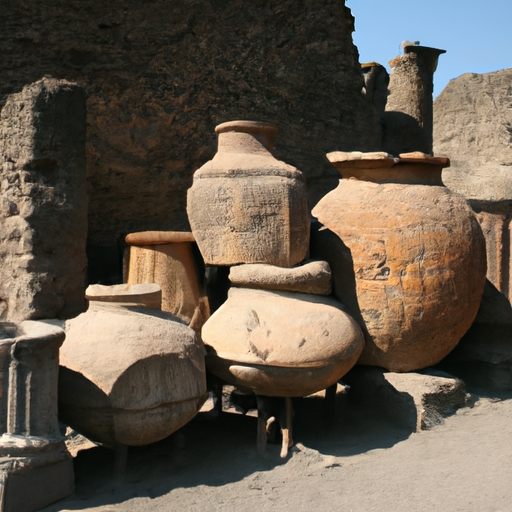
Now, let’s shift our attention to the intriguing city of Naples and the spellbinding ruins of Pompeii. Nestled along the captivating coastline of southern Italy, Naples is a city that oozes both charm and chaos. Here, the streets are alive with the rhythm of Vespas whizzing past, while the smell of wood-fired pizza fills the air. And just a short distance away lies Pompeii, frozen in time since that fateful day in 79 AD when Mount Vesuvius erupted. As you explore these ancient ruins, you’ll be transported back to a world where bustling marketplaces, intricately designed villas, and tragic tales unfold at every turn. So, pack your bags and get ready to uncover the secrets of a bygone era in Naples and the ruins of Pompeii.
Naples
Overview of Naples
Naples, located in southern Italy, is a vibrant city brimming with history, culture, and culinary delights. As one of the oldest continuously inhabited cities in the world, Naples boasts an impressive historical significance that is evident in its architecture and attractions. From architectural marvels to cultural landmarks, Naples offers a diverse range of experiences for every traveler.
Historical Significance
Naples has a rich and fascinating history that stretches back over 2,800 years. Once a Greek colony, the city has been ruled by a succession of empires and civilizations, including the Romans, Byzantines, Normans, and Spanish. This multi-layered history is reflected in the city’s architecture and cultural landmarks, making Naples a treasure trove for history enthusiasts.
Architectural Marvels
The architecture of Naples is a testament to its historical past and the influence of various civilizations. One of the most iconic structures in Naples is the Castel Nuovo, also known as Maschio Angioino, which was built by the Angevins in the 13th century. Its imposing towers and intricate design make it a must-visit for architecture lovers.
Cultural Attractions
Naples is a city steeped in culture, with numerous attractions that showcase its artistic heritage. One of the top cultural sites in the city is the National Archaeological Museum, which houses a vast collection of Greek and Roman artifacts, including the famous Farnese Hercules statue. The museum offers a glimpse into the ancient past of Naples and is a must-visit for history buffs.
Culinary Delights
No visit to Naples is complete without indulging in its culinary delights. Naples is the birthplace of pizza, and its world-renowned pizza Napoletana is a must-try. Be sure to visit Pizzeria Da Michele, one of the oldest and most famous pizzerias in Naples, to savor an authentic Neapolitan pizza. The city is also known for its street food, such as arancini (fried rice balls) and sfogliatelle (pastry filled with sweet ricotta).
Ruins of Pompeii
Introduction to Pompeii
Just a short distance from Naples lies the ancient city of Pompeii, a UNESCO World Heritage Site that offers a fascinating glimpse into life during the Roman Empire. Buried under volcanic ash for centuries after the eruption of Mount Vesuvius in 79 AD, Pompeii was rediscovered in the 18th century and has since become one of the world’s most important archaeological sites.
History of Pompeii
Pompeii was a thriving Roman city until it was abruptly buried and preserved by the volcanic eruption of Mount Vesuvius. The eruption was so catastrophic that it completely obliterated the city and its inhabitants, freezing them in time. The preserved ruins offer a unique opportunity to walk through the streets of an ancient city and immerse yourself in its history.
Preservation and Excavation
Since its rediscovery, extensive efforts have been made to excavate and preserve the ruins of Pompeii. Archaeologists have painstakingly uncovered the city’s streets, houses, and public buildings, giving visitors a remarkable insight into daily life during the Roman period. The preservation efforts have ensured that Pompeii remains an outstanding archaeological site that continues to captivate visitors from around the world.
Key Attractions
Pompeii is home to a myriad of fascinating attractions that showcase the everyday life of its ancient inhabitants. The Amphitheatre, one of the oldest surviving Roman amphitheaters, once hosted gladiator battles and other spectacles. The Forum, the city’s center of political, commercial, and social life, is a must-visit to witness the remnants of ancient temples and public buildings. The Temple of Apollo, with its perfectly preserved altar, is another highlight that transports visitors back in time.
Visiting Pompeii
To make the most of your visit to Pompeii, it is recommended to join a guided tour or hire an audio guide. These guides provide valuable insights into the history and significance of the site, allowing you to fully appreciate the ruins. Additionally, it is advisable to wear comfortable shoes and bring sunscreen, as the site can be expansive and exposed to the sun. Remember to also carry water and respect the site by not climbing or touching the ruins.
Exploring Naples
City Highlights
Exploring Naples is a delightful endeavor, with a plethora of attractions that showcase the city’s unique character. Start your journey in the historic center, a UNESCO World Heritage Site, where narrow alleyways open up to bustling piazzas adorned with ornate churches and vibrant markets. Don’t miss the awe-inspiring Duomo di San Gennaro, a stunning cathedral that houses the vials containing the blood of Saint Januarius.
Naples Underground
Explore the hidden depths of Naples by venturing into its underground tunnels and catacombs. The Naples Underground, also known as Napoli Sotterranea, offers guided tours that take you through a labyrinth of ancient aqueducts, tombs, and passageways. This unique experience provides a fascinating glimpse into the city’s subterranean history and the daily lives of its past inhabitants.
National Archaeological Museum
For a comprehensive overview of Naples’ rich history and artistic heritage, a visit to the National Archaeological Museum is a must. The museum houses an extensive collection of artifacts from Pompeii, Herculaneum, and other archaeological sites in the region. Admire the stunning Farnese Hercules statue, the intricate mosaics, and the Roman frescoes that transport you back in time.
Castel Nuovo
Dominating the city’s skyline is the majestic Castel Nuovo, a medieval castle that has stood as a symbol of Naples’ power for centuries. Take a stroll through its impressive courtyards and ramparts, and visit the museum housed within the castle to learn more about its history. The panoramic views from the castle offer a breathtaking vista of the city and the azure waters of the Bay of Naples.
Majestic Churches
Naples is home to countless churches, each with its own unique architectural style and historical significance. Visit the San Domenico Maggiore, a stunning Gothic church located in the heart of the city, adorned with intricate frescoes and an ornate wooden ceiling. Another must-visit is the Church of Santa Chiara, known for its beautiful cloister adorned with colorful majolica tiles.
Culinary Delights of Naples
Pizza Napoletana
Naples is synonymous with pizza, and a visit to the city would be incomplete without savoring an authentic Neapolitan pizza. The pizza Napoletana is characterized by its thin and chewy crust, topped with the freshest ingredients. Indulge in classics such as the Margherita, topped with tomato, mozzarella, and basil, or the Marinara, which features a simple yet flavorful combination of tomato, garlic, oregano, and olive oil.
Neapolitan Street Food
The culinary delights of Naples extend beyond pizza, with the city’s vibrant street food scene offering a wide array of tempting treats. Try the arancini, fried rice balls stuffed with various fillings such as ragu and mozzarella, or the cuoppo, a cone-shaped paper filled with fried seafood. Sfogliatelle, a traditional pastry filled with sweet ricotta, is also a must-try when exploring the city’s street food stalls.
Regional Specialties
Naples is known for its regional specialties that showcase the flavors of the Campania region. Sample the delicious pasta dishes, such as spaghetti alle vongole (spaghetti with clams) or pasta alla Genovese (pasta with a rich onion and meat sauce). Seafood lovers should not miss the Neapolitan-style seafood stew known as tiella, which combines various types of fish and shellfish in a flavorful tomato broth.
Wine and Liquors
Pair your culinary journey in Naples with the region’s excellent wines and liquors. The Campania region is renowned for producing excellent white wines, such as Falanghina and Fiano di Avellino, which pair perfectly with seafood dishes. Try the local liqueur, limoncello, made from the fragrant lemons of the Amalfi Coast, or indulge in a shot of grappa, a traditional Italian spirit.
Traditional Desserts
End your culinary exploration of Naples with a selection of traditional desserts. Try the irresistible pastiera, a sweet ricotta and grain pie scented with orange blossom water and sprinkled with candied fruits. Another popular choice is the famous babà, a light and fluffy rum-soaked cake. For a refreshing treat, enjoy a gelato, a traditional Italian ice cream available in a variety of flavors.
Surrounding Attractions
Mount Vesuvius
A visit to Naples would not be complete without exploring the magnificent Mount Vesuvius, the only active volcano on mainland Europe. Join a guided tour and hike to the crater of the volcano, where you can enjoy breathtaking views of the surrounding landscape and the Bay of Naples. Learn about the volcano’s destructive history and its impact on the region.
The Amalfi Coast
Just a short drive from Naples lies the stunning Amalfi Coast, a stretch of picturesque coastline renowned for its rugged cliffs, turquoise waters, and charming villages. Visit the iconic towns of Positano, Amalfi, and Ravello, each offering their own unique charm. Indulge in leisurely walks along the narrow streets, visit historical sites, and savor the breathtaking views of the coastline.
Herculaneum
Located near Pompeii, Herculaneum is another ancient Roman city that was buried by the eruption of Mount Vesuvius in 79 AD. While smaller in size compared to Pompeii, Herculaneum offers a well-preserved glimpse into the lives of its inhabitants. Explore the narrow streets, visit the ancient villas with their beautiful mosaics, and marvel at the preserved wooden furnishings.
Capri
Known for its stunning natural beauty and glamorous reputation, the island of Capri is a popular day trip from Naples. Take a boat ride to the island and explore its charming streets, boutique shops, and tranquil gardens. Don’t miss the chance to visit the famous Blue Grotto, a sea cave with iridescent blue waters that creates a magical atmosphere.
Ischia
For a more off-the-beaten-path experience, venture to the island of Ischia, known for its natural hot springs and lush landscapes. Relax in the island’s thermal baths, explore the picturesque towns, and enjoy the stunning beaches. Ischia offers a quieter alternative to the busy tourist destinations in the region, allowing visitors to unwind and rejuvenate amidst its natural beauty.
History of Pompeii
Ancient Pompeii
Pompeii was a bustling city in ancient Rome, situated near the Bay of Naples. Founded around the 6th century BC, the city thrived as a prosperous trading port and agricultural center. With its strategic location and fertile soils, Pompeii became an important hub for commerce and attracted inhabitants from various backgrounds.
Destruction and Burial
The eruption of Mount Vesuvius in 79 AD brought sudden destruction to Pompeii. The volcano’s eruption unleashed a deadly combination of ash, volcanic gases, and pumice stones that engulfed the city, burying it under several meters of volcanic material. The residents of Pompeii, caught unaware by the catastrophic eruption, had little chance of escape.
Rediscovery and Archaeological Importance
Pompeii was lost and forgotten for centuries after its destruction, until its rediscovery in the 18th century. The accidental discovery of the city’s ruins during the construction of a canal sparked widespread curiosity and fascination. The subsequent excavations revealed an astonishingly well-preserved city frozen in time, providing invaluable insights into Roman life and culture.
Life in Pompeii
The ruins of Pompeii offer a unique window into the daily life of its ancient inhabitants. From the elaborate houses with their colorful frescoes to the bustling markets and public bathhouses, the city’s remains paint a vibrant picture of a thriving Roman community. The preserved streets, complete with wheel ruts from chariots, provide a tangible connection to the past.
Social Classes and Daily Life
Pompeii was a stratified society, with distinct social classes and clear divisions in daily life. The city was home to wealthy patricians who lived in luxurious villas adorned with opulent decorations. The middle-class residents engaged in various trades and professions, while the lower-class inhabitants, including slaves, worked in domestic service or manual labor.
Key Attractions in Pompeii
The Amphitheatre
The Amphitheatre of Pompeii is one of the most iconic attractions in the ancient city. Built in the 1st century BC, it once hosted gladiator battles, animal fights, and other spectacles. The well-preserved structure offers visitors a fascinating glimpse into the world of Roman entertainment and the grandeur of the ancient amphitheater.
The Forum
The Forum was the heart of Pompeii’s social, political, and economic life. This bustling square was surrounded by important public buildings, temples, and markets. Today, visitors to the Forum can explore the remnants of ancient shops, administrative buildings, and temples, gaining insight into the daily activities of the city’s inhabitants.
The Temple of Apollo
Dedicated to the god Apollo, the Temple of Apollo is a significant religious site in Pompeii. The temple’s impressive podium and colonnade reflect the city’s reverence for this deity. Visitors can admire the temple’s grandeur and learn about the prominent role of religion in ancient Roman society.
The House of the Vettii
The House of the Vettii is one of the most well-preserved houses in Pompeii, offering a unique glimpse into the luxurious lifestyles of the city’s wealthy inhabitants. This opulent Roman villa is adorned with intricate frescoes, exquisite mosaics, and grand architectural details. Exploring this house provides insights into ancient Roman aesthetics and domestic life.
The Lupanar
The Lupanar, or brothel, is an intriguing site that reflects the social and cultural aspects of ancient Pompeii. With its explicit wall paintings depicting various sexual acts, the Lupanar offers a glimpse into the society’s attitudes towards sexuality and eroticism. The site provides a unique perspective on the daily life and social dynamics of the ancient city.
Preservation and Excavation of Pompeii
Methods and Techniques
The preservation and excavation of Pompeii have been a complex and meticulous process. Archaeologists have employed various methods and techniques to uncover and protect the city’s ruins. These include careful excavation using tools such as brushes and trowels, as well as the use of advanced technologies such as 3D scanning and photogrammetry to digitally document the site.
Challenges and Controversies
Preserving Pompeii has posed numerous challenges, including the delicate nature of the ancient structures and the need to balance excavation with preservation. The site is also susceptible to natural elements, such as erosion and weathering. Additionally, there have been controversies surrounding the management and preservation of Pompeii, highlighting the ongoing debate about the best approach to safeguarding its cultural heritage.
Preservation Efforts
Despite the challenges, extensive preservation efforts have been undertaken to protect and conserve the ruins of Pompeii. These efforts include the creation of specifically designed shelters and roofs to protect vulnerable structures from weather damage. Ongoing monitoring and conservation work ensure that the site’s unique artifacts and architectural features are preserved for future generations.
Archaeological Discoveries
Excavations in Pompeii have yielded countless archaeological discoveries that continue to shed light on the daily life and culture of the ancient city. From well-preserved frescoes and mosaics to household items and graffiti, each discovery adds to our understanding of ancient Roman society. These artifacts provide a tangible connection to the past and contribute to the ongoing research and interpretation of Pompeii.
Tourism Impact
The archaeological site of Pompeii attracts millions of visitors each year, making tourism a significant factor in the preservation and management of the site. While tourism brings economic benefits to the region, it also poses challenges in terms of managing visitor numbers, preserving the fragile ruins, and balancing the needs of tourism with the site’s cultural value. Responsible and sustainable tourism practices are crucial to ensure the long-term preservation of Pompeii.
Visiting Pompeii: Practical Information
Getting to Pompeii
Pompeii is easily accessible from Naples by both train and bus. From Naples, take the Circumvesuviana train to the Pompeii Scavi-Villa dei Misteri station, located right outside the archaeological site. The journey takes approximately 30 minutes. Buses also operate between Naples and Pompeii, offering a convenient alternative for transportation.
Entrance Fees and Opening Hours
To visit the archaeological site of Pompeii, an entrance fee is required. As of [current year], the standard admission fee is [price]. However, fees may vary, so it is advisable to check the official website or local tourist information for the most up-to-date information. The site is generally open daily, with varying opening hours depending on the season.
Guided Tours
To enhance your visit to Pompeii, consider joining a guided tour. Guided tours offer valuable insights and background information about the site, allowing you to fully appreciate its historical significance. Professional guides can provide in-depth interpretations of the ruins, ensuring a comprehensive and engaging experience. Additionally, guided tours often provide skip-the-line access, saving time and maximizing your exploration.
Important Tips for Visitors
When visiting Pompeii, it is essential to come prepared. Wear comfortable shoes and dress appropriately for the weather, as the site involves a significant amount of walking and can be exposed to the sun. Bring sunscreen, a hat, and water to stay hydrated. Remember to respect the site by not touching or climbing the ruins. Also, be mindful of your belongings and valuables, as the site can be crowded.
Nearby Amenities and Accommodation
Pompeii offers several amenities and services to enhance visitors’ experiences. The site has restrooms, dining options, and souvenir shops, allowing visitors to take a break and refuel during their exploration. Additionally, there are accommodation options available nearby for those seeking to spend more time in the area. Consider staying in Pompeii or the nearby city of Naples to fully immerse yourself in the rich history and culture of the region.
Recommended Itinerary
Day 1: Naples City Tour
Start your journey in Naples by exploring the city’s highlights. Begin in the historic center, wandering through the narrow streets and piazzas, and visiting must-see attractions such as the Duomo di San Gennaro and the Castel Nuovo. Immerse yourself in the vibrant energy of the city, savoring the delicious street food along the way.
Day 2: Pompeii Exploration
Dedicate a full day to exploring the mesmerizing ruins of Pompeii. Join a guided tour to learn about the city’s history and significance, allowing the expert guide to bring its stories to life. Wander through the ancient streets, visit key attractions such as the Amphitheatre and the Forum, and marvel at the well-preserved artifacts that provide a glimpse into daily life in ancient Rome.
Day 3: Mount Vesuvius and Herculaneum
Embark on an adventurous day trip to Mount Vesuvius and Herculaneum. Start by hiking to the crater of Mount Vesuvius, taking in the breathtaking views of the surrounding landscape. Afterward, visit the archaeological site of Herculaneum, exploring its well-preserved ruins and admiring the beautiful mosaics and frescoes that adorn the ancient villas.
Day 4: Amalfi Coast and Capri
Experience the beauty of the Amalfi Coast and the enchanting island of Capri. Take a leisurely drive along the stunning coastline, stopping at picturesque towns such as Positano, Amalfi, and Ravello. Enjoy panoramic views, stroll through charming streets, and soak up the atmosphere of these idyllic coastal destinations. Take a boat ride to Capri and explore its natural wonders, including the famous Blue Grotto.
Day 5: Ischia and Thermal Baths
Unwind and rejuvenate on the final day of your itinerary by visiting the scenic island of Ischia. Relax in the island’s thermal baths, known for their healing properties, and immerse yourself in the lush landscapes and tranquil ambiance. Explore the charming towns and enjoy the beautiful beaches, savoring the last moments of your Italian adventure.
Embarking on a journey through Naples and the ruins of Pompeii is a truly immersive experience, transporting you to a world of ancient history, breathtaking landscapes, and mouthwatering cuisine. From exploring the bustling streets of Naples to unraveling the secrets of Pompeii’s ruins, every moment spent in this captivating region is a step closer to understanding the rich tapestry of Italian heritage. So pack your bags, indulge in the flavors of Naples, and let yourself be mesmerized by the wonders of Pompeii. Safe travels!
 English