
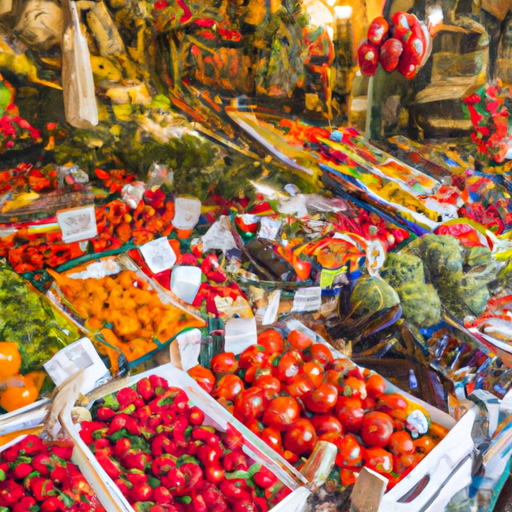
Now, let’s shift our focus to Palermo, a city in Sicily that encapsulates the essence of the island’s diverse cultural tapestry. With its rich history and vibrant marketplaces, Palermo offers a sensory overload that will leave you entranced. Roam through the bustling street markets, where scents of fresh produce and aromatic spices linger in the air. From the lively Ballarò Market to the historic Vucciria Market, Palermo’s marketplaces are a feast for the senses, offering a glimpse into the local way of life. As you wander through the city’s ancient streets, you’ll discover architectural wonders like the Palermo Cathedral and the Royal Palace of Palermo, each unveiling stories of conquests, influences, and architectural brilliance. Get ready to immerse yourself in Palermo’s captivating history and indulge in the flavors of this vibrant city.
The History of Palermo
The Ancient Origins
Palermo, the capital city of the autonomous region of Sicily in Italy, has a history that dates back to ancient times. The city’s origins can be traced back to the 8th century BC when it was founded by the Phoenicians. The Phoenicians established a prosperous trading settlement on the site, taking advantage of its strategic location on the Tyrrhenian Sea.
Over the centuries, Palermo was conquered by several civilizations, each leaving its mark on the city’s culture and architecture. The Greeks, Romans, and Byzantines all had their turn ruling over Palermo, contributing to its rich historical legacy.
The Arab Influence
One of the most significant periods in Palermo’s history was during the Arab rule from the 9th to the 11th centuries. The Arabs, who were known for their advanced knowledge in science, mathematics, and agriculture, greatly influenced the development of the city.
Under Arab rule, Palermo flourished as a major center of trade and culture. The Arabs introduced new agricultural techniques, such as the cultivation of citrus fruits and irrigation systems, which transformed the landscape of Palermo. They also left behind magnificent architectural marvels, including the iconic Palermo Cathedral.
The Norman Period
In the 12th century, Palermo fell under Norman rule when it was conquered by Roger II of Sicily. The Normans, with their French and Scandinavian roots, brought a unique blend of cultures to Palermo, resulting in a period of artistic and architectural flourishing.
During the Norman period, Palermo became a melting pot of different cultures and religions. The city’s cultural diversity is evident in its architecture, with stunning examples of Norman, Arab, and Byzantine styles coexisting harmoniously.
The Spanish Rule
In the 15th century, Palermo came under Spanish domination as part of the Kingdom of Sicily. The Spanish rule left a lasting impact on Palermo’s architecture and culture, as Spanish influences can still be seen today. The Spanish period saw the construction of grand palaces and churches, such as the Palazzo dei Normanni and the Church of San Giovanni degli Eremiti.
The Unification of Italy
In 1860, Palermo and the rest of Sicily joined the Kingdom of Italy after the expedition led by Giuseppe Garibaldi in the name of Italian unification. The unification of Italy brought about major changes in Palermo, as the city became an integral part of the unified Italian state.
Despite the political changes, Palermo has managed to preserve its unique cultural heritage and vibrant character. The city’s rich history is evident in its architecture, art, and traditions, making it a fascinating destination for history enthusiasts.
Exploring Palermo’s Marketplaces
La Vucciria
One of the most famous marketplaces in Palermo is La Vucciria. Located in the heart of the historic center, La Vucciria is a feast for the senses. The market has a long history and dates back to the 13th century when it was a thriving hub for trade.
La Vucciria is known for its lively atmosphere and bustling crowds. As you wander through the narrow streets, you’ll be greeted by colorful stalls selling a variety of goods, from fresh produce and seafood to traditional handicrafts. This vibrant market is a must-visit for anyone looking to immerse themselves in the local culture of Palermo.
Ballarò Market
Another iconic marketplace in Palermo is the Ballarò Market. Situated in the Albergheria district, Ballarò is a cultural melting pot that offers a glimpse into the daily lives of the locals. The market is renowned for its diverse array of products and its vibrant street performances.
At Ballarò, you’ll find everything from fresh fruits and vegetables to local cheeses and cured meats. The market is also a great place to sample traditional Sicilian street food, such as arancini (fried rice balls) and panelle (chickpea fritters). The lively atmosphere and the warm hospitality of the vendors make Ballarò a must-visit destination for food lovers.
Capo Market
For a true taste of Palermo’s flavors, head to the Capo Market. Located near the Palermo Cathedral, Capo Market is known for its tantalizing aromas and vibrant colors. Here, you’ll find a wide variety of products, including fresh fruits, vegetables, spices, and seafood.
One of the highlights of Capo Market is the street food scene. You can indulge in mouthwatering treats like sfincione (Sicilian pizza), panelle, and cannoli. The market is also a great place to try regional delicacies, such as arancine al ragù (rice balls with meat sauce) and pasta con le sarde (pasta with sardines). Whether you’re a food enthusiast or simply looking to explore the local culinary scene, Capo Market is not to be missed.
Mercato Il Capo
If you’re looking to experience the oldest market in Palermo, Mercato Il Capo is the place to go. Dating back to the Arab period, this historic market offers a glimpse into the traditional way of life in Palermo.
Mercato Il Capo is a paradise for foodies, with its wide selection of fresh fruits, vegetables, meats, and cheeses. Here, you can find authentic Sicilian ingredients, such as sun-dried tomatoes, capers, and olive oil. The market is also home to several specialty shops, where you can buy traditional Sicilian products, including ceramics, spices, and wines.
Mercato del Borgo Vecchio
For an authentic Palermitan experience, visit Mercato del Borgo Vecchio. This local’s favorite market is located in the Borgo Vecchio neighborhood and offers a unique blend of fresh produce, traditional gastronomic delights, and live music.
At Mercato del Borgo Vecchio, you’ll find a wide variety of fresh and local produce, including fruits, vegetables, and seafood. The market is also known for its traditional street food stalls, where you can taste local specialties like panelle and crocchè (potato croquettes). Additionally, the market hosts live music performances, creating a lively and vibrant atmosphere.
La Vucciria: A Feast for the Senses
A Historic Market
La Vucciria is not just a market; it’s a living testament to Palermo’s history. Founded in the 13th century, this vibrant marketplace has been a hub of trade and commerce for centuries. As you stroll through its narrow streets, you can’t help but feel the echoes of the past that are ingrained in every corner.
Delicious Street Food
One of the highlights of La Vucciria is its street food scene. From the tantalizing aroma of arancine to the sizzling sound of panelle frying, the market is a paradise for food enthusiasts. Whether you’re craving a quick snack or a full meal, La Vucciria has something to satisfy every taste bud.
Fresh Produce and Seafood
La Vucciria is also known for its fresh produce and seafood. As you make your way through the market, you’ll be greeted by a colorful array of fruits and vegetables, each more vibrant and enticing than the last. The seafood section is equally impressive, with a wide variety of fish and shellfish that have been freshly caught from the surrounding seas.
Traditional Handicrafts
In addition to food, La Vucciria is also a great place to find traditional handicrafts. From handmade ceramics to intricate lacework, the market is a treasure trove of local artistry. These unique crafts make for excellent souvenirs and mementos of your visit to Palermo.
Ballarò Market: Where Tradition Meets Diversity
A Cultural Melting Pot
Ballarò Market is a true reflection of Palermo’s cultural diversity. The market has a rich history that spans centuries and has been shaped by the various civilizations that have inhabited the city. As you explore Ballarò, you’ll discover a fusion of Arab, Norman, and Spanish influences that have blended together to create a vibrant and unique atmosphere.
A Mecca for Food Lovers
Food lovers will be delighted by the culinary delights that await them at Ballarò Market. From the scent of freshly baked bread to the sizzle of frying street food, the market is a sensory feast. You’ll find a wide variety of delectable treats, including traditional Sicilian pastries, freshly caught seafood, and local cheeses.
Local Products and Souvenirs
Ballarò Market is also a great place to shop for local products and souvenirs. From bags of aromatic spices to colorful ceramics, the market offers a wide range of unique items that make for perfect mementos of your trip to Palermo. The vendors are friendly and welcoming, and you’ll often find them eager to share stories and insights about their products.
Fascinating Street Performances
One of the unique aspects of Ballarò Market is the presence of street performers. As you explore the market, you may come across musicians playing traditional Sicilian tunes or dancers performing traditional folk dances. These impromptu performances add an extra layer of charm and vitality to the market, making it a truly unforgettable experience.
Capo Market: Immerse Yourself in Palermo’s Flavors
Tantalizing Aromas and Colors
Capo Market is a sensory delight that will awaken your senses from the moment you step foot into its bustling streets. The market is known for its vibrant colors and enticing aromas that fill the air. From the vibrant reds of ripe tomatoes to the earthy smells of freshly ground spices, Capo Market offers a kaleidoscope of flavors for you to explore.
A Wide Variety of Products
One of the highlights of Capo Market is its wide variety of products. From fresh fruits and vegetables to spices, meats, and cheeses, you’ll find everything you need to create a delicious Sicilian meal. The market is also a great place to discover local specialties, such as sun-dried tomatoes, capers, and olives.
Dive into Palermo’s Cuisine
Capo Market is a food lover’s paradise. Whether you’re looking to sample traditional Sicilian street food or buy ingredients for a homemade feast, the market has got you covered. Indulge in mouthwatering treats like arancine, sfincione, and cannoli, or stock up on fresh seafood to create a seafood extravaganza. Whatever your culinary preferences, Capo Market is sure to satisfy your cravings.
Hidden Gems and Traditional Delicacies
One of the joys of exploring Capo Market is stumbling upon hidden gems and traditional delicacies. As you wander through the market’s labyrinthine streets, you’ll come across small stalls and shops that offer unique products not found anywhere else. Whether it’s a rare spice blend, a local cheese, or a traditional sweet treat, these hidden gems are what make Capo Market an unforgettable experience.
Mercato Il Capo: Palermo’s Oldest Market
A Historical Landmark
Mercato Il Capo is not just a market; it’s a historical landmark that has stood the test of time. Dating back to the Arab period, the market is an integral part of Palermo’s cultural heritage. As you make your way through its narrow alleyways, you’ll feel a sense of stepping back in time, surrounded by the whispers of centuries past.
A Paradise for Foodies
Foodies will find themselves in heaven at Mercato Il Capo. The market offers a wide range of fresh and local produce, including fruits, vegetables, meats, and cheeses. Whether you’re a seasoned chef or a curious food enthusiast, you’ll be able to find all the ingredients you need to create a delicious Sicilian meal.
Authentic Sicilian Ingredients
One of the highlights of Mercato Il Capo is the authenticity of its products. The market is known for its dedication to sourcing local and high-quality ingredients. Here, you’ll find authentic Sicilian products, such as sun-dried tomatoes, olives, olive oil, and honey. These ingredients are the backbone of Sicilian cuisine and are sure to elevate your cooking to new heights.
Historical Architecture
In addition to its culinary offerings, Mercato Il Capo is also a feast for the eyes. The market is housed in a historic building with stunning architectural features, such as vaulted ceilings and intricate stonework. As you wander through the market, take a moment to appreciate the beauty of the surroundings and the rich history that is embedded in every brick and stone.
Mercato del Borgo Vecchio: A Local’s Favorite
A True Palermitan Experience
Mercato del Borgo Vecchio is a hidden gem that offers visitors a true Palermitan experience. Located in the Borgo Vecchio neighborhood, the market is a favorite among locals. Here, you’ll find an authentic atmosphere and a genuine sense of community.
Fresh and Local Produce
At Mercato del Borgo Vecchio, freshness is key. The market is known for its wide selection of fresh fruits, vegetables, and seafood. Whether you’re looking for the perfect ingredient for a homemade meal or simply want to sample the local produce, the market has something to offer.
Traditional Gastronomic Delights
In addition to fresh produce, Mercato del Borgo Vecchio is a great place to discover traditional gastronomic delights. From delicious street food like arancine and panelle to regional specialties like pasta con le sarde, the market offers a mouthwatering array of treats. Don’t forget to try the local pastries, such as cannoli and cassata, for a sweet ending to your culinary adventure.
Live Music and Entertainment
One of the unique features of Mercato del Borgo Vecchio is the presence of live music and entertainment. As you explore the market, you may come across musicians playing traditional Sicilian tunes or street performers showcasing their talents. These spontaneous performances add an extra layer of vibrancy to the market and create a lively and festive atmosphere.
Palermo’s Culinary Delights
Traditional Sicilian Cuisine
Palermo is renowned for its traditional Sicilian cuisine, which is a delicious blend of Italian, Arab, and Norman influences. Some of the must-try dishes include pasta con le sarde, a pasta dish cooked with sardines, wild fennel, raisins, and pine nuts, and arancine, deep-fried rice balls filled with various ingredients such as ragù, cheese, or mushrooms.
Another famous Sicilian dish is panelle, which are chickpea fritters often served in a sandwich with sesame bread. For a taste of Palermo’s street food, try sfincione, a soft and fluffy pizza topped with tomato sauce, onions, and cheese.
Fish and Seafood Specialties
Given Palermo’s proximity to the sea, it’s no surprise that fish and seafood are prominent in the city’s culinary scene. The freshest catch of the day can be found in the local markets, and restaurants throughout Palermo serve an array of seafood dishes.
Whether it’s spaghetti alle vongole (spaghetti with clams), pesce spada alla ghiotta (swordfish in tomato sauce), or fritto misto di mare (mixed fried seafood), seafood lovers will have plenty to savor in Palermo.
Pasticceria: Sicilian Sweet Treats
No visit to Palermo is complete without indulging in some Sicilian sweet treats. Pasticcerias, or pastry shops, can be found throughout the city, offering a tempting display of pastries, cakes, and gelato.
Cannoli, with their crispy shells filled with creamy ricotta filling and sprinkled with pistachios or chocolate chips, are a Sicilian classic. Another local favorite is cassata, a rich and decadent sponge cake filled with sweet ricotta cream, candied fruit, and covered with marzipan.
Local Wines and Refreshing Beverages
To accompany your culinary adventures in Palermo, be sure to sample the local wines and refreshing beverages. Sicily is known for its wine production, and the region offers a wide variety of wines, from rich reds to crisp whites.
For something refreshing, try a glass of limoncello, a sweet liqueur made from lemons. Alternatively, sip on a granita, a semi-frozen dessert that comes in various flavors such as lemon, almond, or coffee. Granita is perfect for cooling off on a hot summer day in Palermo.
Palermo’s Architectural Gems
Cattedrale di Palermo
The Cattedrale di Palermo, also known as Palermo Cathedral, is a magnificent example of Norman architecture. The cathedral combines elements of Arab, Norman, and Gothic styles, resulting in a unique and stunning structure. Highlights of the cathedral include its impressive façade, intricate mosaics, and the Royal Tombs, where Norman kings and German emperors are laid to rest.
Palazzo dei Normanni
The Palazzo dei Normanni, or the Royal Palace of Palermo, is another architectural gem that showcases the city’s rich history. Originally built as a fortress by the Arabs, the palace was later expanded by the Normans. Today, it serves as the seat of the regional parliament of Sicily and houses the stunning Palatine Chapel, renowned for its golden mosaics.
Quattro Canti
Quattro Canti, also known as Piazza Vigliena, is a Baroque square that lies at the intersection of two primary streets in Palermo. The square is one of Palermo’s most recognizable landmarks, with its four facades featuring statues of the four Spanish kings of Sicily. Quattro Canti is a perfect place to soak in the city’s vibrant atmosphere and marvel at its architectural beauty.
Teatro Massimo
Teatro Massimo is one of the largest opera houses in Europe and a symbol of Palermo’s cultural heritage. Built in the late 19th century, the theater is an architectural masterpiece, featuring a neoclassical façade and a grand interior adorned with frescoes and sculptures.
San Giovanni degli Eremiti
San Giovanni degli Eremiti, or the Church of Saint John of the Hermits, is a unique example of Arab-Norman architecture. The church’s red-domed towers and beautiful cloister transport visitors to a different era. The serene ambiance and architectural beauty of San Giovanni degli Eremiti make it a must-visit destination for architecture enthusiasts.
The Festivals and Events of Palermo
Festa di Santa Rosalia
The Festa di Santa Rosalia is one of Palermo’s most beloved festivals, held annually in honor of the city’s patron saint, Saint Rosalia. The festival takes place in July and includes religious processions, fireworks, music, and street performances. The highlight of the festival is the procession in which the statue of Saint Rosalia is carried through the streets of Palermo, followed by a dazzling display of fireworks.
Estate Siciliana
Estate Siciliana, or Sicilian Summer, is a series of cultural events and performances that take place in Palermo from June to September. The festival includes concerts, theater performances, dance shows, and art exhibitions. Whether you’re a music lover, a theater enthusiast, or an art aficionado, Estate Siciliana offers something for everyone.
Settimana della Cultura
Settimana della Cultura, or Culture Week, is an annual event that takes place in April, during which museums, archaeological sites, and cultural institutions throughout Italy offer free admission. In Palermo, this event allows visitors to explore the city’s rich cultural heritage and historical landmarks without any entrance fees.
Palermo International Film Festival
The Palermo International Film Festival is a celebration of cinema that takes place in Palermo every year. The festival showcases a wide selection of international films, ranging from independent productions to mainstream releases. Film screenings, Q&A sessions with filmmakers, and panel discussions are among the highlights of the festival. If you’re a film enthusiast, the Palermo International Film Festival is a must-attend event.
Palermo’s rich history and vibrant marketplaces make it a destination like no other. From its ancient origins to its architectural gems, from its culinary delights to its lively festivals, Palermo offers a unique blend of history, culture, and gastronomy that will captivate your senses and leave you with unforgettable memories. So, whether you’re a history buff, a food lover, or a culture enthusiast, make sure to put Palermo on your travel bucket list. You won’t be disappointed!
 English