
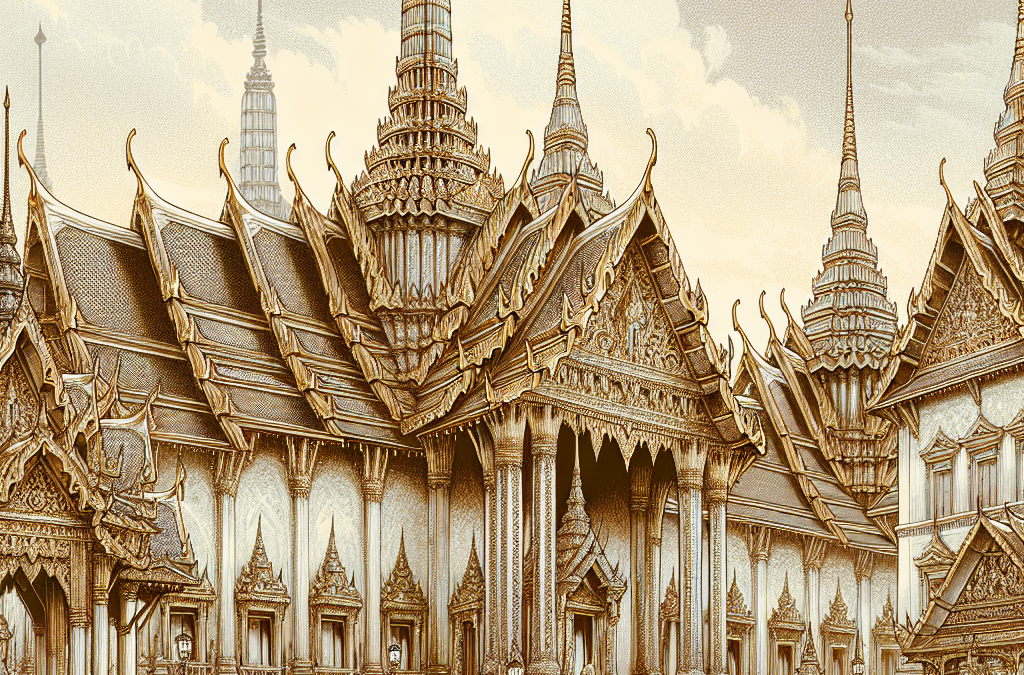
Step foot in the vibrant city of Bangkok and prepare to be captivated by the grandeur and intricacy of its iconic landmark, the Grand Palace. This architectural marvel, adorned with glistening golden spires and intricate carvings, offers a glimpse into Thailand’s rich history and cultural heritage. As you wander through its vast complex of opulent buildings and meticulously manicured gardens, you’ll be transported to a bygone era of royalty and elegance. And if you’re in the mood to discover the lesser-known regions of Thailand, venture further north to Mae Hong Son, where cultural diversity and hill tribes await your exploration.
Introduction to Bangkok and the Grand Palace
Welcome to Bangkok, the vibrant capital city of Thailand! One of the must-visit attractions in Bangkok is the iconic Grand Palace, which showcases the rich history and exquisite architecture of the Thai monarchy. This article will provide you with a comprehensive overview of the Grand Palace and its various structures, as well as tips for making the most of your visit.
Overview of the Grand Palace
Historical Significance
The Grand Palace has a fascinating historical significance, as it was built in 1782 during the reign of King Rama I. It served as the official residence of the Thai royal family for over 150 years and continues to be used for ceremonial and official purposes. The history behind the Grand Palace is deeply intertwined with the establishment of Bangkok as the capital city and the modernization efforts of the Chakri dynasty.
Architectural Style
The architectural style of the Grand Palace is a stunning blend of traditional Thai influences and European neoclassical design. The complex features intricate details, vibrant colors, and impressive craftsmanship, making it a true masterpiece of Thai architecture. The walls and roofs of the structures are adorned with intricate patterns, while the spires and gables showcase the elegance and grandeur of Thai craftsmanship.
Current Function
While the Grand Palace is no longer the official residence of the Thai royal family, it remains an important location for royal ceremonies and state functions. Additionally, several areas within the palace complex serve as museums and exhibition spaces, offering visitors the opportunity to learn more about Thai history and culture.
Exploring the Grand Palace
Opening Hours and Tickets
The Grand Palace is open to visitors daily from 8:30 AM to 3:30 PM. It is important to note that the palace may have different opening hours during special events or ceremonies, so it’s a good idea to check the official website or local tourist information for any updates before planning your visit. Tickets can be purchased at the entrance, and it is advisable to arrive early to avoid long queues.
Dress Code
When visiting the Grand Palace, it is crucial to adhere to a strict dress code out of respect for Thai culture and the royal institution. Both men and women are required to wear clothing that covers their shoulders and knees. Sleeveless shirts, shorts, and mini skirts are not permitted inside the palace. If you fail to comply with the dress code, there are rental services available near the entrance that provide appropriate attire for a small fee.
Orientation and Map
The Grand Palace is a vast complex, so having a map or guidebook will greatly enhance your visit. The main entrance is through the Wiset Chaisri Gate, and from there, you can explore the different areas and structures within the palace. Many visitors choose to join a guided tour to ensure they don’t miss any important highlights and to gain a deeper understanding of the history and significance of the various buildings.
Major Structures within the Grand Palace
Phra Thinang Chakri Maha Prasat
One of the most striking structures within the Grand Palace is Phra Thinang Chakri Maha Prasat. This majestic building serves as the principal throne hall and is used for important royal ceremonies and receptions. Its unique architectural style combines traditional Thai elements with neoclassical influences, creating a harmonious and regal atmosphere.
Wat Phra Kaew
Located within the Grand Palace complex, Wat Phra Kaew, also known as the Temple of the Emerald Buddha, is one of the most sacred sites in Thailand. This temple houses the Emerald Buddha, a revered statue made of green jadeite. The temple’s intricate mural paintings depict scenes from Buddhist mythology, and the exquisite craftsmanship of the statues and ornaments is truly awe-inspiring.
Borom Phiman Mansion
The Borom Phiman Mansion is a stunning royal residence and reception hall that was built during the reign of King Rama V. This mansion showcases a unique fusion of Thai and European architectural styles, reflecting the king’s vision of modernization and his close ties with European countries. The interior is adorned with lavish decorations, including exquisite chandeliers, elegant furniture, and ornate tapestries.
Phra Thinang Chakri Maha Prasat
Historical Background
Phra Thinang Chakri Maha Prasat holds significant historical importance as the principal throne hall of the Grand Palace. It was built by King Rama V in 1877 and has been the venue for important royal ceremonies and events ever since. The hall has witnessed the coronations of several Thai kings and remains a symbol of regal grandeur.
Architectural Features
Phra Thinang Chakri Maha Prasat stands out with its impressive blend of Thai and European architectural features. The exterior features steep, gabled roofs adorned with intricate details, while the interior boasts grand staircases, ornate columns, and elaborate ceiling decorations. The hall’s architectural elements symbolize the harmony between Thai traditions and European influences.
Importance in Royal Ceremonies
Phra Thinang Chakri Maha Prasat is exclusively used for significant royal ceremonies and events. It is the venue for royal coronations, royal receptions, and the lying-in-state ceremony of deceased Thai kings. The hall’s regal ambiance and historical significance make it a focal point of Thai tradition and royal heritage.
Wat Phra Kaew
The Sacred Emerald Buddha
Wat Phra Kaew is home to the highly revered Emerald Buddha, a small statue that holds great importance in Thailand’s Buddhist culture. The Emerald Buddha is considered the guardian and protector of the Thai kingdom, and it is believed to bring prosperity and good fortune to those who pay their respects. Visitors to Wat Phra Kaew can marvel at the statue’s intricate details and observe the faithful as they offer prayers and light incense.
Intricate Mural Paintings
The walls of Wat Phra Kaew are adorned with intricate mural paintings that depict scenes from Buddhist mythology and historical events. These vibrant and detailed artworks provide visitors with a visual narrative of Thailand’s rich cultural heritage. Each painting tells a story, and observers can spend hours appreciating the skill and artistry that went into creating them.
Additional Structures and Statues
In addition to the Emerald Buddha and the main temple, Wat Phra Kaew contains several other structures and statues of cultural and historical significance. These include the Eighteen God Kings, each representing a different element of Thai folklore and mythology. Visitors can explore these structures and statues to gain a deeper understanding of Thai spiritual beliefs and mythological narratives.
Borom Phiman Mansion
Royal Residence and Reception Hall
Borom Phiman Mansion served as a royal residence and reception hall during the reign of King Rama V. Its magnificent architecture and opulent decorations reflect the king’s aspiration to modernize Thailand while preserving traditions. This mansion acted as a venue for royal functions, diplomatic receptions, and private quarters for the king and his family.
Thai-European Fusion Architecture
Borom Phiman Mansion is a testament to King Rama V’s admiration for European architecture and his efforts to blend it seamlessly with Thai design elements. The mansion’s exterior showcases a combination of Thai-style sloping roofs and European-style columns and balconies. The fusion of these architectural styles results in a truly unique and splendid structure.
Rich Interior Decorations
Inside Borom Phiman Mansion, visitors will find a treasure trove of intricate decorations and furnishings. The grand reception hall features elaborate chandeliers, beautifully carved wooden furniture, and delicate Thai silk curtains. The mansion’s interior provides a glimpse into the lavish lifestyle enjoyed by the royal family during the late 19th and early 20th centuries.
Other Points of Interest within the Grand Palace
Chakri Maha Prasat Hall
Chakri Maha Prasat Hall is a breathtaking architectural gem within the Grand Palace complex. This hall features a golden spire and magnificent rooftop decorations. It serves as the royal residence of the current monarch, although it is not open to the public. Visitors can admire the hall’s exterior and marvel at its regal beauty.
Dusit Maha Prasat Throne Hall
Dusit Maha Prasat Throne Hall is an imposing structure situated near Phra Thinang Chakri Maha Prasat. This hall, which features a high pagoda-like rooftop, served as the primary venue for royal audiences and council meetings during the reign of King Rama I. Its architectural grandeur and historical significance make it a must-see within the Grand Palace complex.
Amarin Winitchai Hall
Amarin Winitchai Hall is an elegant reception hall that houses the Bureau of the Royal Household. This hall is often used for official functions and state banquets. Its picturesque location, overlooking the Chao Phraya River, adds to its charm. While visitors cannot enter the hall, they can appreciate its beauty from the outside and enjoy the stunning views of the surrounding area.
Tips for Visiting the Grand Palace
Arriving Early to Beat the Crowds
The Grand Palace is a popular tourist attraction, and it can get crowded, especially during peak tourist seasons. To make the most of your visit, try to arrive early in the morning when the palace opens. This will allow you to explore the complex before the crowds arrive and ensure a more tranquil and immersive experience.
Hiring a Local Guide
To gain a deeper understanding of the history, cultural significance, and architectural details of the Grand Palace, consider hiring a local guide. Local guides are knowledgeable about the palace’s history, can provide interesting anecdotes, and help you navigate the complex more efficiently. They can also help you make the most of your time by highlighting the must-see areas and sharing lesser-known facts about the palace.
Exploring Nearby Attractions
While the Grand Palace deserves the majority of your attention, don’t forget to explore the nearby attractions as well. The Temple of the Reclining Buddha (Wat Pho) and the Museum of Siam are both within walking distance and offer unique insights into Thai history and culture. Taking the time to visit these sites will give you a more holistic experience of Bangkok’s rich heritage.
Conclusion
Visiting the Grand Palace in Bangkok is an extraordinary experience that allows you to delve into the rich history, culture, and architecture of Thailand. From the stunning Phra Thinang Chakri Maha Prasat to the sacred Wat Phra Kaew and the lavish Borom Phiman Mansion, every corner of the palace complex tells a story of the Thai monarchy and its influence on the country’s development. By following the dress code, arriving early, and exploring the nearby attractions, you can make the most of your visit and create lasting memories of this enchanting cultural treasure.
 English