
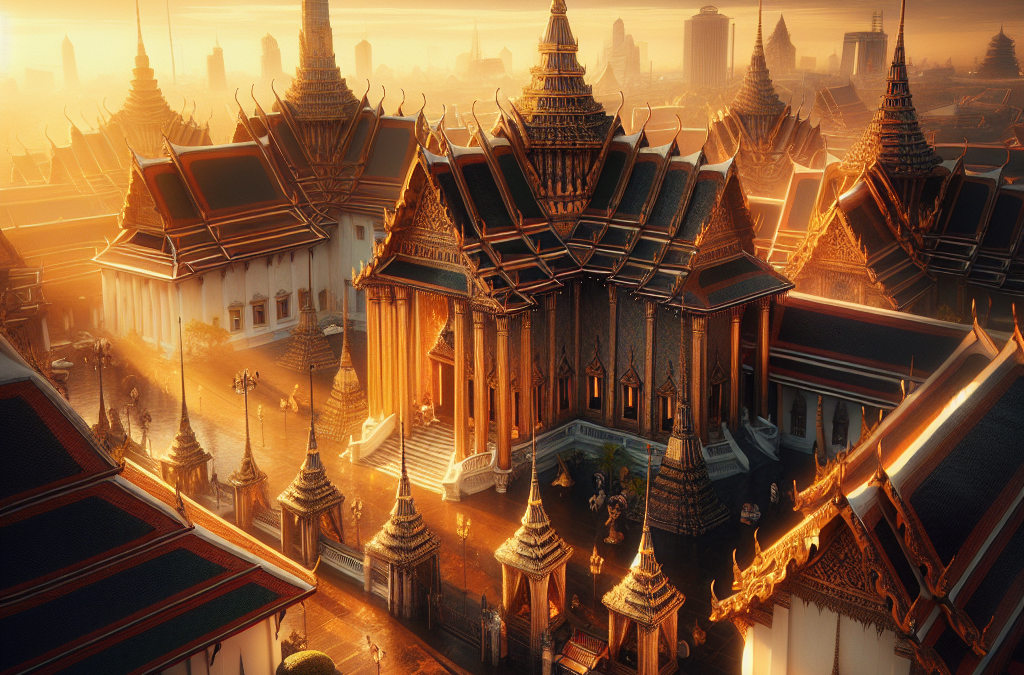
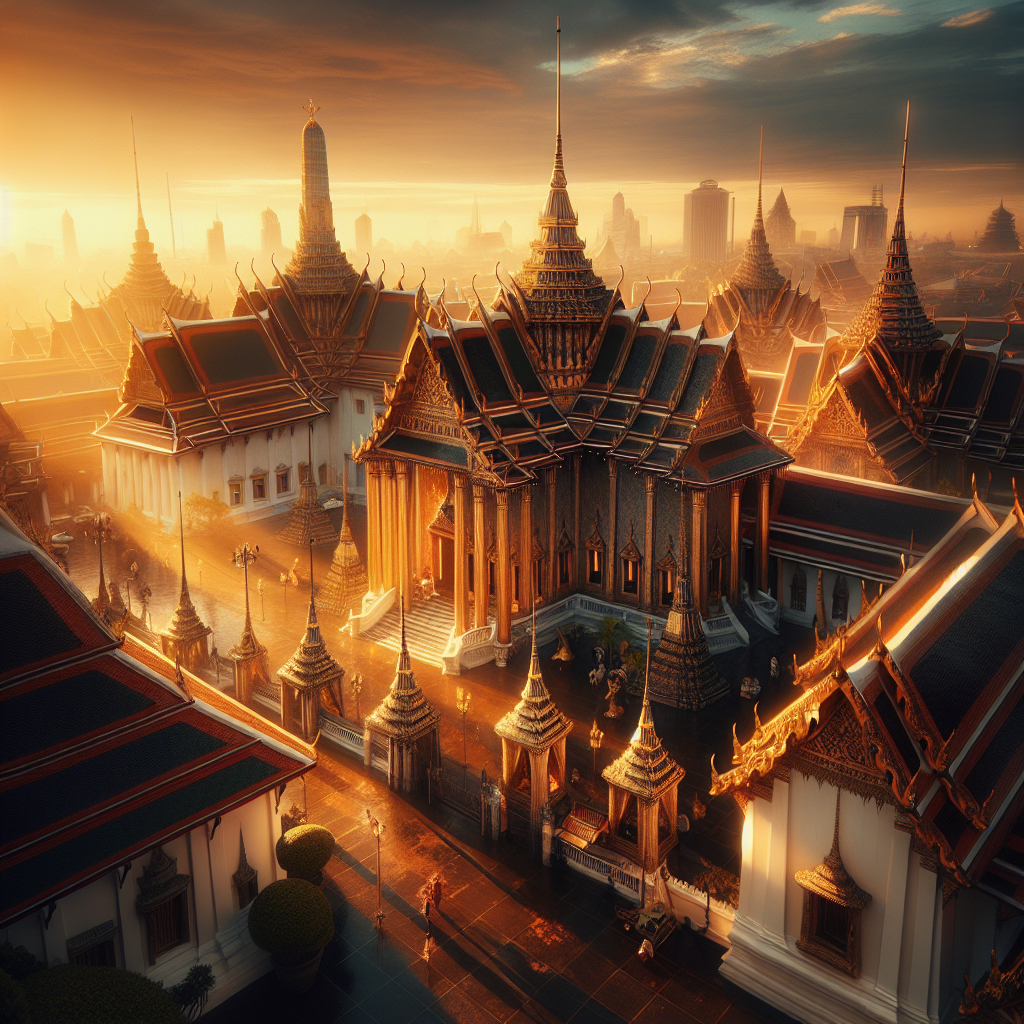
Do you have a passion for history and stunning architectural wonders? Look no further than the magnificent city of Bangkok, where you can immerse yourself in the grandeur of the Grand Palace and its exquisite architecture. Stepping foot into this majestic landmark is like stepping back in time, as you are transported to a bygone era of opulence and elegance. Admire the intricate designs and meticulous craftsmanship of the buildings, adorned with shimmering gold accents and vibrant colors. From the breathtaking Emerald Buddha Temple to the elaborate halls and pavilions, every corner of the Grand Palace is a testament to Thailand’s rich cultural heritage. Embark on a journey to Bangkok’s Grand Palace, and get ready to be mesmerized by the grandeur and beauty that awaits you.
History of the Grand Palace
Construction of the Grand Palace
The Grand Palace in Bangkok, Thailand, is a magnificent architectural marvel that holds a rich history dating back centuries. Construction of the Grand Palace began in 1782 during the reign of King Rama I, the founder of the Chakri Dynasty. The King wanted to establish a new capital for Thailand, and the Grand Palace was an essential component of this vision. It took over two years to complete the construction, with thousands of skilled craftsmen and laborers working tirelessly to bring the King’s dream to life.
The original purpose of the Grand Palace
Originally, the Grand Palace served as the official residence of the Thai monarch, as well as the administrative seat of the government. It was not only a place of royal residence but also a center for the arts, culture, and religious ceremonies. The Grand Palace became the heart of the Thai kingdom, housing the royal family and the offices of various ministries.
Significance in Thai history
The Grand Palace holds immense importance in Thai history and is a symbol of the nation’s enduring monarchy. Throughout history, the Thai kings and queens have resided within the Grand Palace, making it a significant center of power. It witnessed the rise and fall of different dynasties, surviving political transformations and embracing cultural changes. The Grand Palace stands as a testament to Thailand’s rich heritage and its ability to adapt and thrive.
Royal events held at the Grand Palace
The Grand Palace has been the backdrop for numerous royal events that have shaped Thai history. It has witnessed coronations, royal weddings, and the celebrations of auspicious occasions. The grandeur of these events, set amidst the exquisite architecture and opulent surroundings, showcases the royal heritage and traditions of Thailand. Even today, important ceremonies such as the Royal Ploughing Ceremony and the presentation of credentials by foreign ambassadors take place within the Grand Palace complex, continuing its legacy as a pivotal site for royal engagements.
Overview of the Grand Palace
Location of the Grand Palace
Nestled in the heart of Bangkok, the Grand Palace is situated on the east bank of the Chao Phraya River. This strategic location allows visitors to easily access the palace from various parts of the city. Its proximity to major transportation hubs and popular tourist areas makes it a must-visit destination for travelers exploring Bangkok.
Layout and design of the Grand Palace
The Grand Palace complex covers an extensive area of over 200,000 square meters and is divided into two main sections: the Inner Court and the Outer Court. The Inner Court houses the royal residences and areas accessible only to the royal family and their guests. The Outer Court, on the other hand, is open to the public and houses numerous attractions such as temples, museums, and government buildings. The architectural design of the Grand Palace reflects a fusion of Thai, Chinese, and European influences, creating a stunning combination of styles.
Importance of the Grand Palace as a cultural symbol
The Grand Palace serves as a cultural symbol of Thailand, representing the country’s rich history, architectural beauty, and royal heritage. Visitors from around the world flock to witness the grandeur of the palace and experience the essence of Thai culture and tradition. The intricate details, vibrant colors, and ornate structures within the palace complex are a testament to the craftsmanship and artistic abilities of the Thai people.
Features of the Grand Palace
The Grand Palace is home to several remarkable structures that showcase the unique architectural wonders of Thailand. It houses iconic buildings such as the Chakri Maha Prasat Throne Hall, Amarin Winitchai Hall, Borom Phiman Mansion, Dusit Maha Prasat Throne Hall, and Phra Maha Monthien Buildings. Each of these buildings has its distinct charm and historical significance, contributing to the overall splendor of the palace complex.
Architectural Marvels of the Grand Palace
Influence of Thai, Chinese, and European styles
The architectural style of the Grand Palace is an enchanting blend of Thai, Chinese, and European influences. The Thai elements, characterized by intricate details, ornamental motifs, and colorful mosaics, dominate the overall design. These elements are complemented by Chinese architectural features, such as the curved rooflines and guardian statues, which symbolize prosperity and protection. European styles, including neoclassical columns and colonnades, were also incorporated during the reign of King Rama IV, adding a touch of elegance and grandeur to the palace complex.
Throne Halls and their distinct architecture
Among the architectural marvels within the Grand Palace, the Throne Halls stand out as exquisite masterpieces. The Chakri Maha Prasat Throne Hall, with its neo-renaissance architectural style, is a grand three-story building that serves as the ceremonial reception hall of the Thai monarchy. Its main attraction is the central spire, adorned with intricate carvings and gilded accents, which symbolizes the connection between heaven and earth. Similarly, the Dusit Maha Prasat Throne Hall features a magnificent multi-tiered roof and intricately carved gables, showcasing the beauty of traditional Thai craftsmanship.
Emerald Buddha Temple – Wat Phra Kaew
One of the most revered and beloved attractions within the Grand Palace complex is the Emerald Buddha Temple, also known as Wat Phra Kaew. This sacred temple houses the highly revered Emerald Buddha statue, considered to be the spiritual guardian of Thailand. The temple’s architectural highlights include its golden façade, decorative spires, and intricate murals depicting the life of Buddha. The serene beauty of the temple, combined with its cultural and religious significance, makes it a must-see sight for visitors to the Grand Palace.
Golden Chedi – Phra Sri Rattana Chedi
The Golden Chedi, or Phra Sri Rattana Chedi, stands as a shining beacon within the Grand Palace complex. This iconic landmark, with its gleaming golden spire, represents the unity of the Thai people and their devotion to Buddhism. The chedi is richly adorned with intricate decorative details and surrounded by smaller chedis, creating a stunning visual spectacle. Visitors can witness the peaceful ambience of the Golden Chedi and gain a deeper understanding of its religious and historic significance.
Beautiful murals and intricate details
Within the Grand Palace, visitors will be mesmerized by the stunning murals that adorn the walls of various buildings. These murals depict scenes from Thai mythology, historical events, and epic stories, showcasing the artistic expertise and cultural heritage of the Thai people. The murals are painstakingly created using traditional techniques and materials, resulting in vibrant colors and exquisite details. Each mural tells its unique story, inviting visitors to immerse themselves in the rich tapestry of Thai culture and history.
Exploring the Grand Palace Complex
Entrance to the Grand Palace Complex
To enter the Grand Palace complex, visitors must pass through the main entrance, guarded by ceremonial soldiers. The entrance gate, known as Phiman Rataya, welcomes guests with its impressive architecture and intricate decorations. As you step inside, you will be transported to a world of grandeur and splendor.
Inner Court and Outer Court
The Grand Palace complex is divided into two main sections: the Inner Court and the Outer Court. The Inner Court, accessible only to the royal family and their guests, contains the royal residences, private gardens, and other confidential areas. The Outer Court is open to the public and houses a myriad of attractions, including temples, museums, throne halls, and government buildings. Exploring both sections provides a comprehensive understanding of the historical and cultural significance of the Grand Palace.
Key buildings within the Complex
While exploring the Grand Palace complex, visitors will encounter several key buildings that exemplify the grandeur and architectural prowess of Thailand. These include the Chakri Maha Prasat Throne Hall, Amarin Winitchai Hall, Borom Phiman Mansion, Dusit Maha Prasat Throne Hall, and Phra Maha Monthien Buildings. Each building has its unique charm, showcasing different architectural styles and serving distinct functions within the palace complex.
Royalty’s living quarters
The Inner Court of the Grand Palace houses the living quarters of the Thai royal family. These private residences, nestled within beautifully landscaped gardens, provide a glimpse into the opulent lifestyle of the monarchy. Visitors will marvel at the intricate design and ornate decorations adorning the royal residences, gaining insight into the refined tastes and personal preferences of the Thai monarchs.
Courtyards and gardens within the Complex
The Grand Palace complex is also renowned for its enchanting courtyards and meticulously landscaped gardens. These outdoor spaces provide a tranquil escape from the bustling city and offer visitors the opportunity to admire the natural beauty surrounding the palace. The well-manicured lawns, vibrant flowers, and ornamental plants create a serene ambiance, inviting visitors to relax and appreciate the grandeur of their surroundings.
Famous Buildings within the Grand Palace
Chakri Maha Prasat Throne Hall
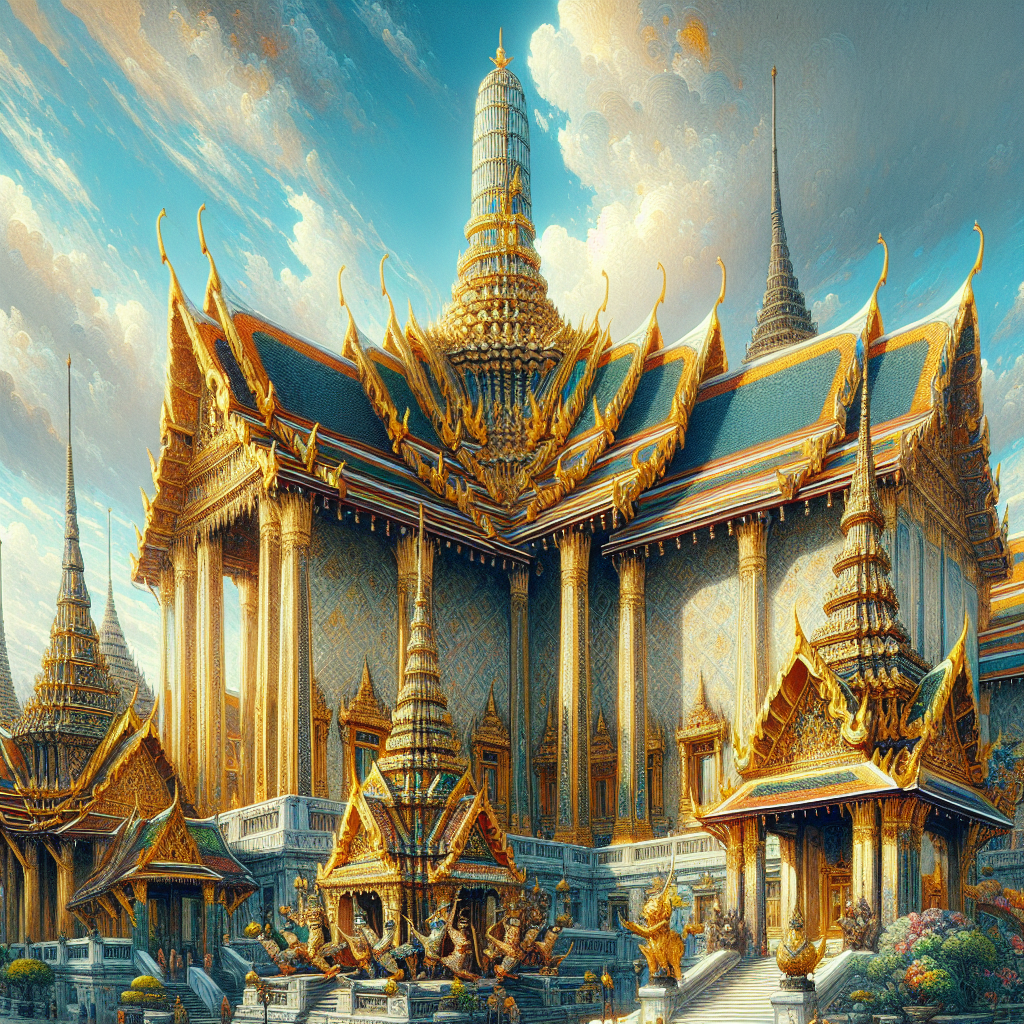
The Chakri Maha Prasat Throne Hall is an architectural masterpiece that embodies the grandeur of Thai royalty. Its stunning neo-renaissance design is a fusion of Thai, European, and neoclassical styles, creating a harmonious blend of art and culture. The Throne Hall is not only a symbolic representation of the Thai monarchy but also serves as a venue for important state occasions and royal ceremonies.
Amarin Winitchai Hall
Amarin Winitchai Hall, a beautiful building within the Grand Palace complex, holds great historical significance. It served as the residence of King Rama I during the construction of the Grand Palace and later became the royal reception hall. The hall’s architecture reflects a mixture of Thai and European influences, with intricate carvings and elegant colonnades adorning its exterior.
Borom Phiman Mansion
Borom Phiman Mansion, another stunning building within the Grand Palace complex, served as the royal residence for several Thai kings. The mansion features a blend of Thai and European architectural styles, showcasing intricately carved woodwork adorning its façade. The mansion’s lush gardens and beautiful courtyards add to its allure, providing a serene retreat for the royal inhabitants.
Dusit Maha Prasat Throne Hall
The Dusit Maha Prasat Throne Hall is a remarkable architectural gem that stands proudly within the Grand Palace complex. Its three-tiered roof, intricately carved gables, and golden spires make it a visually striking structure. The throne hall has been a witness to many key royal events throughout history and continues to hold great significance in Thai culture.
Phra Maha Monthien Buildings
The Phra Maha Monthien Buildings hold historical significance as the former royal residence during the reign of King Rama I. Today, these buildings serve as an important venue for state functions and palace ceremonies. The intricate design, elegant proportions, and traditional Thai architectural elements make these buildings truly awe-inspiring.
The Emerald Buddha Temple – Wat Phra Kaew
Religious significance of Wat Phra Kaew
Wat Phra Kaew, also known as the Temple of the Emerald Buddha, is considered the most sacred temple in Thailand. It holds immense religious importance as the home of the highly revered Emerald Buddha statue, meticulously crafted from a single piece of jade. The temple complex serves as a place of worship and pilgrimage for Buddhists from around the world, offering a serene environment for contemplation and devotion.
Architectural highlights of the temple
The architectural highlights of Wat Phra Kaew are truly captivating. The temple’s exterior is adorned with intricate carvings, colorful mosaic patterns, and gilded accents. The towering spires, known as prangs, are embellished with delicate pieces of porcelain, creating a mesmerizing sight. The meticulous attention to detail and the harmonious blend of architectural styles make Wat Phra Kaew a masterpiece of Thai craftsmanship.
Emerald Buddha statue – Phra Kaew Morakot
The centerpiece of Wat Phra Kaew is the Phra Kaew Morakot, or the Emerald Buddha statue. This revered statue is believed to bring prosperity and good fortune to the Thai people. Despite its name, the statue is actually carved from a single piece of jade, not emerald. The Emerald Buddha is carefully clothed in regal attire, which changes according to the season, adding to the cultural and artistic significance of the statue.
Royal ceremonies held at Wat Phra Kaew
Wat Phra Kaew is the venue for significant royal ceremonies and rituals held throughout the year. These ceremonies, such as Songkran and Makha Bucha, involve the participation of the Thai royal family and highlight the enduring bond between the monarchy and Buddhism in Thai culture. Visitors to Wat Phra Kaew may have the opportunity to witness these historic and deeply spiritual events, gaining a unique insight into Thai traditions.
Visiting guidelines and dress code
When visiting Wat Phra Kaew, it is essential to respect the religious and cultural significance of the site. Visitors should dress modestly, covering their shoulders and knees. It is also customary to remove shoes before entering the temple buildings. Photography is allowed in designated areas but not permitted in the temple interiors. Following these guidelines shows reverence for the sacredness of the temple and ensures a meaningful and respectful visit.
History and Importance of the Golden Chedi
Symbolism of the Golden Chedi
The Golden Chedi, or Phra Sri Rattana Chedi, holds both religious and symbolic significance for the Thai people. It symbolizes the unity and devotion of the Thai nation to Buddhism. The gleaming golden spire is believed to house sacred relics and represents the spiritual power of Buddhism in Thai society. The chedi serves as a focal point for worship and reverence, inspiring a sense of awe and admiration among visitors.
History of its construction
The construction of the Golden Chedi dates back to the reign of King Rama IV during the mid-19th century. The king initiated the construction of this iconic structure, seeking to reinforce the spiritual and cultural heritage of Thailand. The chedi’s design draws inspiration from the ancient architecture of Sukhothai and Ayutthaya, two former Thai capitals renowned for their grandeur and artistic excellence.
Religious rituals and offerings
The Golden Chedi is a site of religious pilgrimage and offers a space for devout Buddhists to pay homage and make offerings. Visitors can witness the faithful presenting flowers, incense, and candles as expressions of their devotion and gratitude. The chedi serves as a focal point for meditation and prayer, allowing individuals to find solace and connect with their spirituality within its sacred grounds.
Collaboration of international artisans
The construction of the Golden Chedi was not only a Thai endeavor but also involved the collaboration of international artisans. Skilled craftsmen from various countries, including China, India, and Myanmar, contributed their expertise to create this architectural masterpiece. The fusion of different artistic traditions and cultural influences resulted in the creation of a truly unique and awe-inspiring structure.
Conservation efforts and restoration
Given its cultural and historical significance, the Golden Chedi has undergone various conservation and restoration projects over the years. These efforts aim to preserve the chedi’s original splendor and ensure its longevity for future generations. Renovation work has involved the use of traditional techniques and materials, ensuring that the chedi retains its authentic charm while also withstanding the test of time.
Murals and Artistic Details in the Grand Palace
Depictions of Thai mythology and history
The murals within the Grand Palace complex are a treasure trove of Thai mythology, history, and cultural heritage. These intricate artworks depict scenes from epic tales, important historical events, and religious stories. Visitors can immerse themselves in the vibrant colors and captivating narratives that unfold before their eyes, gaining a deeper understanding of Thai folklore and legends.
Intricate mural techniques and materials used
The creation of the murals within the Grand Palace involved painstaking techniques and the use of high-quality materials. Skilled artists employed traditional methods, such as egg tempera painting and gold leaf application, to achieve the desired effects. The use of natural pigments and precious materials ensured the longevity and brilliance of the murals, preserving their beauty for centuries.
Famous mural themes and stories
The murals found within the Grand Palace complex depict a wide range of themes and stories that have shaped Thai culture and history. From the Ramakien, Thailand’s national epic, to scenes from the Jataka tales, each mural tells a unique narrative. Visiting the Grand Palace provides an opportunity to witness these captivating stories come to life, showcasing the rich tapestry of Thai culture and folklore.
Preservation and restoration of the murals
Preservation and restoration efforts are ongoing to ensure the longevity of the murals within the Grand Palace complex. Skilled conservators employ meticulous techniques to carefully clean, repair, and protect the intricate paintings. These efforts aim to maintain the vibrancy and cultural significance of the murals, allowing future generations to appreciate their beauty and historical importance.
Role of murals in Thai culture and art
The murals within the Grand Palace complex play a vital role in Thai culture and art. They serve as windows into the past, preserving cultural traditions and historical events for generations to come. The intricate details and vibrant colors of the murals not only captivate the eye but also provide valuable insights into Thai artistic techniques, religious beliefs, and societal customs. The murals are a testament to the ingenuity and creativity of Thai artists, reflecting the rich cultural tapestry of the nation.
Visiting the Grand Palace
Entrance fees and opening hours
To visit the Grand Palace, visitors are required to pay an entrance fee. The fee covers access to both the Grand Palace and Wat Phra Kaew. The opening hours of the Grand Palace are from 8:30 am to 3:30 pm every day, except during special events or ceremonies. It is advisable to check the official website for any updates regarding entry fees and opening hours before planning your visit.
Guided tours and audio guides
Guided tours and audio guides are available for visitors who wish to have a more in-depth understanding of the Grand Palace and its attractions. These guided tours are led by knowledgeable experts who will provide fascinating insights into the palace’s history, architecture, and cultural significance. Audio guides offer flexibility, allowing visitors to explore at their own pace while still benefiting from informative commentary.
Popular attractions around the Grand Palace
The Grand Palace is located in a vibrant area of Bangkok, surrounded by other popular tourist attractions. Visitors can take advantage of their visit to explore nearby sites such as Wat Arun, Wat Pho, and the bustling markets of Chinatown. These attractions provide a comprehensive experience of Bangkok’s cultural heritage and offer a glimpse into the diverse and vibrant character of the city.
Tips for navigating the large complex
Given the grand scale of the Grand Palace complex, it is advisable to allocate sufficient time for your visit. Wear comfortable shoes and dress modestly to ensure a comfortable exploration of the palace grounds. It is also recommended to carry water and sunscreen, especially during the hot and humid months. Following the signages and maps within the complex will help you navigate your way through the various attractions efficiently.
Etiquette and respect for the royal grounds
Respecting the royal grounds and maintaining proper etiquette is of utmost importance when visiting the Grand Palace. Visitors should dress modestly, covering their shoulders and knees. It is crucial to avoid touching or leaning on any sacred objects, as this is considered disrespectful. Photography is allowed in designated areas but not permitted in the temple interiors. By observing these guidelines, visitors can ensure a respectful and enjoyable visit to the Grand Palace.
Conclusion
Appreciating the architectural beauty of the Grand Palace
The Grand Palace stands as a striking testament to Thailand’s rich architectural heritage. Its intricate details, vibrant colors, and fusion of architectural styles create a unique and awe-inspiring sight. Visitors to the Grand Palace can appreciate the splendor and beauty of Thai craftsmanship, gaining a deeper understanding of the nation’s artistic traditions.
Preservation efforts and cultural importance
Preserving the Grand Palace is of paramount importance to ensure its historical and cultural significance is passed on to future generations. Conservation projects and ongoing restoration efforts are critical to maintaining the palace’s original beauty and splendor. By preserving the Grand Palace, Thailand showcases its commitment to honoring its past and keeping its heritage alive.
Impact on tourism and local economy
The Grand Palace is not only a cultural gem but also a major contributor to the local economy. Tourism revolving around the Grand Palace plays a significant role in boosting Thailand’s economy, attracting millions of visitors each year. The revenue generated from tourism supports local businesses, including hotels, restaurants, and souvenir shops, creating jobs and sustaining livelihoods.
Continued role in royal ceremonies and events
The Grand Palace remains an integral part of Thailand’s royal ceremonies and events. It serves as the venue for important state occasions, royal weddings, and religious ceremonies. The palace’s enduring presence in these significant events reinforces its status as a cherished symbol of the Thai monarchy and the nation’s unyielding traditions.
Grand Palace as a must-visit landmark in Bangkok
The Grand Palace stands as a must-visit landmark in Bangkok, captivating visitors with its grandeur and historical significance. Exploring the palace complex allows individuals to immerse themselves in Thailand’s rich cultural heritage, architectural brilliance, and spiritual traditions. A visit to the Grand Palace is a journey through time, offering a glimpse into the opulence and magnificence of Thailand’s royal past.
 English