
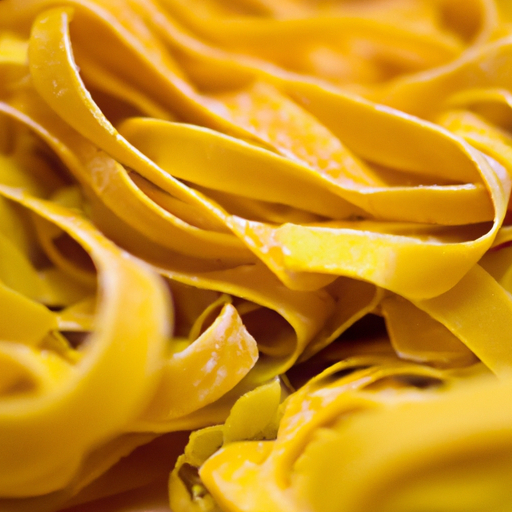
Ready to have a taste of Italy? Look no further than Bologna, a city that offers more than just picturesque architecture and historic landmarks. Immerse yourself in the heart of Italian cuisine through cooking classes that will teach you the secrets of traditional recipes passed down through generations. From crafting the perfect pasta to mastering the art of making authentic Bolognese sauce, these classes will not only satisfy your taste buds but also give you a deeper appreciation for the flavors that define this beautiful country. Get ready to roll up your sleeves and discover the magic that happens in the kitchen while creating culinary memories that will last a lifetime.
Traditional Bolognese Cuisine
Introduction to Bolognese cuisine
Bolognese cuisine, also known as “Cucina Bolognese,” is a culinary tradition that hails from the city of Bologna in northern Italy. This region is renowned for its rich, hearty dishes that showcase the simplicity and quality of its local ingredients. Bolognese cuisine is famous for its emphasis on slow cooking, allowing the flavors to meld together and develop into a comforting, soul-satisfying meal.
Regional ingredients and flavors
One of the defining characteristics of Bolognese cuisine is its use of fresh, high-quality ingredients. The bountiful Emilia-Romagna region, of which Bologna is the capital, offers an array of ingredients that form the foundation of Bolognese dishes. Parmigiano-Reggiano cheese, prosciutto di Parma, balsamic vinegar from Modena, and handmade tortellini are just a few examples of the exceptional products that come from this region.
When it comes to flavors, Bolognese cuisine is known for its hearty and savory profile. Rich ragù sauces, made with a combination of meat and vegetables, are a staple in Bolognese cooking. Emilia-Romagna is also famous for its cured meats, such as mortadella and pancetta, which add depth and complexity to many dishes. The flavors of Bolognese cuisine are often balanced by the use of fresh herbs, such as basil and parsley, which provide a touch of brightness to complement the richness of the dishes.
Famous Bolognese dishes
Bolognese cuisine is home to a number of classic dishes that have become beloved around the world. One of the most famous is Tagliatelle al Ragù, a pasta dish that features flat ribbons of pasta tossed in a slow-cooked meat sauce. This dish is the epitome of Bolognese comfort food and is rich in flavors that have been perfected over generations.
Another iconic dish from the region is Lasagne Verdi alla Bolognese, a layered pasta dish filled with ragù sauce, béchamel, and Parmigiano-Reggiano cheese. The use of green spinach pasta sheets gives this dish a unique and vibrant appearance.
Tortellini en Brodo is another beloved Bolognese dish, especially during the winter months. These small, stuffed pasta parcels are traditionally served in a clear broth, allowing the delicate flavors to shine through.
Other notable dishes include Cotoletta alla Bolognese (Bologna-style breaded veal cutlet), Zuppa Imperiale (a savory bread pudding), and Strozzapreti alla Salsiccia (hand-rolled pasta with sausage).
Learning the Basics
Knife skills and chopping techniques
In order to master Bolognese cuisine, it is important to have good knife skills and chopping techniques. A sharp knife and proper cutting techniques are essential for achieving consistent and uniform cuts of vegetables, herbs, and meat. From finely minced onions to julienne carrots, knowing the right techniques can greatly enhance the texture and presentation of your dishes.
Understanding flavor profiles
Bolognese cuisine relies on a balance of flavors to create depth and complexity in its dishes. Understanding the basic flavor profiles, such as sweet, savory, salty, and acidic, will help you in developing and adjusting recipes according to your taste. Additionally, exploring the use of aromatic herbs and spices can add another layer of complexity to your dishes.
Essential cooking techniques
Bolognese cuisine encompasses a wide range of cooking techniques, from braising and stewing to sautéing and simmering. Learning these essential cooking techniques will allow you to create authentic Bolognese dishes with the right textures and flavors. It is important to master techniques such as deglazing, reducing sauces, and achieving the perfect sear on meats to elevate your dishes to the next level.
Hands-On Experience
Preparing fresh pasta from scratch
In Bolognese cuisine, fresh pasta is an integral part of many dishes. Learning to prepare homemade pasta from scratch is a fundamental skill that will enhance your Bolognese cooking. From rolling out the dough to cutting it into different shapes, such as tagliatelle or tortellini, hands-on experience will give you a newfound appreciation for the artistry and craftsmanship of pasta-making.
Making traditional Bolognese ragù
A true Bolognese ragù is a labor of love, requiring hours of slow cooking to achieve the perfect balance of flavors. Hands-on experience in making this iconic sauce will teach you the art of patience and the importance of layering flavors. From browning the meat to simmering it with vegetables and tomatoes, you will learn the techniques and tips needed to create an authentic Bolognese ragù.
Creating classic Italian sauces
Bolognese cuisine is known for its diverse range of sauces that accompany pasta and other dishes. Learning to create classic Italian sauces, such as béchamel, marinara, and pesto, will give you the versatility to enhance your Bolognese dishes. Hands-on experience will teach you the proper techniques for emulsifying sauces, balancing flavors, and achieving the desired consistency.
Exploring Local Markets
Visiting Bologna’s vibrant food markets
To truly immerse yourself in the world of Bolognese cuisine, a visit to Bologna’s vibrant food markets is a must. Exploring markets such as Mercato di Mezzo and Mercato delle Erbe will expose you to a wide variety of local ingredients, such as fresh produce, cheeses, cured meats, and regional specialties. The bustling atmosphere and colorful displays will give you a glimpse into the everyday life of Bologna’s culinary scene.
Selecting the best ingredients
Navigating a local market can be overwhelming, especially with an abundance of choices. Learning to select the best ingredients is essential for creating authentic Bolognese dishes. From choosing the ripest tomatoes to identifying the freshest herbs and selecting the right cuts of meat, hands-on experience at the markets will teach you how to discern quality and ensure the success of your dishes.
Interacting with local vendors
One of the joys of exploring local markets is the opportunity to interact with the passionate vendors who take pride in their products. Engaging with them, asking questions, and seeking their advice will not only deepen your understanding of local ingredients but will also give you insights into the people and stories behind the food. Whether it’s chatting with a cheese monger or discussing recipe ideas with a butcher, these interactions can be enriching and inspiring.
Wine Pairing
Introduction to Italian wines
No Bolognese culinary experience is complete without an understanding of Italian wines. Italy is renowned for producing some of the world’s finest wines, and Bologna is no exception. Learning about the different wine regions, grape varietals, and production methods will give you a deeper appreciation for the art of winemaking and how it complements Bolognese cuisine. From Sangiovese to Lambrusco, the world of Italian wines awaits your exploration.
Understanding wine and food pairing
Pairing wine with food is an art in itself. Understanding the principles of wine and food pairing will allow you to enhance the flavors of your Bolognese dishes and elevate your dining experiences. From matching the acidity of a wine with the richness of a ragù sauce to selecting a sparkling wine to complement a seafood dish, hands-on experience and guidance from experts will help you navigate the world of wine and food pairing with confidence.
Tasting sessions and recommendations
One of the best ways to learn about wine and refine your palate is through tasting sessions and recommendations from sommeliers or knowledgeable guides. Participating in guided tastings will expose you to a variety of Italian wines and help you identify different flavor profiles, regional characteristics, and the nuanced complexities of each wine. These sessions will empower you to make informed choices when selecting wines to pair with your Bolognese creations.
Regional Variations
Discovering Emilian cuisine
While Bolognese cuisine is a cornerstone of Emilian cuisine, the region offers a rich variety of culinary delights. Learning about Emilian cuisine will give you a broader understanding of the gastronomic traditions that influence Bolognese cooking. From the cheesy delights of Parmigiano-Reggiano to the famous balsamic vinegar of Modena, exploring different regional specialties will deepen your appreciation of the diverse flavors and culinary heritage of Emilia-Romagna.
Exploring other regional specialties
Beyond Emilia-Romagna, Italy is a treasure trove of culinary traditions. Exploring other regional specialties will expose you to the incredible diversity of Italian cuisine. From the seafood-centric dishes of coastal regions like Liguria and Sicily to the bold flavors of Tuscany, every region has its own unique culinary identity. Experiencing these regional variations will broaden your culinary horizons and provide inspiration for creating your own Bolognese dishes with a twist.
Highlighting the diversity of Italian cuisine
Italian cuisine is often celebrated for its simplicity, yet the range and diversity of dishes across the country are truly astonishing. From the hearty flavors of the north to the vibrant and spicy dishes of the south, Italian cuisine encompasses a myriad of flavors, textures, and traditions. By exploring regional variations, you will gain a deeper appreciation for the culinary tapestry that defines Italian cuisine as a whole and understand how Bolognese cuisine fits within this rich mosaic.
Chef Demonstrations
Learning from experienced Bolognese chefs
One of the highlights of a cooking class in Bologna is the opportunity to learn from experienced Bolognese chefs. These passionate individuals have dedicated their lives to mastering the art of Bolognese cuisine and are eager to share their knowledge and techniques. Learning from chefs who have honed their skills over years of experience will give you invaluable insights and inspiration to elevate your own cooking.
Observing cooking techniques and tips
Watching a skilled chef at work is like witnessing a symphony of flavors and techniques. By observing the cooking techniques and tips demonstrated by Bolognese chefs, you will learn the finer details that make a dish truly exceptional. From the way they handle the ingredients to the cooking times and temperatures they employ, every step has a purpose and contributes to the final result. Paying close attention and taking notes will help you refine your own cooking skills.
Getting inspired by professional demonstrations
Beyond learning practical cooking skills, chef demonstrations can also serve as a wellspring of inspiration. Seeing the creativity and ingenuity of Bolognese chefs can spark your own culinary imagination and encourage you to experiment with flavors, techniques, and ingredients. This newfound inspiration will help you infuse your own personal touch into Bolognese cuisine and create dishes that reflect your own unique style.
Creating a Complete Meal
Planning and executing a multi-course meal
In Bolognese cuisine, meals are often enjoyed as a multi-course experience. Learning to plan and execute a complete meal will allow you to showcase the diversity and range of Bolognese flavors. From antipasti to dolci, each course presents an opportunity to experiment with different techniques and ingredients. Balancing flavors, textures, and portion sizes will ensure a harmonious and satisfying dining experience for you and your guests.
Balancing flavors and textures
Creating a complete Bolognese meal involves carefully balancing flavors and textures to create a cohesive and enjoyable dining experience. The richness of a pasta dish may be balanced by a light and refreshing salad, while a creamy dessert can be complemented by a crisp biscotti. Understanding how different flavors and textures interact and influence each other will enable you to craft a well-rounded and memorable meal.
Presentation and plating techniques
In addition to flavor, presentation plays a crucial role in Bolognese cuisine. Mastering plating techniques will enhance the visual appeal of your dishes and elevate the overall dining experience. From arranging pasta elegantly on the plate to garnishing each course with precision, attention to detail and a sense of aesthetics will make your creations even more enticing. Learning from professionals will give you insights into the art of plating and help you develop your own unique sense of style.
Culinary Cultural Immersion
Learning about Bologna’s culinary history
Bologna’s culinary history is deeply intertwined with its cultural heritage. Exploring the city’s past will give you a deeper understanding of the traditions and influences that have shaped Bolognese cuisine. From ancient Roman recipes to the development of medieval guilds, each chapter of history has left its mark on Bologna’s culinary landscape. Learning about this rich history will help you appreciate the significance of Bolognese cuisine in context.
Exploring the influence of Bolognese cuisine
While Bolognese cuisine may be rooted in tradition, its influence can be seen far beyond the borders of Emilia-Romagna. Bolognese dishes have inspired countless recipes around the world, from the ubiquitous spaghetti Bolognese to the American favorite, lasagna. Exploring the influence of Bolognese cuisine will shed light on how this regional cuisine has transcended boundaries and captured the hearts and palates of people worldwide.
Engaging with local food traditions
Culinary traditions are not just about food; they are about the people who cherish and preserve them. Engaging with the local food traditions of Bologna will give you the opportunity to connect with the community and gain a deeper appreciation for the values and customs that are passed down through generations. Whether it’s learning a family recipe from a local nonna or participating in a regional food festival, these interactions will enrich your understanding of Bolognese cuisine and its place within the community.
Taking Home Bolognese Recipes
Receiving recipe cards and guides
At the end of your Bolognese cooking classes, it’s time to take home the flavors and techniques you have learned. Recipe cards and guides provided by the instructors will serve as valuable references when recreating Bolognese dishes in your own kitchen. These resources will detail the ingredients, measurements, and steps needed to achieve authentic and delicious results.
Replicating Bolognese dishes at home
Having learned the fundamentals and techniques of Bolognese cuisine, you will be well-equipped to replicate these dishes at home. Armed with the knowledge of traditional recipes and the ability to adapt them to your own preferences, you can recreate the flavors and aromas of Bologna in your own kitchen. From handmade pasta to slow-cooked ragù, practicing these recipes will help you master the art of Bolognese cuisine and share it with family and friends.
Sharing the joy of Bolognese cooking with family and friends
Cooking is not just about preparing a meal; it is about sharing moments and creating memories with loved ones. Sharing the joy of Bolognese cooking with family and friends allows you to pass on the traditions and flavors that you have experienced in Bologna. Whether it’s hosting a dinner party or simply cooking for your loved ones, the delicious dishes you create will bring people together and create lasting connections through the love of food.
Taking part in cooking classes in Bologna is an immersive and transformative experience that allows you to dive deep into the heart and soul of Bolognese cuisine. From learning the basics to exploring regional variations and creating complete meals, this culinary journey will leave you with a newfound appreciation for the flavors, techniques, and traditions of Bolognese cooking. So, why not embark on this gastronomic adventure and unlock the secrets of Bolognese cuisine?
 English