
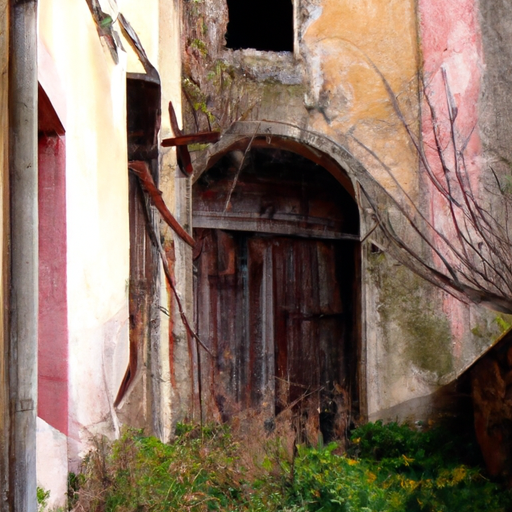
Italy is not only known for its beautiful landscapes, delicious cuisine, and iconic cities. Hidden within its borders are ghost towns, abandoned remnants of once-thriving communities that now stand frozen in time. These forgotten places hold a certain allure, offering a glimpse into a bygone era. From the eerie ruins of Craco to the haunting charm of Civita di Bagnoregio, exploring these ghost towns is like stepping into a hauntingly beautiful time capsule. So, come along and join me on a journey to discover the ghost towns of Italy.
1. The Enchanting Abandoned Villages
Italy is not just famous for its bustling cities, picturesque landscapes, and delicious cuisine. It is also home to a hidden gem that holds a certain allure – the enchanting abandoned villages, also known as ghost towns. These ghost towns, scattered across the country, offer a unique and mesmerizing experience for those who seek unconventional travel destinations.
1.1 The Fascination of Ghost Towns
What is it about ghost towns that fascinates and captivates our imagination? Perhaps it’s the eerie silence that fills the air, the crumbling buildings that stand as reminders of a forgotten era, or the mysterious stories that surround their abandonment. Ghost towns have an inexplicable charm, drawing in adventurers and curious souls alike, eager to explore the remnants of the past.
1.2 The History Behind the Abandonment
Each ghost town in Italy has its own story to tell, and unraveling the history behind their abandonment is like stepping into a time machine. Many of these villages were once thriving communities, bustling with life and activity. However, various factors such as economic decline, natural disasters, or changes in sociopolitical landscapes led to their demise. Exploring the reasons behind their abandonment provides valuable insights into Italy’s rich history.
1.3 Preserving the Past: Cultural Heritage
Just like ancient ruins and historical monuments, ghost towns are a part of Italy’s cultural heritage that deserves preservation. These abandoned villages offer a window into the past, showcasing the architectural styles, cultural traditions, and ways of life that have shaped the country. As we explore and appreciate these ghost towns, it becomes essential to recognize their significance and advocate for their preservation.
1.4 Exploring the Haunting Beauty
Beyond their historical and cultural value, ghost towns possess a haunting beauty that is both striking and melancholic. Nature reclaims its territory as buildings crumble and vines weave their way through broken windows and dilapidated structures. The interplay between human architecture and the surrounding landscapes creates a visual poetry that photographers and artists find irresistible. Exploring these ghost towns allows us to immerse ourselves in their haunting beauty and appreciate the passage of time.
2. Exploring the Northern Ghosts
Northern Italy is home to several captivating ghost towns, each with its own unique story and atmosphere. Let’s delve into some of these intriguing destinations and discover what makes them so alluring.
2.1 Craco: A Medieval Ghost
Nestled in the region of Basilicata, the medieval ghost town of Craco stands proudly atop a hill, offering panoramic views of the surrounding landscapes. This abandoned village was once a thriving center of trade and agriculture, with its origins dating back to the 8th century. However, frequent landslides and earthquakes forced the locals to abandon their homes, leaving behind a ghostly reminder of its grand past.
2.2 Civita di Bagnoregio: The Dying Town
Perched precariously on a plateau in the region of Lazio, Civita di Bagnoregio is often referred to as the “dying town.” Connected to the mainland by a single footbridge, this ancient village is slowly eroding due to its location on fragile volcanic rock. With only a handful of residents remaining, Civita di Bagnoregio has become a hauntingly beautiful testament to the passage of time.
2.3 Castello di Sammezzano: A Forgotten Castle
Though not a traditional ghost town, the Castello di Sammezzano is an abandoned castle that exudes a ghostly atmosphere. Located in Tuscany, this ornate 19th-century castle stands empty, its intricate Moorish-inspired architecture a stark contrast to its neglected surroundings. It serves as a reminder of the grandeur and opulence that once inhabited its halls, and it is a favorite destination for photographers seeking otherworldly shots.
2.4 Pomponesco: A Lost Renaissance Jewel
In the Lombardy region, the ghost town of Pomponesco showcases the remnants of its glorious past as a Renaissance jewel. Once a thriving center of commerce and industry, Pomponesco fell into decline due to the shifting trade routes and conflicts of the time. Today, visitors can wander through its empty streets, marvel at the remnants of ancient buildings, and imagine the bustling life that once filled this now-abandoned village.
3. The Mystique of Central Ghost Towns
Central Italy is home to a myriad of ghost towns that hide their secrets within their ancient walls. Let’s explore some of these mysterious destinations and uncover the stories they hold.
3.1 Santo Stefano di Sessanio: A Mountain Abandonment
Nestled in the Abruzzo region, Santo Stefano di Sessanio is a picturesque ghost town that sits atop a mountain, offering breathtaking views of the Gran Sasso National Park. This medieval village, with its stone houses and narrow alleyways, has been beautifully restored and transformed into a unique tourist destination. Visitors can immerse themselves in the tranquility of this mountaintop abandonment and experience life as it once was.
3.2 Farigliano: The Eerie Agricultural Time Capsule
In the Piedmont region lies the ghost town of Farigliano, a place frozen in time that tells the story of a once-thriving agricultural community. Rows of empty houses and crumbling farm buildings stand as a testament to the decline of traditional farming practices. Exploring this eerie time capsule allows visitors to connect with the past and gain an appreciation for the agricultural heritage of the region.
3.3 Bussana Vecchia: The Artistic Rebirth
Located in Liguria, Bussana Vecchia is a ghost town that has experienced a unique rebirth as an artist’s colony. After being destroyed by an earthquake in 1887, the village was left abandoned for decades. However, in the 1960s, a group of artists began to repopulate the village, breathing new life into its empty houses and streets. Today, Bussana Vecchia is a vibrant and quirky community, attracting visitors with its artistic spirit and bohemian charm.
3.4 Ansedonia: Ancient Ruins by the Sea
Situated on the coast of Tuscany, Ansedonia is an archaeological site that offers a glimpse into the ancient Roman past. This ghostly remnant of a once-thriving city features ancient ruins, including a Roman villa and the remains of the ancient town wall. Visitors can explore the atmospheric ruins, imagine life in ancient times, and enjoy the picturesque views of the Tyrrhenian Sea.
4. The Southern Ghostly Remnants
Southern Italy and Sicily are home to some of the most captivating ghost towns in the country. Let’s discover the haunting beauty that lies within these southern remnants.
4.1 Craco Peschiera: A Haunting Flooded Town
Situated in the Basilicata region, Craco Peschiera is a ghost town that tells a tale of forced abandonment due to the construction of a dam that flooded the surrounding area. Once a vibrant community, the town now lies submerged beneath the waters, offering a haunting sight for those who explore the area by boat or kayak. The submerged buildings and rooftops create an eerie atmosphere that is both captivating and melancholic.
4.2 Pentedattilo: The Hand of Ghosts
Perched on a rocky hill in Calabria, the ghost town of Pentedattilo derives its name from the five-fingered hand shape of the rock on which it stands. Abandoned in the early 20th century, this village is now a specter of its former self. The crumbling houses, narrow alleyways, and commanding views of the surrounding landscape combine to create a hauntingly beautiful destination that lures visitors seeking a glimpse into the past.
4.3 Borgo Egnazia: A Ghost Village Resort
On the outskirts of Fasano in the Puglia region, Borgo Egnazia stands as a masterful recreation of a traditional Apulian village. While not a true ghost town in the traditional sense, Borgo Egnazia captures the essence of abandoned villages with its meticulous reconstruction of ancient buildings and cobblestone lanes. This luxury resort offers a unique experience of living in a ghostly time capsule, complete with modern amenities and a touch of old-world charm.
4.4 Sambuca di Sicilia: The Italian Cinderella
Located in Sicily, Sambuca di Sicilia has earned the nickname of the “Italian Cinderella” due to its recent revitalization and newfound popularity. This ghost town, with its picturesque streets and pastel-colored houses, was once abandoned but has recently been transformed into a thriving cultural hub. The town attracts artists, entrepreneurs, and visitors from all over the world, drawn in by its charm and the promise of a modern-day fairy tale.
5. Uncovering the Stories
Beyond their mere existence as abandoned settlements, ghost towns hold countless stories and secrets waiting to be uncovered. Let’s delve deeper into the narratives that lie beneath their silent facades and discover the tales they have to tell.
5.1 Tales of Abandonment
Every ghost town has a story behind its abandonment. Whether it was economic decline, natural disasters, or cultural shifts, understanding these stories gives us insight into the human experiences that shaped these communities. Tales of personal hardships, triumphs, and the resilience of the human spirit can be found within the walls of these forgotten villages, waiting to be heard and remembered.
5.2 Lost Traditions and Cultural Heritage
Ghost towns offer a unique glimpse into the traditions and cultural heritage of the regions they belong to. Exploring these abandoned settlements allows us to discover forgotten crafts, architectural styles, and ways of life that have shaped Italy over the centuries. By uncovering and preserving these lost traditions, we ensure that the cultural heritage of these ghost towns lives on for future generations to appreciate and learn from.
5.3 Ghost Stories and Superstitions
No exploration of ghost towns would be complete without encountering the ghost stories and superstitions that surround them. From tales of haunted houses to legends of restless spirits, these stories add an extra layer of intrigue and mystery to the ghostly aura of these abandoned villages. Whether one believes in ghosts or not, the stories and superstitions associated with haunted places provide a fascinating insight into the human psyche and our fascination with the unknown.
5.4 Unlocking the Secrets of Ghost Towns
Unlocking the secrets of ghost towns requires diligent research, in-depth exploration, and a keen eye for detail. It is through careful examination of architectural remnants, documents, and oral histories that historians and archaeologists uncover the hidden stories buried within these abandoned settlements. Every piece of evidence brings us closer to understanding the lives of the individuals who once called these ghost towns home, allowing their stories to be heard once again.
6. Traveling Tips for Ghost Town Exploration
Exploring ghost towns can be an exhilarating and rewarding experience. However, it is important to take certain precautions and plan ahead to ensure a safe and respectful visit. Here are some essential traveling tips to keep in mind when embarking on your ghost town exploration adventure:
6.1 Researching the Ghost Towns
Before setting off on your journey, conduct thorough research on the specific ghost towns you plan to visit. Learn about their history, accessibility, and any safety guidelines that may be in place. Familiarize yourself with the local customs and regulations to ensure a smooth and respectful visit.
6.2 Safety Precautions
When exploring ghost towns, it is crucial to prioritize safety. Some abandoned buildings may be structurally unsound, posing a risk of collapse or injury. Exercise caution when entering and navigating these structures, and adhere to any warning signs or barriers in place. It is also advisable to wear appropriate footwear and clothing that can withstand rugged terrains and protect against debris.
6.3 Hiring a Local Guide
Consider hiring a local guide who is knowledgeable about the ghost towns you plan to visit. Local guides can provide valuable insights, share interesting stories, and ensure that you navigate the area safely. They may also have access to restricted areas or have information about hidden gems that may enhance your exploration experience.
6.4 Photography and Documenting the Experience
Photography is a fantastic way to preserve the memories of your ghost town exploration. Capture the haunting beauty of the abandoned landscapes, the intriguing details of dilapidated structures, and the overall atmosphere of these forgotten places. However, it is essential to do so with respect and without causing any damage. Follow any established photography guidelines and take care not to disturb or remove any artifacts or historical remnants.
7. The Appeal of Ghost Town Tourism
Ghost town tourism has gained popularity in recent years, attracting visitors from around the world. The charm and allure of these abandoned villages provide a unique travel experience that differs from conventional tourist destinations. Let’s explore the appeal of ghost town tourism and the positive impacts it can have on both the local communities and the travelers.
7.1 Preservation Efforts and Tourism
The influx of tourists to ghost towns can serve as a catalyst for preservation efforts. Increased awareness and appreciation for these abandoned villages can result in initiatives that aim to restore, protect, and maintain their historical and cultural value. By visiting and supporting these ghost towns, travelers contribute to the preservation of Italy’s heritage for future generations.
7.2 Fostering Local Economies
Ghost town tourism has the potential to boost local economies, especially in areas that have experienced economic decline. The influx of visitors brings business opportunities for local vendors, hotels, restaurants, and artisans. By spending money in these communities, tourists can contribute to the economic revival of these areas, thereby benefiting the local residents.
7.3 Unique Travel Experiences
Ghost town tourism offers a unique and off-the-beaten-path travel experience. It allows travelers to step off the traditional tourist trail and delve into the mysterious and untouched corners of Italy. The atmospheric beauty, historical significance, and intriguing stories associated with these abandoned villages create a sense of adventure and wonder that can’t be replicated in more popular tourist destinations.
7.4 Leaving No Trace: Responsible Tourism
While enjoying the appeal of ghost town tourism, it is essential to practice responsible travel and leave no trace behind. Respect the historical and cultural value of these ghost towns by refraining from causing damage, removing artifacts, or littering. Follow any established rules and guidelines, and be mindful of the impact your visit may have on the fragile environment and communities.
8. Hauntingly Beautiful Photography
Ghost towns provide photographers with a treasure trove of captivating subjects and atmospheric backdrops. Let’s explore the art of capturing the haunting beauty of these abandoned villages through the lens of a camera.
8.1 Capturing the Abandoned Atmosphere
Photographers are drawn to the beauty and atmosphere of ghost towns, which offer a wealth of visual inspiration. The interplay of light and shadow, the textures of decay, and the contrast between human-made structures and the surrounding landscapes all contribute to the unique and haunting atmosphere that can be captured through photography. By skillfully framing these elements, photographers can convey the sense of time’s erosion and evoke an emotional response in their viewers.
8.2 Telling Stories Through Images
Photography allows us to tell stories without words. Each photograph captures a moment in time, freezing it for eternity. Through careful composition and the selection of subjects, photographers can convey the narrative and history of a ghost town. By capturing the details, textures, and emotions inherent in these abandoned places, photographers have the power to transport viewers into the past and evoke a connection with the stories that lie within.
8.3 Photographers’ Favorite Ghost Towns
Every photographer has their favorite subjects and locations, and ghost town photography is no exception. From the crumbling buildings of Craco to the ethereal beauty of Civita di Bagnoregio, each ghost town presents a unique set of photographic opportunities. The play of light in Santo Stefano di Sessanio or the rustic charm of Bussana Vecchia can ignite a photographer’s imagination and push their creative boundaries.
8.4 Photography Tips and Tricks
For aspiring photographers seeking to capture the haunting beauty of ghost towns, here are a few tips and tricks to enhance your photography experience:
Experiment with different angles: Capture the essence of the ghost town by exploring various angles and perspectives. Shoot from high above or get down low to emphasize the details and atmosphere.
Embrace natural light: Ghost towns often have a unique lighting ambiance that can create dramatic effects. Pay attention to the changing light throughout the day and use it to your advantage to enhance the mood of your photographs.
Focus on the details: The beauty of ghost towns lies not only in the grand views but also in the small details. Pay attention to the textures, decay, and unique features that tell the story of the abandoned village.
Include human elements: Incorporate human elements, such as local guides or visitors, into your photographs. These elements can add a sense of scale and emotion, further enhancing the narrative of the ghost town.
9. The Future of Ghost Towns
As we reflect on the captivating allure of Italy’s ghost towns, it’s essential to consider the future of these abandoned settlements and the role they play in the cultural fabric of the country. Let’s explore the possibilities and challenges that lie ahead.
9.1 Restoration and Revitalization
Restoration and revitalization efforts have the potential to breathe new life into ghost towns. By restoring historical structures and adapting them for modern use, these abandoned villages can be transformed into thriving cultural hubs, attracting visitors and residents alike. Such initiatives can help preserve the heritage and charm of these unique destinations while fostering economic growth and community development.
9.2 Ghost Towns as Cultural Attractions
Ghost towns, with their historical significance and haunting beauty, have the potential to become significant cultural attractions. By promoting and celebrating their heritage, these abandoned villages can draw in tourists who seek an immersive and off-the-beaten-path travel experience. Guided tours, cultural events, and educational programs can further enrich the visitor experience and promote a deeper understanding of the ghost town’s history and significance.
9.3 Balancing Preservation and Modernization
Preserving the cultural and historical value of ghost towns must be balanced with the needs and realities of modern life. Striking the right balance between preservation and modernization ensures that these abandoned settlements remain relevant and sustainable for future generations. This delicate balancing act requires thoughtful planning, collaboration with local communities, and a commitment to preserving the authenticity and integrity of these unique destinations.
9.4 Inspiring Artists and Creatives
Ghost towns have long been a source of inspiration for artists, writers, and creatives seeking solitude, raw beauty, and a connection with the past. As these abandoned villages gain recognition and cultural importance, they have the power to inspire more artists and creatives to explore their unique stories and capture their haunting beauty through various art forms. This synergy between art and ghost towns creates a symbiotic relationship, with artists breathing new life into these forgotten places and the ghost towns fueling their creative expression.
10. Conclusion: A Journey Through Italy’s Forgotten Past
Italy’s ghost towns take us on a journey through the country’s forgotten past. From the enchanting beauty of the abandoned villages to the stories they hold within their silent walls, each ghost town invites us to explore and reflect on the passage of time. These forgotten places, once vibrant and alive, now serve as reminders of the impermanence of human existence.
As you embark on your own journey through Italy, may the allure of ghost towns guide you off the beaten path and allow you to witness the beauty that lies within these abandoned settlements. Embrace the haunting atmosphere, uncover the stories that lie hidden, and leave with a deeper appreciation for the rich heritage and cultural tapestry of Italy.
Reflect on the ghostly discoveries you’ve made, and let the intrigue of these abandoned villages continue to fuel your exploration. Whether in the bustling cities, verdant vineyards, or hidden corners of Italy, there will always be stories to be told and places waiting to be discovered.
As you travel through the enchanting landscapes and explore the heart and soul of Italy and Sicily, remember to embrace the beauty of time’s erosion and the enduring allure of ghost towns. Each cobblestone, crumbling building, and dilapidated street has a tale to tell – a tale waiting to be heard. Safe travels, and may your journey through Italy’s forgotten past be filled with wonder, inspiration, and an ever-deepening love for the stories that shape our world.
 English