
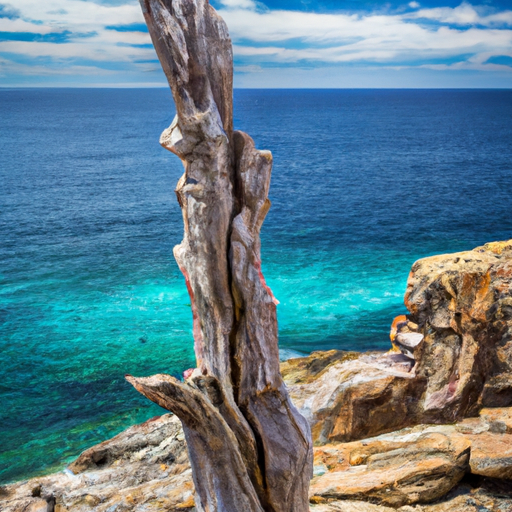
Now let me take you down a different path, away from the usual tourist hotspots of Italy, and introduce you to a hidden gem: the fossil forests of Sardinia. Nestled within this enchanting island, these ancient forests, preserved in stone, offer a glimpse into a prehistoric world that once thrived here. Wander through the remains of towering giants that once dominated the landscape, their petrified trunks and intricate root systems telling stories that span millions of years. This extraordinary archaeological site not only showcases the geological wonders of Sardinia but also invites you to step back in time and witness the unimaginable beauty of nature frozen in stone. So, let’s embark on a journey to uncover the secrets of these fossil forests, where the whispers of the past still echo in the present.
The Geological History of Sardinia
The Formation of Sardinia
Sardinia, the second-largest island in the Mediterranean Sea, has a rich geological history that dates back millions of years. The island’s formation can be traced back to the collision of tectonic plates, specifically the African and European plates. This collision gave rise to the creation of the Apennine Mountains and the formation of the Mediterranean Sea. As these forces continued to shape the region, the island of Sardinia began to take form.
The Geological Features of Sardinia
Sardinia is characterized by diverse geological features that offer glimpses into its ancient past. The island is home to a variety of rock formations, including limestone, granite, and volcanic rocks. These formations showcase the dynamic forces that have shaped the island over time. Additionally, Sardinia boasts a rugged coastline, with cliffs, caves, and sandy beaches that highlight the interplay between land and sea.
What Are Fossil Forests?
Definition and Characteristics of Fossil Forests
Fossil forests, also known as petrified forests, are geological formations that preserve the remains of ancient forests. These formations are typically composed of fossilized tree trunks, branches, and leaves, giving us a unique glimpse into the vegetation that thrived in the past. Fossil forests can vary in size and complexity, with some spanning large areas and containing diverse plant species.
How Fossil Forests Are Formed
Fossil forests are formed through a process called petrification. When a tree dies and falls, it can become buried under sediment, protecting it from decay. Over time, minerals in the groundwater seep into the tree’s cellular structure, replacing organic matter with minerals such as silica or calcium carbonate. This mineralization process preserves the tree’s original structure, resulting in the formation of fossilized wood.
Discovery of Fossil Forests in Sardinia
Early Explorations
The discovery of fossil forests in Sardinia can be traced back to the early 19th century. Geologists and paleontologists began exploring the island’s geological formations and came across the petrified remains of ancient forests. These early explorations provided valuable insights into the region’s geological history and offered a unique window into the past.
Significance of the Fossil Forests in Sardinia
The presence of fossil forests in Sardinia has significant scientific and historical value. These ancient forests offer researchers a chance to study past ecosystems and learn more about the climate, biodiversity, and geological processes of the region. By studying the fossilized wood and plant remains, scientists can gain insights into the environmental changes that have shaped Sardinia over millions of years.
Study and Preservation of Fossil Forests
Scientific Research on Sardinian Fossil Forests
Sardinian fossil forests have attracted the attention of scientists and researchers from around the world. They have conducted extensive studies to understand the composition, age, and ecological context of these ancient forests. Through carbon dating and paleobotanical analysis, researchers have been able to piece together a detailed picture of Sardinia’s past flora and fauna.
Challenges in Preserving Fossil Forests
Preserving fossil forests poses several challenges. The delicate nature of fossilized wood requires careful handling and protection from weathering and erosion. Additionally, human activities such as mining and land development pose a threat to the preservation of these valuable geological formations. Striking a balance between scientific study, conservation, and sustainable tourism is crucial for the long-term preservation of Sardinia’s fossil forests.
Unique Features of Sardinian Fossil Forests
Specific Tree Species and Fossilized Wood
One of the unique features of Sardinian fossil forests is the presence of distinct tree species. The remains of cypress, pine, and oak trees can be found in these ancient forests, providing insights into the flora that once thrived in the region. Furthermore, the preservation of fossilized wood in exceptional detail offers researchers the opportunity to study the cellular structure and growth patterns of ancient trees.
Petrified Forests and Tree Stumps
Sardinia is also home to petrified forests, where entire forests have been preserved in stone. These petrified forests provide a fascinating glimpse into ancient landscapes, with tree trunks and stumps standing as enduring monuments to the past. Visitors to Sardinia can witness the impressive sight of these petrified forests and witness the remarkable transformation that has taken place over millions of years.
Visiting Fossil Forests in Sardinia
Accessible Locations for Visitors
There are several accessible locations in Sardinia where visitors can explore fossil forests. Petrified trees and wood can be found in various regions of the island, including the Sulcis Iglesiente area and the Geomineral Park of Sardinia. These locations offer a unique opportunity to witness the fascinating remnants of ancient forests up close.
Guided Tours and Interpretive Centers
Visitors to Sardinia can benefit from guided tours and interpretive centers that provide insights into the geological and paleontological significance of the fossil forests. Expert guides can offer informative explanations of the formation process, the unique features of Sardinian fossil forests, and the ongoing research and conservation efforts. These guided tours enhance the visitor experience and provide a deeper understanding of the ancient history of Sardinia.
The Importance of Fossil Forests in Understanding Earth’s History
Insights into Past Climates and Environments
Fossil forests play a crucial role in understanding Earth’s history. By examining the composition of ancient plant species and the growth patterns of fossilized wood, scientists can reconstruct past climates and environments. This information helps us better comprehend the changes that have occurred over time and how ecosystems have adapted to different climatic conditions.
Contributions to Geological and Paleontological Studies
Sardinian fossil forests are a treasure trove for geologists and paleontologists. They provide valuable data for studying geological phenomena, such as sedimentation processes and volcanic activity. Additionally, the preservation of plant and animal remains in these fossil forests contributes to our understanding of paleontological history and the evolution of life on Earth.
Conservation Efforts and Future Challenges
Protecting Sardinia’s Fossil Forests
Conservation efforts are vital for preserving Sardinia’s fossil forests for future generations. This includes implementing strict regulations to prevent excavation and destruction of these valuable formations. Collaborative efforts involving government bodies, scientific institutions, and local communities are crucial in ensuring the long-term protection of these geological treasures.
Balancing Conservation and Tourism
One of the challenges in preserving Sardinia’s fossil forests is finding a balance between conservation and tourism. While it is important to make these unique sites accessible to visitors, it is equally important to ensure that tourism activities do not cause damage or disturbance to the fragile ecosystems. Responsible and sustainable tourism practices can help safeguard the fossil forests while still allowing visitors to appreciate their beauty and significance.
Other Fossil Sites in Sardinia
Diverse Fossil Discoveries in the Region
Sardinia’s fossil sites are not limited to fossil forests alone. The island is known for its rich fossil record, which includes various marine fossils, dinosaur tracks, and even fossilized human remains. These diverse discoveries highlight the geological and paleontological importance of Sardinia as a whole and offer a comprehensive understanding of the region’s ancient past.
Comparisons with Fossil Forests in Other Parts of the World
While Sardinian fossil forests are unique in their own right, comparisons can be drawn with fossil forests found in other parts of the world. By studying fossilized wood from different regions, scientists can gain insights into global ecological patterns, climate change events, and the evolution of plant life. These comparative studies contribute to our broader understanding of Earth’s geological history.
Conclusion
Appreciating the Ancient Beauty of Sardinia’s Fossil Forests
Sardinia’s fossil forests are a testament to the island’s geological heritage and offer a captivating glimpse into its ancient past. The unique features, diverse tree species, and preservation of fossilized wood make these formations a treat for scientists and visitors alike. The beauty of these ancient landscapes serves as a reminder of the dynamic forces that have shaped our planet over millions of years.
Continued Exploration and Conservation Efforts
As we continue to explore Sardinia’s fossil forests, our understanding of the island’s geological history will deepen. Ongoing scientific research, conservation efforts, and responsible tourism practices will ensure the preservation of these geological treasures for future generations. Sardinia’s fossil forests will continue to inspire awe and curiosity, allowing us to unravel the mysteries of our planet’s past.
 English