
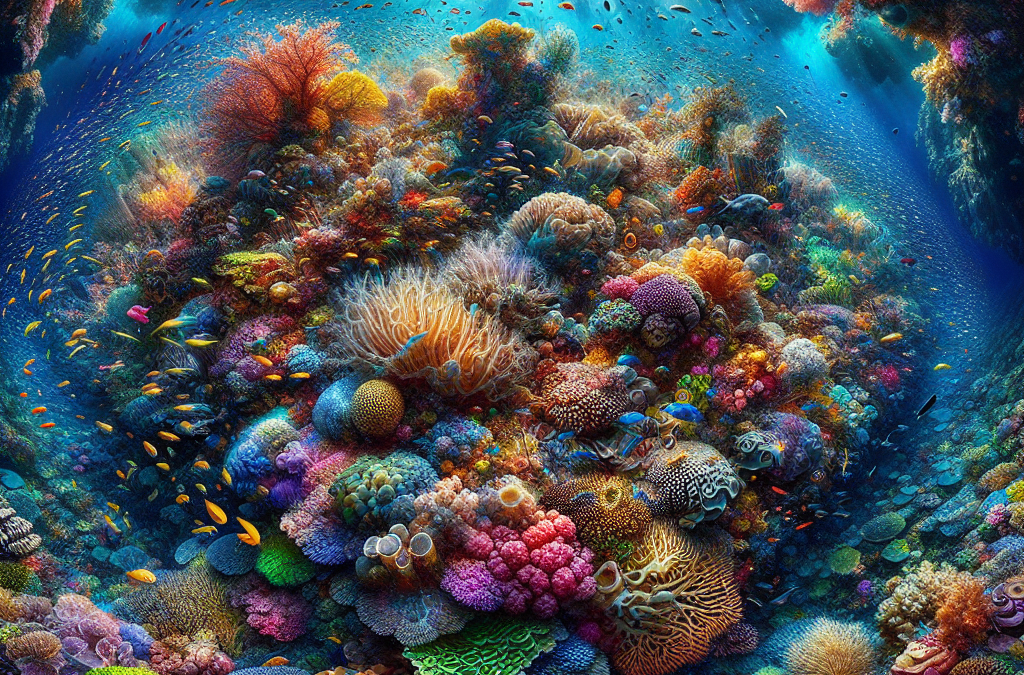
If you’ve ever dreamed of exploring the depths of the ocean and discovering the beauty hidden beneath the surface, then look no further than Koh Tao. Known as a paradise for scuba diving enthusiasts, this small island located in the Gulf of Thailand offers the perfect setting for beginners to take their first scuba diving course. With crystal-clear waters, vibrant coral reefs, and a wide variety of marine life, Koh Tao is the ultimate destination for anyone seeking an unforgettable underwater adventure. So, grab your gear and get ready to embark on a journey that will leave you in awe of the incredible wonders that await beneath the waves.
Overview
Located in the Gulf of Thailand, Koh Tao is a small tropical island known for its stunning beaches, crystal-clear waters, and vibrant coral reefs. With a relaxed and laid-back atmosphere, it has become a popular destination for scuba diving enthusiasts from around the world. Whether you’re a beginner or an experienced diver, Koh Tao offers an array of dive sites that cater to every skill level. Taking a scuba diving course on this beautiful island not only allows you to explore its underwater wonders but also provides you with the opportunity to obtain a valuable certification that can open up a world of diving adventures.
Location and Background
Situated approximately 70 kilometers off the east coast of Thailand, Koh Tao, which translates to “Turtle Island,” is part of the Chumphon Archipelago. The island’s name originates from the fact that it was once a nesting ground for turtles. Today, it is a thriving diving destination, attracting thousands of divers each year. Koh Tao’s warm tropical climate, clear waters with excellent visibility, and diverse marine life make it an ideal location for scuba diving.
Why Choose Koh Tao for Scuba Diving?
There are several reasons why Koh Tao is regarded as one of the best places in the world to learn and practice scuba diving. Firstly, the island offers a wide range of dive sites suitable for all skill levels, from shallow coral gardens to deeper dive sites with impressive underwater rock formations. Secondly, Koh Tao has numerous dive centers that provide professional training and guidance, ensuring a safe and enjoyable diving experience for divers of all levels. Lastly, the island itself is a paradise with stunning landscapes, breathtaking scenery, and a vibrant nightlife, making it an ideal destination for combining relaxation and adventure.
Benefits of Taking a Scuba Diving Course
Taking a scuba diving course in Koh Tao offers numerous benefits that go beyond just exploring the underwater world. Firstly, obtaining a scuba diving certification allows you to dive independently, giving you the freedom to explore other dive destinations around the globe. It also enhances your diving skills and knowledge, making you a safer and more confident diver. Additionally, scuba diving courses provide an opportunity to meet like-minded individuals from all walks of life, creating friendships and connections that can last a lifetime. Finally, scuba diving courses encourage environmental awareness and promote conservation efforts, ensuring the sustainability of the oceans’ delicate ecosystems.
Getting to Koh Tao
By Air
To reach Koh Tao, the most convenient option is to fly to Koh Samui Airport, which is serviced by multiple domestic and international flights. From Koh Samui, you can catch a ferry to Koh Tao, which takes approximately 2-3 hours. Alternatively, you can also fly to Chumphon Airport or Surat Thani Airport and take a ferry from there to Koh Tao.
By Ferry
If you are already in Thailand or the neighboring countries, you can travel to Koh Tao by ferry. Regular ferry services operate from various ports such as Chumphon, Surat Thani, and Koh Samui. The ferry journey offers picturesque views of the Gulf of Thailand and is a popular choice among travelers seeking a more relaxed and scenic mode of transportation.
Getting Around Koh Tao
Once you arrive on Koh Tao, getting around the island is easy and hassle-free. The island is small, and most of the main attractions, including dive centers, resorts, and restaurants, are within walking distance. Alternatively, you can rent a motorbike or use the local taxi service, which consists mainly of converted pickup trucks known as “songthaews.” These vehicles are a convenient and affordable way to explore the island and reach more secluded dive sites.
Choosing a Scuba Diving Course
Certification Agencies
When selecting a scuba diving course on Koh Tao, it is essential to choose a reputable dive center affiliated with recognized certification agencies such as PADI (Professional Association of Diving Instructors) or SSI (Scuba Schools International). These agencies have established and standardized training programs that adhere to strict safety protocols, ensuring a high level of education and professionalism.
Course Levels
Scuba diving courses cater to divers of varying skill levels, from beginners to advanced divers seeking specialized training. The most common courses for beginners are the Open Water Diver and Advanced Open Water Diver courses. The Open Water Diver course introduces you to the basics of scuba diving, while the Advanced Open Water Diver course allows you to develop your skills and gain more experience under the guidance of an instructor.
Course Duration and Schedule
The duration of a scuba diving course can vary depending on the certification level and your individual learning pace. Generally, an Open Water Diver course takes around 3-4 days to complete, which includes theoretical knowledge sessions, confined water training, and open water dives. Advanced courses may take an additional 2-3 days. Dive centers usually offer flexible scheduling options, allowing you to choose between full-time intensive courses or part-time courses spread over a more extended period.
Costs and Budgeting
Course Fees
The cost of a scuba diving course on Koh Tao will depend on factors such as the certification level, the dive center you choose, and the inclusions of the course package. As a general guideline, an Open Water Diver course can range from $300 to $500, while an Advanced Open Water Diver course may cost between $250 and $400. It is essential to review the course details, including the number of dives, equipment rental, and certification fees, to accurately budget for your diving adventure.
Accommodation and Meals
Koh Tao offers a wide range of accommodations to suit all budgets, from budget-friendly hostels to luxury resorts. Prices can range from $10 per night for a basic dormitory bed to $100 or more per night for a beachfront villa. Likewise, dining options vary, with local Thai cuisine, international dishes, and fresh seafood available throughout the island. Budget-conscious travelers can enjoy delicious meals from local street food stalls or small restaurants for as little as $5, while those seeking a more upscale dining experience can expect to pay $20 or more per meal.
Equipment Rental and Purchases
Most dive centers on Koh Tao provide equipment rental as part of their course packages. This includes the essential gear such as a wetsuit, buoyancy control device (BCD), regulator, mask, fins, and weights. The cost of equipment rental is typically included in the course fee, but it is advisable to check with the dive center beforehand. If you wish to purchase your own diving equipment, there are several shops on the island offering a wide range of gear at competitive prices.
Safety Precautions
Medical Check
Before participating in a scuba diving course, it is crucial to undergo a medical check-up to ensure you are in good health and fit for diving. A medical questionnaire will be provided by the dive center, which you should complete honestly. If you have any pre-existing medical conditions or concerns, it is highly recommended to consult with a diving physician to assess your suitability for diving.
Diving Insurance
While scuba diving is generally a safe activity, having diving insurance is essential for your peace of mind. Diving insurance provides coverage for medical emergencies, dive-related accidents, and equipment damage. Many dive centers require divers to have valid diving insurance before participating in their courses. Numerous reputable insurance providers offer specialized diving insurance plans tailored to the unique risks and requirements of scuba diving.
Emergency Procedures
During your scuba diving course, you will receive comprehensive training in emergency procedures and safety protocols. This includes learning how to handle potential issues such as equipment malfunctions, buddy separation, and underwater emergencies. Through practical exercises and theoretical knowledge, you will develop the skills necessary to handle unforeseen situations and ensure your safety while diving.
Scuba Diving Training
Theory Classes
The theory component of a scuba diving course covers essential knowledge such as dive physics, physiology, equipment operation, and dive planning. This knowledge is essential for understanding the principles of scuba diving and ensuring safe diving practices. Theory classes are conducted in a classroom setting or through online modules, providing you with the flexibility to learn at your own pace.
Confined Water Sessions
After completing the theoretical component, you will progress to confined water sessions, usually conducted in a swimming pool or calm shallow waters. Under the guidance of a qualified instructor, you will learn and practice essential diving skills, including proper buoyancy control, regulator use, mask clearing, and emergency procedures. These confined water sessions allow you to gain confidence and proficiency in a controlled environment before venturing into the open water.
Open Water Dives
The highlight of any scuba diving course is the opportunity to embark on open water dives and explore Koh Tao’s magnificent underwater world. These dives typically take place in the ocean, where you will apply the skills learned in confined water sessions under the supervision of your instructor. Depending on the course level, you will complete a series of open water dives, further enhancing your dive skills, and experiencing the thrill of diving in diverse marine environments.
Exploring Koh Tao’s Dive Sites
Popular Dive Sites
Koh Tao boasts a plethora of dive sites, each offering unique and awe-inspiring underwater landscapes. Some of the most popular dive sites include Chumphon Pinnacle, renowned for its vibrant corals and sightings of pelagic species such as whale sharks and barracudas. Shark Island offers stunning rock formations and a diverse range of marine life, including reef sharks, rays, and turtles. Other notable sites include Sail Rock, Southwest Pinnacle, and White Rock, each offering their own distinct charm and underwater wonders.
Marine Life and Coral Reefs
The waters surrounding Koh Tao are teeming with marine life, making every dive a memorable experience. Colorful coral reefs provide a home for a vast array of fish species, including angelfish, butterflyfish, parrotfish, and moray eels. Alongside these tropical reef inhabitants, divers also have the chance to encounter larger marine species such as whale sharks, turtles, and reef sharks. Exploring the vibrant and diverse coral reefs is like diving into a living tropical paradise.
Night Diving Experiences
For a unique and thrilling diving experience, night diving is a must-try when in Koh Tao. As the sun sets and darkness envelops the underwater world, a whole new cast of nocturnal creatures emerges. Night dives allow you to witness the fascinating behavior of marine life that is rarely seen during the day. The night is a haven for creatures such as octopuses, eels, lobsters, and other mesmerizing marine species. The ambiance and tranquility of night diving create an enchanting experience that is sure to leave a lasting impression.
Conservation and Eco-friendly Practices
Impact of Scuba Diving
While scuba diving brings immense joy and awe-inspiring experiences, it is crucial to be aware of the potential impact on the marine environment. Divers must always practice responsible diving to minimize any negative effects on coral reefs and marine ecosystems. This includes maintaining proper buoyancy to avoid damaging fragile corals, refraining from touching or disturbing marine life, and only diving with reputable operators who adhere to sustainable diving practices. By being mindful of our actions, we can help preserve the delicate balance of marine ecosystems.
Dive Site Preservation Projects
Recognizing the importance of maintaining and protecting dive sites, Koh Tao is home to various preservation projects aimed at conserving the island’s marine resources. These projects involve regular reef clean-ups, coral transplantation initiatives, and educational campaigns that promote environmental awareness. Divers are encouraged to participate in these activities and contribute to the sustainability of Koh Tao’s pristine dive sites.
Eco-friendly Dive Practices
To further minimize the impact of scuba diving on the environment, many dive centers on Koh Tao have adopted eco-friendly practices. This includes using environmentally friendly cleaning products, promoting the reduction of single-use plastics, and supporting local conservation organizations. By choosing a dive center that prioritizes eco-friendly practices, you can ensure that your diving experience aligns with sustainable and responsible tourism.
Career Opportunities
Becoming a Dive Professional
For those who develop a passion for scuba diving, Koh Tao offers excellent opportunities to pursue a career in the diving industry. After obtaining a dive professional certification, such as the PADI Divemaster or Instructor Development Course, you can work as a dive guide or instructor, sharing your love for diving with others. Becoming a dive professional opens the door to an exciting and fulfilling career path, allowing you to travel the world and immerse yourself in the wonders of the ocean.
Job Prospects on Koh Tao
Koh Tao’s thriving diving industry provides a wealth of job opportunities for certified divers. Dive centers and resorts are always on the lookout for new dive professionals to join their teams. Job prospects include positions as dive guides, instructors, equipment technicians, and dive shop managers. Working on Koh Tao not only allows you to indulge in your passion for diving but also immerse yourself in the island’s unique culture, making it a dream destination for many diving enthusiasts.
Internship Programs
For those looking to kickstart their diving career, many dive centers on Koh Tao offer internship programs that provide comprehensive training and hands-on experience. These programs typically combine educational courses, practical diving sessions, and real-world work experience, equipping participants with the necessary skills and knowledge to pursue a career in the diving industry. Internship programs are an excellent way to fast-track your diving qualifications while immersing yourself in the vibrant diving community on Koh Tao.
Conclusion
Taking a scuba diving course on Koh Tao is an exhilarating and rewarding experience that offers a gateway to a lifelong passion for exploring the underwater world. Whether you’re a beginner or an experienced diver, the island’s diverse dive sites, warm waters, and professional dive centers make it an ideal destination to learn, enhance your skills, and obtain a scuba diving certification. Beyond the breathtaking underwater landscapes, Koh Tao’s unique charm, friendly atmosphere, and range of recreational activities ensure that your time on the island will be unforgettable. So dive into the crystal-clear waters, make unforgettable memories, and continue your diving education in the tropical paradise of Koh Tao.
 English