
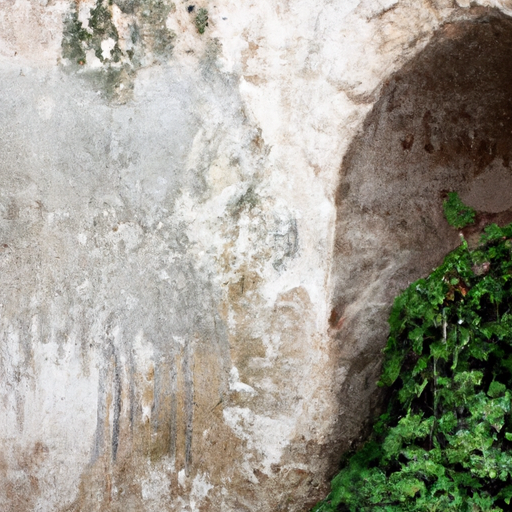
Welcome to Matera, a hidden gem tucked away in the southern region of Basilicata, Italy. Here, time seems to have stood still as you step into a labyrinth of ancient cave dwellings, dating back to prehistoric times. These captivating structures, carved into the rocky cliffs, served as homes for generations of Materans. Today, they offer a glimpse into a bygone era, where simplicity and harmony with nature reigned supreme. As you explore these fascinating caves, you can’t help but be transported to a different world, where history and architecture intertwine in a mesmerizing dance. Join me on a journey to uncover the secrets of Matera’s ancient cave dwellings, where the past merges seamlessly with the present.
The History of Matera’s Cave Dwellings
Matera, a city in the southern region of Basilicata, Italy, is famous for its ancient cave dwellings known as “Sassi.” These cave dwellings have a history that dates back thousands of years, making Matera one of the oldest continuously inhabited cities in the world.
Origins of the Cave Dwellings
The origins of Matera’s cave dwellings can be traced back to prehistoric times. The area’s natural limestone cliffs provided ideal conditions for cave formation, and early settlers took advantage of these caves for shelter. The caves offered protection from the elements and provided a natural form of insulation.
Early Settlements in Matera
Archaeological evidence suggests that Matera was inhabited as early as the Paleolithic era, approximately 10,000 years ago. The region was home to various ancient civilizations, including the Neolithic people and later the Bronze Age tribes. Over time, the settlers carved out more complex cave systems, creating dwellings that were not only functional but also aesthetically pleasing.
The Development of the Cave Dwellings
As the population grew, so did the complexity and sophistication of the cave dwellings. The early settlers started carving out multiple rooms within a single cave, creating separate spaces for living, storage, and even worship. The cave dwellings became multi-level structures, with interconnected tunnels and staircases.
The Role of the Sassi in Matera’s History
The Sassi, the historic districts of Matera, played a significant role in the city’s history. Throughout the centuries, the Sassi were home to a diverse range of communities, including farmers, artisans, and even monks. These communities formed a tight-knit social fabric, and their lives revolved around the cave dwellings.
The Architecture and Design of the Cave Dwellings
The architecture and design of Matera’s cave dwellings are unique and reflect the ingenuity of the early settlers.
Characteristics of the Cave Dwellings
The cave dwellings in Matera are characterized by their integration with the natural landscape. The settlers worked with the existing limestone cliffs, carving out caves and shaping them into functional living spaces. The caves were typically constructed in clusters, forming a sort of cave neighborhood.
The Layout of the Sassi
The layout of the Sassi is a labyrinthine network of narrow alleyways, interconnected tunnels, and staircases. The cave dwellings are stacked on top of one another, creating a vertical cityscape. The streets wind their way through the Sassi, leading to hidden squares and courtyards.
Building Techniques and Materials
The early settlers of Matera used simple tools to carve out the caves and shape the limestone cliffs. They made use of the locally available materials, such as limestone and wood, for building and furnishing the cave dwellings. The stone walls of the caves provided natural insulation, keeping the interiors cool in the summer and warm in the winter.
Living Conditions in the Cave Dwellings
Daily Life in the Sassi
Life in the cave dwellings of Matera was centered around the family unit. The caves served as living quarters, with each family having its own designated space. The daily activities, such as cooking, eating, and sleeping, took place within the caves. The community within the Sassi was tight-knit, and neighbors often shared resources and looked out for one another.
Challenges and Difficulties
Living in the cave dwellings presented its own set of challenges. The lack of natural light and ventilation made the interiors dark and damp, especially in the innermost caves. The cramped living conditions meant that families had limited space for privacy and personal belongings. Sanitation and hygiene were also significant challenges, as there was limited access to running water and proper waste management.
Evolution of the Living Conditions
Over time, the living conditions in Matera’s cave dwellings improved as new techniques and technologies were introduced. Modern amenities such as electricity and running water were gradually implemented in the Sassi. Efforts were made to improve sanitation and hygiene, and greater emphasis was placed on preserving the cultural heritage of the cave dwellings.
Preservation and Restoration Efforts
Recognition as a World Heritage Site
In 1993, Matera’s historic center, including the Sassi and the Park of the Rupestrian Churches, was designated as a UNESCO World Heritage Site. This recognition highlighted the cultural and historical significance of Matera’s cave dwellings and provided a platform for their preservation and restoration.
Preservation Organizations and Initiatives
Numerous organizations and initiatives have been established to preserve and restore Matera’s cave dwellings. Local and international groups work together to ensure the long-term sustainability of the Sassi. These organizations focus on various aspects, including historical research, architectural preservation, and community engagement.
Challenges in Restoring the Cave Dwellings
Restoring the cave dwellings in Matera is not without its challenges. The preservation efforts must balance the need to protect the historical integrity of the Sassi with the practicalities of modern living. Maintaining the delicate balance between preservation and sustainable development is an ongoing challenge that requires careful planning and collaboration.
Matera’s Cave Dwellings Today
Tourism and Cultural Significance
Matera’s cave dwellings have become a major tourist attraction, drawing visitors from around the world. The Sassi offer a unique glimpse into the past, allowing visitors to experience a way of life that has been preserved for centuries. The cultural significance of the cave dwellings is celebrated through various events and festivals.
Matera as a Filming Location
The otherworldly beauty of Matera’s cave dwellings has not gone unnoticed by the film industry. The Sassi have served as a backdrop for numerous movies, including Mel Gibson’s “The Passion of the Christ”. The stunning architecture and ancient atmosphere of the cave dwellings add an authentic and evocative element to any production.
Local Communities and Modern Adaptations
While tourism has brought attention to Matera’s cave dwellings, it has also presented an opportunity for the local communities to adapt and thrive. Many cave dwellings have been repurposed into modern homes, hotels, restaurants, and shops. The unique charm of the Sassi has inspired artists, designers, and entrepreneurs, breathing new life into the ancient city.
Exploring Matera’s Cave Dwellings
Must-Visit Cave Dwellings and Sites
When visiting Matera, there are several must-visit cave dwellings and sites that offer a comprehensive experience of the Sassi. The Casa Grotta di Vico Solitario is a preserved cave dwelling that allows visitors to step back in time and see how families lived in the past. The Rupestrian Churches, such as the Church of San Pietro Barisano and the Church of Santa Lucia alle Malve, showcase the religious and artistic heritage of Matera.
Guided Tours and Experiences
To truly immerse yourself in the history and culture of Matera’s cave dwellings, a guided tour is highly recommended. Professional guides offer insights into the architecture, history, and everyday life of the Sassi. Walking tours take you through the narrow streets and hidden corners, revealing the hidden gems of Matera’s ancient cityscape.
Cultural Events and Festivals in Matera
Matera hosts various cultural events and festivals throughout the year, celebrating the heritage of the cave dwellings. The Festa della Madonna Bruna, held in July, is a vibrant and colorful festival that honors the patron saint of Matera. The Cavalcata di Sant’Eustachio, a medieval reenactment held in September, brings to life the history and traditions of the region.
The Art and Culture of Matera’s Cave Dwellings
Artistic Expressions in the Sassi
Matera’s cave dwellings have inspired countless artists and artisans. The unique architecture and natural beauty of the Sassi serve as a canvas for creative expression. From intricate carvings on the cave walls to contemporary art installations, the Sassi are a hub of artistic activity.
Exhibitions and Museums
Matera is home to several museums and exhibition spaces that showcase the art and culture of the cave dwellings. The Casa Noha museum provides an immersive experience, tracing the history of Matera and its cave dwellings through multimedia exhibits. The Palazzo Lanfranchi, located in the heart of the Sassi, houses the Museum of Contemporary Sculpture.
Festivals Celebrating Matera’s Cultural Heritage
Matera hosts numerous festivals that celebrate the cultural heritage of the cave dwellings. The Festival delle Arti, held in October, brings together artists from various disciplines to showcase their work in the unique setting of the Sassi. The Settimana della Cultura, a week-long cultural festival, offers performances, exhibitions, and workshops that highlight the traditions and innovations of Matera.
Culinary Delights in Matera
Traditional Cuisine of Matera
Matera’s culinary scene is a blend of traditional flavors and innovative techniques. The region is known for its rustic and hearty dishes, often made with locally sourced ingredients. Traditional staples include homemade pasta, roasted lamb, and bread baked in wood-fired ovens.
Famous Dishes and Ingredients
One of the most famous dishes from Matera is bread. Matera’s bread has a distinct shape and texture, thanks to its long fermentation process and the use of durum wheat semolina. Other signature dishes include “peperoni cruschi”, which are sun-dried peppers, and “orecchiette con cime di rapa”, a pasta dish with turnip greens.
Where to Experience Matera’s Food Culture
To experience the culinary delights of Matera, visitors can dine at local trattorias and restaurants that offer traditional dishes. The Sassi themselves are home to several eateries that serve up authentic Materan cuisine. Local markets, such as the Mercato Coperto, provide an opportunity to sample and purchase local produce and specialties.
Matera’s Cave Dwellings and Sustainability
Environmental Considerations
Preserving the environmental integrity of Matera’s cave dwellings is crucial for their long-term sustainability. Efforts are being made to address issues such as erosion, water scarcity, and waste management. Sustainable building practices, including the use of eco-friendly materials and energy-efficient technologies, are being implemented to minimize the impact on the natural landscape.
Community Engagement and Inclusion
An integral part of preserving Matera’s cave dwellings is ensuring community engagement and inclusion. The local residents are actively involved in the preservation and restoration efforts, working alongside experts and organizations. Programs are also in place to promote education and awareness about the cultural heritage of the Sassi.
Balancing Tourism and Preservation
Matera’s growing popularity as a tourist destination presents a challenge in balancing the needs of tourism with the preservation of the cave dwellings. Sustainable tourism practices are being implemented to minimize overcrowding and mitigate the impact on the fragile infrastructure of the Sassi. The focus is on promoting responsible tourism that respects the cultural heritage and contributes to the local economy.
Future Challenges and Opportunities
Preserving the Authenticity of the Cave Dwellings
As Matera continues to evolve and thrive, preserving the authenticity of the cave dwellings remains a challenge. It is essential to strike a balance between modern adaptations and preserving the historical integrity of the Sassi. This requires careful planning, regulation, and collaboration between various stakeholders.
Sustainable Development in Matera
Matera has the opportunity to become a model for sustainable development. By prioritizing eco-friendly practices, embracing renewable energy sources, and implementing innovative urban planning strategies, Matera can shape its future while preserving its past. Sustainable development can ensure the long-term viability and resilience of Matera’s cave dwellings.
Promoting Matera’s Cultural Heritage
Promoting Matera’s cultural heritage on a global scale is a significant opportunity for the city. By showcasing the unique architecture, artistic expressions, and culinary traditions of the Sassi, Matera can attract cultural enthusiasts from around the world. Collaborations with international organizations and cultural exchanges can further enhance Matera’s position as a cultural hotspot.
In conclusion, Matera’s ancient cave dwellings offer a window into the past, a glimpse of a way of life that has endured for thousands of years. The rich history, unique architecture, and cultural significance of Matera’s cave dwellings make it a must-visit destination for those seeking an immersive and authentic experience. As the city continues to evolve, the preservation and sustainable development of the Sassi remain vital in ensuring that Matera’s cultural heritage endures for generations to come. So, embark on a journey to Matera, where the ancient whispers of the cave dwellings await your discovery.
 English