
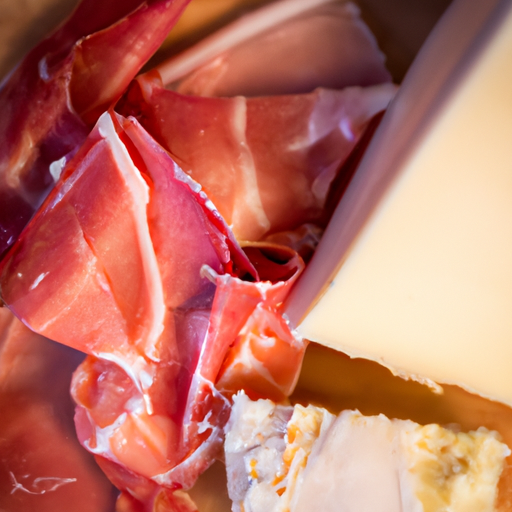
Now, let’s dive into the delicious world of Parma Ham and Parmigiano Reggiano Cheese. These iconic Italian delicacies are not just about their flavors; they embody the traditions and heritage of the regions they come from. Parma Ham, also known as Prosciutto di Parma, is a perfectly cured, savory delight that has captivated taste buds for centuries. Similarly, Parmigiano Reggiano, or Parmesan cheese, with its rich, nutty flavors and crumbly texture, is a cornerstone of Italian cuisine. Join me as we unravel the secrets behind these culinary treasures and explore the stories they have to tell.
The History of Parma Ham
Origins of Parma Ham
Parma Ham, also known as Prosciutto di Parma, has a long and storied history dating back to ancient times. The origins of this Italian delicacy can be traced back to the Roman era, where it was initially created as a way to preserve meat. The combination of salt and natural air drying allowed the ham to be stored for extended periods, making it a valuable source of food for soldiers and travelers.
Tradition and Production Process
The production of Parma Ham is rooted in tradition, with strict guidelines that must be followed to achieve the highest quality product. The process begins with selecting the finest quality pork legs from specially bred pigs, typically of the Italian Large White, Landrace, and Duroc breeds. These pigs are raised in specific regions of Italy, primarily Emilia-Romagna, where the climate and environment play a crucial role in the flavor development.
After the legs are selected, they undergo an initial salting process. Sea salt is the only additive allowed, ensuring the purest flavor possible. The hams are then left to rest for a period to allow the salt to penetrate and draw out excess moisture. Once this stage is complete, the hams are washed and placed in a temperature-controlled aging room. This is where the magic happens, as the hams slowly dry and develop their distinctive flavor and texture over the course of months or even years.
Protected Designation of Origin (PDO)
Parma Ham is recognized and protected under the European Union’s Protected Designation of Origin (PDO) label. This certification ensures that only hams produced in the designated region using the traditional methods can bear the prestigious Parma Ham name. The PDO label guarantees the authenticity and quality of the product, giving consumers confidence in their purchase.
The Characteristics of Parma Ham
Appearance and Texture
Parma Ham is known for its visually appealing appearance and distinctive texture. The hams have a deep red color, marbled with streaks of fat that add richness and flavor. The texture is firm yet tender, with a melt-in-your-mouth quality that is truly unique.
Taste and Aroma
One of the main reasons Parma Ham has gained such popularity is its exceptional taste and aroma. The hams have a delicate, sweet flavor with notes of nuttiness and a hint of saltiness. The aging process brings out the natural flavors of the pork, resulting in a complex and well-rounded profile. The aroma is equally enticing, with a rich and savory scent that is sure to tantalize the senses.
Culinary Uses
Parma Ham is a versatile ingredient that can be enjoyed in a variety of ways. It is commonly eaten sliced thin and served as an appetizer or in sandwiches. The saltiness of the ham pairs well with sweet fruits such as melon or figs, creating a perfect balance of flavors. Parma Ham can also be used in cooked dishes, adding depth and complexity to pasta, risotto, and other traditional Italian recipes.
The History of Parmigiano Reggiano Cheese
Origins of Parmigiano Reggiano
Parmigiano Reggiano, often referred to simply as Parmesan, is one of the oldest and most celebrated cheeses in the world. Its origins can be traced back to the Middle Ages, where it was first produced in the region of Emilia-Romagna in northern Italy. The cheese was highly prized for its long shelf life and nutritional value, making it a staple in the diets of both peasants and nobility.
Traditional Production Methods
The production of Parmigiano Reggiano follows age-old methods that have been passed down through generations of cheesemakers. The process begins with collecting fresh milk from local cows, typically fed a diet of grass and hay to ensure the highest quality product. The milk is then heated and mixed with rennet, a natural enzyme that helps coagulate the proteins.
Once the curds have formed, they are broken into small pieces and heated again. This allows the liquid to separate from the curds, which are then placed into molded, cylindrical molds. The cheese is then pressed to remove excess moisture and left to age in a temperature-controlled room for a minimum of 12 months, though some wheels are aged for up to 36 months or more.
PDO Status
Parmigiano Reggiano is protected under the PDO label, ensuring that only cheeses produced in the specific regions of Parma, Reggio Emilia, Modena, and parts of Bologna and Mantua can be called Parmigiano Reggiano. The strict regulations and traditional methods used in production guarantee the authenticity and quality of the cheese, making it highly sought after by consumers around the world.
The Qualities of Parmigiano Reggiano Cheese
Texture and Flavor Profile
Parmigiano Reggiano is known for its unique texture and flavor. The cheese has a firm, grainy texture that becomes crumbly as it ages. This texture gives each bite a satisfying, toothsome quality that is difficult to replicate. In terms of flavor, Parmigiano Reggiano is rich and nutty, with a hint of sweetness. The aging process imparts a depth of flavor that is both complex and well-rounded.
Aging Process
The aging process is a crucial factor in the development of Parmigiano Reggiano’s flavor and texture. The cheese must be aged for a minimum of 12 months, but many producers choose to age their wheels for much longer to achieve a more intense flavor. During the aging process, the cheese undergoes significant transformations, developing its characteristic nutty flavor and distinctive texture.
Culinary Applications
Parmigiano Reggiano is a staple in Italian cuisine and can be used in a wide range of dishes. It is commonly grated over pasta, risotto, and salads, adding a depth of flavor and richness. The cheese can also be enjoyed on its own, paired with fruit or drizzled with aged balsamic vinegar for a simple yet elegant appetizer. Parmigiano Reggiano can even be used in desserts, adding a savory element to sweet dishes like ricotta tart or panettone.
Geographical Indications and Authenticity
PDO and PGI Labels
The PDO and PGI labels are certifications used to protect and authenticate regional food products in the European Union. PDO, which stands for Protected Designation of Origin, is the highest level of certification and guarantees that a product is produced, processed, and prepared in a specific region using traditional methods. PGI, or Protected Geographical Indication, provides a similar level of protection but allows for some flexibility in production methods.
Both Parma Ham and Parmigiano Reggiano have been awarded the prestigious PDO label, ensuring that they are authentic and produced according to strict guidelines. These labels are a testament to the unique qualities of these products and provide consumers with the assurance that they are purchasing the real deal.
Quality Control Measures
To maintain the integrity of PDO and PGI products, strict quality control measures are in place throughout the production process. Independent organizations are responsible for inspecting and certifying that producers are adhering to the established guidelines. This includes ensuring that the products are sourced from the designated regions, produced using traditional methods, and meet specific quality standards.
The rigorous quality control measures not only protect the authenticity of the products but also safeguard the reputation of the regions they come from. Consumers can trust that when they purchase a PDO or PGI product, they are getting a high-quality, authentic item that reflects the unique characteristics of its region.
Counterfeit Concerns
The popularity and prestige of Parma Ham and Parmigiano Reggiano have unfortunately led to an increase in counterfeit products on the market. These imitation products often try to mimic the appearance and taste of the authentic items but fall short in quality and flavor. To avoid purchasing counterfeit products, it is important to look for the PDO label and purchase from reputable sources.
By supporting certified producers and purchasing authentic Parma Ham and Parmigiano Reggiano, consumers can ensure that they are experiencing the true taste and quality of these iconic Italian products.
Pairing Parma Ham and Parmigiano Reggiano
Complementary Flavors
Parma Ham and Parmigiano Reggiano are a match made in culinary heaven. The saltiness of the ham pairs perfectly with the rich, nutty flavor of the cheese. Together, they create a harmonious balance of flavors that is both savory and satisfying. The combination of the tender, melt-in-your-mouth ham and the firm, crumbly texture of the cheese makes for a delightful eating experience.
Traditional Recipes
Parma Ham and Parmigiano Reggiano are key ingredients in many traditional Italian recipes. One classic dish that showcases their flavors is Prosciutto e Melone, a simple yet elegant appetizer. Thin slices of Parma Ham are wrapped around sweet, juicy melon slices, creating a refreshing and flavorful bite. Another popular dish is Tortellini en Brodo, where small pockets of pasta are filled with Parmigiano Reggiano and served in a savory broth with Parma Ham garnish.
Wine Pairings
When it comes to pairing Parma Ham and Parmigiano Reggiano with wine, there are a few options that complement the flavors of these Italian delicacies. For Parma Ham, a dry, sparkling wine such as Prosecco or Champagne is an excellent choice. The effervescence of the wine cuts through the richness of the ham, creating a perfect balance. For Parmigiano Reggiano, a full-bodied red wine such as Chianti or Barolo is an ideal match. The tannins in the red wine pair well with the nutty flavors of the cheese, enhancing the overall tasting experience.
Cultural Significance and Heritage
Regional Identity
Parma Ham and Parmigiano Reggiano are not only beloved food products but also symbols of regional identity. The production of these products is deeply rooted in the traditions and heritage of Emilia-Romagna, a region known for its culinary excellence. The unique flavors and quality of Parma Ham and Parmigiano Reggiano are a testament to the rich history and traditions of this region.
Italian Cuisine
Italian cuisine has gained worldwide acclaim, and Parma Ham and Parmigiano Reggiano are two of its most iconic ingredients. These products are integral to the traditional Italian diet and have become synonymous with the flavors and aromas of Italy. From pasta dishes to antipasti platters, the inclusion of Parma Ham and Parmigiano Reggiano adds depth and authenticity to Italian cuisine.
Celebrations and Festivals
Parma Ham and Parmigiano Reggiano are celebrated at festivals and events throughout Italy. In Parma, the Festival del Prosciutto di Parma pays homage to the beloved ham with tastings, cooking demonstrations, and cultural activities. Similarly, the Festa del Parmigiano Reggiano in Reggio Emilia commemorates the cheese with events that showcase its rich history and production methods. These festivals not only celebrate the products themselves but also the hard work and dedication of the producers who carry on the traditions.
Sustainability and Environmental Impact
Protection of Traditional Methods
The production of Parma Ham and Parmigiano Reggiano is deeply intertwined with sustainable agricultural practices. The pigs used for Parma Ham are raised in specific regions of Italy, where they are fed a natural diet and have ample space to roam. This ensures the animals’ well-being and contributes to the quality of the final product.
Parmigiano Reggiano is made from locally sourced milk, supporting small-scale dairy farms and preserving traditional farming practices. The cheese-making process also minimizes waste, as the whey byproduct is often used as animal feed or in the production of other dairy products. These sustainable methods not only protect the environment but also maintain the integrity of the products.
Eco-friendly Practices
Both Parma Ham and Parmigiano Reggiano producers are committed to sustainable and eco-friendly practices. They strive to minimize their carbon footprint by reducing energy consumption, waste generation, and water usage. Many producers have implemented renewable energy sources and invested in energy-efficient technologies. By prioritizing sustainability, they ensure that future generations can continue to enjoy these iconic Italian products.
Preservation of Agricultural Land
The production of Parma Ham and Parmigiano Reggiano supports the preservation of agricultural land. The pigs used for Parma Ham are raised in traditional and sustainable farming systems, which helps maintain the rural landscape of Emilia-Romagna. Similarly, the production of Parmigiano Reggiano relies on the cultivation of high-quality forage crops, supporting the region’s agricultural economy and preventing land abandonment.
By choosing authentic Parma Ham and Parmigiano Reggiano, consumers are not only enjoying delicious food but also contributing to the preservation of traditional farming practices and landscapes.
Health Benefits and Nutritional Value
Source of Protein and Essential Nutrients
Both Parma Ham and Parmigiano Reggiano are excellent sources of protein, which is essential for building and repairing tissues in the body. They also contain important vitamins and minerals, including vitamin B12, zinc, and phosphorus. These nutrients play critical roles in maintaining a healthy immune system, improving bone health, and supporting overall well-being.
Low Fat Content
One of the notable health benefits of Parma Ham and Parmigiano Reggiano is their relatively low fat content. Parma Ham is naturally lean, with fat primarily concentrated in the outer layer, which is often trimmed off before consumption. Parmigiano Reggiano is a hard cheese, and while it does contain fat, it is generally lower in fat compared to softer, creamier cheeses. This makes Parma Ham and Parmigiano Reggiano suitable options for individuals looking to maintain a balanced and healthy diet.
Potential Allergies and Sensitivities
It is important to note that Parma Ham and Parmigiano Reggiano are derived from pork and cow’s milk, respectively, and may not be suitable for individuals with specific dietary restrictions or allergies. Some people may have sensitivities or intolerances to these ingredients, so it is crucial to read labels and consult with healthcare professionals if necessary.
Market Demand and Export
Global Reach and Popularity
Parma Ham and Parmigiano Reggiano have gained international recognition and are highly sought after by consumers around the world. These products have become staples in gourmet shops, restaurants, and household pantries, with demand steadily growing year after year. The unique flavors, quality, and cultural significance of Parma Ham and Parmigiano Reggiano contribute to their global appeal.
Economic Importance
The production and export of Parma Ham and Parmigiano Reggiano have significant economic importance for the regions of Emilia-Romagna and Italy as a whole. These products provide employment opportunities for local communities and contribute to the overall economic growth of the regions. The success of Parma Ham and Parmigiano Reggiano has also fueled the growth of other industries, such as tourism, as travelers seek out the authentic flavors and experiences associated with these iconic Italian products.
Challenges and Opportunities
While the popularity of Parma Ham and Parmigiano Reggiano presents numerous opportunities, it also poses challenges. Counterfeit products and imitation brands can undermine the market and the reputation of these iconic products. Producers and authorities must remain vigilant in enforcing quality control measures and protecting the authenticity of Parma Ham and Parmigiano Reggiano.
Additionally, increasing global demand presents opportunities for producers to expand their markets and reach new consumers. Enterprising producers have embraced e-commerce and online platforms to connect with international customers, allowing them to experience the unique flavors of Parma Ham and Parmigiano Reggiano no matter where they are in the world.
In conclusion, Parma Ham and Parmigiano Reggiano are not just food products; they are pieces of culinary history and cultural heritage. From their traditional production methods to their unique flavors and textures, these Italian delicacies represent the best of what the Emilia-Romagna region has to offer. Whether enjoyed separately or combined in a delicious pairing, Parma Ham and Parmigiano Reggiano are sure to satisfy even the most discerning palates. So raise a glass of wine, slice some ham, and grate some cheese – it’s time to savor the timeless flavors of Italy.
 English