
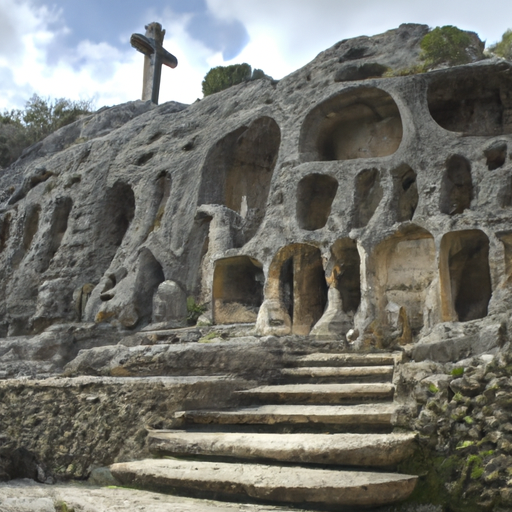
Now let’s venture off the beaten path and delve into the lesser-known treasures of Italy. Nestled in the enchanting region of Puglia lie the mesmerizing rock churches, a hidden gem that unveils a different side of this captivating country. Carved into the soft limestone cliffs, these ancient sanctuaries transport you back in time, whispering stories of faith, devotion, and artistic mastery. Adorned with intricate frescoes and adorned altars, these rock churches are a testament to the ingenuity and skill of the craftsmen who built them. Step inside and let the hushed atmosphere envelop you as you uncover the secrets of these subterranean wonders.
Overview of Puglia
Geography and location
Puglia is a region located in southern Italy, characterized by its stunning coastline along the Adriatic and Ionian Seas. It is the heel of the Italian “boot” and is bordered by the regions of Molise, Campania, and Basilicata. Puglia boasts a diverse landscape, with fertile plains, rolling hills, and charming rural villages.
History and culture
Puglia is steeped in history, with evidence of human settlements dating back to the Paleolithic era. Throughout its history, the region has been influenced by various civilizations, including the Greeks, Romans, Byzantines, Normans, and Spanish. This rich cultural heritage is reflected in Puglia’s architecture, cuisine, and traditions.
Introduction to Rock Churches
Definition and characteristics
Rock churches, also known as cave churches, are unique religious structures built into natural caverns and caves. These churches are carved out of the region’s soft limestone rock, creating a harmonious integration between nature and architecture. The use of natural elements gives these churches a distinct appearance and character.
Importance and significance
Rock churches are significant historical and cultural landmarks in Puglia. They represent the region’s religious heritage and provide a glimpse into the lives and beliefs of the local communities throughout the centuries. These churches also serve as important pilgrimage sites and attract visitors from around the world.
Historical Background
Origin and development
The origins of rock churches in Puglia can be traced back to early Christian times. In the 8th and 9th centuries, Puglia was part of the Byzantine Empire, and the construction of rock churches was influenced by Byzantine architecture. Over the centuries, these churches evolved and underwent modifications, with new chambers and decorative elements added.
Influence of Byzantine and Romanesque architecture
The architecture of Puglia’s rock churches exhibits a combination of Byzantine and Romanesque influences. Byzantine architectural features such as domes, apses, and frescoes can be seen in many of these churches. The Romanesque style, characterized by sturdy structures and simple decorations, also left its mark on the rock churches of Puglia.
The Architecture of Rock Churches
Exterior features
The exterior of Puglia’s rock churches is often unassuming, blending seamlessly with the natural rock formations. Many churches have simple facades, adorned with arches and small windows. Some churches, like the Church of San Pietro Caveoso, have more elaborate exteriors, featuring decorative elements that highlight the religious significance of these structures.
Interior design and decorations
The interiors of rock churches in Puglia are awe-inspiring, with stunning frescoes, intricate mosaics, and ornate altars. The use of natural light filtering through openings in the rock creates a dramatic and ethereal atmosphere. The walls and ceilings are adorned with religious scenes and symbols, telling stories of faith and devotion.
Famous Rock Churches
The Church of San Michele
The Church of San Michele is one of the most iconic rock churches in Puglia. Located in Monte Sant’Angelo, it is a UNESCO World Heritage site and a major pilgrimage destination. The church features a striking octagonal tower and a magnificent marble altar, adorned with intricate carvings.
The Church of Santa Maria dell’Idris
Situated in the town of Matera, the Church of Santa Maria dell’Idris is another remarkable example of a rock church. It is nestled within the famous Sassi di Matera, a UNESCO World Heritage site known for its cave dwellings. This church is known for its ancient frescoes depicting scenes from the Bible.
The Church of San Pietro Caveoso
Located in the captivating city of Matera, the Church of San Pietro Caveoso is an architectural gem. Its interior is adorned with beautiful frescoes and intricate decorations, showcasing both Byzantine and Romanesque influences. The church also offers panoramic views of the surrounding cave dwellings.
Religious Functions
Worship and ceremonies
Rock churches in Puglia continue to be active places of worship, hosting religious ceremonies and services. The faithful gather here to celebrate mass, weddings, and other important religious events. The serenity and unique ambiance of these churches create a deeply spiritual experience for worshippers.
Spiritual and cultural significance
Beyond their religious functions, rock churches hold immense spiritual and cultural significance for the local communities. They are symbols of faith, resilience, and identity, serving as an integral part of the region’s cultural heritage. Puglia’s rock churches are revered by locals and visitors alike for their historical and cultural value.
Preservation and Challenges
Efforts in preservation
Preserving the rock churches of Puglia requires dedicated efforts from local authorities, organizations, and communities. Extensive restoration projects have been undertaken to protect these fragile structures from natural decay and erosion. Conservation experts work tirelessly to ensure that the churches’ architectural and artistic treasures are preserved for future generations.
Challenges faced in maintenance and conservation
Maintaining and conserving rock churches pose numerous challenges, primarily due to the delicate nature of the structures and the natural erosion caused by the limestone rock. The constant exposure to humidity and fluctuating temperatures can result in damage to the frescoes and other interior decorations. Securing funding for preservation projects and balancing the need for tourism with the need for conservation are ongoing challenges.
Tourism and Visitor Experience
Popular tourist destinations
Rock churches are major tourist attractions in Puglia, drawing visitors from near and far. Matera, with its collection of rock churches and cave dwellings, is a UNESCO World Heritage site and one of the region’s most popular destinations. Monte Sant’Angelo, with the Church of San Michele, also attracts a significant number of tourists seeking spiritual enlightenment and architectural marvels.
Guided tours and visitor information
To enhance the visitor experience and provide insight into the history and significance of rock churches, guided tours are available. Knowledgeable guides lead visitors through the churches, explaining the architectural details and sharing the stories behind the frescoes and decorations. Local tourist offices and websites provide valuable information about visiting hours, accessibility, and cultural events related to the rock churches.
Rock Churches and the Local Community
Social and economic impact
Rock churches play an important role in the social and economic fabric of the local communities in Puglia. They serve as gathering places for religious and cultural events that bring people together. The influx of tourists visiting these churches also contributes to the local economy, supporting businesses such as hotels, restaurants, and souvenir shops.
Community involvement and initiatives
The preservation and promotion of rock churches in Puglia have fostered a sense of community pride and involvement. Local residents actively participate in conservation efforts and cultural initiatives, organizing events and festivals that celebrate the region’s rock churches. This collaboration between the local community and various stakeholders ensures the sustainability and continued appreciation of these architectural treasures.
Conclusion
Legacy and importance of Rock Churches
The rock churches of Puglia are not just architectural wonders but also significant testaments to the region’s history, culture, and religious traditions. They have stood the test of time, witnessing the rise and fall of empires and offering solace to countless worshippers. Their legacy is inextricably linked to the identity of the local communities and the broader historical narrative of Puglia.
Encouraging sustainable tourism and preservation efforts
As these rock churches continue to captivate visitors from around the world, it is crucial to promote sustainable tourism practices that ensure their long-term preservation. Balancing the need to protect these fragile structures with the desire to share their beauty and cultural significance is a challenge that must be met. By supporting preservation initiatives and responsible tourism, we can help safeguard the rock churches of Puglia for generations to come.
 English