
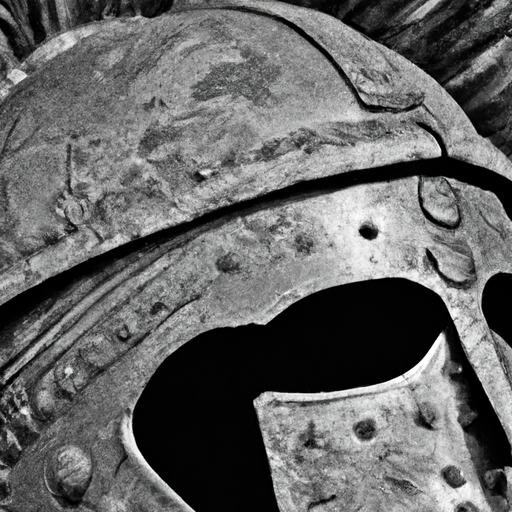
Now, let’s take a step back in time and explore one of the most intriguing aspects of ancient Rome: the gladiator schools. These establishments played a crucial role in training the formidable warriors who would entertain the masses with their combat skills and bravery in the arena. From the rigorous training routines to the intricate weaponry, we’ll delve into the fascinating world of these schools and uncover the secrets behind the legendary gladiators who captivated audiences with their every move. So, get ready to immerse yourself in a captivating journey through the ancient past and discover the remarkable tales of the Roman gladiator schools.
The Origins of Gladiator Schools
Gladiator schools in ancient Rome had their roots in the tradition of gladiatorial combat that emerged during the Roman Republic. These schools were established to train and prepare gladiators for the brutal and highly anticipated battles in the arena. Gladiator fights were initially held as part of funeral rites to honor the deceased, but over time, they became a form of entertainment that captivated the Roman society.
Training in Ancient Rome
In the early days, gladiators were typically prisoners of war, condemned criminals, or slaves. They were trained in rudimentary combat skills by their owners or lanistas, who were the managers of the gladiator schools. These early gladiators were not professionally trained nor did they have specialized schools dedicated to their development.
The Rise of Gladiator Schools
As the popularity of gladiatorial combat grew, so did the demand for skilled fighters. This led to the establishment of specialized gladiator schools, known as ludus, where gladiators could undergo rigorous training to become proficient in combat. The rise of these schools can be attributed to the increasing fascination with gladiatorial fights and the desire to showcase more elaborate and entertaining battles in the arenas.
The Structure of Gladiator Schools
Location and Facilities
Gladiator schools were typically located on the outskirts of major Roman cities, away from the prying eyes of the public. These schools consisted of various facilities designed to cater to the needs of the gladiators. They included barracks where the gladiators lived, training grounds for honing their combat skills, and areas for rest and recuperation. The schools were often surrounded by high walls to maintain security and to prevent the escape of the gladiators.
Types of Gladiators Trained
Gladiator schools trained a variety of gladiators, each with their own unique combat style. Some of the most common types of gladiators trained included the retiarius, a fisherman armed with a trident and a net, the murmillo, a heavily armored gladiator armed with a sword and shield, and the secutor, who wore a distinctive helmet and carried a curved sword. Each type of gladiator required specialized training to master their unique fighting techniques and strategies.
Hierarchy and Roles
Within the gladiator schools, a strict hierarchy was maintained to ensure discipline and order. At the top of the hierarchy was the lanista, the owner and manager of the school, who had complete control over the gladiators. The lanista hired trainers, known as doctores, who were responsible for the day-to-day training and instruction of the gladiators. The gladiators themselves were organized into groups or “families” based on their type, and each family had a leader who acted as a mentor and trainer to the other members.
Daily Life in Gladiator Schools
Chores and Duties
Life in a gladiator school was far from glamorous. Gladiators were required to perform various chores and duties as part of their daily routine. These tasks ranged from cleaning the facilities and tending to the equipment to preparing meals and maintaining their own personal hygiene. These responsibilities were meant to instill discipline and a sense of obedience in the gladiators.
Training Regimen
The training regimen in gladiator schools was rigorous and demanding. Gladiators spent hours each day honing their combat skills, engaging in mock battles, and practicing various fighting techniques. The training was physically and mentally grueling, as gladiators were pushed to their limits in order to prepare them for the brutality of the arena.
Diet and Nutrition
Proper nutrition was crucial for the gladiators to maintain their strength and endurance. Gladiator schools provided a carefully regulated diet that consisted of high-protein foods such as meat, fish, and legumes. Gladiators also consumed a lot of grains and vegetables to ensure that they received the necessary nutrients to sustain their intense physical training. The gladiators’ diet was designed to promote muscle growth, enhance their performance, and aid in their recovery.
Training and Skills
Combat Techniques
Gladiators were trained in a variety of combat techniques, depending on their type. They learned how to effectively wield their weapons, strike with precision, and defend themselves from their opponents. Training sessions focused on perfecting techniques such as parrying, thrusting, and dodging to maximize both offense and defense.
Weapon Handling
Weapon handling was a crucial aspect of gladiatorial training, as each type of gladiator had their own distinctive weaponry. Training sessions involved mastering the use of swords, shields, tridents, nets, and other weapons unique to their chosen fighting style. Gladiators were taught how to handle their weapons with precision, agility, and finesse.
Physical Conditioning
Physical conditioning played a vital role in preparing gladiators for their battles in the arena. They underwent rigorous strength and endurance training to build their muscle mass, improve their cardiovascular fitness, and increase their overall stamina. Intense workouts and exercises such as weightlifting, running, and wrestling were part of their daily routine to ensure they were physically fit and capable of enduring the physical demands of combat.
Gladiator Battles and Performances
Preparation for Battles
Before a gladiator participated in a battle, they underwent extensive preparation. This involved strategizing and practicing with their fellow gladiators, analyzing their opponent’s fighting style, and developing tactics to exploit their weaknesses. The objective was to enhance their chances of success in the arena and ensure a thrilling spectacle for the audience.
Types of Battles
Gladiator battles took on various forms, each with its own set of rules and conditions. Some battles involved one-on-one combat, while others pitted multiple gladiators against each other. Specific battles, known as naumachiae, were even fought in specially flooded arenas and simulated naval battles. The variety of battle types provided diverse entertainment for the spectators and tested the gladiators’ skills in different scenarios.
Audience and Spectacle
The gladiator battles were a highlight of Roman entertainment and drew massive crowds. Spectators from all social classes filled the amphitheatres and cheered on their favorite gladiators. The atmosphere in the arena was electric, with the audience eagerly awaiting each clash and cheering for displays of bravery and skill. The gladiator battles were not only a test of strength and courage but also a form of spectacle meant to captivate and entertain the masses.
The Role of the Lanista
Responsibilities and Duties
The lanista, as the owner and manager of the gladiator school, held significant responsibilities and duties. They were responsible for acquiring and training gladiators, managing the daily operations of the school, and arranging battles and performances in the arena. The lanista played a crucial role in the success of the gladiators and their reputation.
Relationship with Gladiators
The lanista had a complex relationship with the gladiators under their control. On one hand, they held complete authority over the gladiators and treated them as commodities. On the other hand, they had a vested interest in the well-being and success of their fighters, as it directly affected their own status and financial gain. Some lanistas forged close bonds with their gladiators, while others maintained a strictly professional relationship.
Promoting and Managing Battles
One of the lanista’s primary responsibilities was to promote and manage the gladiator battles in the arena. They organized the fights, arranged the matchups, and orchestrated the logistics of each performance. The lanistas were adept at marketing and advertising their gladiators to attract a large audience and ensure a profitable event. They played a pivotal role in the spectacle of the battles, contributing to the excitement and anticipation of the crowds.
Life and Death in the Arena
The Risk of Death
The gladiatorial fights were not merely a staged performance but a matter of life and death. Gladiators faced the constant risk of severe injury or death during their battles. While some matches were fought to the death, others were more controlled, with referees and medical personnel present to intervene and prevent fatal outcomes. Gladiators who survived their battles faced constant danger in the pursuit of glory and survival.
Gladiator Funerals
In the event that a gladiator perished in the arena, a funeral ceremony was held to honor their sacrifice. The body of the fallen gladiator was typically left in the arena for a period of time before being collected by their comrades. A funeral procession would then take place, with the gladiator’s body being carried through the streets, accompanied by mourners and fellow gladiators. These funerals served as a reminder of the risks and sacrifices the gladiators made for the entertainment of the masses.
Surviving and Retiring from the Arena
Gladiators who managed to survive their battles faced various outcomes. Some were granted freedom and retired from their life as a gladiator, while others continued to fight. Those who achieved fame and success in the arena often earned their freedom and became respected members of society. However, many gladiators found it challenging to transition into a new life, facing societal prejudice and struggling to find employment or a means of support.
The Legacy of Roman Gladiator Schools
Influence on Pop Culture
The gladiator schools of ancient Rome have left an indelible mark on popular culture. Their depiction in movies, literature, and art has immortalized the gladiators and their battles. Films like “Gladiator” have brought the gladiatorial fights to a wider audience, captivating viewers with their epic storytelling and stunning visuals. The fascination with gladiators continues to inspire and captivate people across the world.
Disappearance and Lasting Impact
Gladiator schools eventually fell out of favor and disappeared with the decline of the Roman Empire. As the values and priorities of society shifted, the brutal and lethal nature of gladiatorial combat became increasingly unpopular. However, the legacy of the gladiator schools endures in the form of archaeological remains and historical accounts that provide valuable insights into ancient Roman culture, society, and entertainment.
Historical Sites and Museums
Throughout Italy and other parts of the former Roman Empire, there are historical sites and museums dedicated to preserving and showcasing the legacy of the gladiator schools. The Colosseum in Rome stands as a testament to the grandeur and spectacle of the gladiatorial fights. Museums, such as the Gladiator Museum in Rome and the Amphitheatre of Capua, offer visitors a chance to delve into the history and culture surrounding these iconic institutions.
Controversies and Ethical Considerations
Slavery and Forced Participation
One of the most significant ethical considerations surrounding gladiator schools was the issue of slavery and forced participation. Gladiators were often slaves or prisoners of war, forced into a life of combat for the entertainment of others. Their lack of agency and control over their lives raises questions about the morality of their exploitation and the wider system of slavery in ancient Rome.
Treatment of Gladiators
Gladiators were subjected to harsh training, brutal combat, and uncertain futures. They lived in harsh conditions, endured physical punishment, and faced the constant threat of injury or death. The treatment of gladiators raises ethical concerns about the limits of entertainment and the value placed on human life in ancient Roman society.
Public Response and Criticisms
While gladiatorial combat was immensely popular with the Roman public, there were also those who criticized and condemned this form of entertainment. Some viewed the fights as barbaric and morally objectionable, citing the loss of life and the exploitation of individuals for the enjoyment of others. These criticisms highlight the complex attitudes towards violence and entertainment in ancient Rome.
Misconceptions and Popular Myths
Romanticized Portrayals
Pop culture often romanticizes the image of gladiators, portraying them as heroic figures fighting for honor and glory. While there were stories of gladiators who achieved fame and success, the reality was often far from these idealized depictions. Gladiators were often slaves or individuals forced into combat, fighting for their survival rather than for glory.
Gladiator vs. Warrior
There is a common misconception that gladiators were the same as warriors who fought in organized armies. While warriors were trained in military tactics and fought in wars, gladiators were specifically trained for combat in the arena. Their training and fighting style were distinct, emphasizing spectacle and entertainment rather than strategic warfare.
Freedom and Revolts
Contrary to popular belief, gladiators did not frequently rise up in revolt against their masters or the Roman Empire. While there were occasional instances of gladiators participating in rebellions or escaping from their captors, these events were relatively rare. The focus of gladiators was primarily on survival and achieving their freedom through means such as winning their battles or being granted manumission.
Roman gladiator schools played a significant role in shaping ancient Roman society and entertainment. Through their establishments, gladiators were trained to become skilled fighters and performers, captivating audiences with their battles in the arena. The legacy of these schools continues to intrigue and fascinate people around the world, reminding us of the complexity and contradictions of ancient Roman civilization.
 English