
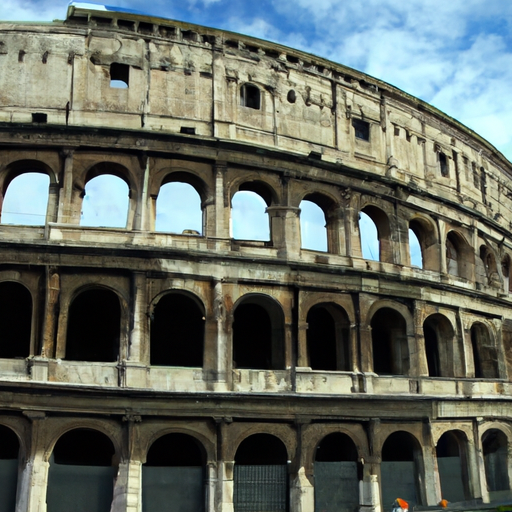
Imagine standing in Rome, the “Eternal City,” with the iconic Colosseum towering before you. Its ancient stones tell stories of gladiators and emperors, transporting you back to a time of grandeur and might. Just a short distance away lies the magnificent Vatican City, home to artistic masterpieces like the Sistine Chapel. But Rome isn’t just about the past; its vibrant streets and charming cafes pulse with modern energy. From there, venture to Venice, where you can glide through picturesque canals and immerse yourself in the enchanting world of the annual carnival. And let’s not forget Tuscany, with its rolling hills and world-renowned wines, or the breathtaking beauty of the Cinque Terre and Amalfi Coast. Italy is a country that weaves together history, nature, and gastronomy in a way that is truly unforgettable. So, if you’re dreaming of an Italian adventure, get ready to embark on a journey that will leave you with a tale worth telling.
History of the Colosseum
Construction and Purpose
The construction of the Colosseum, also known as the Flavian Amphitheatre, began in 70 AD under the emperor Vespasian and was completed in 80 AD by his successor Titus. The purpose of building this massive amphitheater was to provide a venue for public spectacles, including gladiatorial contests, animal hunts, and mock naval battles. It was a symbol of Rome’s power and a means of entertaining and controlling the populace.
Architecture and Design
The Colosseum is a marvel of ancient Roman engineering and architecture. It is elliptical in shape, with an outer wall made of travertine stone. The amphitheater measures 189 meters long, 156 meters wide, and stands 48 meters tall. It has four levels, with each level having a different architectural style. The lower level, made up of Doric columns, is the most solid, while the top level features Corinthian columns. The arena floor was made of wood and covered in sand for the events to take place.
Gladiatorial Games
Gladiatorial games were one of the most popular forms of entertainment in ancient Rome and a significant component of the Colosseum’s programming. Gladiators, often slaves or prisoners of war, fought against each other or wild animals in deadly battles. These spectacles were a way for the emperors to gain popularity and to assert their power over the people. The games were brutal and drew large crowds from all walks of life.
Decline and Restoration
As the Roman Empire declined, so too did the Colosseum. It was severely damaged by several earthquakes and natural disasters, and much of its marble and other valuable materials were looted over the centuries. The Colosseum was also repurposed for other uses, such as housing and workshops. In the 18th century, restoration efforts began to preserve the iconic structure, and it has since become one of Rome’s most visited tourist attractions.
Exploring the Colosseum
Tickets and Opening Hours
To explore the Colosseum, visitors can purchase tickets either online or at the entrance. It is advisable to buy tickets in advance, especially during peak tourist seasons, to avoid long queues. The Colosseum is open to visitors from 8:30 am until one hour before sunset.
Highlights to see
While exploring the Colosseum, there are several key highlights to see. The interior of the amphitheater provides a glimpse into its grandeur, with its impressive arches, seating areas, and underground chambers where gladiators and animals were kept. The arena floor, where the battles took place, is particularly fascinating.
Guided Tours
For a more in-depth experience of the Colosseum, guided tours are available. These tours are led by knowledgeable guides who provide historical context and insights into the significance of this iconic structure. They allow visitors to delve deeper into the history of the Colosseum and gain a better understanding of its cultural significance.
Tips for Visiting
When exploring the Colosseum, it is essential to wear comfortable shoes as there is a lot of walking involved. It is also advisable to carry a water bottle, as it can get quite hot during summer months. Additionally, be prepared for crowds, as the Colosseum is a popular tourist destination. To make the most of your visit, consider visiting early in the morning or later in the afternoon to avoid the peak hours.
The Roman Forum
Importance and Significance
The Roman Forum was the political, religious, and social center of ancient Rome. It was the heart of the city and the site of important public events, processions, and ceremonies. The Forum represented the power and influence of the Roman Empire and played a crucial role in shaping Western civilization.
Layout and Structures
The Roman Forum spans a vast area and consists of various structures and ruins. It was originally a marketplace but evolved to include temples, government buildings, and monuments. The layout of the Forum was intricate, with interconnected pathways and squares. Some of the key structures within the Forum include the Temple of Vesta, the Basilica Julia, and the Arch of Septimius Severus.
Key Attractions within the Forum
There are numerous key attractions to explore within the Roman Forum. The Arch of Titus, built to commemorate the emperor’s victory in Jerusalem, is a remarkable sight. The Temple of Saturn, dedicated to the Roman god of agriculture and wealth, is another notable structure. The ruins of the Curia, the Senate House, are of historical significance.
Archaeological Excavations
Archaeological excavations have been ongoing in the Roman Forum since the 18th century. These excavations have unearthed numerous artifacts, statues, and inscriptions, providing valuable insights into the daily life and politics of ancient Rome. Visitors can witness these ongoing excavations and witness the site’s continuous preservation and restoration efforts.
Visiting the Roman Forum
Tickets and Opening Hours
Visiting the Roman Forum requires a combined ticket that also grants access to the Colosseum and Palatine Hill. Similar to the Colosseum, it is advisable to purchase tickets in advance to avoid long lines. The Roman Forum is open from 8:30 am until one hour before sunset.
Navigating the Site
Navigating the Roman Forum can be a bit overwhelming due to its vast size and the number of ruins and structures. It is recommended to pick up a map or hire a guide to help navigate the site effectively. Taking the time to plan the visit and identify key points of interest can enhance the experience.
Points of Interest
While visiting the Roman Forum, several points of interest should not be missed. The Temple of Castor and Pollux, the House of the Vestals, and the Arch of Constantine are among the noteworthy attractions. The Via Sacra, the main road that runs through the Forum, offers a glimpse into ancient Roman life.
Guided Tours
Like the Colosseum, guided tours are available for the Roman Forum. These tours provide historical context and delve deeper into the significance of the site. A knowledgeable guide can bring the ruins to life and offer a more immersive experience.
Trivia and Interesting Facts
Colosseum as a Wonder of the World
The Colosseum is considered one of the New Seven Wonders of the World, a title granted by the New7Wonders Foundation in 2007. This prestigious designation recognizes the Colosseum’s historical and architectural significance and its enduring legacy as an emblem of ancient Rome.
Historical Events at the Colosseum
The Colosseum bore witness to numerous historical events during its heyday. The opening games, held in 80 AD, lasted for 100 days and were attended by over 50,000 spectators. It is said that over 9,000 animals were killed during those games. The Colosseum was also the site of the martyrdom of many early Christians, who were fed to wild animals for entertainment.
Film and Pop Culture References
The Colosseum has captured the imagination of filmmakers and has been featured in several movies, such as “Gladiator” starring Russell Crowe and “Roman Holiday” starring Audrey Hepburn and Gregory Peck. Its imposing structure and historical significance make it a popular setting for historical and adventure films.
Controversies Surrounding the Colosseum
The Colosseum has been the subject of several controversies throughout history. One such controversy revolves around the looting of the Colosseum’s stone and marble for various construction projects in Rome. Another controversy is the role of the Colosseum in propagating violence and the mistreatment of humans and animals. These concerns have sparked debates about the ethics of celebrating and preserving such a symbol of cruelty and oppression.
The Colosseum and Forum Today
Tourist Impact and Preservation Efforts
The Colosseum and Roman Forum have a significant tourist impact, attracting millions of visitors each year. The massive influx of tourists has placed a strain on these historic sites, necessitating preservation efforts. Authorities have implemented measures to mitigate the impact, such as crowd control and conservation projects to protect the structures from further deterioration.
Challenges and Future Plans
Preserving the Colosseum and Roman Forum poses numerous challenges. These challenges include funding for maintenance and restoration, managing the impact of tourism, and striking a balance between preservation and public access. Future plans include ongoing restoration work and incorporating new technologies to enhance visitors’ experience while protecting these iconic sites.
Activities and Events at the Colosseum and Forum
Apart from regular visits, the Colosseum and Roman Forum also host various activities and events. These include nighttime tours, concerts, and performances that utilize the amphitheater’s stunning acoustics. These events provide a unique way to experience these historic sites and offer visitors a chance to see them in a different light.
Nearby Attractions and Monuments
The Colosseum and Roman Forum are surrounded by other notable attractions and monuments. The Palatine Hill, the residence of emperors, offers panoramic views of Rome and archaeological treasures. The Capitoline Hill, with its museums and Michelangelo-designed piazza, is another must-see. Additionally, the nearby Arch of Constantine and Circus Maximus provide further insights into Roman history and culture.
Colosseum and Forum in Art and Literature
Depictions in Renaissance Art
The Colosseum and Roman Forum have been depicted in countless works of art throughout history. During the Renaissance, artists such as Piranesi and Canaletto captured the grandeur and architectural beauty of these structures. These artworks not only showcased the artistic talent of the era but also served as a reminder of Rome’s historical and cultural significance.
Influences on Modern Literature
The Colosseum and Roman Forum have influenced various works of literature, often serving as a backdrop for historical novels or stories set in ancient Rome. Their grandeur and historical significance evoke a sense of awe and intrigue that continues to inspire modern writers.
Colosseum and Forum in Popular Culture
The Colosseum and Roman Forum have permeated popular culture, appearing in films, books, and even video games. Their iconic status as symbols of ancient Rome and their association with gladiatorial combat and ancient history make them perennially fascinating to audiences worldwide.
Inspiration for Architecture and Design
The Colosseum and Roman Forum have also inspired architectural and design elements in various structures worldwide. Their grand scale, arches, and columns have been replicated in buildings ranging from government offices to stadiums. The enduring influence of their design and engineering can be seen in architectural landmarks across the globe.
Tips for Planning Your Visit
Best Time to Visit
To make the most of your visit to the Colosseum and Roman Forum, it is advisable to go during the offseason or early in the morning when the crowds are smaller. This allows for a more enjoyable and immersive experience, as you can take your time exploring without feeling rushed.
Avoiding Crowds
The Colosseum and Roman Forum can get extremely crowded, especially during peak tourist seasons. To avoid the crowds, consider visiting on a weekday rather than a weekend. Additionally, arrive early in the day or later in the afternoon to enjoy shorter lines and a more serene atmosphere.
Weather Considerations
Rome can be scorching in the summer months, so it is essential to dress appropriately and stay hydrated. Wearing lightweight clothing, a hat, and sunscreen can help protect against the heat. During cooler months, it is advisable to layer clothing as the weather can be unpredictable.
Recommended Tour Packages
If you want to make the most of your visit to the Colosseum and Roman Forum, consider booking a tour package that includes guided tours, skip-the-line access, and additional perks. These tour packages offer convenience and ensure a seamless experience, allowing you to focus on the historic sites without worrying about logistics.
Preserving Italy’s Cultural Heritage
Challenges in Conservation
Preserving Italy’s cultural heritage, including the Colosseum and Roman Forum, presents numerous challenges. These challenges include the effects of time, climate, pollution, and vandalism. The continuous maintenance and restoration efforts require substantial resources and expertise.
Role of Local Authorities and Organizations
Local authorities and organizations play a crucial role in the preservation of Italy’s cultural heritage. The Italian government, along with organizations such as the Italian Ministry of Culture and the Archaeological Superintendence of Rome, spearhead restoration and conservation projects. These entities work tirelessly to protect and promote Italy’s historic sites.
Collaborations with International Partners
Preserving Italy’s cultural heritage often involves collaborations with international partners. These collaborations bring together experts from different countries who share their knowledge and expertise to ensure the best preservation practices. International funding and support contribute to the long-term conservation efforts.
Sustainable Tourism Initiatives
Sustainable tourism initiatives are becoming increasingly important in preserving Italy’s cultural heritage. These initiatives aim to strike a balance between attracting tourists and minimizing the impact on historic sites. Measures such as crowd control, limiting the number of visitors, and promoting responsible tourism practices help mitigate the effects of mass tourism on these sensitive sites.
Conclusion and Final Thoughts
Unforgettable Memories at the Colosseum and Forum
Visiting the Colosseum and Roman Forum is an unforgettable experience that allows you to step back in time and witness the grandeur of ancient Rome. The sheer magnitude of these iconic sites leaves a lasting impression and creates memories that will stay with you forever.
Continuing Legacy of Ancient Rome
The Colosseum and Roman Forum embody the continuing legacy of ancient Rome. These structures stand as a testament to the architectural genius, engineering prowess, and cultural significance of a civilization that shaped the world. They serve as a reminder of the past and inspire awe and wonder in all who visit.
Encouragement to Experience the Wonders of Rome
If you have ever dreamed of exploring ancient history and immersing yourself in the wonders of Rome, I urge you to make that dream a reality. The Colosseum and Roman Forum, along with the countless other treasures Rome has to offer, await your arrival. Embark on a journey through time and immerse yourself in the heart and soul of Italy’s rich cultural heritage.
 English