
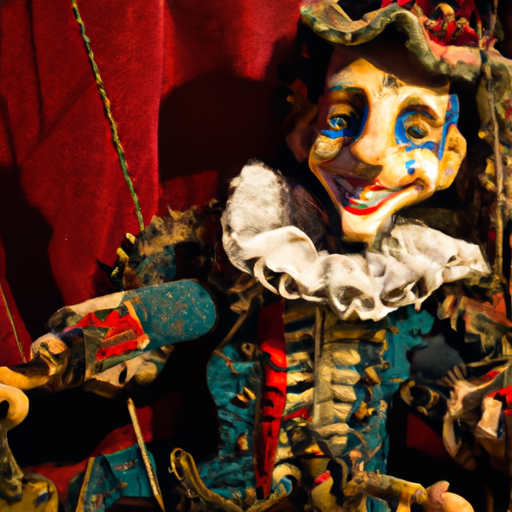
Now, let’s zoom in on one particular cultural gem of Sicily: the Sicilian Puppet Theaters. These traditional puppet shows, known as “Opera dei Pupi,” have been enchanting audiences for centuries with their colorful characters and tales of knights, princesses, and epic battles. The puppets, crafted with meticulous attention to detail, come to life in the hands of skilled puppeteers who skillfully maneuver them across the stage. This ancient form of entertainment offers a window into Sicily’s rich folklore and history, transporting you back to a time when these puppets were the main source of entertainment for children and adults alike. So, come along as we dive into the captivating world of Sicilian puppetry and discover the stories that have captivated generations.
Sicilian Puppet Theaters
Have you ever heard of Sicilian puppet theaters? These traditional puppet shows have been a cherished form of entertainment in Sicily for centuries. They are not your typical puppet shows, but rather a captivating and vibrant art form that brings together history, storytelling, and masterful puppetry.
Introduction to Sicilian Puppet Theaters
In Sicilian puppet theaters, skilled puppeteers manipulate intricate marionettes, bringing them to life with fluid movements and expressive gestures. These puppets, known as “pupi siciliani,” are made with meticulous attention to detail and craftsmanship. The performances are filled with drama, music, and even humor, captivating audiences of all ages.
History of Sicilian Puppet Theaters
The history of Sicilian puppet theaters can be traced back to the seventeenth century. These puppet shows were initially performed in the streets and marketplaces, entertaining the common people. Over time, the shows gained popularity and evolved into more elaborate productions, taking place in dedicated puppet theaters known as “teatru di pupi.”
Types of Puppets Used
Sicilian puppet theaters use two main types of puppets: the heroic knights and the wicked villains. The knight puppets represent legendary characters like Roland, the brave knight from the medieval epic “The Song of Roland.” These puppets are adorned with elaborate armor and costumes, capturing the spirit of chivalry. The villain puppets, such as the evil sorcerer Maganzu, are equally captivating, with menacing expressions and wicked attire.
Construction and Design of Puppets
The construction and design of Sicilian puppets are a marvel in themselves. The puppets are usually made from wood and stand about three feet tall. Each puppet is intricately carved, painted, and dressed in fine fabrics. Their movable limbs, operated by strings or rods, allow for a wide range of movements, making the puppets appear almost lifelike on stage.
Themes and Stories
Sicilian puppet theater performances often revolve around ancient tales of chivalry and heroic deeds. They bring to life stories from the medieval “chansons de geste” and the Renaissance epic poem “Orlando Furioso.” These performances transport audiences back in time, immersing them in a world of valiant knights, fierce battles, and noble quests.
The Puppeteers: Masters of the Art
The puppeteers, or “pupari,” are the masters behind the magic of Sicilian puppet theaters. They train for years to perfect their skills in manipulating the puppets, seamlessly coordinating their movements with the music and storytelling. The puppeteers have their own distinct voice for each character, lending a unique personality to the puppets. Their passion and dedication to this art form ensure that the tradition of Sicilian puppet theaters continues to thrive.
Traditional Performances and Venues
Traditional performances of Sicilian puppet theaters take place in dedicated puppet theaters across the island. These theaters, with their ornate interiors and intimate settings, create a perfect ambiance for the performances. The shows typically consist of a series of episodes, each lasting about 30 minutes. Audiences are enthralled as the puppets engage in epic battles, rescue damsel in distress, and embark on heroic quests.
Music and Accompaniment
Music plays a vital role in Sicilian puppet theater performances. The puppet shows are accompanied by a traditional orchestra known as “liuti,” which consists of various instruments such as guitar, tambourine, and accordion. The music sets the mood, heightens the emotions, and seamlessly blends with the actions of the puppets, enhancing the overall theatrical experience.
Influence and Legacy
Sicilian puppet theaters have had a significant influence on the cultural heritage of Sicily. They have not only entertained generations of Sicilians but have also influenced other art forms, such as literature and cinema. The stories performed in puppet theaters have inspired writers and filmmakers to create their own adaptations, ensuring that the legacy of the puppet theaters lives on beyond the stage.
Revitalization and Modern Perspectives
In recent years, there has been a concerted effort to revitalize and preserve the art of Sicilian puppet theaters. Various initiatives have been undertaken to ensure that this ancient tradition continues to thrive in the modern world. Puppet theaters host workshops, educational programs, and exhibitions to introduce young people to the art form and encourage them to become the puppeteers of the future. With these efforts, Sicilian puppet theaters are finding a new audience and ensuring that the legend of the pupi siciliani lives on for generations to come.
Sicilian puppet theaters offer a unique and captivating experience that combines history, theater, and art. If you ever find yourself in Sicily, be sure to immerse yourself in the enchanting world of Sicilian puppet theaters. It’s an experience that will transport you to a bygone era and leave you with memories that will last a lifetime.
 English