
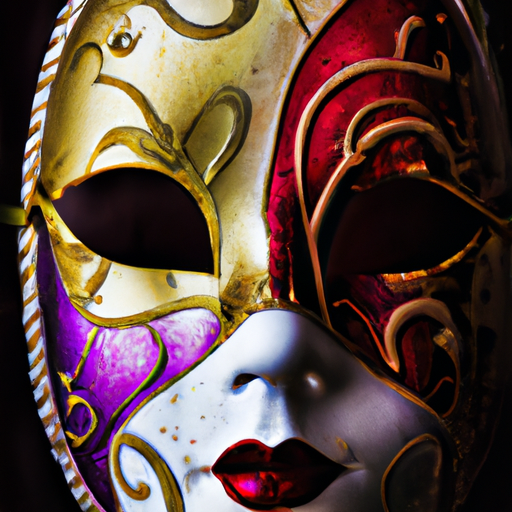
Immerse yourself in the colorful and enchanting world of the carnival masks of Venice. These intricately designed masks have been an integral part of Venice’s annual carnival, captivating the hearts and imaginations of locals and visitors alike for centuries. From traditional designs like the iconic Medico della Peste to elaborate, handcrafted works of art, each mask tells a story and hides a multitude of mysteries. Take a step into the magical world of Venice’s carnival and discover the secrets behind the masks that bring the city to life during this extraordinary celebration.
History of Carnival Masks in Venice
Origins of Carnival
The origins of the Venetian Carnival can be traced back to as early as the 12th century. Initially, the festival served as a celebration of the end of winter and the start of spring, but it soon evolved into a period of revelry and indulgence before the Christian season of Lent. The word “carnival” itself comes from the Latin word “carnevale,” which means “farewell to meat.” During this time, restrictions on food and activities were lifted, and people took the opportunity to engage in various forms of entertainment and merrymaking.
Evolution of Carnival Masks
Masks have always played a prominent role in the Carnival of Venice. In the beginning, masks were worn primarily to conceal one’s identity and social status, allowing people from all walks of life to mingle and participate in activities without fear of judgment or consequence. As the centuries passed, the masks became more elaborate and extravagant, evolving into a form of artistry and self-expression. They became symbols of freedom, enabling individuals to adopt different personas and escape the constraints of their daily lives.
Significance of Masks in Carnival
The masks of the Venetian Carnival hold deep significance and meaning. They represent a form of anonymity that allows people to shed their inhibitions and freely express themselves. Additionally, masks serve as a symbol of rebellion against societal norms and expectations. During Carnival, the divisions of social class and status are temporarily erased, leading to a sense of unity and equality. Masks also represent the element of mystery and intrigue, adding an air of excitement and anticipation to the festivities.
Types of Carnival Masks
Bauta
One of the most iconic masks of the Venetian Carnival, the Bauta mask, is recognized for its distinct design. The mask covers the entire face and features a square chin, a prominent nose, and no mouth opening. It is often worn with a black hat and a cloak, making the wearer completely unrecognizable. The Bauta mask was historically favored by aristocrats as it allowed them to participate in activities incognito.
Colombina
The Colombina mask is a smaller, half-face mask that is often adorned with, feathers, sequins, and other decorative elements. It is typically worn by women and is known for its delicate and elegant design. The Colombina mask is ideal for those who desire a more refined look while still maintaining an air of mystery.
Arlecchino
Arlecchino, or the Harlequin mask, is associated with the comedic character from the Italian theater tradition of commedia dell’arte. The mask features a patchwork design with various colors and patterns, reflecting the playful and mischievous nature of the character. Arlecchino masks are often paired with colorful costumes and are a popular choice for those looking to embrace a whimsical persona.
Medico della Peste
The Medico della Peste, or Plague Doctor mask, is perhaps one of the most recognizable and eerie masks of the Venetian Carnival. Inspired by the physicians who treated plague victims in the 17th century, the mask features a long beak-like nose, round eyeholes, and a solemn expression. It serves as a reminder of the grim realities of the past while adding an element of intrigue and mystique to the Carnival festivities.
Moretta
The Moretta mask, also known as the Muta mask, is a distinctive oval-shaped mask that covers the entire face, leaving only the wearer’s eyes visible. It was traditionally worn by women and was held in place by the wearer biting on a button on the inside of the mask. The Moretta mask is a symbol of elegance and femininity, and its simplicity allows the wearer’s beauty and expressions to shine through.
Gatto
The Gatto mask, meaning “cat” in Italian, takes inspiration from the feline world. The mask features cat-like characteristics such as pointy ears, whiskers, and an elongated nose. It is often crafted from lightweight materials and is known for its playful and captivating design. The Gatto mask is a popular choice for those who wish to embrace their inner feline and exude an aura of grace and sensuality.
Volto
The Volto mask, also known as the Larva or Larve mask, is a full-face mask that features a blank expression. It is the epitome of anonymity and allows the wearer to become a blank canvas. The lack of facial features allows for individual interpretation and unencumbered expression, making the Volto mask a popular choice for those who want to create their own persona during the Carnival celebrations.
Larva
Similar to the Volto mask, the Larva mask also covers the entire face. However, unlike the Volto mask, the Larva mask features exaggerated facial features, such as an elongated nose, high cheekbones, and a wide smile. The Larva mask is often adorned with intricate details and vibrant colors, capturing the essence of extravagance and theatricality of the Carnival festivities.
Pantalone
The Pantalone mask is inspired by the character from the traditional Italian theater of commedia dell’arte. The mask features a long, hooked nose, a pointed goatee, and a wrinkled forehead. Pantalone is usually depicted as an old and miserly Venetian merchant and serves as a satirical representation of the upper class. The mask embodies the spirit of wit and satire, making it a popular choice for those who wish to express a sense of humor and irony during Carnival.
Jolly
The Jolly mask, also known as the Joker mask, is a modern interpretation that combines elements of various traditional masks. It often features colorful patterns, asymmetrical designs, and exaggerated facial expressions. The Jolly mask represents the chaotic and unpredictable nature of life and adds a touch of whimsy and spontaneity to the Carnival festivities.
Materials Used in Making Carnival Masks
Paper Mache
Paper mache, a lightweight and versatile material, is commonly used in the creation of Carnival masks. Artisans use a mixture of paper pulp, glue, and water to mold and shape the masks. Paper mache masks are known for their durability and intricacy, allowing for elaborate designs and fine details.
Leather
Leather masks are crafted from genuine or synthetic leather and are favored for their durability and flexibility. Artisans use various techniques such as molding, tooling, and painting to create intricate patterns and textures on the masks. Leather masks are often embellished with feathers, ribbons, and other decorative elements to enhance their visual appeal.
Glass
Glass masks, also known as Venetian glass masks, are crafted from delicate blown glass. Skilled glassblowers use their expertise to shape and mold the molten glass into intricate mask designs. Venetian glass masks are known for their exquisite beauty and vibrant colors, making them highly sought-after collector’s items.
Fabric
Fabric masks are created using various textiles such as silk, lace, and brocade. These masks are often adorned with embroidery, beading, and appliqué to add texture and elegance. Fabric masks offer a wide range of design possibilities, allowing artisans to create masks that are soft, comfortable, and visually stunning.
Feathers
Feathers are a popular embellishment used in Carnival masks to add texture, movement, and visual interest. Peacock feathers, ostrich feathers, and pheasant feathers are commonly used to create elaborate and eye-catching designs. Feathers can be attached to the mask itself or used to create decorative headdresses or accents.
Gold Leaf
Gold leaf is a luxurious material often used to adorn Venetian Carnival masks. Thin sheets of gold are applied to the mask’s surface, adding a lustrous and opulent sheen. Gold leaf masks are highly prized for their elegant and regal appearance, symbolizing wealth and prestige.
Swarovski Crystals
Swarovski crystals, known for their dazzling brilliance, are often used to embellish Carnival masks. These high-quality crystals are carefully applied to the mask’s surface, creating a sparkling and captivating effect. Swarovski crystal masks are favored by those who seek a touch of glamour and extravagance.
Jewelry
Jewelry elements such as gemstones, pearls, and rhinestones are frequently incorporated into Carnival masks to add a touch of luxury and sophistication. Artisans may use rings, earrings, or pendants to create focal points or decorative accents on the mask. Jewelry embellishments enhance the mask’s overall aesthetic and create a sense of opulence.
Paint
Paint is an essential component in the creation of Carnival masks, as it allows for the application of intricate designs and vibrant colors. Artisans use a variety of painting techniques, such as airbrushing, hand-painting, and stenciling, to create unique and visually striking masks. Paint adds depth, dimension, and character to the masks, bringing them to life.
Ribbons and Lace
Ribbons and lace are commonly used to add a delicate and feminine touch to Carnival masks. They may be used as decorative trim or to create intricate patterns and designs. Ribbons and lace can be woven into the mask’s structure or used to create elaborate headdresses or ties, allowing for versatility and customization.
Symbolism and Meanings of Carnival Masks
Anonymity and Freedom of Expression
One of the primary symbolism of Carnival masks is anonymity. By concealing their identity behind a mask, individuals are given the freedom to express themselves without the fear of judgment or consequence. The mask becomes a vessel for the wearer to explore different aspects of their personality and engage in activities they may not normally partake in.
Social Class and Masquerade
Carnival masks also serve as a symbol of the temporary suspension of social hierarchies. During the Carnival festivities, individuals from all social classes are able to mingle and interact on equal footing. The masks create a sense of unity and equality, as they obscure one’s status, allowing for genuine connections to be formed.
Fantasy and Escape
Masks provide a means of escape from reality, allowing individuals to step into a world of fantasy and imagination. By donning a mask, participants can become someone entirely different, embodying characters from myth, literature, or their own creation. The ability to transcend the boundaries of everyday life is a cherished aspect of Carnival.
Role-Playing and Transformation
Carnival masks offer a unique opportunity for role-playing and transformation. Through the adoption of a different persona, individuals can explore different facets of themselves or experiment with new identities. The masks enable wearers to temporarily shed their inhibitions and embrace their desires, whether it be mischief, sensuality, or humor.
Traditions and Superstitions
The wearing of masks during Carnival is steeped in tradition and carries with it a sense of superstition. It is believed that by wearing a mask, individuals can ward off evil spirits and bad luck. Masks also have ties to ancient rituals and ceremonies, symbolizing the transition between seasons, the cycle of life, and the eternal struggle between light and dark.
The Venetian Carnival
Celebration Dates
The Venetian Carnival typically begins two weeks before Ash Wednesday and concludes on Shrove Tuesday, also known as Fat Tuesday or Mardi Gras. The exact dates vary each year, as they are determined by the Easter calendar. During this period, the city of Venice comes alive with a myriad of festivities, parades, and parties.
Parades and Events
One of the highlights of the Venetian Carnival is the array of parades and events that take place throughout the city. Colorful processions wind their way through the narrow streets, showcasing elaborate costumes and masks. Participants often wear period costumes, paying homage to the rich history and cultural heritage of Venice. The parades are accompanied by music, dance, and performances, creating a vibrant and lively atmosphere.
Masked Balls and Parties
Masked balls and parties are a quintessential part of the Venetian Carnival experience. These glamorous events take place in grand palaces and historic buildings, offering attendees the opportunity to dance the night away in opulent surroundings. The wearing of masks adds an air of mystery and allure to the festivities, as participants revel in the guise of their chosen persona.
Traditional Costumes
In addition to masks, traditional costumes play a significant role in the Venetian Carnival. Participants often dress in period attire, wearing garments inspired by the Renaissance era. Women may don elegant gowns adorned with lace and jewels, while men opt for velvet suits and capes. The costumes add to the overall spectacle and create a visually stunning display of Venetian heritage and fashion.
Mask-Making Workshops
During the Venetian Carnival, numerous mask-making workshops and demonstrations take place throughout the city. These workshops offer visitors the opportunity to learn about the art of mask-making and even try their hand at creating their own mask. Skilled artisans share their techniques, secrets, and stories, enriching the cultural experience of the Carnival.
Famous Carnival Mask Designs
The Medico della Peste Mask
The Medico della Peste mask, or Plague Doctor mask, is one of the most iconic and recognizable designs of the Venetian Carnival. Its eerie appearance with a long beak-like nose and round eyeholes evokes a sense of mystery and intrigue. The Plague Doctor mask serves as a reminder of the stark realities of the past, adding a haunting element to the Carnival festivities.
The Moretta Mask
The Moretta mask, also known as the Muta mask, is characterized by its oval shape and face-covering design. The mask is held in place by biting on a button on the inside, rendering the wearer mute. The Moretta mask is a symbol of elegance and femininity, often worn by women during the Carnival. Its simplicity allows the beauty and expressions of the wearer to shine through, making it a timeless and cherished design.
The Volto Mask
The Volto mask, also known as the Larva mask, is a full-face mask that features a blank expression. Its lack of facial features allows for individual interpretation and unencumbered expression. The Volto mask represents anonymity and offers a blank canvas for wearers to create their own persona and immerse themselves in the Carnival spirit.
The Bauta Mask
The Bauta mask is one of the oldest and most iconic designs of Venetian Carnival masks. It covers the entire face, featuring a square chin, a prominent nose, and no mouth opening. The Bauta mask was historically favored by aristocrats as it allowed them to participate in activities incognito and freely express themselves without fear of repercussions. It embodies the essence of the Carnival spirit and remains a symbol of rebellion and freedom.
The Colombina Mask
The Colombina mask, with its delicate and elegant design, is often associated with the ladies of the Venetian Carnival. This half-face mask is adorned with feathers, sequins, and other decorative elements, adding a touch of grace and allure. The Colombina mask allows wearers to maintain an air of mystery while embracing their feminine side, making it a popular choice for those seeking a refined and captivating look.
Contemporary Use of Carnival Masks
Carnivals in other Cities
While the Venetian Carnival remains the most renowned and prestigious celebration, the tradition of wearing masks during Carnival has spread to other cities and countries. Numerous cities worldwide now host their own Carnival festivities, complete with masks, costumes, parades, and parties. These celebrations offer a unique glimpse into the rich cultural heritage of each region while embracing the spirit of joy, merriment, and self-expression.
Film and Theatre Productions
The allure of Carnival masks extends beyond the realm of traditional celebrations. Masks continue to captivate audiences in film and theater productions. They add an element of mystery and intrigue to characters and storylines, enabling actors to fully immerse themselves in their roles. The transformative power of masks allows for the creation of captivating narratives and memorable performances.
Fashion and Design
Carnival masks have also found their place in the realm of fashion and design. Designers draw inspiration from the intricate craftsmanship and vibrant designs of Venetian masks to create unique and striking pieces. Masks become wearable works of art, often showcased in high-fashion runway shows and creative collaborations. By merging the worlds of fashion and Carnival, designers pay homage to the rich cultural history and artistic traditions associated with the masks.
Art Exhibitions
The artistic beauty and cultural significance of Carnival masks have led to their inclusion in various art exhibitions around the world. These exhibitions showcase the craftsmanship, historical context, and symbolic meanings behind the masks. They provide an opportunity for artists and viewers alike to engage with the masks on a deeper level, appreciating them not just as decorative objects but as powerful representations of identity, tradition, and artistry.
Collectors and Enthusiasts
Carnival masks have garnered a dedicated following of collectors and enthusiasts who appreciate their historical value, cultural significance, and artistic merit. These individuals actively seek out masks from various periods and regions, creating private collections that serve as a testament to the enduring allure of the masks. Collectors and enthusiasts play a crucial role in preserving the craftsmanship and traditions associated with Carnival masks, ensuring their legacy for generations to come.
Preservation and Promoting Carnival Masks
Cultural Associations and Organizations
Various cultural associations and organizations have been established to preserve and promote the art of mask-making and the traditions of the Venetian Carnival. These groups work to safeguard the cultural heritage of Carnival masks through educational programs, workshops, exhibitions, and collaborations with artisans and mask-makers. They strive to ensure that the artistry and craftsmanship associated with the masks are perpetuated and appreciated.
Museums and Exhibitions
Museums dedicated to Carnival masks have been established, offering visitors a unique opportunity to explore the history, symbolism, and craftsmanship of the masks. These museums showcase a diverse range of masks, from traditional designs to contemporary interpretations. Exhibitions often include interactive displays, workshops, and demonstrations, allowing visitors to immerse themselves in the world of Carnival masks and gain a deeper understanding of their cultural significance.
Artisans and Mask-Makers
Skilled artisans and mask-makers play a pivotal role in the preservation and promotion of Carnival masks. These craftsmen and women dedicate themselves to honing their skills and perpetuating the traditions associated with mask-making. They create masks using traditional techniques and materials, ensuring the continuity of craftsmanship and attention to detail. By supporting these artisans and mask-makers, individuals contribute to the preservation of this cherished art form.
Educational Programs
Educational programs are instrumental in fostering an appreciation for Carnival masks among younger generations. Schools and cultural institutions offer workshops and courses that teach the history, symbolism, and techniques of mask-making. These programs encourage creativity, cultural exchange, and a deeper understanding of the importance of preserving traditions. By imparting knowledge and skills, educational programs help ensure that the art of Carnival masks continues to thrive.
Tourism and Souvenirs
Tourism plays a significant role in the preservation and promotion of Carnival masks. The allure of the Venetian Carnival attracts visitors from around the world, providing a boost to the local economy and supporting artisans and mask-makers. Additionally, the demand for Carnival masks as souvenirs allows visitors to bring home a piece of the festivities and serves as a reminder of the cultural richness and artistic heritage of Venice.
The Magic of Carnival Masks
Intricate Craftsmanship
Carnival masks are a testament to the intricacy and skill of skilled artisans. From the sculpting and molding of the base to the painting and embellishment of the design, the creation of a Carnival mask requires a deep understanding of materials and techniques. The craftsmanship involved in making these masks is a true art form that captures the imagination and attention of all who behold them.
Expression and Emotion
Masks have the power to convey a wide range of emotions and expressions. While they may conceal the wearer’s identity, they also provide a canvas for the unrestricted display of emotion and personality. The wearer’s movements, body language, and the subtle nuances of their eyes become even more pronounced when framed by a mask, creating a heightened sense of drama and intrigue.
A Portal to a Different Time
Carnival masks transport wearers and viewers to a bygone era, allowing them to step into the shoes of those who once celebrated the Venetian Carnival. The rich history and cultural significance associated with the masks provide a link to the past, offering a glimpse into the lives and traditions of earlier generations. Carnival masks are a portal to a different time, providing a tangible connection to centuries of tradition and celebration.
Transcending Boundaries
Carnival masks transcend boundaries of culture, language, and social class. They are a universal form of self-expression that speaks to the inherent desire for freedom, creativity, and connection. The masks enable wearers and participants to transcend the limitations of their everyday lives and embrace a sense of liberation and unity. Through the medium of Carnival masks, people from all walks of life can come together and revel in the joy and spirit of the festivities.
The Power of Tradition
Carnival masks uphold and celebrate the power of tradition. They symbolize the preservation of cultural heritage, artistic craftsmanship, and the boundless creativity of the human spirit. The continued appreciation and celebration of Carnival masks ensure that these traditions remain relevant and cherished. By embracing the power of tradition, we pay homage to the generations who came before us and ensure that their legacy lives on.
Conclusion
Carnival masks have long been regarded as cultural icons, representing the spirit of freedom, expression, and celebration. The Venetian Carnival, with its centuries-old tradition of mask-wearing, continues to captivate and enchant people from around the world. The allure of these masks lies not only in their intricate craftsmanship and elaborate designs but also in the deeper meanings they hold. Masks offer individuals a temporary escape from reality, allowing them to explore different facets of their personality and embrace a sense of anonymity and liberation. From the streets of Venice to the stages of theaters and the runways of fashion shows, Carnival masks leave a lasting impression, transcending boundaries and fostering a sense of unity and connection. The fascination with Venice’s Carnival and the magic of Carnival masks are enduring, reminding us of the power of tradition and the joy of celebration. So, whether you find yourself in the midst of the Venetian Carnival or appreciate the beauty of Carnival masks from afar, let their allure captivate and inspire you.
 English