
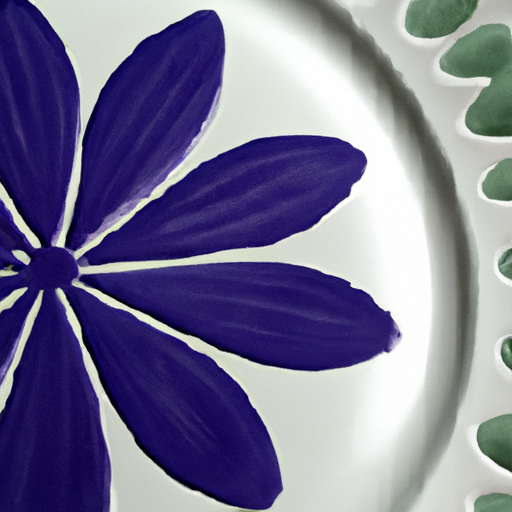
Now, let’s take a closer look at one of Italy’s hidden artistic gems: the ceramics of Deruta. Nestled in the heart of Umbria, this small town has been producing exquisite hand-painted pottery for centuries. From stunning plates and bowls to intricate vases and tiles, the craftsmanship and attention to detail in every piece are truly remarkable. The designs, as colorful as the Italian countryside itself, reflect the rich heritage and traditions of the region. So, join me as we explore the captivating world of Deruta ceramics and discover the beauty that lies within each brushstroke.
Deruta: A Hub of Ceramic Artistry
Nestled in the heart of Italy, the town of Deruta has long been renowned for its exquisite ceramics. With a rich history dating back centuries, Deruta has become a hub of ceramic artistry, attracting visitors from around the world. From the traditional techniques employed by skilled artisans to the vibrant designs and patterns that adorn the ceramics, Deruta ceramics hold a significant place in Italian culture and heritage. In this comprehensive article, we will explore the history, making, designs, cultural significance, and the impact of Deruta ceramics, as well as provide tips for collecting and appreciating these treasured art pieces. Whether you’re an art enthusiast, a collector, or simply someone who appreciates the beauty of craftsmanship, join us on a journey through the world of Deruta ceramics.
A Brief History of Deruta
To truly understand the significance of Deruta ceramics, we must delve into its fascinating history. Deruta’s ceramic tradition dates back to the Middle Ages when the town became a center of ceramic production. The skills and techniques passed down through generations shaped the unique ceramic tradition that Deruta is known for today. The town’s ceramics gained prominence during the Renaissance, when artists and nobility alike sought after these exquisite art pieces. The quality and craftsmanship of Deruta ceramics attracted the attention of the Medici family, who played a pivotal role in supporting and promoting the art form. Today, the legacy of Deruta’s ceramic heritage continues to thrive, with artisans preserving the traditional techniques and creating new designs that showcase the timeless beauty of this art form.
Deruta’s Unique Ceramic Tradition
What sets Deruta ceramics apart from others is its distinctive style and craftsmanship. The town is renowned for its mastery of the majolica technique, a type of tin-glazed earthenware that originated in the Islamic world and was brought to Italy during the Renaissance. Deruta ceramics are characterized by their vibrant colors, intricate designs, and a glossy finish achieved through the application of multiple layers of glaze. The artisans of Deruta skillfully hand-paint each piece, showcasing their attention to detail and artistic flair. The combination of traditional techniques and the artistic vision of the artisans contribute to the uniqueness of Deruta ceramics, making them highly sought after by collectors and art enthusiasts worldwide.
The Significance of Deruta Ceramics
Deruta ceramics hold great cultural and historical significance in the region and beyond. These art pieces are not just décor; they represent a tangible connection to Italy’s rich artistic heritage. Deruta ceramics serve as a symbol of Italian tradition and craftsmanship, carrying with them the legacy of centuries-old techniques passed down through generations. In the past, they played a prominent role in Italian Renaissance culture, gracing the palaces and homes of nobility. Today, they continue to be treasured for their timeless beauty and are found in museums, private collections, and homes around the world. The enduring popularity of Deruta ceramics is a testament to their lasting impact on the art world and their ability to captivate audiences across generations.
The Making of Deruta Ceramics
Traditional Techniques of Deruta Ceramics
The creation of Deruta ceramics is a labor-intensive process that combines traditional techniques with artistic craftsmanship. It begins with the preparation of the clay, which is sourced locally and meticulously cleaned to remove impurities. The clay is then shaped into various forms, such as plates, vases, and bowls, using a potter’s wheel or hand-building techniques. Once the pieces are shaped, they are left to dry partially before being fired in a kiln. This initial firing, known as the bisque firing, gives the ceramics their initial strength.
After the bisque firing, the artisans begin the painting process. Using natural pigments mixed with water, they hand-paint intricate designs onto the surface of the ceramics. The designs can range from traditional motifs to more contemporary patterns, each reflecting the artistic vision of the individual artisan. Once the painting is complete, the ceramics undergo a second firing in the kiln, known as the glaze firing. This firing process fuses the glaze with the painted designs, resulting in the glossy, vibrant finish that Deruta ceramics are famous for.
The Role of Artisans in the Ceramic Making Process
Artisans play a crucial role in the creation of Deruta ceramics. Their skill, expertise, and artistic vision are essential in bringing these art pieces to life. The knowledge and techniques required to produce Deruta ceramics have been passed down through generations, with each artisan adding their unique touch to the craft. The artisans possess an intimate understanding of the materials and processes involved, allowing them to create ceramics that are not only visually stunning but also durable and functional. Their dedication to preserving the traditional techniques while also embracing innovation ensures that the legacy of Deruta ceramics continues to thrive.
Materials and Tools Used in Deruta Ceramics
Deruta ceramics are crafted using high-quality materials and traditional tools that have been perfected over centuries. The primary material used is locally sourced clay, known for its plasticity and ability to withstand high temperatures. The clay is meticulously processed to remove impurities, resulting in a smooth and workable material. Natural pigments derived from minerals, plants, and other organic sources are used to create the vibrant colors seen in Deruta ceramics. These pigments are mixed with water to create a paint-like consistency that allows for precise brushwork. The intricate designs are hand-painted using fine brushes made from natural fibers such as squirrel hair or synthetic alternatives.
In addition to these basic materials, glazes are an essential component of Deruta ceramics. The glazes not only give the ceramics their glossy finish but also protect them from wear and tear. The glazes are typically lead-based, ensuring their durability and resistance to chipping. However, due to concerns over lead toxicity, there has been a shift towards the use of lead-free glazes in recent years. This transition reflects a commitment to both preserving the tradition of Deruta ceramics and adapting to meet modern safety standards.
Designs and Patterns of Deruta Ceramics
Majolica: The Signature Style of Deruta
Deruta ceramics are synonymous with the majolica technique, which has been at the heart of the town’s ceramic tradition for centuries. Majolica is a type of tin-glazed earthenware characterized by its lustrous glaze and decorative paintings on a white background. The bright and bold colors, intricate patterns, and vibrant motifs are the hallmarks of Deruta’s majolica style. The artisans of Deruta draw inspiration from nature, mythology, and historical references, infusing their pieces with a sense of storytelling and symbolism. Whether it’s a depiction of a delicate floral motif, a scene from an ancient legend, or a reinterpretation of a Renaissance masterpiece, each design tells a story and adds depth and character to the ceramics.
Traditional Deruta Designs and Motifs
Deruta ceramics are celebrated for their rich repertoire of traditional designs and motifs. These motifs draw inspiration from various sources, such as the natural world, Renaissance art, and historical symbolism. Some of the most popular traditional designs include the Raffaellesco, a pattern inspired by Raphael’s work; the Ricco Deruta, featuring intricate geometrical patterns; and the Arabesque, characterized by delicate peacock feathers and floral motifs. These designs not only showcase the skill and artistry of the artisans but also reflect the historical and cultural influences that have shaped Deruta’s ceramic tradition.
Innovation and Contemporary Influences in Deruta Ceramics
While tradition holds a significant place in Deruta’s ceramic heritage, there is also room for innovation and contemporary influences. As the world changes, so too does the art of ceramics. Deruta artisans have embraced new materials, techniques, and aesthetics, resulting in a fusion of the old and the new. Contemporary designs may feature abstract patterns, bold color choices, or experimental shapes, reflecting the evolving tastes and preferences of modern collectors. These innovations showcase the versatility of Deruta ceramics and their ability to adapt to changing times while still honoring the town’s rich artistic legacy.
The Cultural Heritage of Deruta Ceramics
Deruta Ceramics as a Symbol of Italian Tradition
Deruta ceramics have long been regarded as quintessentially Italian, symbolizing the country’s artistic heritage and cultural traditions. The art of ceramics holds a special place in Italian history, and Deruta’s contribution to this art form is highly regarded. The ceramics produced in Deruta are a testament to the skill, craftsmanship, and attention to detail that are deeply ingrained in Italian artistic traditions. They embody the essence of Italian art, capturing the spirit of creativity, beauty, and passion. By incorporating traditional designs and techniques, Deruta ceramics pay homage to the past while also playing a vital role in preserving Italian cultural heritage for future generations to appreciate and admire.
Deruta Ceramics in the Renaissance Era
The Renaissance era marked a significant period of artistic and cultural flourishing in Italy, and Deruta ceramics played a crucial role in this movement. During this time, Italy became a center of artistic innovation and patronage, with wealthy families and the Catholic Church commissioning art to showcase their wealth and power. Deruta ceramics caught the attention of prominent patrons, including the Medici family, who recognized the quality and beauty of these art pieces. The popularity of Deruta ceramics soared, with demand coming not only from Italy but also from across Europe. The Renaissance period witnessed a fusion of creativity, with artists drawing inspiration from classical antiquity and nature, creating extraordinary designs that continue to captivate audiences today.
Deruta Ceramics in Modern Italy
In modern Italy, Deruta ceramics continue to hold a special place in the hearts of Italians and have become iconic symbols of Italian artistry and craftsmanship. These ceramics serve as reminders of Italy’s rich cultural and artistic history, inviting locals and tourists alike to appreciate the beauty and intricacy of the craft. Deruta ceramics can be found in Italian homes, hotels, and restaurants, adorning tabletops and walls with their vibrant colors and stunning designs. In many villages and towns across Italy, ceramic festivals and exhibitions showcase the work of Deruta’s artisans, celebrating their contributions to the country’s artistic legacy. The cultural significance of Deruta ceramics is not confined to Italy alone; they have gained recognition and appreciation worldwide, with collectors and enthusiasts seeking out these cherished art pieces as a testament to their own appreciation of fine craftsmanship.
Collecting and Appreciating Deruta Ceramics
Tips for Collecting Authentic Deruta Ceramics
For collectors, acquiring authentic Deruta ceramics can be a rewarding and enriching experience. Here are a few tips to help you navigate the world of collecting these treasured art pieces:
Research and Educate Yourself: Before embarking on your collection journey, take the time to learn about the history, techniques, and designs that characterize Deruta ceramics. Familiarize yourself with the traditional motifs and patterns to distinguish authentic pieces from imitations.
Seek Reputable Sources: Purchase Deruta ceramics from reputable sources, such as established galleries, renowned artisans, or trusted collectors. Ensure that the pieces come with proper documentation and certification to guarantee their authenticity.
Examine the Quality: Inspect the craftsmanship and quality of the ceramics. Look for even brushstrokes, crisp designs, and a glossy, flawless finish. Authentic Deruta ceramics should exhibit attention to detail and a high level of artistry.
Consider the Context: Carefully consider the historical context of the piece you are interested in. Some designs and motifs are associated with specific periods or artists, and understanding their significance adds depth to your collection.
Appreciate the Uniqueness: Deruta ceramics are handmade, and each piece is unique. Embrace the individuality and charm of these art pieces, knowing that no two are exactly alike.
Understanding the Value of Deruta Ceramics
Deruta ceramics hold both intrinsic and market value, making them highly desirable to collectors and art enthusiasts. The value of these ceramics is influenced by various factors, including the craftsmanship, rarity, historical significance, and the reputation of the artist. Pieces created by master artisans or those associated with renowned workshops often command higher prices. Antique or vintage ceramics that showcase exceptional design and excellent condition are highly sought after by collectors. Additionally, the cultural significance of Deruta ceramics contributes to their value, as they are considered an essential part of Italy’s artistic heritage. When collecting or assessing the value of Deruta ceramics, it’s essential to consider both the artistic and cultural aspects, allowing you to fully appreciate the art form and its worth.
Displaying and Caring for Deruta Ceramics
Displaying your collection of Deruta ceramics is an opportunity to showcase their beauty and inject your living space with artistic flair. Here are a few tips for displaying and caring for these exquisite art pieces:
Create a Display Area: Dedicate a space in your home where you can showcase your Deruta ceramics. This could be a shelf, a cabinet, or a wall-mounted display. Choose a location that allows the pieces to be visible and appreciated.
Consider Lighting: Proper lighting can enhance the visual impact of Deruta ceramics. Soft, ambient lighting or spotlighting can bring out the colors, details, and gloss of the ceramics, creating a captivating display.
Handle with Care: Deruta ceramics are delicate, and proper handling is essential to prevent damage. When moving or cleaning the ceramics, handle them with clean hands and use gentle, non-abrasive materials to avoid scratching or chipping.
Avoid Direct Sunlight: Prolonged exposure to direct sunlight can cause colors to fade and glazes to degrade. Place your ceramics away from windows or use UV-protective coatings on windows to minimize the harmful effects of sunlight.
Regular Cleaning: Dust your Deruta ceramics regularly using a soft, dry cloth to keep them looking their best. Avoid using harsh cleaning agents or abrasive materials that can damage the glaze or paint.
By following these guidelines, you can ensure that your collection of Deruta ceramics remains a cherished display for years to come.
Visiting Deruta: A Ceramics Lover’s Guide
For ceramics enthusiasts, a trip to Deruta is an opportunity to immerse oneself in the world of this timeless art form. Here are a few highlights of what you can experience in Deruta:
Exploring the Ceramic Workshops of Deruta
Deruta is home to numerous ceramic workshops, where artisans continue the tradition of their craft. Consider visiting these workshops to witness the artisans in action, gaining insight into their techniques and creative process. Many workshops offer guided tours and demonstrations, allowing visitors to see firsthand the skill and precision that goes into creating Deruta ceramics. You may even have the chance to try your hand at painting your own ceramic masterpiece under the guidance of an experienced artisan.
Visiting the Ceramic Museum of Deruta
To delve deeper into the history and cultural significance of Deruta ceramics, a visit to the Ceramic Museum of Deruta is a must. The museum houses a vast collection of ceramics dating back centuries, showcasing the evolution of the art form over time. From ancient pieces to contemporary designs, the museum provides a comprehensive overview of Deruta’s ceramic heritage. Guided tours are available to enrich your understanding of the ceramics on display, offering valuable insights into the craftsmanship and historical context of these art pieces.
Participating in Ceramic Workshops and Classes in Deruta
For those looking to develop their own ceramic skills, Deruta offers various workshops and classes for all levels of expertise. You can enroll in painting classes, pottery throwing workshops, or even master classes led by skilled artisans. These hands-on experiences allow you to explore your creativity and gain a deeper appreciation for the art of Deruta ceramics. Working alongside experienced artisans, you can learn traditional techniques, experiment with different designs, and create your own unique ceramic masterpiece to take home as a memento of your time in Deruta.
Deruta Ceramics in Popular Culture
Deruta Ceramics in Films and Television
Deruta ceramics have made appearances in popular culture, further enhancing their allure and recognition. In films and television shows set in Italy or featuring Italian-themed aesthetics, Deruta ceramics often find their way onto the screen. Their vibrant colors and intricate designs add visual interest and authenticity to period dramas, romantic comedies, and art-themed narratives. These appearances not only highlight the beauty of Deruta ceramics but also contribute to their reputation as an iconic symbol of Italian artistry.
Deruta Ceramics as Souvenirs and Gifts
Many visitors to Italy seek out Deruta ceramics as unique and meaningful souvenirs or gifts. Their beauty, cultural significance, and connection to Italian heritage make them ideal keepsakes. Whether it’s a small decorative piece, a functional ceramic dish, or an intricately painted vase, Deruta ceramics embody the spirit of Italy and encapsulate the artistic traditions of the region. As gifts, they convey a sense of appreciation and thoughtfulness while sharing a piece of Italian artistry with loved ones.
Deruta Ceramics as Home Decor Trends
Deruta ceramics have also become a popular choice for home decor, both in Italy and abroad. The elegance, versatility, and timeless appeal of these ceramics make them an excellent addition to any interior design style. From traditional to contemporary, Deruta ceramics can seamlessly blend with various aesthetics, adding a touch of sophistication and artistry to any space. Whether displayed as standalone pieces or incorporated into functional items such as dinnerware or bathroom accessories, Deruta ceramics elevate the ambiance of a room with their vibrant colors and intricate designs.
The Impact of Deruta Ceramics on Local Economy
Tourism and Deruta’s Ceramic Industry
Deruta’s ceramics have been a driving force behind the town’s economy for centuries, attracting tourists from around the world. The allure of these art pieces draws visitors to Deruta, encouraging them to explore the workshops, galleries, and museums dedicated to ceramics. The tourism generated by Deruta’s ceramic industry has led to the growth of local businesses, including hotels, restaurants, and shops that cater to ceramic enthusiasts. The economic impact of tourism has provided employment opportunities, fostered cultural exchange, and contributed to the overall prosperity of the town.
Job Creation in Deruta’s Ceramic Sector
Deruta’s ceramic sector plays a significant role in job creation within the town and the surrounding region. The production of ceramics requires a range of specialized skills, from pottery throwing to painting. Artisans, as well as individuals involved in the supply chain such as clay suppliers and kiln operators, contribute to the local workforce. The demand for Deruta ceramics not only supports the livelihoods of artisans but also creates employment opportunities in related industries, including tourism, hospitality, and retail. This symbiotic relationship between the ceramic sector and employment has helped sustain the local economy and preserve the town’s cultural heritage.
Export and Global Recognition of Deruta Ceramics
Deruta ceramics have gained global recognition, with exports reaching all corners of the world. The popularity and reputation of these art pieces have translated into international demand, establishing Deruta as a key player in the global ceramics market. Deruta ceramics can be found in prestigious art collections, museums, and upscale boutiques worldwide, showcasing their enduring appeal and craftsmanship. This global recognition not only brings economic benefits to Deruta but also solidifies its position as a center for ceramic artistry, attracting international collectors, enthusiasts, and tourists to experience the rich heritage and cultural significance of the town.
Preserving the Legacy of Deruta Ceramics
Challenges in Preserving Traditional Ceramic Techniques
Preserving the legacy of Deruta ceramics comes with its own set of challenges. As with many traditional art forms, there is a risk of the knowledge and techniques being lost over time. Deruta ceramics require a high level of skill and expertise that can only be acquired through years of practice and apprenticeship. The aging population of artisans and the decline in the number of young individuals entering the field pose a threat to the continuation of these traditional ceramic techniques. The challenge lies in finding innovative ways to pass on the knowledge and skills to future generations and ensuring that the traditional techniques of Deruta ceramics are not lost to history.
Cultural Initiatives and Institutions Supporting Deruta Ceramics
Various cultural initiatives and institutions have been established to support and promote Deruta ceramics. These organizations play a vital role in preserving the craft and providing a platform for artisans to showcase their work. Local and regional authorities have implemented initiatives to provide funding, training, and resources to support the ceramic industry. Museums, galleries, and cultural associations organize exhibitions, workshops, and educational programs to raise awareness and appreciation for Deruta ceramics. These collaborative efforts between artisans, local communities, and cultural institutions are instrumental in sustaining the legacy of Deruta ceramics and ensuring their continued relevance in the modern world.
The Role of Education in Sustaining Deruta’s Ceramic Heritage
Education plays a crucial role in sustaining Deruta’s ceramic heritage and ensuring its transmission to future generations. Art and ceramics schools have been established in the region, offering specialized training programs for aspiring artisans. These programs provide a comprehensive curriculum that covers the history, techniques, and design principles of Deruta ceramics. Students have the opportunity to learn directly from master artisans, gaining hands-on experience and developing their artistic skills. By fostering a new generation of artisans and instilling a passion for Deruta ceramics, education becomes a vital mechanism for the preservation and evolution of this cherished art form.
Deruta Ceramics: A Treasured Art Form
The Enduring Popularity of Deruta Ceramics
Deruta ceramics have stood the test of time and continue to captivate audiences with their beauty and artistic allure. The enduring popularity of these ceramics can be attributed to several factors. Their rich history, cultural significance, and association with Italian artistic heritage contribute to their desirability and admiration. The unique craftsmanship, vibrant designs, and intricate patterns reflect the unparalleled skill and artistry of the artisans. Deruta ceramics hold a timeless appeal that resonates with collectors, art enthusiasts, and individuals who appreciate the beauty of handcrafted art. As a treasured art form, they continue to be sought after and cherished across the globe.
The Emotional and Aesthetic Appeal of Deruta Ceramics
Deruta ceramics evoke a range of emotions and offer an aesthetic appeal that is hard to resist. The vivid colors, meticulous designs, and glossy finishes exude a sense of joy, beauty, and sophistication. They have the power to enhance and transform spaces, infusing them with the spirit of Italian artistry and craftsmanship. Owning a piece of Deruta ceramics can elicit a sense of pride, connection to history, and appreciation for the human creativity and skill that went into its creation. Whether used as functional objects or purely decorative pieces, Deruta ceramics bring a touch of enchantment and elegance to any environment.
The Future of Deruta Ceramics
The future of Deruta ceramics lies in the hands of the artisans, collectors, and enthusiasts who appreciate and support this cherished art form. As the world evolves and tastes change, it is crucial to find a balance between preserving the traditional techniques and embracing innovation. The sustainability of Deruta’s ceramic heritage relies on the continuation of the crafting traditions, the passing on of knowledge, and the adaptation to contemporary trends. By fostering the talent of new generations and providing platforms for artistic expression, Deruta ceramics will continue to thrive, delighting audiences and remaining an enduring symbol of Italian artistry for years to come.
In conclusion, Deruta ceramics represent the intersection of art, culture, and tradition. With a history dating back centuries and a commitment to preserving traditional techniques, Deruta has become a hub of ceramic artistry. The exquisite craftsmanship, vibrant designs, and cultural significance make Deruta ceramics highly sought after by collectors and appreciated by individuals around the world. From the majolica signature style to the rich heritage that is encapsulated in each piece, Deruta ceramics continue to captivate audiences with their timeless beauty. Whether you’re exploring the workshops of Deruta, visiting the Ceramic Museum, or adding a piece to your collection, the journey into the world of Deruta ceramics promises to be a captivating and enriching experience.
 English