
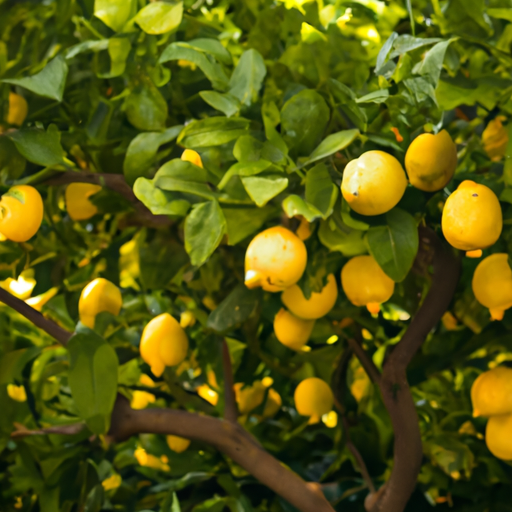
As you journey through the heart and soul of Italy and Sicily, allow yourself to be enchanted by the citrus gardens of Sorrento. Nestled in the charming region of Campania, Sorrento is a land of fragrant lemon groves and breathtaking views of the Bay of Naples. As you wander through the terraced gardens, feel the warm Mediterranean sun on your skin and inhale the sweet scent of citrus blossoms that permeate the air. Discover the secrets of limoncello, the region’s famous liqueur, and indulge in its tangy yet refreshing taste. Whether you choose to explore the narrow streets of the town or venture further to the neighboring Amalfi Coast, the citrus gardens of Sorrento are sure to captivate your senses and leave you longing for more.
History of Sorrento’s Citrus Gardens
The history of Sorrento’s citrus gardens is deeply intertwined with the region’s rich agricultural heritage. Dating back centuries, these lush gardens have been nurtured and cultivated by local farmers, passing down traditional techniques and knowledge through generations. The warm Mediterranean climate, combined with the fertile soil, has created the ideal conditions for citrus trees to thrive in Sorrento.
Citrus cultivation in Sorrento can be traced back to the Roman era, when the ancient Romans recognized the region’s potential for growing citrus fruits. They introduced various citrus tree varieties, including lemons, oranges, and mandarins, to the area. Over time, the cultivation of citrus fruits became an integral part of the local economy and a symbol of Sorrento’s agricultural identity.
Types of Citrus Trees in Sorrento
Sorrento is known for a variety of citrus trees, each with its own unique characteristics and flavors. The most prominent types of citrus trees grown in the region include:
Sorrento Lemon: This distinctive lemon variety is the pride of Sorrento. Known for its bright yellow color, thin skin, and intense aroma, Sorrento lemons are highly sought after for their exceptional juiciness and flavor. They are a key ingredient in many traditional Italian recipes, including limoncello, a popular lemon liqueur.
Sorrento Orange: Sorrento oranges are renowned for their sweetness and juiciness. They have a vibrant orange color and a refreshing flavor that makes them perfect for eating fresh or using in a variety of culinary creations.
Mandarins: Mandarins, such as clementines and tangerines, are also grown in Sorrento. These small, easy-to-peel fruits are known for their sweetness and are often enjoyed as a healthy snack.
Bitter Oranges: Bitter oranges, with their tart flavor, are primarily used for making marmalades and other preserves. They add a unique tanginess to culinary dishes and are valued for their high pectin content.
These are just a few examples of the citrus trees that thrive in Sorrento’s gardens, contributing to the region’s diverse and flavorful citrus offerings.
Cultivation and Maintenance of Citrus Gardens
The cultivation and maintenance of citrus gardens in Sorrento require careful attention to ensure optimal growth and fruit production. Here are some essential aspects of cultivating and maintaining citrus gardens in the region:
Ideal Weather Conditions
Citrus trees thrive in warm climates with abundant sunshine. In Sorrento, the Mediterranean climate offers the perfect environment for citrus cultivation. The region experiences mild winters and long, hot summers, which promote healthy tree growth.
Soil Preparation
Preparing the soil is crucial for the successful cultivation of citrus trees. In Sorrento, the soil is rich in organic matter and well-draining, which aids in the development of healthy root systems. The soil may need periodic amendments to maintain its fertility and pH balance.
Planting Techniques
Citrus trees should be planted at the right depth and spacing to ensure proper root development and optimal airflow. Planting techniques may vary depending on the specific citrus tree variety and local practices.
Watering and Irrigation
Proper watering is essential for citrus tree health. While citrus trees in Sorrento are generally drought-tolerant, regular irrigation is required, especially during dry spells. Watering should be done deeply and infrequently to encourage deep root growth.
Pruning and Pest Control
Regular pruning helps maintain the shape and size of citrus trees, as well as improve airflow and sunlight penetration. It is essential to remove dead or diseased branches and maintain a balanced canopy. Additionally, pest control measures, such as the use of organic pesticides or integrated pest management techniques, are employed to protect the citrus trees from common pests and diseases.
Harvesting and Utilizing Citrus Fruits
Peak Harvest Season
The peak harvest season for citrus fruits in Sorrento typically occurs during the winter months, from December to March. This is when the fruits reach their maximum ripeness and develop their signature flavors and aromas.
Methods of Harvesting
Citrus fruits are usually hand-picked to ensure their delicate skins are not damaged. Harvesters carefully select ripe fruits, gently twisting them off the trees. The fruits are then sorted and packed for distribution.
Traditional and Modern Uses of Citrus Fruits
In Sorrento, citrus fruits are an integral part of the local cuisine and culture. They are used in a variety of traditional dishes, desserts, and beverages. Sorrento lemons, in particular, are highly valued for their versatility. They are used to make limoncello, lemon-infused olive oil, lemon cakes, and savory dishes like lemon risotto and lemon-infused seafood pasta.
Regional Citrus Recipes
Sorrento is renowned for its citrus-inspired culinary creations. Some popular regional recipes featuring citrus fruits include:
- Sorrento Lemon Pasta: A simple yet flavorful pasta dish made with fresh pasta, lemon zest, lemon juice, olive oil, garlic, and Parmesan cheese.
- Limoncello: A sweet and tangy lemon liqueur made by steeping Sorrento lemon peels in alcohol and then adding a simple syrup.
- Citrus Salad: A refreshing salad made with a combination of thinly sliced Sorrento oranges, lemons, and mandarins, drizzled with olive oil, salt, and pepper.
These recipes showcase the vibrant flavors and aromatic qualities of Sorrento’s citrus fruits.
Tourism and Citrus Garden Experiences
Visiting Sorrento’s Citrus Orchards
For visitors to Sorrento, exploring the region’s citrus gardens is an enchanting experience. Many orchards offer guided tours, allowing visitors to walk through the fragrant groves, learn about the cultivation techniques, and gain insights into the history and significance of citrus farming in the area.
Citrus Tastings and Workshops
Tastings and workshops provide visitors with the opportunity to savor the flavors of Sorrento’s citrus fruits. Sample freshly squeezed juices, artisanal marmalades, and other citrus-based products, while learning about the different flavor profiles and uses of each fruit.
Citrus Festivals and Events
Sorrento is known for its vibrant citrus festivals and events that celebrate the region’s bountiful harvest. These festivals often feature lively parades, music, dancing, and, of course, an abundance of citrus-themed food and drink. The festivals offer a glimpse into the local culture and provide a festive atmosphere for both locals and tourists to enjoy.
Citrus Products and Souvenirs
Visitors to Sorrento can bring a piece of the citrus gardens home with them through a variety of citrus-based products and souvenirs. These can range from locally produced marmalades and preserves to scented soaps, candles, and even handmade ceramics adorned with citrus motifs.
Medical and Culinary Benefits of Citrus Fruits
Vitamin C and Immunity
Citrus fruits are renowned for their high vitamin C content, which plays a crucial role in supporting a healthy immune system. Consuming citrus fruits regularly can help boost immunity and protect against common illnesses and infections.
Antioxidant Properties
Citrus fruits are rich in antioxidants, which help combat the harmful effects of free radicals in the body. These antioxidants aid in reducing oxidative stress and inflammation, helping to promote overall health and well-being.
Digestive Health and Weight Management
The fiber content in citrus fruits supports healthy digestion by promoting regular bowel movements and preventing constipation. Additionally, their low-calorie content and high water content make them a great choice for those watching their weight.
Use in Traditional Medicine
Citrus fruits have been used in traditional medicine for centuries due to their various health benefits. They have been believed to possess antibacterial, antiviral, and anti-inflammatory properties, making them useful in treating common ailments and promoting general wellness.
Incorporation in Culinary Dishes
Other than their health benefits, citrus fruits add a burst of flavor and brightness to a wide range of culinary dishes. From salads and marinades to desserts and cocktails, the acidic and aromatic qualities of citrus fruits complement a variety of flavors, enhancing the overall taste of a dish.
Sorrento’s Citrus Gardens in Popular Culture
Literary References
Sorrento’s citrus gardens have captured the imagination of writers and poets throughout history. In literary works, they are often used as symbols of fertility, abundance, and the beauty of nature. Whether mentioned in travelogues, novels, or poetry, these gardens evoke a sense of harmony and tranquility.
Artistic Depictions
The picturesque landscapes of Sorrento’s citrus gardens have also inspired artists. Paintings, photographs, and other art forms often depict the vibrant colors and serene atmosphere of the gardens, capturing their timeless beauty.
Influence on Local Music and Traditions
Sorrento’s citrus gardens have had a profound impact on the local music and traditions. Folk songs and melodies are often composed to celebrate the abundance of the harvest season, with lyrics that pay homage to the region’s citrus groves. Traditional dances and festivals also incorporate elements of citrus farming, further showcasing the cultural significance of these gardens.
Environmental Impact and Conservation Efforts
Sustainable Farming Practices
In recent years, there has been an increasing focus on sustainable farming practices in Sorrento’s citrus gardens. Farmers are adopting organic farming methods, minimizing the use of synthetic pesticides and fertilizers, and promoting biodiversity within the orchards. These practices help preserve the natural balance of the ecosystem and reduce the environmental impact of citrus cultivation.
Preservation of Citrus Varieties
Conservation efforts are underway to preserve and protect the diverse varieties of citrus trees in Sorrento. Local farmers are collaborating with agricultural organizations and researchers to identify and safeguard rare and endangered citrus cultivars. Preserving the genetic diversity of citrus trees ensures the continued existence of unique flavors and traits that are specific to Sorrento.
Protection of Citrus Gardens from Climate Change
The threat of climate change poses challenges to Sorrento’s citrus gardens. Rising temperatures, changing rainfall patterns, and more frequent extreme weather events can impact citrus tree health and fruit production. Efforts are being made to mitigate these risks by implementing strategies such as improved irrigation techniques, tree shading, and the development of resilient citrus varieties.
Challenges and Future Outlook for Sorrento’s Citrus Gardens
Competition from Global Citrus Market
Sorrento’s citrus growers face competition from the global citrus market, which offers a wide range of citrus fruits available year-round. To remain competitive, growers must continue to emphasize the unique qualities and flavors of Sorrento’s citrus products, appealing to consumers who value local, sustainable, and premium produce.
Pests and Diseases
Pests and diseases pose ongoing challenges to citrus growers in Sorrento. Common pests include aphids, citrus leaf miners, and fruit flies, while diseases such as citrus canker and citrus greening can affect tree health and fruit quality. Implementing integrated pest management strategies and investing in disease-resistant varieties can help mitigate these risks.
Modernization and Industrialization
As agriculture evolves, traditional farming practices in Sorrento’s citrus gardens face pressures from modernization and industrialization. The growing demand for mass-produced citrus products and the use of synthetic fertilizers and pesticides can potentially undermine the rich cultural heritage and sustainability of the region’s citrus farming.
Promotion of Citrus Tourism
To ensure the future viability of Sorrento’s citrus gardens, there is a need to promote citrus tourism and educate visitors about the cultural, historical, and environmental significance of the gardens. By creating immersive experiences, supporting local farmers, and showcasing the unique flavors and traditions of Sorrento’s citrus gardens, tourism can play a vital role in sustaining this agricultural legacy.
Conclusion
The citrus gardens of Sorrento are not only a testament to the region’s agricultural heritage but also a source of pride and cultural significance. These vibrant and fragrant groves have shaped the identity of Sorrento, bringing forth flavors that delight the palate and traditions that celebrate community and abundance. As time goes by, Sorrento’s citrus gardens continue to evolve, facing challenges and embracing change. By preserving their legacy, promoting sustainable practices, and sharing their beauty with the world, these gardens ensure a fruitful future for generations to come. So, whether you find yourself wandering through Sorrento or simply enjoying the taste of a Sorrento lemon, remember the stories behind each fruit and the heritage it carries. Cheers to the citrus gardens of Sorrento!
 English