
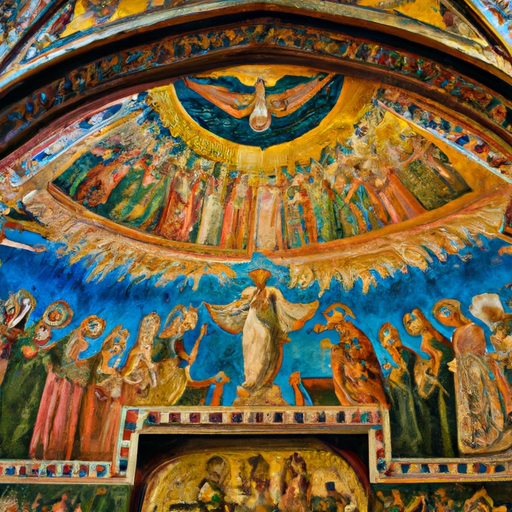
If you find yourself drawn to the realms of art and history, a visit to the enchanting town of Assisi in Italy is an absolute must. Nestled amidst the picturesque hills of Umbria, this charming town is revered for its magnificent frescoes. These vibrant works of art adorn the walls of the Basilica of San Francesco, narrating the life of Saint Francis and captivating visitors with their exquisite beauty. From scenes of divine miracles to intricate portrayals of everyday life in the Middle Ages, the frescoes of Assisi offer a glimpse into a bygone era that is sure to leave you awe-inspired.
Assisi: A City of Art and Faith
Welcome to Assisi, a city that seamlessly merges the worlds of art and faith. Nestled in the picturesque region of Umbria, Italy, Assisi is known for its rich cultural history and stunning frescoes. Whether you are an art enthusiast, a history buff, or a spiritual seeker, Assisi has something to offer.
The History of Assisi
Assisi has a long and storied history that dates back to ancient times. Settled by the Umbrians, an ancient Italian tribe, Assisi later came under Roman rule and flourished as a prosperous municipality. However, it was during the Middle Ages that Assisi truly rose to prominence. The city became a center of spirituality and pilgrimage, thanks to the influence of one of its most famous sons, Saint Francis.
Assisi and Saint Francis
Saint Francis, born in Assisi in 1181, is one of Italy’s most beloved and revered saints. Known for his deep connection to nature and his teachings of simplicity and poverty, Saint Francis had a profound impact on the city of Assisi. He founded the Franciscan Order, which played a significant role in shaping the spiritual and cultural landscape of Assisi.
The Importance of Frescoes in Assisi
Frescoes, the art of painting on wet plaster, play a crucial role in Assisi’s artistic heritage. These intricate and vibrant artworks adorn the walls of Assisi’s churches and basilicas, narrating stories from the Bible, the lives of saints, and the history of the city itself. The frescoes of Assisi serve as a visual representation of the city’s intertwined art and faith.
The Basilica of San Francesco
Overview of the Basilica
The Basilica of San Francesco is undoubtedly the crown jewel of Assisi. Constructed in the 13th century, the basilica is divided into two levels: the Upper Basilica and the Lower Basilica. It is a UNESCO World Heritage site and attracts countless visitors from around the world.
The Interior Frescoes
Stepping inside the Basilica of San Francesco is like entering a heavenly realm of art. The interior is adorned with magnificent frescoes that depict scenes from the lives of Christ, Saint Francis, and other biblical figures. Created by talented artists of the time, these frescoes showcase the skill and artistry that flourished during the Medieval and Renaissance periods.
Giotto’s Frescoes
Among the many frescoes in the Basilica of San Francesco, those painted by Giotto di Bondone are truly exceptional. Giotto, one of the most influential artists of the early Renaissance, crafted a series of frescoes in the Upper Basilica that depict the life and miracles of Saint Francis. These masterpieces are considered revolutionary in their portrayal of human emotions and naturalistic details.
The Upper Basilica
The Life of Saint Francis
The Upper Basilica of the Basilica of San Francesco houses the frescoes that tell the captivating story of Saint Francis’ life. From his humble beginnings to his encounters with divine visions and his devotion to the poor and marginalized, these frescoes provide a vivid depiction of Saint Francis’ journey and the origins of the Franciscan Order.
The Frescoes by Cimabue
Alongside Giotto’s frescoes, the Upper Basilica also features works by another prominent artist, Cimabue. Cimabue’s frescoes capture the essence of Saint Francis and the profound impact he had on the people of Assisi. These artworks showcase Cimabue’s mastery of color and composition, making them a must-see for any art lover visiting Assisi.
The Lower Basilica
The Frescoes by Giotto
Descending into the Lower Basilica, visitors are greeted by a breathtaking display of frescoes by Giotto. These frescoes form a cycle of scenes from the lives of Saint Francis and Saint Clare, the founder of the Order of Poor Ladies, or the Poor Clares. Giotto’s frescoes in the Lower Basilica are revered for their realism, emotional depth, and spiritual resonance.
The Cycle of Saint Francis
The frescoes in the Lower Basilica not only depict the life of Saint Francis but also explore the spiritual essence of his teachings. From his encounters with nature and animals to his encounters with Christ and the miracles he performed, the frescoes create a narrative that invites visitors to delve into the profound spirituality that Saint Francis embodied.
The Last Judgment
The Lower Basilica is also home to a stunning fresco known as the Last Judgment. Painted by an anonymous artist, this masterpiece portrays the final judgment of souls and serves as a reminder of the transience of earthly life. The vivid colors and intricate details make this fresco a powerful portrayal of the complex interplay between life, death, and salvation.
The Basilica of Santa Maria degli Angeli
History and Significance of the Basilica
Located at the foot of the hill on which Assisi stands, the Basilica of Santa Maria degli Angeli is an important pilgrimage site. It was built to protect and preserve the Porziuncola, a small chapel that holds great spiritual significance for followers of Saint Francis. The basilica serves as a symbol of the enduring legacy of Saint Francis and the continuing devotion to his teachings.
The Porziuncola Chapel
The Porziuncola Chapel within the Basilica of Santa Maria degli Angeli is a humble yet sacred space. This is where Saint Francis founded the Franciscan Order and where he spent his final days. Pilgrims come from far and wide to seek solace and reflect on their spiritual journey within the peaceful confines of the Porziuncola.
The Fresco of the Porziuncola
Inside the Porziuncola Chapel, visitors can admire a remarkable fresco that depicts the scene of the Porziuncola Indulgence. The fresco captures the moment when the Christ and Virgin Mary reveal themselves to Saint Francis, granting him the ability to pardon the sins of the faithful. This fresco serves as a vivid reminder of Saint Francis’ profound spirituality and his role as a conduit of divine grace.
Other Frescoes in Assisi
The Basilica of Santa Chiara
The Basilica of Santa Chiara is not to be missed when exploring the frescoes of Assisi. This basilica is dedicated to Saint Clare, a close companion of Saint Francis and the founder of the Order of Poor Ladies. The frescoes within the basilica depict scenes from the life of Saint Clare, perpetuating her legacy of piety, devotion, and untiring service to the marginalized.
The Church of San Damiano
The Church of San Damiano is another significant site for frescoes in Assisi. This humble church is where Saint Francis received his divine calling and where he composed the iconic Canticle of the Creatures. The frescoes within the church narrate biblical stories and showcase the spiritual fervor that permeated Saint Francis’ life and teachings.
The Basilica of Santa Maria sopra Minerva
Although not located within Assisi itself, the nearby Basilica of Santa Maria sopra Minerva is worth a visit for its stunning frescoes. Situated in the town of Assisi, this basilica is dedicated to Saint Mary, the Mother of Jesus. The frescoes within the basilica depict scenes from the life of the Virgin Mary, capturing her grace, humility, and unwavering faith.
The Restoration Efforts
The Issues with Aging Frescoes
With the passage of time, the precious frescoes of Assisi have faced various challenges. The ravages of nature, such as moisture and humidity, have caused deterioration and discoloration. Additionally, the accumulation of soot and dust over the centuries has further degraded these delicate artworks. Without proper care and restoration, these frescoes risk losing their vibrancy and historical significance.
The Fresco Restoration Techniques
To preserve the frescoes of Assisi, experts employ meticulous restoration techniques. These techniques involve meticulous cleaning to remove dirt and pollutants, stabilization of the plaster, and retouching damaged or faded areas. By using specialized tools and materials, skilled restorers can breathe new life into these ancient masterpieces, ensuring that they are safeguarded for future generations to admire and appreciate.
Controversies surrounding Fresco Restoration
Fresco restoration efforts are not without controversy. Some argue that extensive restoration can compromise the integrity and authenticity of the original artwork. Others maintain that restoration is vital to preserving the cultural heritage of Assisi. These debates highlight the delicate balance between conserving the past and allowing these artworks to continue to inspire and educate.
Visiting Assisi: Tips and Recommendations
Getting to Assisi
Assisi is easily accessible by train or car. If you are arriving from Rome, there are frequent train connections that will take you to Assisi in approximately two hours. Should you prefer to drive, the journey from Rome to Assisi takes around two and a half hours, depending on traffic. Once in Assisi, walking is the best way to explore the city and its many frescoes.
The Best Time to Visit
Assisi is beautiful year-round, but the best time to visit depends on your preferences. Spring and autumn offer mild temperatures, fewer crowds, and the opportunity to witness the surrounding countryside burst into color. Summer is a popular time to visit, though it can be crowded. If you prefer a quieter experience, consider visiting in the winter months when Assisi is enveloped in a serene ambiance.
Must-See Frescoes in Assisi
While every fresco in Assisi holds its own significance, there are a few that you simply cannot miss. Giotto’s frescoes in the Upper and Lower Basilicas of the Basilica of San Francesco are a testament to the artistic brilliance of the Renaissance. The frescoes in the Basilica of Santa Chiara and the Church of San Damiano provide insights into the lives of Saint Clare and Saint Francis. Finally, the frescoes in the Basilica of Santa Maria degli Angeli, particularly the Porziuncola, offer a profound connection to Saint Francis’ spiritual journey.
Assisi Beyond Frescoes
Exploring the Surrounding Town
While Assisi is renowned for its frescoes, there is much more to discover in the surrounding town. Take a leisurely stroll through the charming streets, explore local shops, and enjoy panoramic views from the city walls. Don’t forget to visit the Rocca Maggiore, a medieval fortress that offers breathtaking views of the city and the rolling hills of Umbria.
Local Cuisine and Wine
No visit to Assisi is complete without indulging in the region’s delectable cuisine and wine. Sample traditional dishes such as truffle pasta, porchetta, and torta al testo, a flatbread stuffed with savory fillings. Pair your meal with wines from local vineyards, such as the renowned Sagrantino or Grechetto. Assisi’s culinary delights are sure to delight your taste buds and further enrich your experience.
Religious Festivals in Assisi
Assisi is steeped in religious traditions, and throughout the year, the city comes alive with vibrant festivals and celebrations. The Feast of Saint Francis in October is a particularly significant event, attracting pilgrims from around the world. Witnessing the solemn processions, liturgical ceremonies, and musical performances during these festivities offers a unique glimpse into the fervent faith and rich cultural heritage of Assisi.
Conclusion
Assisi, a city of art and faith, captivates visitors with its timeless beauty, spiritual aura, and awe-inspiring frescoes. From the Basilica of San Francesco to the Basilica of Santa Maria degli Angeli, each place beckons you to explore the stories and legacies that have shaped Assisi. Whether you seek artistic inspiration, a deeper connection with spirituality, or simply a journey through the annals of history, Assisi promises to leave an indelible mark on your heart. So, pack your bags, embark on this adventure, and immerse yourself in the storied world of Assisi’s frescoes.
 English