
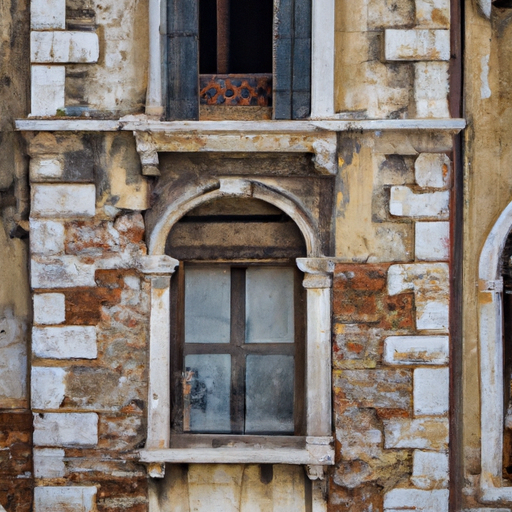
Now, let’s turn our attention to a lesser-known aspect of Italy’s history: the Jewish ghettos of Venice. Nestled within the enchanting canals and labyrinthine streets of this romantic city, lies a story of resilience and perseverance. The Jewish ghettos of Venice are a testament to the persecution and discrimination faced by the Jewish community throughout centuries. Despite the hardships, these ghettos have preserved a unique cultural heritage and stand as a reminder of the indomitable spirit of its inhabitants. Join me as we uncover the secrets and stories tucked away in the centuries-old walls of the Jewish ghettos of Venice.
History of Jewish Settlement in Venice
Early Jewish Presence in Venice
The history of Jewish settlement in Venice dates back to the 13th century, with records indicating the presence of Jewish merchants and moneylenders in the city. These early Jewish settlers played a crucial role in the economic growth and development of Venice, engaging in international trade and financial activities. However, they faced restrictions and occasional persecutions due to their religious identity.
Establishment of the Ghetto
In 1516, the Venetian Republic established the Jewish Ghetto, making it one of the first segregated Jewish neighborhoods in Europe. The word “ghetto” originates from the Venetian dialect and refers to the copper foundry that previously existed in the area. Under this new decree, Jews were required to live in the designated area and were subject to strict regulations and limitations on their daily lives.
Living Conditions in the Ghetto
Living conditions in the Venetian Ghetto were far from ideal. The space was cramped, and multiple families often shared small apartments. The buildings were tall and closely packed, creating a dense and congested neighborhood. With limited access to natural light and fresh air, this environment posed health risks to the Jewish residents. Despite the challenges, the Jewish community in the Ghetto managed to establish a strong sense of solidarity and resilience.
Religious Life in the Ghetto
Religious life thrived within the confines of the Ghetto walls. Synagogues, which were among the few religious buildings allowed, played a central role in the lives of the Jewish community. These synagogues served as both places of worship and social gathering spaces. They were designed to reflect the Sephardic and Ashkenazi traditions of the Jewish inhabitants. The religious practices and cultural traditions of the Jewish community in Venice were preserved and nurtured within the boundaries of the Ghetto.
Architectural Features of the Ghetto
Layout and Structure of the Ghetto
The Venetian Ghetto was divided into two main sections: the Old Ghetto and the New Ghetto. Each section was further divided into different smaller areas based on the geographic origin and ethnicity of the Jewish residents. The layout of the Ghetto was organized to accommodate the growing Jewish population, with narrow streets, tall buildings, and enclosed spaces. The architectural features of the Ghetto reflected the dense and confined nature of the neighborhood.
Synagogues in the Ghetto
There were several synagogues within the Venetian Ghetto, each representing the diverse religious and cultural backgrounds of the Jewish residents. Some of the notable synagogues include the Scola Canton, the Scola Levantina, and the Scola Tedesca. These synagogues featured stunning architectural details and intricate craftsmanship, reflecting the rich heritage of the Jewish community in Venice.
The Jewish Museum of Venice
The Jewish Museum of Venice, located within the Ghetto, showcases the history and cultural heritage of the Jewish community in Venice. The museum exhibits a vast collection of religious artifacts, documents, and artwork that tell the story of Jewish life in the city. It serves as an important educational and cultural center, preserving the legacy of the Jewish Ghetto and promoting understanding and appreciation of Jewish history and traditions.
Social and Cultural Life in the Ghetto
Daily Life in the Ghetto
Despite challenging living conditions, the Jewish community in the Venetian Ghetto developed a thriving social and cultural life. The narrow streets of the Ghetto were filled with bustling activity, as residents interacted with one another and engaged in various daily tasks. Community bonds were strengthened through shared experiences and traditions, fostering a sense of belonging and togetherness.
Community Organizations and Institutions
Community organizations and institutions played a vital role in the social fabric of the Ghetto. These organizations provided support, assistance, and services to the Jewish residents. They offered educational opportunities, welfare programs, and financial aid to those in need. These institutions also helped preserve and promote Jewish culture and traditions, ensuring their continuity within the Ghetto.
Educational Opportunities
Despite the limitations imposed on the Jewish population, educational opportunities were available within the Ghetto. Jewish children had access to religious education and were taught Hebrew, Talmudic studies, and Jewish history. The Jewish community placed great importance on education and sought to provide its youth with the necessary knowledge and skills to succeed.
Cultural Contributions
The Jewish community in the Venetian Ghetto made significant cultural contributions to the city and beyond. Jewish artisans and craftsmen excelled in various fields, including goldsmithing, textile production, and bookbinding. They contributed to the artistic and intellectual vibrancy of Venice, leaving behind a lasting legacy of creativity and innovation.
Interaction with the Venetian Society
Economic Activities and Trade
Jewish residents of the Ghetto played a crucial role in the economic life of Venice. Despite the restrictions imposed on them, they were engaged in various economic activities and trades. Jewish merchants and moneylenders facilitated international trade, contributing to the prosperity and wealth of Venetian society. The Jewish community’s participation in commerce and finance helped solidify their position within the city.
Relations with the Catholic Church
Interactions between the Jewish community and the Catholic Church were complex and often fraught with tensions. The Jewish residents of the Ghetto were subjected to religious and social restrictions imposed by the Church. However, there were also periods of relative tolerance and coexistence. The Jewish community had to navigate these dynamics, adapting to the changing political and religious climate of Venice.
Intermarriage and Social Integration
Intermarriage and social integration between the Jewish community and the wider Venetian society were relatively limited. The restrictive policies and laws imposed on Jews prevented extensive social interactions and assimilation. However, there were instances of intermarriage and exchange between Jewish and non-Jewish individuals. These instances provided glimpses of cultural and social integration, albeit on a smaller scale.
Impact of Historical Events
The Napoleonic Era and the End of the Ghetto
The Napoleonic era marked a significant turning point for the Jewish residents of the Ghetto. During this time, Napoleon Bonaparte conquered Venice and enforced more progressive policies towards the Jewish community. In 1797, the Ghetto was dissolved, and Jews were granted equal rights and citizenship. The end of the Ghetto era marked a new chapter in the history of Jewish settlement in Venice.
The Holocaust and Jewish Population Loss
The Jewish population of Venice suffered greatly during the Holocaust. Many Jewish residents were victims of Nazi persecution and mass deportations. The Holocaust resulted in a significant loss of Jewish life in Venice and dealt a severe blow to the community. The tragic events of the Holocaust forever changed the landscape of Jewish Venetian heritage.
Post-War Restoration and Revitalization
In the post-war period, efforts were made to restore and revitalize the Jewish community in Venice. Many Jewish survivors returned to the city and began rebuilding their lives. Synagogues were repaired, and cultural institutions were reinstated. Today, the community continues to thrive, albeit on a smaller scale, and plays an active role in preserving Jewish heritage and fostering a sense of belonging.
Jewish Venetian Heritage Today
Current Jewish Community in Venice
The Jewish community in Venice today is small but vibrant. Despite the challenges faced by the community, it remains active and engaged in religious, social, and cultural activities. The community is diverse, consisting of both Sephardic and Ashkenazi Jews. While the population is not as large as in previous centuries, it continues to contribute to the cultural fabric of the city.
Preservation of Jewish Heritage
Efforts to preserve Jewish heritage in Venice are ongoing. Cultural organizations, institutions, and museums work tirelessly to safeguard the rich history and traditions of the Jewish community. Restoration projects aim to maintain and protect synagogues and other historically significant buildings. These preservation efforts ensure that future generations can learn about and appreciate the Jewish Venetian heritage.
Tourism and Jewish Ghetto Visits
The Jewish Ghetto has become a popular tourist destination, attracting visitors from around the world. Tourists can explore the narrow streets, visit the synagogues, and learn about the history of the Jewish community in Venice. Jewish Ghetto visits offer a unique opportunity to delve into the rich cultural tapestry of Venice and gain a deeper understanding of its diverse heritage.
Venetian Jewish Cuisine
Traditional Jewish Dishes
Venetian Jewish cuisine is a unique blend of Italian and Jewish culinary traditions. Traditional dishes often include fish, vegetables, and flavorful herbs and spices. Some popular dishes include Sarde in Saor (sweet and sour sardines), Baccalà Mantecato (creamy salted cod), and Fritole (sweet fritters). These dishes reflect the history and cultural fusion of the Jewish community in Venice.
Influence of Venetian Cuisine
Venetian cuisine also influenced the Jewish culinary traditions within the Ghetto. Jewish residents incorporated local ingredients and cooking techniques into their dishes, resulting in a distinct Venetian Jewish cuisine. The use of fresh seafood, seasonal produce, and aromatic herbs and spices is characteristic of this culinary fusion.
Popular Jewish Food Establishments
There are several food establishments within and around the Jewish Ghetto that offer delicious Jewish Venetian cuisine. From traditional Jewish bakeries to contemporary kosher restaurants, visitors can savor the flavors of this unique culinary heritage. Popular establishments include Gam Gam, a renowned kosher restaurant, and Rosa Salva, a historic Jewish bakery known for its delectable pastries.
Exploring the Jewish Ghetto
Must-Visit Sites and Landmarks
When exploring the Jewish Ghetto, there are several must-visit sites and landmarks that provide a glimpse into the rich history of the Jewish community. These include the synagogues, such as the beautiful Spanish Synagogue and the ancient Levantine Synagogue. The Jewish Museum of Venice is also a must-see, housing a vast collection of artifacts and offering insights into the vibrant past of the Jewish Ghetto.
Guided Tours and Itineraries
To fully immerse yourself in the history and culture of the Jewish Ghetto, guided tours and itineraries are available. Expert guides provide informative commentary, taking visitors through the winding streets and alleys of the Ghetto. These tours offer a comprehensive understanding of the Jewish Venetian heritage and are highly recommended for those seeking a deeper connection with the history of the city.
Celebrations and Festivals
Hanukkah
Hanukkah, the Festival of Lights, is one of the most important Jewish celebrations. In the Venetian Ghetto, Hanukkah is commemorated with community gatherings, candle lighting ceremonies, and traditional foods such as latkes (potato pancakes) and sufganiyot (fried doughnuts). The Ghetto comes alive with festive decorations and a joyful atmosphere during this time.
Passover
Passover, or Pesach, is a significant holiday in the Jewish calendar. In the Ghetto, Passover is observed with special meals called seders, where the story of the Exodus from Egypt is retold. Traditional Passover foods, such as matzo (unleavened bread) and charoset (a sweet fruit and nut mixture), are prepared and enjoyed by the community. Passover in the Ghetto is a time of reflection, gratitude, and celebration.
Purim
Purim is a joyous holiday commemorating the deliverance of the Jewish people from a plot to exterminate them. In the Ghetto, Purim is celebrated with lively carnivals, festive costumes, and special holiday pastries known as hamantaschen. The vibrant spirit and sense of community during Purim make it a memorable event in the Jewish Venetian calendar.
Other Jewish Festivals
Various other Jewish festivals are also celebrated in the Ghetto, including Rosh Hashanah (Jewish New Year), Yom Kippur (Day of Atonement), and Sukkot (Feast of Tabernacles). These festivals are marked with prayers, rituals, and special meals, bringing the community together to observe and commemorate significant moments in Jewish tradition.
Challenges and Opportunities
Preservation and Restoration Efforts
Preservation and restoration efforts are paramount in ensuring the continued existence of the Jewish Ghetto and its heritage. Ongoing initiatives focus on maintaining historical buildings, conserving artifacts, and promoting awareness of the Ghetto’s significance. These efforts require continuous funding and support from both the local community and international organizations to preserve the tangible and intangible elements of Jewish Venetian culture.
Promoting Cultural Diversity and Understanding
Promoting cultural diversity and understanding is crucial for fostering harmonious coexistence in Venice. Recognizing the contributions of the Jewish community to the city’s history and culture encourages dialogue and appreciation for different perspectives. Educational programs, cultural exchanges, and interfaith initiatives can play a pivotal role in bridging divides and instilling a sense of mutual respect and understanding.
Finding a Balance between Tourism and Local Life
The popularity of the Jewish Ghetto as a tourist destination presents both opportunities and challenges. While tourism contributes to the local economy and showcases the vibrant Jewish heritage, it can also disrupt the daily life of the local community. Striking a balance between preserving cultural authenticity and meeting the demands of tourism is a delicate task that requires thoughtful planning, community involvement, and sustainable practices.
In conclusion, the Jewish Ghettos of Venice hold a deep and fascinating history that speaks to the resilience, creativity, and cultural heritage of the Jewish community. From the establishment of the Ghetto to the challenges faced and celebrations held within its walls, the story of Jewish settlement in Venice is one of triumph and perseverance. Today, the Jewish Ghetto stands as a reminder of the enduring spirit of a community that has left an indelible mark on the vibrant tapestry of Venetian history and culture.
 English