
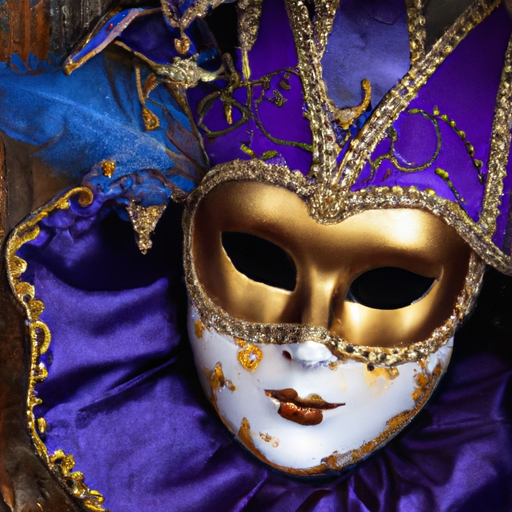
Imagine yourself gliding through the captivating canals of Venice, surrounded by a sea of vibrant masks and elaborate costumes. The Venice Carnival, a centuries-old tradition, enchants visitors from around the world with its allure and mystique. But the magic of Italy’s most famous carnival is just a small part of the larger tapestry that is the country itself. From the historical wonders of Rome to the picturesque landscapes of Tuscany, and the culinary delights of Sicily, Italy offers a journey that transcends mere tourism. It is an experience that will leave you mesmerized, inspired, and craving for more. So, buckle up and prepare for an adventure through the heart and soul of Italy – a journey through time and taste.
History of the Venice Carnival
The Venice Carnival has a rich and fascinating history that dates back centuries. It is believed to have originated in the 12th century when the Venice Republic was at the height of its power. The carnival served as a way for the ruling elite to loosen social restrictions and allow the people to indulge in festivities before the solemn period of Lent.
Origins of the Carnival
The origins of the Venice Carnival are rooted in the ancient Roman festival of Saturnalia, a time of revelry and role reversals. Over time, the festival evolved and incorporated elements of the Christian tradition, including the pre-Lenten period of Carnevale. The word “carnevale” itself is derived from the Latin words “carne” meaning meat and “vale” meaning farewell, symbolizing the upcoming abstinence from meat during Lent.
Evolution throughout the centuries
Throughout the centuries, the Venice Carnival underwent several transformations. During the Renaissance period, the carnival became a prominent social event, attracting noble families from all over Europe. The city’s gondolas and lavish palaces provided the perfect backdrop for masquerade balls and grand festivities.
However, the carnival eventually fell out of favor by the 18th century. It was suppressed by the Austrians in 1797, who saw it as a threat to their rule. The carnival remained dormant for almost two centuries until it was revived in 1979. Today, the Venice Carnival is a major cultural event that celebrates the city’s history and traditions.
Significance in Venetian culture
The Venice Carnival holds immense significance in Venetian culture. It is a time when locals and visitors come together to celebrate the city’s rich heritage and enjoy a sense of freedom and anonymity. The carnival provides a platform for artistic expression, allowing individuals to don elaborate costumes and masks to become someone else for a brief period.
The event also serves as a reminder of Venice’s historical importance as a hub of culture, trade, and entertainment. It showcases the city’s unique architectural wonders, such as St. Mark’s Square and the Rialto Bridge, in the backdrop of vibrant festivities.
Venice Carnival Traditions
The Venice Carnival is steeped in a variety of traditions that add to its charm and allure. From exquisite costumes and masks to opulent balls and parties, these traditions have been passed down through generations.
Costumes and masks
One of the most iconic aspects of the Venice Carnival is the elaborate costumes and masks worn during the festivities. The tradition of wearing masks can be traced back to the 13th century when it was used as a way to conceal one’s social status. Today, people spend months creating intricate costumes that are inspired by historical figures, mythical creatures, and traditional Venetian characters.
Balls and parties
The Venice Carnival is known for its lavish balls and parties held in historic palaces and hotels throughout the city. These events provide a chance for attendees to showcase their elaborate costumes and masks while enjoying live music, dancing, and fine dining. The Grand Ball at the Palazzo Pisani Moretta is one of the most prestigious events, attracting high-profile guests from around the world.
The Flight of the Angel
One of the most anticipated events of the Venice Carnival is the Flight of the Angel, which takes place on the opening day of the festivities. A brave individual, typically a young woman chosen for her grace and courage, descends from the bell tower of St. Mark’s Square, gliding through the air on a zip line. This symbolic act represents the awakening of the city and marks the official start of the carnival.
Carnival Events and Activities
The Venice Carnival offers a wide range of events and activities that cater to different interests and preferences. From the grand opening ceremony to colorful parades and captivating street performances, there is something for everyone to enjoy.
Opening Ceremony
The opening ceremony of the Venice Carnival is a spectacle not to be missed. It typically takes place in St. Mark’s Square, where crowds gather to witness the official start of the festivities. The ceremony includes musical performances, speeches by local officials, and the unveiling of the carnival’s theme for the year.
Parades and processions
Throughout the carnival, the streets of Venice come alive with vibrant parades and processions. These showcase the creativity and craftsmanship of the participants, who march through the city wearing their elaborate costumes and masks. The parades often feature live music, dancing, and theatrical performances, creating a truly immersive experience.
Street performances and entertainment
Street performers play a vital role in creating a festive atmosphere during the carnival. Magicians, jugglers, musicians, and acrobats can be found in various parts of the city, entertaining both locals and visitors alike. The streets become a stage for impromptu performances, adding to the enchantment and spontaneity of the event.
Venice Carnival Food
The Venice Carnival is not just a feast for the eyes, but also a feast for the taste buds. The event offers a variety of delectable treats and culinary experiences that showcase the city’s gastronomic excellence.
Traditional Carnival treats
A trip to the Venice Carnival would not be complete without indulging in traditional carnival treats. Frittelle, a type of fried doughnut typically filled with cream, raisins, or chocolate, is a popular choice. Another classic treat is galani, thin and crispy fried pastries dusted with powdered sugar. These sweet delights are often enjoyed alongside a cup of hot chocolate or a glass of Prosecco.
Local specialties and delicacies
Venice is known for its unique culinary traditions, and the carnival provides an opportunity to savor a variety of local specialties and delicacies. From seafood risotto and Venetian-style cicchetti (small plates) to traditional pasta dishes and regional wines, there is something to suit every palate. Visitors can explore the city’s bustling markets and charming restaurants to sample these delightful gastronomic offerings.
Food-related events and experiences
The Venice Carnival also features a range of food-related events and experiences that celebrate the city’s culinary heritage. These may include cooking demonstrations by renowned chefs, themed food tours, and exclusive dining experiences in historic venues. Such events offer a chance to learn about Venetian cuisine and its historical influences while enjoying unforgettable meals in a truly magical setting.
Venice Carnival 2022 Theme
Each year, the Venice Carnival adopts a new theme that sets the tone for the festivities and influences the costumes, decorations, and overall ambiance of the event.
Selection process for the theme
The selection process for the carnival theme is a carefully curated process that involves local authorities, cultural experts, and artistic committees. The theme is chosen to reflect the unique character and history of Venice while also incorporating contemporary elements that resonate with a global audience. Factors such as cultural relevance, artistic possibilities, and public interest are taken into consideration during this selection process.
Theme announcement and expectations
The announcement of the carnival theme is highly anticipated, as it sets the stage for the upcoming festivities and influences the preparations of participants and attendees. The theme is typically unveiled during the opening ceremony, accompanied by a captivating presentation that showcases the creative potential and visual spectacle that can be expected throughout the carnival.
Impact on costumes and celebrations
The chosen theme has a significant impact on the costumes and celebrations during the Venice Carnival. Participants often incorporate elements of the theme into their costume designs, creating a cohesive and visually stunning atmosphere. Additionally, decorations, props, and performances throughout the event are inspired by the theme, making each year’s carnival a unique and immersive experience.
Venice Carnival Tips and Recommendations
Visiting the Venice Carnival requires careful planning and consideration of various factors. Here are some tips and recommendations to ensure you make the most of your experience.
Best time to visit
The Venice Carnival takes place in the weeks leading up to Ash Wednesday, with the exact dates varying each year. It is best to visit during the early days of the festival to avoid excessive crowds and enjoy a more relaxed atmosphere. However, if you are specifically interested in attending the grand balls and major events, it is advisable to plan your visit accordingly.
Getting tickets and passes
Many of the events and activities during the Venice Carnival require tickets or passes for entry. It is important to book these in advance, especially for high-profile events that tend to sell out quickly. Additionally, purchasing a carnival pass allows you access to multiple events at a discounted price, making it a cost-effective option for those planning to attend multiple activities.
Navigating the crowds
The Venice Carnival attracts a large number of visitors, which can lead to crowded streets and venues. To navigate the crowds more effectively, consider visiting popular attractions and participating in activities during weekdays rather than weekends. It is also advisable to arrive early to secure a good viewing spot for parades and performances.
Costume ideas and rentals
If you wish to fully immerse yourself in the carnival experience, consider renting or purchasing a costume or mask. Numerous shops in Venice offer a wide range of options to suit various budgets and preferences. Alternatively, you can create your own costume using inspiration from the carnival’s theme or traditional Venetian characters.
Must-visit locations in Venice during Carnival
In addition to the carnival events and activities, Venice offers a wealth of cultural and historical attractions that are worth exploring. St. Mark’s Square, the Doge’s Palace, and the Rialto Bridge are just a few of the iconic landmarks that should be on your itinerary. Additionally, don’t miss the opportunity to take a gondola ride through the enchanting canals and visit the Murano glass factories to witness the centuries-old art of glassblowing.
Famous Venetian Masks and Mask-Makers
Venetian masks are synonymous with the Venice Carnival and have a long and storied history. They represent a rich tradition of craftsmanship and artistic expression.
History of Venetian masks
Venetian masks have been a part of the city’s culture for centuries. Initially, masks were used to conceal one’s identity and social status, providing individuals with the freedom to express themselves and engage in activities that would otherwise be off-limits. Over time, the mask-making trade began to flourish, and artisans developed intricate designs and techniques that have become iconic symbols of the Venice Carnival.
Iconic mask designs and characters
The Venice Carnival is home to a variety of iconic mask designs and characters. The Bauta mask is one of the most recognizable, with its distinctive square jawline and lack of a mouth opening, allowing the wearer to eat and drink without removing the mask. The Colombina mask, on the other hand, is a more delicate and feminine design, often adorned with feathers, ribbons, or crystals. Other popular mask designs include the Medico della Peste, the Plague Doctor, and the Moretta, a small oval-faced mask worn by women and held in place by biting on a button.
Renowned mask-making artisans
Venice is home to several esteemed mask-making artisans who continue to carry on the craft passed down through generations. These skilled artists create masks using traditional Venetian techniques, such as papier-mâché, which involves layering paper over a mold and then painting and decorating the mask by hand. Some of the most renowned mask-making workshops include Ca’ Macana, Atelier Marega, and La Bottega dei Mascareri.
Carnival Beyond Venice
While the Venice Carnival is undoubtedly the most famous and elaborate celebration of its kind, several other Italian cities and international destinations also host their own versions of the festivities.
Carnival celebrations in other Italian cities
Many cities in Italy hold their own carnival celebrations, each with its unique traditions and customs. The most notable among them include the Carnival of Viareggio in Tuscany, known for its spectacular floats and parades, and the Carnival of Ivrea in Piedmont, famous for its historic Battle of the Oranges. Other cities, such as Verona, Milan, and Florence, also boast vibrant carnival traditions that showcase their distinctive cultural identities.
International cities with Carnival festivities
Carnival festivities can be found in numerous international cities across the globe. One of the most famous is the Carnival of Rio de Janeiro in Brazil, renowned for its extravagant parades, samba dancing, and elaborate costumes. Other notable destinations include New Orleans, USA, with its vibrant Mardi Gras celebrations, and Binche, Belgium, home to the UNESCO-listed Carnival of Binche, featuring traditional Gilles costumes and the famous throwing of oranges.
Unique cultural variations and traditions
While the essence of carnival remains consistent across different locations, each celebration has its unique cultural variations and traditions. From the colorful paper maché masks of Venice to the extravagant feathered headdresses of Rio de Janeiro, these variations reflect the diverse cultural heritage and artistic expressions of different regions. Exploring these variations can provide fascinating insights into the shared human inclination to celebrate and revel in life’s joys.
Capturing the Essence of the Venice Carnival
The Venice Carnival is a visual feast, offering endless opportunities for capturing stunning photographs and creating lasting memories. Here are some tips and tricks to help you capture the essence of this magical event through your lens.
Photography tips and tricks
The Venice Carnival provides a multitude of photographic opportunities. To capture the essence of the carnival, consider experimenting with different angles and compositions. Focus on the intricate details of the costumes and masks, the play of light and shadow, and the vibrant colors that adorn the city during this time. Don’t be afraid to interact with the participants and capture candid moments that convey the spirit and energy of the event.
Best locations for stunning shots
Venice offers a wealth of stunning locations for capturing memorable photographs during the carnival. St. Mark’s Square is a bustling hub of activity and provides an ideal backdrop for capturing the grandeur and spectacle of the event. The city’s labyrinthine streets and canals present countless opportunities for unique and intimate shots, showcasing both the elaborate costumes and the enchanting Venetian architecture.
Creating memorable experiences and stories
Beyond capturing beautiful photographs, the Venice Carnival is a chance to create lasting memories and stories. Engage with the locals and fellow carnival-goers, and immerse yourself in the atmosphere of the event. Whether it’s striking up a conversation with a masked stranger or experiencing the thrill of gliding in a gondola through the canals, allow yourself to be swept away by the magic and create your own unforgettable stories.
Preserving the Legacy of the Venice Carnival
Preserving the legacy of the Venice Carnival requires a collective effort from both locals and visitors. The carnival’s unique traditions and cultural significance make it crucial to ensure its continued existence for future generations to enjoy.
Challenges in maintaining tradition
Preserving the traditions of the Venice Carnival faces various challenges, including the commercialization of the event and the struggle to strike a balance between authenticity and modernity. Additionally, the impact of mass tourism and environmental concerns pose challenges to the sustainability of the carnival and its unique Venetian setting.
Efforts to protect and promote the Carnival
Despite the challenges, numerous efforts are underway to protect and promote the Venice Carnival. Local authorities work closely with cultural organizations and artisans to safeguard the carnival’s historical significance and artistic traditions. Initiatives focusing on sustainable tourism and responsible practices are also being implemented to ensure the long-term preservation of the event.
The role of locals and visitors in preserving its mystique
Both locals and visitors have an essential role to play in preserving the mystique of the Venice Carnival. Locals actively participate in the festivities, ensuring the transmission of traditions to younger generations. Visitors, on the other hand, can contribute by respecting the city’s cultural heritage, supporting local artisans, and practicing responsible tourism.
By valuing and cherishing the unique traditions and cultural heritage of the Venice Carnival, we can collectively ensure that this magnificent event continues to thrive and inspire for years to come. So, indulge in the magic, immerse yourself in the festivities, and become part of the legacy of the Venice Carnival.
 English