
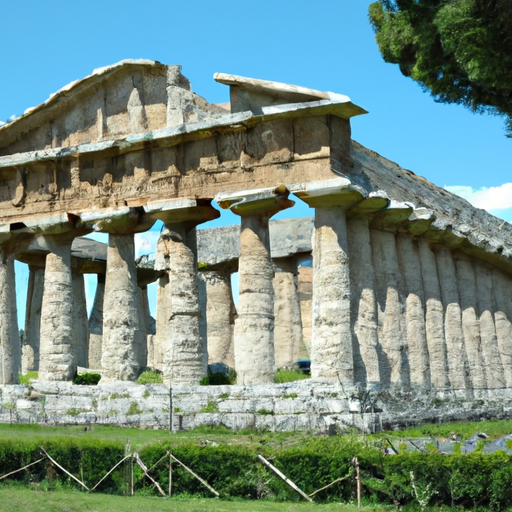
Now let’s travel a little further south down the Italian peninsula, to a lesser-known gem called Paestum. Tucked away in the region of Campania, Paestum is home to some of the most exceptional ancient Greek ruins in all of Italy. As you wander through these archaeological marvels, you’ll be transported back in time to a world where mighty temples and ancient artifacts stood tall. The beauty of Paestum lies not only in its historical significance, but also in its tranquil atmosphere and picturesque surroundings. With its captivating ruins and serene landscapes, Paestum offers a unique and immersive experience that will leave you in awe of the ancient world.
The History of Paestum
Ancient Origins
Paestum, located in the Campania region of southern Italy, has a history that dates back to ancient times. Originally known as Poseidonia, the city was founded by Greek colonists from Sybaris in the 7th century BCE. The Greeks chose this location for its fertile soil, strategic position, and access to the sea. Poseidonia flourished as a prosperous Greek city-state, with its own coins and a strong economy based on agriculture and trade.
Greek Influence
During its heyday, Poseidonia maintained strong ties with other Greek cities and contributed to the spread of Greek culture in the area. Greek language, customs, and religious practices were adopted by the local population, leaving a lasting impact on the region. The city was dedicated to the worship of the Greek gods, particularly Hera, Athena, and Neptune.
Roman Conquest
In the 4th century BCE, Poseidonia came under the control of the expanding Roman Republic. The Romans renamed the city Paestum and incorporated it into their empire. Despite the change in rulers, Paestum retained its Greek identity and continued to thrive as an important center of trade and agriculture.
The Architecture of Paestum
The Temples of Paestum
The temples of Paestum are some of the best-preserved Greek temples in the world. The three main temples, dedicated to Hera, Athena, and Neptune, are stunning examples of ancient Greek architecture. The Temple of Hera, also known as the Temple of Ceres, is the oldest and largest of the three. It features a Doric design with impressive columns and intricate friezes depicting mythological scenes.
The Temple of Athena, also known as the Temple of Ceres, is slightly smaller but equally impressive. It is characterized by its well-preserved pediments and beautiful reliefs. Finally, the Temple of Neptune, dedicated to the god of the sea, showcases the advanced engineering and design skills of the ancient Greeks.
The City Walls
In addition to the temples, Paestum was surrounded by a fortified wall to protect the city from invasions. The walls were built using the Cyclopean masonry technique, a method that involved stacking large irregular stones without the use of mortar. These walls not only provided protection but also served as a symbol of the city’s strength and prosperity.
The Agora
The Agora, or marketplace, was the heart of the city. It was a central gathering place for commerce, politics, and social interaction. The Agora of Paestum is a well-preserved space, featuring stoas (covered walkways), market stalls, and a central square. Statues, altars, and other structures adorned the area, creating an atmosphere of bustling activity and civic life.
Preservation and Restoration Efforts
Rediscovery and Excavation
Paestum remained largely forgotten and hidden for centuries after the fall of the Roman Empire. It wasn’t until the 18th century that the ancient city was rediscovered by travelers and scholars. Excavations began in the late 18th and early 19th centuries, uncovering the remarkable ruins that we see today.
Conservation and Maintenance Initiatives
Since its rediscovery, extensive efforts have been made to preserve and maintain the archaeological site of Paestum. Conservation work has been carried out to stabilize the structures, protect them from weathering and erosion, and prevent further damage. Strict regulations are in place to ensure that the site is properly managed and protected for future generations.
Visiting Paestum
Getting to Paestum
Paestum is located approximately 85 kilometers south of Naples, making it easily accessible by car, train, or bus. If arriving by car, there is ample parking available near the entrance to the archaeological site. For those relying on public transportation, regular train and bus services connect Paestum to major cities in the region.
Entrance fees and Opening hours
To enter the archaeological site of Paestum, visitors must purchase a ticket. The ticket grants access to the temples, museum, and other areas of interest within the site. Opening hours vary depending on the season, so it is advisable to check the official website or local tourist information for the most up-to-date information.
Guided Tours and Audio Guides
Guided tours are available for those who wish to delve deeper into the history and significance of Paestum. Expert guides provide valuable insights and anecdotes about the temples, city walls, and other landmarks. Additionally, audio guides are available in multiple languages, allowing visitors to explore at their own pace and learn about each point of interest.
Must-See Sights in Paestum
Temple of Hera
The Temple of Hera, with its impressive columns and stunning friezes, is considered one of the highlights of Paestum. The size and grandeur of the temple are awe-inspiring, and visitors can marvel at the intricate details of the friezes, which depict scenes from Greek mythology. This temple is a true testament to the architectural skills and artistic achievements of the ancient Greeks.
Temple of Athena
The Temple of Athena, while slightly smaller than the Temple of Hera, is no less impressive. Its well-preserved pediments and reliefs provide insight into the artistic techniques and narrative traditions of ancient Greece. Visitors can admire the fine details of the sculptures and imagine the religious ceremonies that took place in these hallowed grounds.
Temple of Neptune
The Temple of Neptune, dedicated to the god of the sea, is another remarkable sight in Paestum. Despite its partial collapse, the temple still stands as a testament to the greatness of the ancient city. Its location near the sea adds to the picturesque setting and offers visitors a glimpse into the city’s maritime history.
Exploring the Archaeological Site
Walking Routes and Trails
Paestum offers various walking routes and trails that allow visitors to explore the different areas of the archaeological site. These paths wind through the temples, city walls, and other points of interest, providing a comprehensive view of the ancient city. Walking through Paestum gives you a sense of its layout and scale, allowing you to immerse yourself in the ancient atmosphere.
Museum of Paestum
The Museum of Paestum houses a collection of artifacts discovered during the excavations of the site. Visitors can admire ancient pottery, sculptures, and other objects that offer valuable insights into the daily life, culture, and art of the Greeks and Romans. The museum provides a deeper understanding of the history and significance of Paestum.
Ancient Artifacts
Throughout the archaeological site, visitors can encounter various ancient artifacts that have been preserved and displayed. From votive offerings to decorative elements from the temples, these artifacts offer a tangible connection to the past. It is truly fascinating to see and touch objects that were once an integral part of the vibrant city of Paestum.
Paestum in Popular Culture
Literature and Poetry
The ruins of Paestum have long been a source of inspiration for writers and poets. From Percy Bysshe Shelley’s “Ode to the West Wind” to Ernest Hemingway’s descriptions in “The Sun Also Rises,” Paestum’s evocative beauty has captivated the literary world. These works capture the timeless allure and poetic essence of this ancient city.
Film and Television
Paestum has also made appearances on the big screen. Films such as “The Talented Mr. Ripley” and “The Legend of Hercules” feature the temples and architecture of Paestum, providing a stunning backdrop for the stories that unfold. The city’s grandeur and mythical aura continue to attract filmmakers and audiences alike.
Local Cuisine and Nearby Attractions
Traditional Dishes of Paestum
Visiting Paestum is not just about exploring its ancient ruins; it’s also an opportunity to indulge in the local cuisine. Traditional dishes of Paestum include buffalo mozzarella, a creamy and flavorful cheese famous in the region, and dishes featuring locally sourced ingredients such as tomatoes, olives, and artichokes. Food enthusiasts will delight in the flavors and aromas of Paestum’s culinary offerings.
Wine Tasting in the Region
Paestum is located in the Campania region, known for its exceptional wines. Wine enthusiasts can embark on a tasting journey, sampling regional wines like Aglianico and Greco di Tufo. Local vineyards offer guided tours and tastings, providing an opportunity to learn about the winemaking process while enjoying the fruits of the region.
Other Nearby Points of Interest
Paestum is ideally located for those who wish to explore other attractions in the region. The Amalfi Coast, with its breathtaking views and picturesque towns, is a short drive away. The city of Naples, with its rich history and vibrant street life, is also within reach. These nearby attractions offer a diverse range of experiences, making Paestum an excellent base for further exploration.
Events and Festivals in Paestum
Annual Archeologica Festival
The Annual Archeologica Festival celebrates the rich history and cultural significance of Paestum. This festival includes exhibitions, performances, and activities that showcase the ancient traditions and customs of the region. Visitors can immerse themselves in the vibrant atmosphere and experience firsthand the allure of Paestum’s past.
Paestum Music Festival
The Paestum Music Festival brings together musicians and performers from around the world to showcase their talents against the backdrop of the ancient temples. The combination of music and ancient architecture creates a unique and unforgettable experience for both artists and audiences. The festival offers a diverse range of genres, from classical to contemporary, catering to a wide range of musical tastes.
Local Traditions and Celebrations
Throughout the year, Paestum hosts various local traditions and celebrations that allow visitors to experience the cultural heritage of the region. These events include religious processions, folk dances, and traditional performances that showcase the customs and traditions passed down through generations. Attending these festivities provides a glimpse into the daily life and vibrant spirit of Paestum’s local community.
Supporting Paestum’s Future
Donations and Funding
Preserving and maintaining the archaeological site of Paestum requires significant financial resources. Visitors can contribute to the conservation efforts by making donations or supporting fundraising campaigns that aim to protect and restore the ancient ruins. Every contribution helps ensure that future generations can continue to appreciate and learn from Paestum’s rich history.
Volunteer Opportunities
For those who wish to be more actively involved, volunteer programs are available at Paestum. These programs allow individuals to contribute their time and skills towards the preservation and maintenance of the site. Volunteers may be involved in tasks such as maintenance work, educational programs, or archaeological excavations, providing a hands-on experience and a deeper connection to the ancient city.
Educational Programs
Paestum offers educational programs for students and scholars interested in archaeology, history, and art. These programs provide a unique opportunity to learn from experts in the field, participate in excavations, and gain firsthand experience in the preservation and restoration of ancient monuments. By engaging with Paestum’s educational programs, individuals can contribute to the site’s future while deepening their knowledge and understanding of the past.
In conclusion, a visit to Paestum is a journey through time, offering a glimpse into the ancient origins of Italy and the Mediterranean. From its well-preserved temples and city walls to its vibrant cultural heritage, Paestum invites visitors to step into a world where ancient Greece and Rome come alive. The combination of history, architecture, and natural beauty creates an unforgettable experience that will leave a lasting impression. So, embark on your own adventure to Paestum, and let the stories of the past unfold before your eyes.
 English