
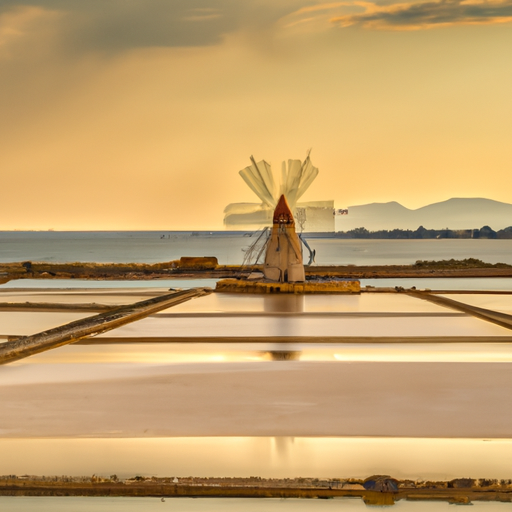
Now, let me take you off the beaten path to the lesser-known but equally enchanting salt flats of Trapani. Nestled in the western corner of Sicily, this hidden gem offers a unique glimpse into the age-old tradition of salt production. As you walk along the glistening salt pans, surrounded by towering mountains of crystallized salt, you’ll witness the sheer beauty and labor that goes into each grain. With the sea breeze in your hair and the tranquility of the surroundings, the salt flats of Trapani will transport you to a world untouched by time, where nature’s bounty and human ingenuity merge in perfect harmony. So pack your bags and prepare to be captivated by the captivating allure of Trapani’s salt flats.
History of Trapani
Trapani: A Brief Overview
Trapani, located on the western coast of Sicily, is a historic city with a rich cultural heritage. It has been inhabited for thousands of years and has been shaped by various civilizations throughout history. The city’s strategic location on the Mediterranean Sea has made it a hub for trade and maritime activities.
Trapani’s Ancient Origins
Trapani’s history dates back to ancient times, with evidence of human settlements as far back as the 8th century BC. It was originally established as a Phoenician colony and later came under the control of the Carthaginians and the Romans. Traces of these ancient civilizations can still be seen in the city’s architecture, monuments, and archaeological sites.
The Influence of Various Civilizations
Over the centuries, Trapani has been influenced by different cultures and civilizations, including the Byzantines, Arabs, Normans, and Spanish. Each of these civilizations left their mark on the city, contributing to its unique blend of architectural styles, traditions, and cultural practices. Trapani’s history is a testament to the interconnectedness of different cultures and the enduring nature of human civilization.
Geographical Aspects of the Salt Flats
Location and Size of the Salt Flats
The salt flats of Trapani, also known as the “Saline di Trapani e Paceco,” are situated on the western coast of Sicily, near the city of Trapani. The salt flats cover an extensive area of approximately 1000 hectares and are made up of a series of shallow, interconnected lagoons.
The Unique Ecosystem of the Salt Flats
The salt flats of Trapani are not only visually stunning but also host a unique ecosystem. The high salinity of the lagoons creates a harsh environment where only a few species of plants and animals can survive. These include halophyte plants such as sea lavender and glasswort, as well as various bird species, including flamingos, herons, and avocets.
Geological Formation of the Salt Flats
The geological formation of the salt flats of Trapani can be traced back millions of years. The area was once submerged under a shallow sea, and as the sea gradually receded, salt deposits were left behind. Over time, the natural evaporation of water in the lagoons led to the crystallization of salt, which was then manually harvested by the locals.
Salt Extraction and Production
Traditional Salt Extraction Methods
For centuries, the salt flats of Trapani have been renowned for their traditional salt extraction methods. The process involves flooding the lagoons with seawater during the summer months and allowing the water to evaporate under the scorching sun. As the water evaporates, the salt crystallizes and forms a crust on the surface, which is then carefully collected by hand.
Modern Techniques and Technologies
While traditional salt extraction methods are still practiced, modern techniques and technologies have also been introduced to improve efficiency and productivity. Mechanized salt harvesters are now used to collect the crystallized salt, reducing the need for manual labor. Additionally, solar panels and windmills have been installed to generate renewable energy, making salt production in Trapani more sustainable.
The Importance of Salt to the Local Economy
Salt production has played a significant role in the economy of Trapani for centuries. The salt flats not only provide employment opportunities for the locals but also attract tourists who are interested in witnessing this ancient trade. Moreover, the salt produced in Trapani is highly regarded for its quality and is exported to various parts of the world, contributing to the economic prosperity of the region.
The Fascinating Pink Hue
The Scientific Explanation behind the Pink Color
One of the most captivating features of the salt flats of Trapani is their mesmerizing pink hue. The pink color is caused by the presence of microscopic algae known as Dunaliella salina. These algae thrive in the high salinity environment and produce a reddish-pink pigment called beta-carotene. When the algae bloom, they give the salt flats a stunning pinkish hue, creating a surreal and ethereal landscape.
Flamingos and Other Wildlife in the Salt Flats
The pink color of the salt flats serves as a magnet for various bird species, most notably flamingos. These elegant creatures are attracted to the saline lagoons, where they feed on the small shrimp and algae present in the water. The presence of flamingos and other bird species adds to the charm and biodiversity of the salt flats, making it a haven for birdwatchers and nature enthusiasts.
The Salt Flats as a Photographer’s Paradise
The unique combination of the pink salt flats, azure skies, and vibrant birdlife makes the salt flats of Trapani a paradise for photographers. The ever-changing hues, reflections, and patterns create endless opportunities for capturing breathtaking images. Whether you’re a professional photographer or an amateur enthusiast, the salt flats of Trapani offer a visual feast that is sure to inspire and captivate.
Visitor Experience
Exploring the Salt Flats on Foot
One of the best ways to experience the salt flats of Trapani is by exploring them on foot. There are designated walking paths and wooden walkways that allow visitors to traverse the salt pans and get up close to the crystallized salt formations. Walking through the salt flats offers a unique sensory experience, with the crunch of salt underfoot and the smell of the sea in the air.
Guided Tours and Excursions
For those who prefer a more immersive experience, guided tours and excursions are available. These tours provide in-depth insights into the history, geology, and cultural significance of the salt flats. Knowledgeable guides lead visitors through the salt pans, explaining the salt extraction process and highlighting the diverse flora and fauna found in the area. Guided tours also offer the opportunity to taste and learn about different varieties of salt produced in Trapani.
Buying and Sampling Local Salt Products
No visit to the salt flats of Trapani would be complete without purchasing and sampling the local salt products. The salt produced in Trapani is known for its excellent quality and unique flavor profiles. Visitors can choose from a variety of salts, including flavored salts infused with herbs and spices. These salt products make for a wonderful souvenir or a culinary delight to be savored in the comfort of your own kitchen.
Events and Festivals
The Salt Festival of Trapani
The Salt Festival of Trapani is an annual celebration that pays tribute to the salt production heritage of the region. The festival takes place in Nubia, a small village near the salt flats, and features a series of cultural events, exhibitions, and performances. Visitors have the opportunity to witness traditional salt extraction demonstrations, participate in salt-themed workshops, and indulge in the local cuisine.
Salt Pans Races
Another unique event that takes place on the salt flats of Trapani is the Salt Pans Races. This annual event attracts participants from around the world who compete in a challenging race across the salt flats. The race route spans the crystallized salt formations, providing both a physically demanding and visually stunning experience for the participants and spectators alike.
Cultural and Artistic Events on the Salt Flats
The salt flats of Trapani have also become a venue for various cultural and artistic events. Concerts, art exhibitions, and theatrical performances are organized on the salt pans, utilizing the unique landscape as a backdrop. These events not only showcase local talent but also highlight the symbiotic relationship between nature, art, and culture.
Other Attractions in Trapani
Trapani’s Historic Center
Trapani’s historic center is a treasure trove of architectural wonders, narrow streets, and historic buildings. The city’s rich history is evident in its ancient churches, palaces, and fortifications. Highlights include the Cathedral of San Lorenzo, the Church of Purgatory, and the Torre di Ligny, a coastal watchtower with panoramic views of the city.
The Magnificent Salt Mills
In addition to the salt pans, Trapani is also home to a collection of beautifully restored windmills that were once used to grind salt. These windmills, known as “mulini,” stand as silent sentinels, reminding visitors of the city’s salt production heritage. The windmills offer a glimpse into the past and provide a picturesque backdrop for photographs.
Nearby Beaches and Natural Parks
Trapani is blessed with breathtaking beaches and natural parks in its vicinity. The picturesque shoreline of San Vito Lo Capo, with its crystal-clear waters and golden sands, is a popular destination for sunbathers and water sports enthusiasts. The nearby Zingaro Nature Reserve offers hiking trails that meander through rugged cliffs, hidden coves, and pristine landscapes, providing a sanctuary for wildlife and nature lovers.
Best Time to Visit
Avoiding Tourist Crowds
To avoid large crowds of tourists, it is best to visit the salt flats of Trapani during the shoulder seasons of spring (April to June) and fall (September to October). During these times, the weather is pleasant, and the visitor numbers are lower, allowing for a more peaceful and intimate experience.
Ideal Weather Conditions
The salt flats of Trapani experience a Mediterranean climate, characterized by hot, dry summers and mild winters. The months of May to September offer the best weather conditions, with long days of sunshine and warm temperatures. However, it is important to note that the summer months can be quite hot, so it is advisable to bring sunscreen, a hat, and plenty of water.
Seasonal Highlights at the Salt Flats
The salt flats of Trapani offer different experiences throughout the year, depending on the season. In spring, the salt pans are filled with water, creating a picturesque reflection of the surrounding landscapes. Summer brings the vibrant pink hue as the algae bloom, attracting flamingos and other bird species. In autumn, the salt is harvested, and the lagoons gradually dry up, creating intricate salt formations. Each season offers its own unique charm and beauty.
Preservation Efforts and Challenges
Protecting the Fragile Ecosystem
Preserving the fragile ecosystem of the salt flats is of utmost importance. Efforts are underway to maintain the balance between salt production and environmental conservation. Measures such as monitoring the salinity levels, minimizing chemical usage, and promoting sustainable practices have been implemented to ensure the long-term health of the ecosystem.
Balancing Tourism and Conservation
The increasing popularity of the salt flats as a tourist attraction poses challenges in striking a balance between tourism and conservation. It is crucial to manage visitor numbers and educate tourists about the importance of preserving the fragile ecosystem. Responsible tourism practices, such as staying on designated paths and minimizing waste generation, are encouraged to minimize the impact on the salt flats.
The Threat of Climate Change
Climate change is a significant threat to the salt flats of Trapani. Rising sea levels and changes in precipitation patterns can disrupt the delicate balance of the lagoons and impact salt production. Additionally, increased temperatures can lead to the decline of certain plant and animal species that rely on the salt flats for survival. Efforts are being made to raise awareness about these challenges and implement strategies to mitigate the impact of climate change.
Conclusion
The Salt Flats of Trapani: A Gem of Natural and Cultural Heritage
The salt flats of Trapani are not just a visual spectacle; they are a testament to the rich history and cultural heritage of the region. From their ancient origins to the modern salt extraction techniques, the salt flats offer a fascinating glimpse into the intertwined relationship between nature and human civilization.
The Unique Blend of Nature, History, and Tradition in Trapani
Trapani, with its salt flats, historic center, and natural beauty, offers a unique blend of nature, history, and tradition. Whether you choose to explore the salt flats on foot, participate in guided tours, or simply indulge in the local salt products, a visit to Trapani promises to be an unforgettable experience that celebrates the harmonious coexistence of man and nature.
So, why not embark on a journey to Trapani? Unlock the secrets of its past, marvel at its natural wonders, and immerse yourself in the vibrant culture and traditions that have shaped this captivating city. Trapani awaits, ready to enchant and inspire you.
 English