
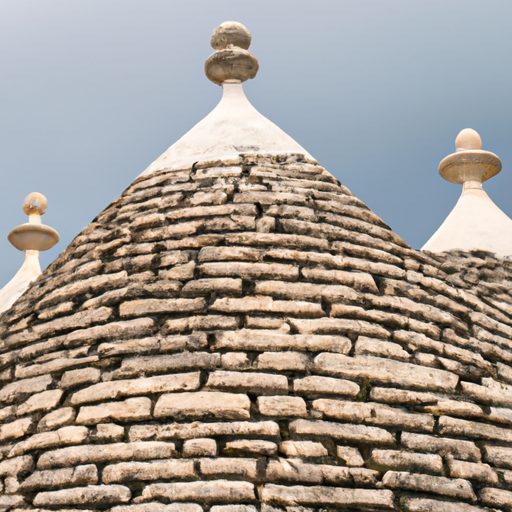
Now, let’s take a detour from the bustling cities and breathtaking landscapes of Italy and venture into a unique and enchanting destination: the trulli houses of Alberobello. Nestled in the region of Puglia, these peculiar stone dwellings with cone-shaped roofs will transport you to another world. Walking through the narrow streets lined with rows of these fairytale-like houses, you’ll feel like you’ve stepped into a storybook. Each trullo has its own charm and history, some dating back centuries. Intrigued? Let me be your guide as we explore the magic and allure of these architectural wonders in Alberobello.
The History of Trulli Houses
Origins of Trulli Houses
Trulli houses, with their distinctive conical roofs, have a rich and fascinating history that dates back centuries. These unique structures can be traced back to the prehistoric times of the Apulia region in southern Italy. The exact origins of trulli houses are uncertain, but it is believed that they were initially built as shelter for agricultural workers or as temporary housing for farmers and their families.
Purpose and Construction
Trulli houses were primarily constructed using limestone, a prevalent material in the region, which was abundant and easily accessible. The construction of trulli houses involved a dry stone technique, where limestone blocks were stacked without the use of mortar. The conical roofs were constructed in a corbelled fashion, with each layer of stones slightly overlapping the one below it, eventually forming a domed shape. This method of construction not only provided stability but also allowed rainwater to easily run off the roofs.
Distinctive Features of Trulli Houses
One of the most distinctive features of trulli houses is their conical roofs, which are often adorned with intricate symbols and motifs. These symbols, known as pinnacles, typically include Christian, pagan, and magical symbols, as well as representations of geometric shapes and celestial bodies. The purpose of these symbols is believed to be a combination of decorative embellishments and symbolic protection against evil spirits.
Exploring Alberobello
Location and Geography
Alberobello, a picturesque town located in the Apulia region of Italy, is home to the largest concentration of trulli houses in the world. Nestled amidst rolling hills and surrounded by olive groves, this charming town is known for its unique architecture and rich cultural heritage. Its strategic location in the heart of the Itria Valley makes it an ideal destination for exploring the surrounding countryside.
UNESCO World Heritage Site
In recognition of its unique cultural and architectural significance, the historic center of Alberobello, known as the Rione Monti district, was designated as a UNESCO World Heritage Site in 1996. This prestigious designation has helped to preserve and protect the trulli houses, ensuring that future generations can appreciate their beauty and historical importance.
Unique Trulli Neighborhoods
Alberobello is divided into two main neighborhoods: Rione Monti and Aia Piccola. The Rione Monti district is the larger and more prominent of the two, with its narrow streets lined with hundreds of trulli houses. The Aia Piccola district, located just a short walk away, is smaller and more tranquil, offering a glimpse into the daily lives of the local residents. Both neighborhoods provide visitors with a unique opportunity to immerse themselves in the rich history and charm of the trulli houses.
Living in a Trullo
Modern-Day Use of Trulli Houses
While trulli houses were originally built for agricultural purposes, today they serve a variety of functions. Many trulli houses have been converted into unique holiday rentals, providing visitors with a one-of-a-kind experience to stay in these historic dwellings. Additionally, some trulli houses are still inhabited by local residents, offering a glimpse into the traditional way of life in the region. The adaptability and durability of trulli houses have made them a popular choice for those seeking a unique and culturally rich living environment.
Challenges and Benefits of Living in a Trullo
Living in a trullo house comes with its unique set of challenges and benefits. One of the challenges is the limited amount of space and the irregular layout, which can pose difficulties when it comes to modern amenities and furnishings. Additionally, the thick stone walls of trulli houses can make heating and cooling more challenging, requiring thoughtful insulation measures. However, the benefits of living in a trullo house far outweigh these challenges. The unique architectural design and historical significance of trulli houses create a truly special living environment. The thick stone walls provide excellent insulation, keeping the interior cool in the summer and warm in the winter. The conical roofs also provide a sense of cozy charm, transporting residents back in time to a bygone era.
Trullo Architecture and Design
Building Materials
Trulli houses are primarily constructed using limestone, a locally sourced material that is readily available in the Apulia region. The use of limestone not only provided stability but also allowed the houses to blend seamlessly with the natural surroundings. The limestone blocks, known as chiancarelle, are carefully cut and stacked without mortar, creating the signature dry-stone construction technique.
Layout and Floor Plan
The layout of a trullo house is often characterized by its circular or square shape, with each trullo representing a self-contained living space. The interior of a trullo house typically features a central living area, known as the ambiente, which serves as a communal space for dining and socializing. Surrounding the ambiente, you will find individual rooms, each with its own small entrance and window. This unique layout ensures privacy for each resident while maintaining a sense of community within the trullo house.
Decorative Elements and Symbolism
Trullo houses are not just functional structures; they are also works of art. The exteriors of trulli houses are often adorned with decorative elements such as pinnacles, which feature intricate carvings and symbols. These symbols can include religious motifs, geometric patterns, and celestial representations. The pinnacles serve both a decorative and a symbolic purpose, adding beauty to the trullo houses while also providing protection against evil spirits and bringing good luck to the residents.
Preservation and Restoration Efforts
Conservation of Trulli Houses
Preserving the trulli houses of Alberobello is of utmost importance to ensure their cultural and historical value is passed down to future generations. Various conservation efforts have been implemented to protect these unique structures, including strict regulations on maintenance and new construction. The local government, in collaboration with international organizations, is working tirelessly to educate residents about the importance of preserving trulli houses and to promote sustainable tourism practices.
Restoration Techniques and Challenges
Restoring trulli houses requires specialized knowledge and techniques to ensure that their unique architectural features are preserved. Traditional construction methods and materials are often used in the restoration process to maintain the authenticity of the trulli houses. However, there are also challenges associated with restoration, including the decay and erosion of the limestone blocks, as well as the need to address structural issues that may have developed over time. Skilled craftsmen and restoration experts are tasked with carefully restoring these historic structures while preserving their unique charm and character.
Trulli House Museums
To further showcase the historical and cultural significance of trulli houses, several museums have been established in Alberobello. These museums provide visitors with the opportunity to explore the interior of trulli houses, learn about their construction techniques, and view exhibits that showcase the history and evolution of these unique dwellings. The museums also serve as educational centers, offering workshops and demonstrations on traditional crafts and skills associated with trulli house construction and maintenance.
Trulli Houses in Popular Culture
Trulli in Art and Literature
Trulli houses have been a source of inspiration for artists and writers throughout history. Their unique architectural design and cultural significance have been depicted in various forms of art, including paintings, literature, and photography. These depictions often capture the charm and allure of trulli houses, showcasing their timeless beauty and their connection to the rich history and traditions of the Apulia region.
Filming Locations
Trulli houses have also served as captivating backdrops for various films and television shows. Their distinctive appearance and historical ambiance make them an ideal choice for productions seeking a unique and visually stunning location. From period dramas to fantasy films, trulli houses have added an enchanting element to the storytelling, further cementing their place in popular culture.
Tourism and Trulli Souvenirs
The unique allure of trulli houses has made them a popular tourist attraction in Alberobello, drawing visitors from around the world. Tourists can explore the narrow streets of Rione Monti, marveling at the picturesque trulli houses and immersing themselves in the local culture. Additionally, trulli houses have inspired a wide range of souvenirs, including miniature replicas, decorative items, and traditional crafts. These souvenirs serve as tangible reminders of the enchanting experience of visiting Alberobello and the trulli houses.
Trulli House Tourism
Accommodation Options
For those seeking an immersive experience, staying in a trullo house is a must. Many trulli houses have been renovated and transformed into unique holiday rentals, allowing visitors to experience the charm and history of these buildings firsthand. These accommodations offer a glimpse into the traditional way of life in the region, with modern amenities seamlessly integrated into the historic structures. From cozy one-bedroom cottages to larger multi-trullo complexes, there is a wide range of options to suit every traveler’s needs.
Trulli House Tours and Experiences
To fully appreciate the beauty and cultural significance of trulli houses, guided tours and experiences are available in Alberobello. These tours provide visitors with the opportunity to explore the narrow streets of Rione Monti, visit trullo house museums, and learn about the history and construction techniques of these unique dwellings. Additionally, hands-on experiences such as trullo house cooking classes and traditional craft workshops offer a deeper understanding of the local culture and way of life.
Local Cuisines and Festivals
One cannot truly experience the culture of a place without sampling its local cuisines and participating in its festivals. The region surrounding Alberobello is known for its delicious culinary traditions, with dishes featuring fresh local ingredients and traditional recipes passed down through generations. Visitors can indulge in authentic Apulian cuisine, from freshly made orecchiette pasta to succulent grilled meats, paired with regional wines. Additionally, various festivals throughout the year celebrate the rich cultural heritage of Alberobello and its trulli houses, including music, dance, and traditional performances.
Trulli House Real Estate
Buying and Renting Trulli Houses
With the increasing interest in trulli houses, both as holiday rentals and permanent residences, the real estate market in Alberobello has seen a surge in activity. Many trulli houses are available for sale or can be rented for longer periods, providing individuals with the opportunity to own or experience the charm of these unique dwellings. Whether it’s a small trullo house for a quaint vacation or a larger complex for a permanent residence, the real estate options cater to a variety of preferences and budgets.
Investment Opportunities
Trulli houses also present a unique investment opportunity for those looking to diversify their real estate portfolio or venture into the hospitality industry. The growing popularity of trulli houses as holiday rentals has created a demand for well-preserved and skillfully restored properties. Investing in a trullo house allows individuals to contribute to the preservation of the cultural heritage of Alberobello while also enjoying potential financial returns.
Legal Considerations
Before purchasing or renting a trullo house, it is essential to understand the legal considerations associated with these properties. Trulli houses, being traditional structures, may come with certain restrictions and regulations that need to be adhered to. Engaging the services of a reputable real estate agent or lawyer familiar with the local laws and regulations can help navigate these considerations and ensure a smooth and legally compliant transaction.
Fascinating Trulli House Legends and Folklore
Myths and Legends Surrounding Trulli Houses
Trulli houses are not just historically significant; they are also steeped in myths and legends. One such legend is the belief that trulli houses were built without the use of mortar to allow for their easy dismantling in case of tax inspections. Another legend suggests that trulli houses were designed with conical roofs to allow for easy disassembly in times of invasion, enabling the residents to quickly and seamlessly blend in with the surrounding landscape.
Superstitions and Beliefs
Trulli houses, with their intricate symbols and decorative elements, have also given rise to various superstitions and beliefs. It is believed that the pinnacles on the roofs of trulli houses offer protection against evil spirits and bring good luck to the residents. Additionally, it is said that the presence of a pinnacle in a trullo house ensures fertility and prosperity for the occupants. These superstitions and beliefs add to the mystique and allure of trulli houses, further highlighting their cultural significance.
The Future of Trulli Houses
Challenges and Opportunities
While the trulli houses of Alberobello have stood the test of time, they face various challenges in the modern world. Urbanization, changing demographics, and evolving architectural preferences pose threats to the preservation and maintenance of trulli houses. However, with these challenges come opportunities. Through sustainable tourism, adaptive reuse, and ongoing restoration efforts, trulli houses can continue to thrive and serve as a testament to the rich cultural heritage of the Apulia region.
Sustainability and Green Initiatives
Preserving the integrity and sustainability of trulli houses is crucial for their long-term survival. Green initiatives, such as the use of eco-friendly materials and energy-efficient technologies, can help reduce the environmental impact of trullo house construction and maintenance. Embracing sustainable practices ensures that trulli houses remain not only historically significant but also ecologically responsible.
Preserving Trulli Culture
Preserving the trulli culture goes beyond the physical structures themselves; it also involves the passing down of traditional knowledge and skills associated with trulli house construction and maintenance. Educational programs, workshops, and apprenticeships can play a vital role in ensuring that future generations are equipped with the knowledge and skills required to preserve and continue the trulli culture. By fostering a sense of pride and appreciation for trulli houses, the traditions and culture they represent can be safeguarded for years to come.
In conclusion, the trulli houses of Alberobello are not just architectural wonders; they are living testaments to the rich history, culture, and traditions of the Apulia region. Exploring these unique structures allows visitors to immerse themselves in a bygone era while also appreciating their relevance in the modern world. The preservation, restoration, and sustainable development of trulli houses ensure that their cultural and historical value will continue to captivate and inspire future generations. So, whether you dream of staying in a trullo house, exploring the streets of Alberobello, or simply marveling at the beauty of these unique dwellings, be prepared to embark on a journey through time and culture that will leave a lasting impression.
 English