
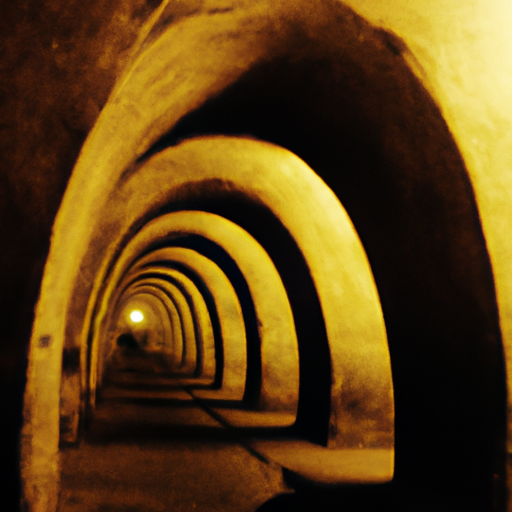
Now, let’s bring your attention to a hidden gem that lies beneath the bustling streets of Naples. You may think you know Italy well, but have you ever ventured below the surface? The underground city of Naples is a labyrinth of tunnels, catacombs, and hidden chambers, revealing a fascinating history that stretches back centuries. From ancient Greek and Roman aqueducts to early Christian burial sites, this subterranean world offers a glimpse into the city’s past like no other. Join me as we descend into the depths and uncover the secrets of Naples’ underground city.
The History of Naples
Naples, a city steeped in rich history and culture, dates back to ancient times. Its origins can be traced back to the 9th century BC when the Greeks established a colony here, naming it Neapolis, meaning “new city.” This laid the foundation for the city’s enduring connection with Greek culture and heritage.
Ancient Origins
During the Greek period, Naples flourished as an important center of trade and culture in the Mediterranean region. The city became known for its impressive architecture, including the Temple of Apollo, which stood as a symbol of the city’s prosperity. The influence of Greek civilization can still be seen in the city’s layout and the remnants of ancient Greek structures.
Greek and Roman Influence
After the Greeks, Naples came under Roman rule in the 4th century BC. The Romans, recognizing the strategic importance of the city’s location, expanded its infrastructure and transformed it into a major port. Under Roman rule, Naples thrived as a vibrant and cosmopolitan city, attracting wealthy elites and scholars from across the empire. The remnants of Roman structures, such as the Theater of Naples, provide a glimpse into this prosperous period.
Medieval and Renaissance Naples
Naples experienced a turbulent period during the Middle Ages, with multiple invasions and changes in leadership. However, it also became a hub for intellectual and artistic pursuits during the Renaissance. Artists like Caravaggio and writers such as Giordano Bruno found inspiration in the city’s vibrant atmosphere. The influences of this period can still be admired in the city’s architecture and artwork.
Discovering the Underground City
Beneath the bustling streets of Naples lies a hidden world waiting to be explored. The underground city is an intricate maze of tunnels, catacombs, and crypts, each with its own story to tell.
The Subterranean World
Naples, being situated on an ancient volcanic region, is riddled with an intricate network of tunnels and caves. These underground passages were initially carved out as quarries for tuff, a volcanic rock used in construction. Over time, these tunnels expanded, creating a vast underground network that served various purposes throughout history.
Exploring the Catacombs
Among the most fascinating aspects of Naples’ underground city are the catacombs. These ancient burial sites were used by early Christians and later became centers of religious devotion. Structures like the Catacombs of San Gennaro and the Catacombs of San Gaudioso provide a glimpse into the city’s religious and funerary practices from different periods.
Underground Churches and Crypts
Naples’ underground city also houses stunning underground churches and crypts. These hidden places of worship served as sanctuaries during times of invasion and persecution. The most iconic of these is the San Lorenzo Maggiore, a church built in the 13th century atop a Greco-Roman market and featuring an underground crypt that showcases well-preserved frescoes.
Secret Tunnels and Passageways
Beyond the catacombs and churches, Naples’ underground city is home to secret tunnels and passageways that were used for various purposes throughout history.
The Bourbon Tunnel
One of the most intriguing underground structures in Naples is the Bourbon Tunnel. Built during the reign of King Ferdinand II of Bourbon in the 19th century, this tunnel served as an escape route for the royal family during times of political unrest. Today, visitors can explore this subterranean passage and learn about its historical significance.
The Aqueducts of Naples
Naples’ underground city also contains remnants of ancient aqueducts that supplied the city with water. These impressive engineering feats can be seen in places like the Catacombs of San Gennaro, where visitors can witness the ingenuity of ancient Roman infrastructure.
The Underground Ruins
As Naples developed and expanded over the centuries, many ancient structures were buried and forgotten. However, through archaeological excavations, some of these ruins have been rediscovered. The underground city offers a unique opportunity to witness these ancient ruins, including Greek and Roman theaters, temples, and marketplaces.
Hidden Treasures and Artifacts
The underground city of Naples is not just a maze of tunnels and passages; it also holds hidden treasures and artifacts that provide valuable insights into the city’s past.
The Pompeii Artifacts
Naples is closely connected to the nearby archaeological site of Pompeii, where a volcanic eruption in 79 AD preserved an ancient Roman city under layers of ash. Many of the artifacts discovered in Pompeii are now housed in Naples’ Museo Archeologico Nazionale, offering visitors a chance to see these remarkable pieces up close.
Archaeological Finds in Naples
In addition to the Pompeii artifacts, Naples itself has been a treasure trove of archaeological finds. From ancient Roman statues to mosaic floors, these artifacts provide invaluable evidence of the city’s historical significance. Museums and archaeological sites scattered throughout the city showcase these discoveries.
Museo Archeologico Nazionale
Naples’ Museo Archeologico Nazionale is a must-visit for anyone interested in the history of the city and its underground treasures. The museum houses a vast collection of artifacts, including the Farnese Collection, which includes renowned classical sculptures like the Farnese Hercules and the Farnese Bull.
Underground City Myths and Legends
As with any ancient city with a vast underground network, Naples’ underground also harbors its fair share of myths and legends.
The Legend of the Lost City
One of the most enduring myths surrounding Naples’ underground is the legend of the lost city of Neapolis. According to legend, an entire city lies buried beneath the current city of Naples. Many have claimed to have glimpsed this hidden city, but its existence remains a mystery and a source of fascination.
The Haunted Underground
Some areas of Naples’ underground city are said to be haunted, with stories of ghostly apparitions and eerie sounds echoing through the tunnels. These tales add an air of mystery and intrigue to the already captivating underground world.
The Secret Chambers
Rumors persist of secret chambers hidden within the underground city, housing treasures and ancient knowledge. While these chambers may exist only in folklore, the idea of uncovering hidden secrets adds to the allure of exploring Naples’ underground.
Preserving and Restoring Naples’ Underground
Preserving and restoring Naples’ underground city is a challenging task, requiring a delicate balance between conservation efforts and promoting tourism and awareness.
Challenges in Preservation
Maintaining the integrity of the underground structures and preventing further deterioration is a primary challenge in preserving Naples’ underground city. The subterranean environment poses unique risks, such as humidity and unstable structures, which require constant monitoring and conservation efforts.
Efforts in Restoration
Various organizations and authorities in Naples are dedicated to restoring and conserving the city’s underground treasures. These efforts include structural repairs, cleaning and preserving artifacts, and promoting sustainable tourism practices to ensure the long-term preservation of this historical heritage.
Promoting Tourism and Awareness
Naples’ underground city is a hidden gem that deserves recognition and appreciation from both locals and visitors. Efforts are being made to promote tourism and raise awareness about the historical and cultural significance of the underground sites. Guided tours and educational programs help visitors understand the importance of preserving this unique aspect of Naples’ heritage.
The Unique Charm of Underground Naples
Exploring the underground city of Naples offers a one-of-a-kind historical experience that immerses visitors in the depths of ancient times.
An Immersive Historical Experience
Walking through the underground passages, catacombs, and churches of Naples transports you back in time, allowing you to witness the city’s rich history firsthand. The sense of immersion is unparalleled, providing a deeper understanding and appreciation for the layers of civilization that have shaped Naples.
A Glimpse into Ancient Times
Naples’ underground city serves as a portal to ancient times, offering glimpses into the lives and customs of the civilizations that once thrived here. From the Greek and Roman influences to the medieval and Renaissance periods, each underground site tells a story of its own, unraveling the tapestry of Naples’ past.
Discovering Hidden Gems
Exploring the underground city of Naples unveils hidden gems that are often overlooked by mainstream tourism. These off-the-beaten-path discoveries allow visitors to connect with the authentic essence of the city, away from the bustling streets above ground. From hidden underground chapels to atmospheric tunnels, each corner holds surprises waiting to be discovered.
Exploring Beyond Naples
While Naples’ underground city is a remarkable attraction in itself, there are other subterranean sites in Italy and beyond that offer similar experiences and insights into the past.
The Underground Cities of Campania
Campania, the region where Naples is located, is home to several other underground cities worth exploring. Places like Benevento and Paestum boast their own subterranean networks of tunnels, catacombs, and crypts, providing a broader perspective on the region’s historical and cultural heritage.
Other Subterranean Sites in Italy
Italy, with its rich history and diverse landscapes, is dotted with subterranean sites waiting to be discovered. From the ancient caves of Matera in southern Italy to the underground tunnels of Orvieto in central Italy, each region offers a unique underground experience showcasing the country’s historical depth.
Comparisons to Istanbul’s Underground City
While Naples’ underground city is undoubtedly fascinating, it bears similarities to the subterranean city of Istanbul, Turkey. Istanbul’s Basilica Cistern, for example, is reminiscent of Naples’ aqueducts, highlighting the shared architectural and engineering prowess of these ancient civilizations. Exploring both cities’ underground wonders offers a unique perspective on their respective histories.
Experiencing the Underground City
To fully appreciate the wonders of Naples’ underground city, it is important to plan your visit wisely and take advantage of guided tours and suggested itineraries.
Tours and Guided Visits
Numerous tour companies in Naples offer guided visits to the underground city, providing context and historical information to enhance the experience. These tours often include access to restricted areas and expert guides who can answer questions and share insights about the sites.
Suggested Itineraries
Creating a well-thought-out itinerary is key to making the most of your visit to Naples’ underground city. Consider starting with the most iconic sites, such as the Catacombs of San Gennaro and the Bourbon Tunnel, before venturing into the lesser-known areas. This way, you can gradually delve deeper into the city’s underground world.
Tips for Exploring Safely
Exploring the underground city of Naples requires caution and safety measures. It is advisable to wear comfortable shoes and clothing suitable for underground environments. Additionally, following the instructions of guides and observing any safety regulations or recommendations is vital to ensure a smooth and safe exploration.
The Future of Naples’ Underground
Preserving and conserving Naples’ underground city is an ongoing effort that requires continued research, support, and tourism initiatives.
Preservation and Conservation Efforts
The preservation and conservation of Naples’ underground city should remain a priority. Ongoing research and scientific methods are essential to monitor and preserve these delicate structures and artifacts. Collaborations between preservation organizations, local authorities, and experts can ensure the long-term protection of this historical heritage.
Expanding Tourism Opportunities
Promoting the underground city of Naples as a major tourist attraction can provide economic opportunities while raising awareness about its historical significance. Sustainable tourism practices and initiatives that engage with local communities and businesses can drive the growth of responsible tourism while preserving the authenticity of the underground sites.
Continued Research and Discoveries
Naples’ underground city holds countless mysteries and untold stories waiting to be uncovered. Continued research and excavations will surely lead to further discoveries, shedding light on the city’s past and providing new insights into the ancient civilizations that once thrived here. These discoveries will contribute to a more comprehensive understanding of Naples’ unique historical legacy.
In conclusion, the underground city of Naples offers a fascinating journey through time and showcases the city’s vibrant history. From its ancient origins to the preservation efforts of today, Naples’ underground city is an immersive experience that allows visitors to connect with the layers of civilization that define this remarkable Italian city. Whether exploring the catacombs, wandering through hidden tunnels, or admiring the ancient artifacts, the underground city of Naples promises a captivating adventure that reveals the heart and soul of this historic destination.
 English