
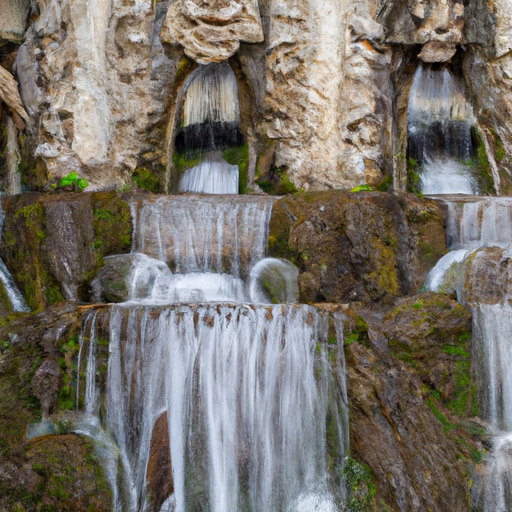
Nestled in the picturesque town of Tivoli, just east of Rome, lies a legendary masterpiece of Renaissance architecture and enchanting fountains – Villa d’Este. This UNESCO World Heritage site transports visitors back in time with its immaculate gardens, ornate palaces, and cascading water features. From playing hide and seek among the hedges to marveling at the intricate mosaics, a visit to Villa d’Este is like stepping into a whimsical fairy tale. So come, lose yourself in the beauty and magic of Tivoli’s fountains, where every drop of water holds a story waiting to be discovered.
History and Background
Villa d’Este: A UNESCO World Heritage Site
Nestled in the charming town of Tivoli, just outside of Rome, is the magnificent Villa d’Este. This historic site has been recognized by UNESCO as a World Heritage Site since 2001, thanks to its exceptional beauty and cultural significance. Dating back to the 16th century, Villa d’Este is a masterpiece of Italian Renaissance architecture and garden design.
The Legacy of Cardinal Ippolito II d’Este
Villa d’Este owes its existence to the vision and patronage of Cardinal Ippolito II d’Este. Son of the notorious Lucrezia Borgia and the Duke of Ferrara, Ippolito was a powerful figure in the Catholic Church and a lover of the arts. He commissioned the construction of the villa in 1550, with the aim of creating a retreat that reflected his refined taste and allowed him to escape the political intrigues of Rome.
Tivoli: An Ancient Roman Retreat
Tivoli, the town in which Villa d’Este is located, has a rich history that predates the Renaissance era. Originally a retreat for ancient Romans seeking respite from the hustle and bustle of city life, Tivoli was renowned for its natural beauty and therapeutic springs. The presence of ancient villas and temples in Tivoli attests to its popularity as a retreat for the elite, and Villa d’Este continues this tradition of grandeur and tranquility.
Design and Architecture
Italian Renaissance Style
Villa d’Este is a quintessential example of Italian Renaissance style, characterized by its symmetrical and harmonious proportions, use of classical orders, and incorporation of natural elements. The villa’s architecture seamlessly blends with the surrounding landscape, creating a sense of unity and harmony.
The Architectural Genius of Pirro Ligorio
The architectural design of Villa d’Este is credited to Pirro Ligorio, a prominent architect of the time. His innovative approaches to spatial planning, as well as his attention to detail and ornamentation, can be seen throughout the villa. Ligorio’s work at Villa d’Este showcases his skill in creating visually stunning spaces that marry function and beauty.
The Influence of Ancient Rome
Inspired by the ancient Roman villas that once graced the area, Villa d’Este incorporates elements of classical architecture and design. The use of columns, arches, and domes, as well as the integration of water features, pays homage to the ancient Rome’s love for grandeur and indulgence.
The Gardens of Villa d’Este
The Water Features: Fountains, Cascades, and Waterfalls
One of the main highlights of Villa d’Este is its extensive network of water features, which include fountains, cascades, and waterfalls. These features not only enhance the beauty of the gardens but also serve a practical purpose by supplying water to the villa and its grounds.
The Avenue of the Hundred Fountains
A truly awe-inspiring sight, the Avenue of the Hundred Fountains stretches for nearly 350 meters and is lined with a symmetrical arrangement of fountains. Walking along this grand avenue, you’ll be surrounded by the soothing sound of water flowing and the sight of elegantly sculpted figures spouting water.
The Organ Fountain
One of the most unique and famous features of Villa d’Este is the Organ Fountain. This fountain, designed by Pirro Ligorio, is an engineering marvel that incorporates music into its display. Water flowing through pipes produces sound, creating a symphony of water and music that was truly innovative for its time.
Notable Fountains at Villa d’Este
The Fountain of the Dragons
The Fountain of the Dragons is an iconic water feature at Villa d’Este. It consists of three dragons, each spewing water from their mouths, and is adorned with decorative elements such as seashells and tritons. The fountain symbolizes power and the cardinal virtues of wisdom, courage, and strength.
The Rometta Fountain
The Rometta Fountain is a charming representation of ancient Rome. It depicts a miniature cityscape with miniature buildings, including a replica of the Colosseum, and miniature figures engaged in various activities. This fountain showcases the admiration for ancient Rome and its influence on the Italian Renaissance.
The Oval Fountain
The Oval Fountain is a focal point of the gardens, situated on the central axis of Villa d’Este. Its shape symbolizes eternity and perfection, and the water flow creates mesmerizing patterns. Surrounding the fountain are beautifully sculpted statues and lush greenery, creating a serene and picturesque setting.
Technology and Innovation
The Hydraulic System
Villa d’Este boasts an impressive hydraulic system that allows the water features to function seamlessly. This complex system, utilizing a series of underground tunnels and reservoirs, enables the water to flow through the fountains, cascades, and waterfalls with precision and control. The technology and engineering behind this system were groundbreaking for the time.
Ingenious Water Supply Solutions
One of the challenges faced in creating Villa d’Este was the availability of water. Ingenious solutions were devised to ensure a sufficient water supply for the vast network of fountains and gardens. Water was sourced from nearby springs and rivers, and a sophisticated system of cisterns and conduits was constructed to channel the water to its various destinations.
The Water Organ
The Water Organ, also known as the Fountain of Neptune, combines technology and artistry. It is an intricate musical instrument powered by water pressure. Water flowing through the organ’s pipes produces sound, creating a captivating performance that adds an element of enchantment to the gardens of Villa d’Este.
Symbolism and Meaning
Fountain Symbolism in the Renaissance
In the Renaissance period, fountains were more than just decorative elements; they held symbolic and allegorical meanings. Fountains were often used to represent nature, life, harmony, and the divine. They were seen as a reflection of the beauty and order of the natural world.
The Allegorical Messages of Villa d’Este’s Fountains
Villa d’Este’s fountains are rich in symbolism and carry allegorical messages. Each fountain tells a story or imparts a moral lesson. The Fountain of the Dragons, for example, symbolizes the cardinal virtues and the power associated with them. These fountains served as a visual language, conveying the ideas and values of the Renaissance period.
Religious and Mythological Influences
Religion and mythology were important sources of inspiration for Renaissance artists and architects. Many of the fountains at Villa d’Este incorporate religious or mythological themes. The Rometta Fountain, with its miniature buildings and Colosseum replica, pays tribute to the great city of Rome and its historical and cultural significance.
Visiting Villa d’Este and Tivoli
Getting There: Transportation and Directions
Villa d’Este is easily accessible from Rome, with various transportation options available. Buses and trains connect Rome to Tivoli, and from there, it’s a short walk or taxi ride to Villa d’Este. If you prefer to drive, there are parking facilities available near the villa.
Opening Hours and Tickets
Villa d’Este is usually open to visitors from Tuesday to Sunday, with varying opening hours depending on the season. It is advisable to check the official website or contact the villa for the most up-to-date information. Tickets can be purchased on-site or in advance online.
Guided Tours and Visitor Facilities
To fully appreciate the beauty and history of Villa d’Este, guided tours are available. Knowledgeable guides provide insights into the villa’s architecture, gardens, and historical context, enhancing the visitor experience. Additionally, the villa offers visitor facilities such as restrooms, a gift shop, and a cafe, ensuring a comfortable and enjoyable visit.
Beyond the Fountains: Other Highlights
The Palace of Villa d’Este
While the fountains steal the show, the palace itself is a work of art. Its elegant architecture, adorned with decorative elements and frescoes, immerses visitors in the opulence and grandeur of the Renaissance era. Exploring the palace allows for a deeper understanding of the lifestyle and tastes of Cardinal Ippolito II d’Este.
The Renaissance Garden
Beyond the fountains, Villa d’Este’s garden is a marvel of design and horticulture. The meticulously arranged pathways, hedges, and flower beds create a vibrant and harmonious atmosphere. Strolling through the garden offers a sensory experience, with the scents of blooming flowers and the soothing sounds of water providing a delightful respite from the outside world.
Art and Sculptures at the Villa
Throughout the villa and its gardens, visitors will discover an array of art and sculptures. Statues depicting mythological figures, intricately designed frescoes, and ornate decorations adorn the different areas of the villa. These artistic elements contribute to the overall aesthetic and ambiance of Villa d’Este, further enhancing its allure.
Tivoli: Exploring the Town
Tivoli’s Historical Center
Aside from Villa d’Este, Tivoli’s historical center is worth exploring. A charming maze of narrow streets, picturesque squares, and ancient buildings awaits visitors. Piazza del Plebiscito, the town’s main square, is a bustling hub where locals and visitors gather. Tivoli’s historical center is a delightful place to immerse oneself in the local culture and soak up the town’s ancient atmosphere.
Temples and Roman Ruins
Tivoli boasts a rich Roman heritage, with several temples and ruins awaiting discovery. The Temple of Vesta, perched on the edge of a cliff, offers panoramic views of Tivoli and the surrounding countryside. The Temple of Sibyl, another ancient marvel, with its unique circular design and intricate carvings, showcases the architectural ingenuity of the Romans.
Local Cuisine and Traditional Delicacies
Exploring Tivoli is not complete without indulging in the local cuisine. Traditional dishes such as porchetta (roast pork), gnocchi alla romana (semolina dumplings), and maritozzi (sweet buns) are just a few of the delicious treats awaiting food enthusiasts. The town’s numerous trattorias and restaurants offer a taste of authentic Italian flavors, allowing visitors to savor the culinary delights of the region.
Villa d’Este and Tivoli: A Cultural Legacy
Influence on European Gardens and Fountains
Villa d’Este’s gardens and fountains had a significant impact on the development of European garden design and the creation of elaborate water features. Its innovative hydraulic system, use of symbolism, and integration of art and nature became sources of inspiration for subsequent generations of gardeners and landscape architects.
Villa d’Este in Art and Literature
Villa d’Este’s allure has not been confined to its physical presence. It has captured the imagination of artists and writers throughout history. Painters, including Claude Lorrain and Giovanni Battista Piranesi, immortalized the beauty of the villa in their works. Furthermore, writers such as Johann Wolfgang von Goethe and Henry James have referenced Villa d’Este in their literature, making it a subject of romantic fascination.
Preservation Efforts and Contemporary Significance
The preservation and restoration of Villa d’Este have been ongoing endeavors to ensure its continued beauty and cultural relevance. The villa’s importance as a UNESCO World Heritage Site has spurred efforts to maintain its authenticity and safeguard its historical and artistic significance. Today, Villa d’Este continues to attract visitors from around the world, offering a glimpse into the splendor of the Renaissance period and the enduring beauty of Italian art and architecture.
 English